The government of the Democratic Republic of the Congo (DRC) on Thursday declared the end of the mpox outbreak as a public health emergency of national concern, following years of response efforts, health authorities said.
The announcement was made at an official ceremony attended by government officials, health experts and international partners.
Health Minister Roger Kamba said the end of the epidemic was the result of "deliberate choices and lessons learned" from past health crises, including the Ebola outbreak, adding that the country has faced multiple epidemics simultaneously, including mpox, cholera and Ebola.
Between the first week of 2024 and the second week of 2026, more than 80,000 samples were tested, with over 34,000 laboratory-confirmed cases and more than 2,200 deaths reported, according to the National Institute for Biomedical Research.
The DRC declared a mpox outbreak in December 2022. The World Health Organization designated mpox a Public Health Emergency of International Concern in August 2024, before lifting the status for Africa in September 2025.
Mpox, formerly known as monkeypox, was first detected in laboratory monkeys in 1958. It is a rare viral disease typically transmitted through body fluids, respiratory droplets, and contaminated materials. The infection often causes fever, rash and swollen lymph nodes.
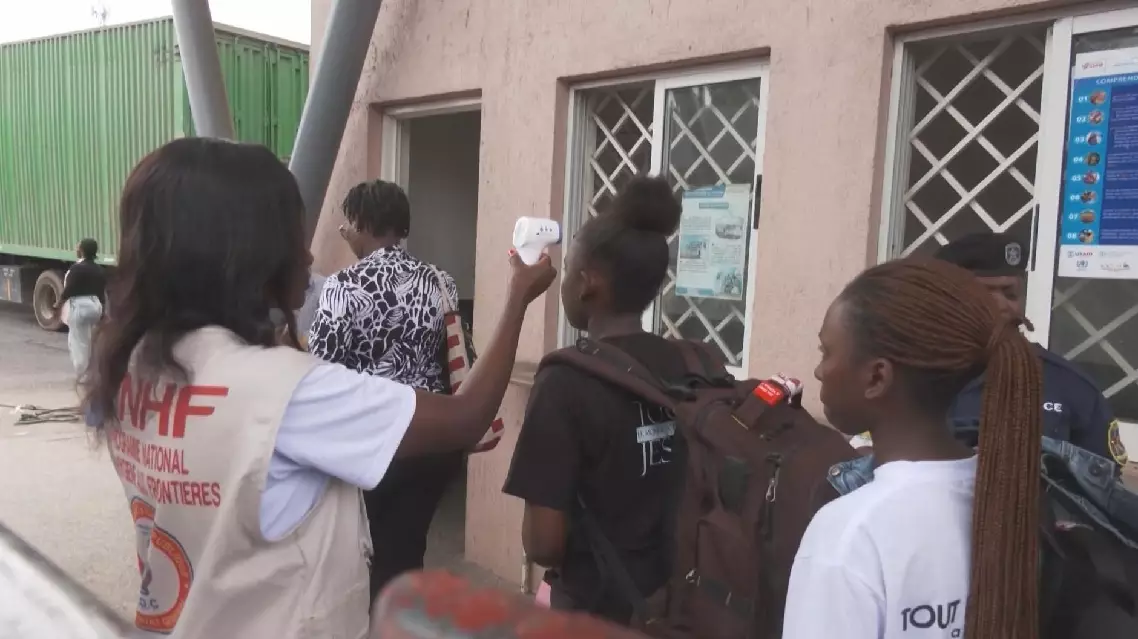
DR Congo declares end of mpox outbreak following public health emergency
More than 1,000 coal mines in China have adopted intelligent systems, as their application expands from pilot projects to large-scale deployment, the China National Coal Association said recently.
Statistics show that by the end of 2025, a total of 1,066 coal mines nationwide have introduced smart systems, with such technologies now supporting more than 65 percent of the country's coal production capacity. The number of autonomous mining trucks in operation surpassed 4,000 units, roughly doubling on an annual basis.
The rapid adoption of smart mining is driven by robust domestic capabilities in intelligent equipment and technology. In Beijing, a newly deployed underground Internet of Things (IoT) precision positioning and management system links workers, positioning cards and operating zones, while also enabling health monitoring. Its core technologies and components are fully domestically developed and have been applied in coal mines and coal preparation plants. "This underground positioning system we've developed has a positioning deviation of less than 20 centimeters when a person or device is stationary. Even when a person or device is moving at high speeds, the margin of error remains minimal. A single device can cover a radius of 800 meters," said Wu Fengdong, general manager of China Coal Beijing Coal Mining Machinery Co., Ltd., a subsidiary of the state-owned China National Coal Group Corporation.
Since the start of the 14th Five-Year Plan period (2021–2025), cumulative investment in smart mining has exceeded 107.1 billion yuan (about 15.6 billion U.S. dollars), with intelligent technologies now widely applied, accelerating the shift from traditional mining to modern, technology-driven extraction.
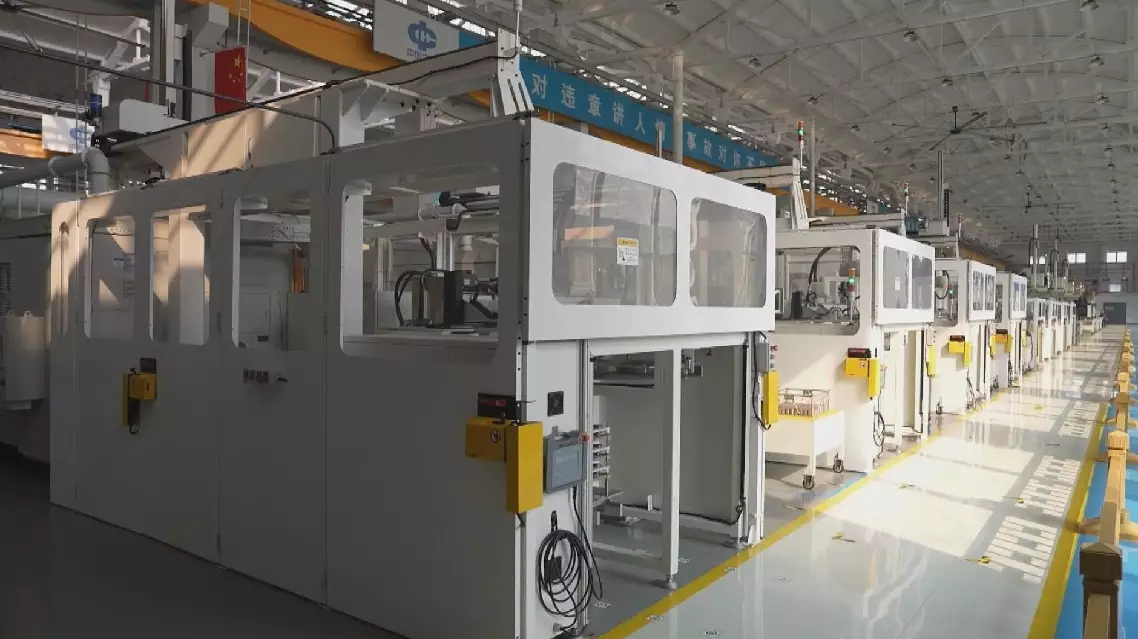
Over 60 pct of China's coal production capacity uses smart technology by end of 2025