LONDON (AP) — Pressure was mounting Sunday on American rapper Ye to be pulled from his headline role at a London music festival this summer, after criticism from U.K. Prime Minister Keir Starmer.
Pepsi already has withdrawn its lead sponsorship role of the Wireless Festival at Finsbury Park in north London between July 10-12. Other sponsors of the event, including Budweiser and PayPal, are being urged to follow suit.
Pepsi didn't provide an explicit reason for its decision to pull out of the event, even though publicity for the festival promoted the event under the branding “Pepsi presents Wireless.”
“Pepsi has decided to withdraw its sponsorship of Wireless Festival," the company said in a statement Sunday.
Ye was booked perform in front of around 150,000 revellers over the course of the festival’s three nights.
Ye, formerly known as Kanye West, changed his name in 2021, and he has drawn widespread controversy in recent years for a series of antisemitic remarks, and has voiced admiration for Adolf Hitler. Last year, he released a song called “Heil Hitler” — a few months after advertising a swastika T-shirt for sale on his website.
The 48-year-old musician apologized in January for his antisemitic remarks in a letter published as a full-page advert in the Wall Street Journal. He said his bipolar disorder led him to fall into “a four-month long, manic episode of psychotic, paranoid and impulsive behavior that destroyed my life.”
Fans of his at a sold-out concert Friday at SoFi Stadium in Los Angeles, his first major U.S. performance in nearly five years, appeared to separate his personal beliefs and public statements from his music — and were ready to forgive after his January apology letter.
However, Starmer said it was “deeply concerning” that the rapper was booked to perform at the long-established festival,
“Antisemitism in any form is abhorrent and must be confronted clearly and firmly wherever it appears," he said in remarks published by The Sun on Sunday newspaper. "Everyone has a responsibility to ensure Britain is a place where Jewish people feel safe and secure.”
Ye's scheduled appearance follows signs of growing antisemitism in the U.K.
Two men and a 17-year-old boy were ordered to remain in custody on Saturday on charges of torching four ambulances run by a Jewish community-service in northwest London. And last October, two men died in an attack on a Manchester synagogue.
Phil Rosenberg, president of the board of deputies of British Jews, said it was “absolutely the wrong decision” to allow Ye to play.
Wireless Festival didn't immediately comment when contacted.

FILE - Kanye West, known as Ye, watches the first half of an NBA basketball game between the Washington Wizards and the Los Angeles Lakers, on March 11, 2022, in Los Angeles. (AP Photo/Ashley Landis, File)
HOUSTON (AP) — The Artemis II astronauts are already the champions of a fresh new era of lunar exploration. Now it’s time to set a new distance record.
Launched last week on humanity’s first trip to the moon since 1972, the three Americans and one Canadian are chasing after Apollo 13’s maximum range from Earth. That will make them our planet’s farthest emissaries as they swing around the moon without stopping on Monday and then hightail it back home.
Their roughly six-hour lunar flyby promises views of the moon’s far side that were too dark or too difficult to see by the 24 Apollo astronauts who preceded them. A total solar eclipse also awaits them as the moon blocks the sun, exposing snippets of shimmering corona.
“We’ll get eyes on the moon, kind of map it out and then continue to go back in force,” said flight director Judd Frieling. The goal is a moon base replete with landers, rovers, drones and habitats.
A look at Artemis II's up-close and personal brush with another world — our constant companion, the moon.
Apollo 13’s astronauts missed out on a moon landing when one of their oxygen tanks ruptured on the way there in 1970.
With the three lives in jeopardy, Mission Control pivoted to a free-return lunar trajectory to get them home as fast and efficiently as possible. This routing relies on the gravity of Earth and the moon, and minimal fuel.
It worked for Apollo 13, turning it into NASA’s greatest “successful failure.” (For the record, flight director Gene Kranz never uttered “Failure is not an option.” The line is pure Hollywood, originating with the 1995 biopic starring Tom Hanks.)
Commander Jim Lovell, Fred Haise and Jack Swigert reached a maximum 248,655 miles (400,171 kilometers) from Earth before making their life-saving U-turn on Apollo 13.
Artemis II’s astronauts are following the same figure-eight path since they are neither orbiting the moon nor landing on it. But their distance from Earth should exceed Apollo 13’s by nearly 3,400 miles (5,400 kilometers).
Artemis II’s Christina Koch said late last week that she and her crewmates don’t live on superlatives, but it’s an important milestone “that people can understand and wrap their heads around,” merging the past with the present and even the future when new records are set.
During the flyby, the astronauts will split into pairs and take turns capturing the lunar views out their windows with cameras. At closest approach, they will come within 4,000 miles (6,400 kilometers) of the moon.
Because they launched on April 1, the rendezvous won’t have as much of the far lunar side illuminated as other dates would have. But the crew still will be able make out “definite chunks of the far side that have never been seen” by humans, said NASA geologist Kelsey Young, including a good portion of Orientale Basin.
They’ll call down their observations as they photograph the gray, pockmarked scenes. There's a suite of professional-quality cameras on board, and each astronaut also has an iPhone for more informal, spur-of-the-minute picture-taking.
Young’s team made lunar geography flashcards for the astronauts to study before the flight.
“They’ve practiced for many, many, many months on visualizations of the moon,” she said over the weekend, “and getting their eyes on the real thing, I’m really, really looking forward to them bringing the moon a little closer to home on Monday.”
The upside of the April 1 launch is a total solar eclipse. The eclipse won’t be visible from Earth — only from the Orion capsule — treating the astronauts to several minutes’ worth of views of the sun's outermost, radiating atmosphere, the corona.
The astronauts will be on the lookout for any unusual solar activity during the eclipse, Young said, and will use their “unique vantage point” to describe the features of the solar corona, or crown.
All four astronauts packed eclipse glasses to protect their eyes.
Orion will be out of contact with Mission Control for nearly an hour when it’s behind the moon. The same thing happened during the Apollo moonshots.
NASA is relying on its Deep Space Network to communicate with the crew, but the giant antennas in California, Spain and Australia won’t have a direct line of sight when Orion disappears behind the moon for approximately 40 minutes.
These communication blackouts were always a tense time during Apollo although, as Frieling points out, “physics takes over and physics will absolutely get us back to the front side of the moon.”
Once Artemis II departs the lunar neighborhood, it will take four days to return home. The capsule will aim for a splashdown in the Pacific near San Diego on April 10, nine days after its Florida launch.
During the flight back, the astronauts will link up via radio with the crew of the orbiting International Space Station. This is the first time that a moon crew has colleagues in space at the same time and NASA can’t pass up the opportunity for a cosmic chitchat. The conversation will include both members of the first all-female spacewalk in 2019: Koch aboard Orion and Jessica Meir, on the station.
The Associated Press Health and Science Department receives support from the Howard Hughes Medical Institute’s Department of Science Education and the Robert Wood Johnson Foundation. The AP is solely responsible for all content.
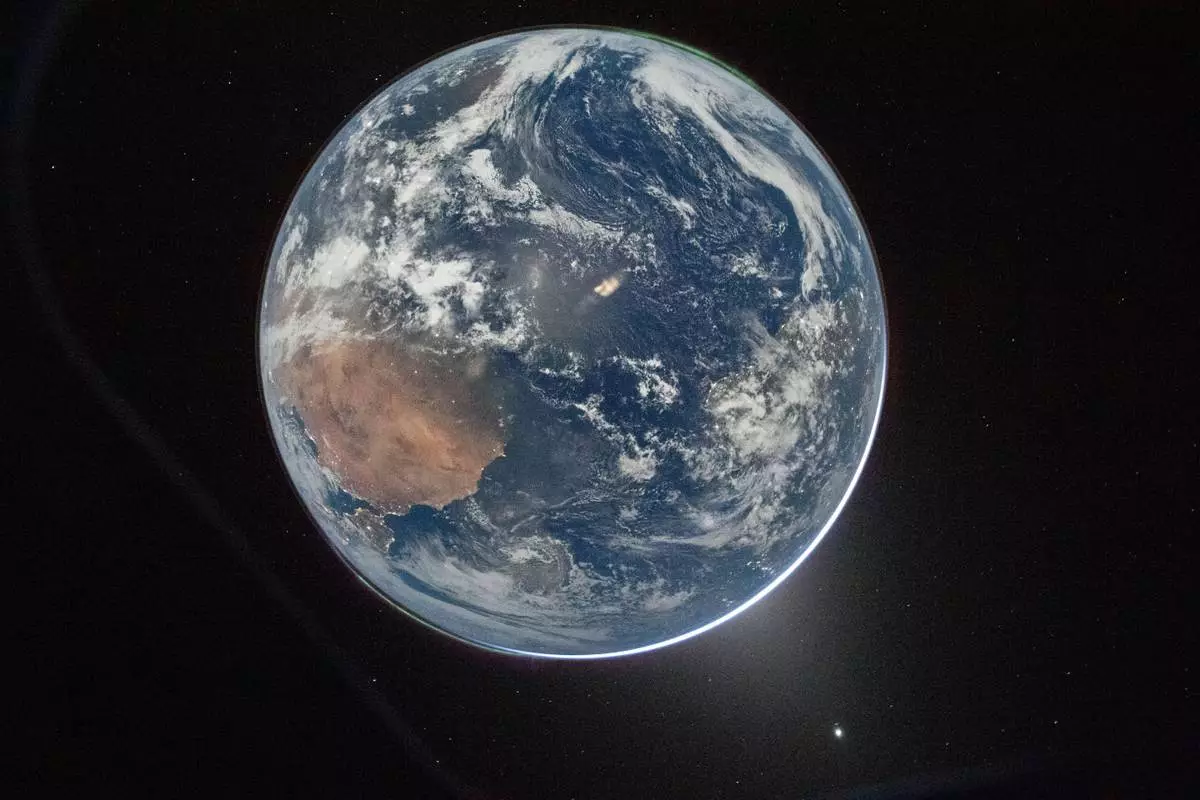
This image provided by NASA shows a view of Earth taken by NASA astronaut and Artemis II Commander Reid Wiseman from of the Orion spacecraft's window after completing the translunar injection burn on April 2, 2026. (NASA via AP)
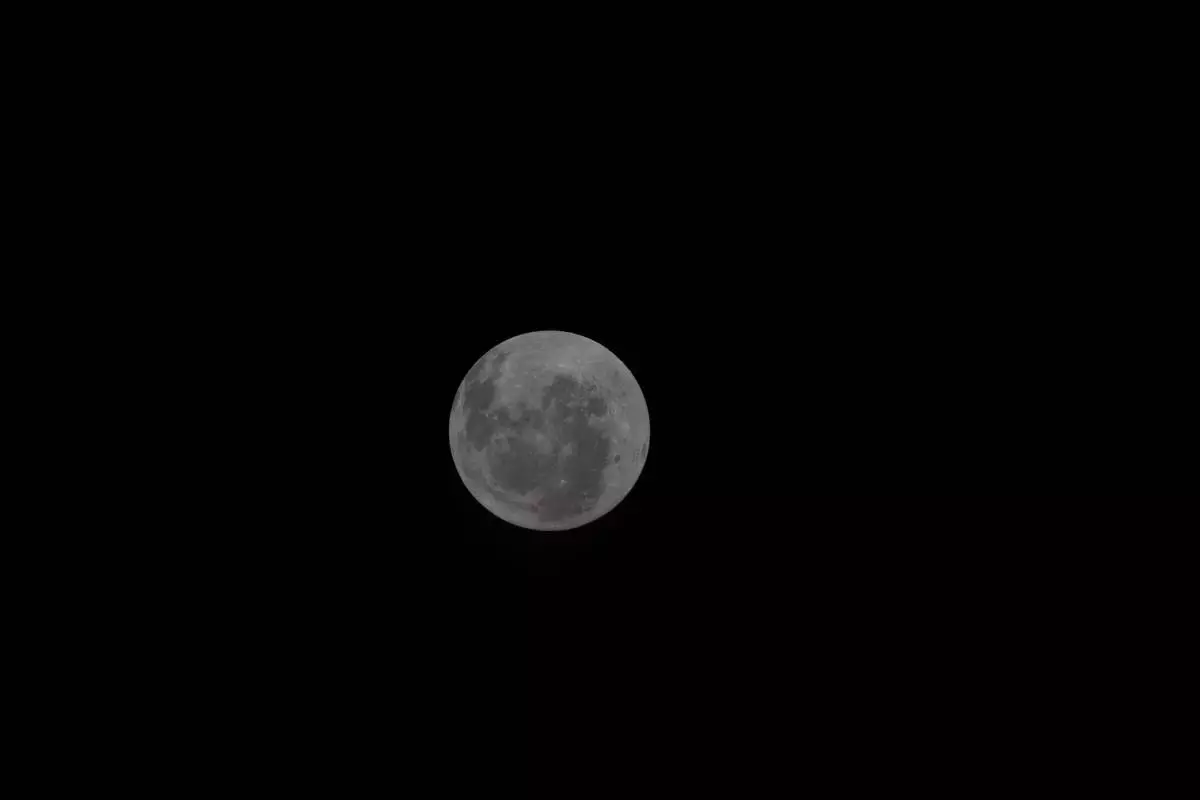
This image provided by NASA shows the moon from a photo taken by The Artemis II crew on day 4 of their journey to the Moon on Saturday, April 4, 2026. (NASA via AP)
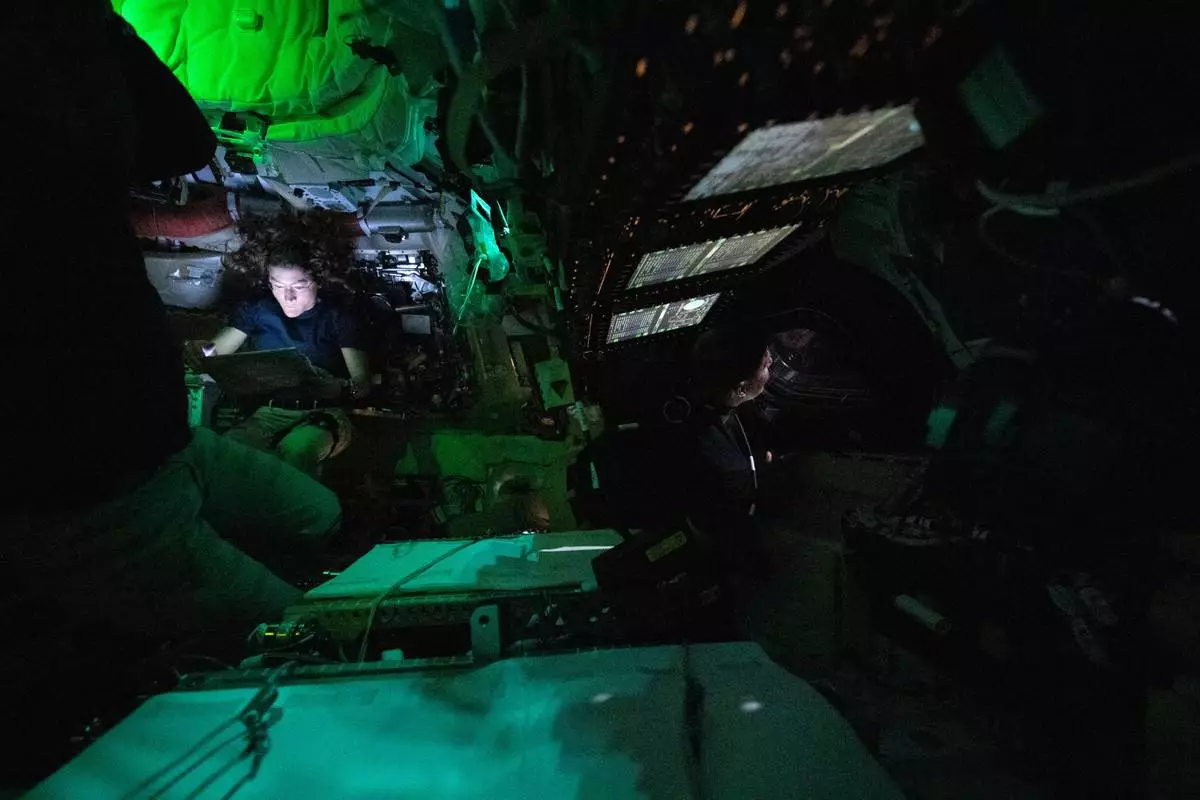
This image provided by NASA, astronaut Christina Koch is illuminated by a screen inside the darkened Orion spacecraft on the third day of the agency's Artemis II mission on Friday, April 3, 2026. (NASA via AP)
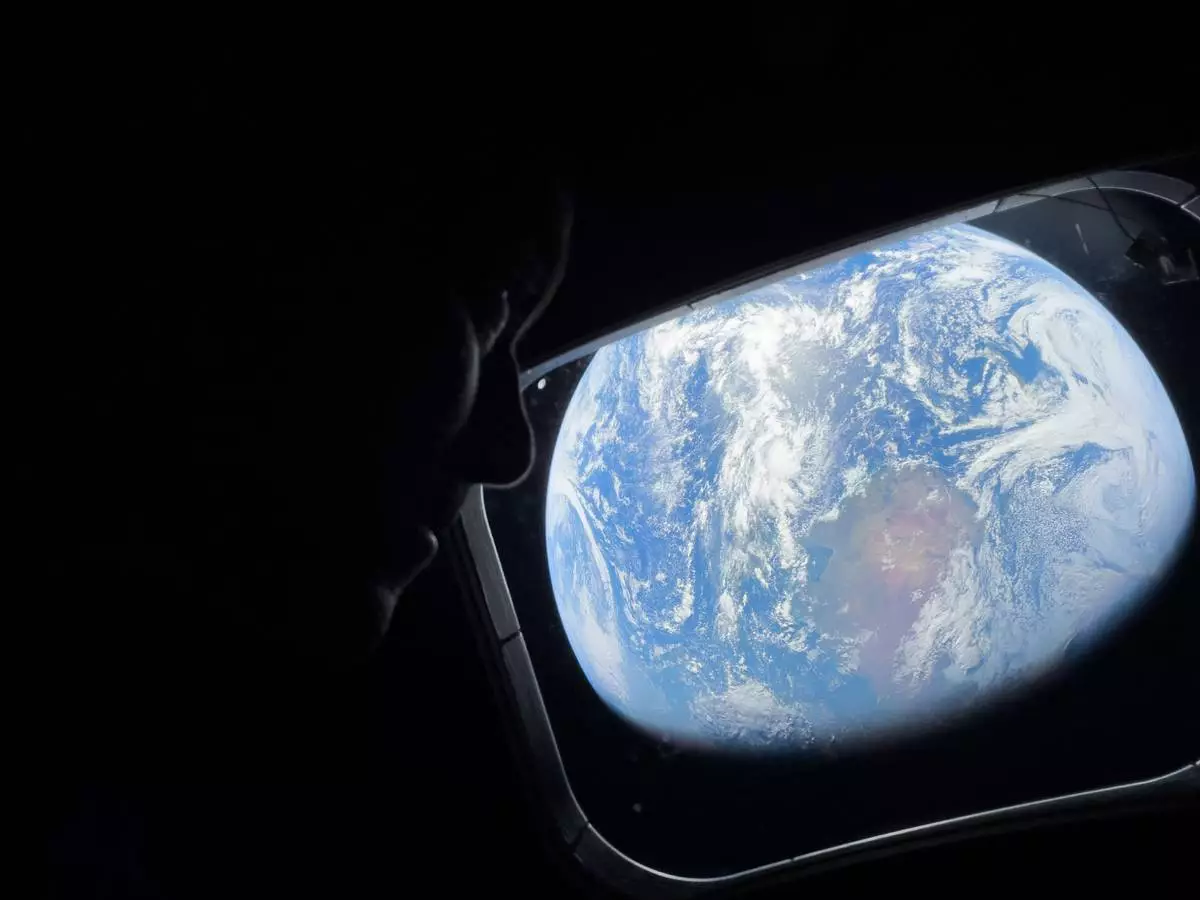
This image provided by NASA, astronaut and Artemis II Commander Reid Wiseman peers out of one of the Orion spacecraft's main cabin windows, looking back at Earth, as the crew travels towards the Moon on Thursday, April 2, 2026. (NASA via AP)
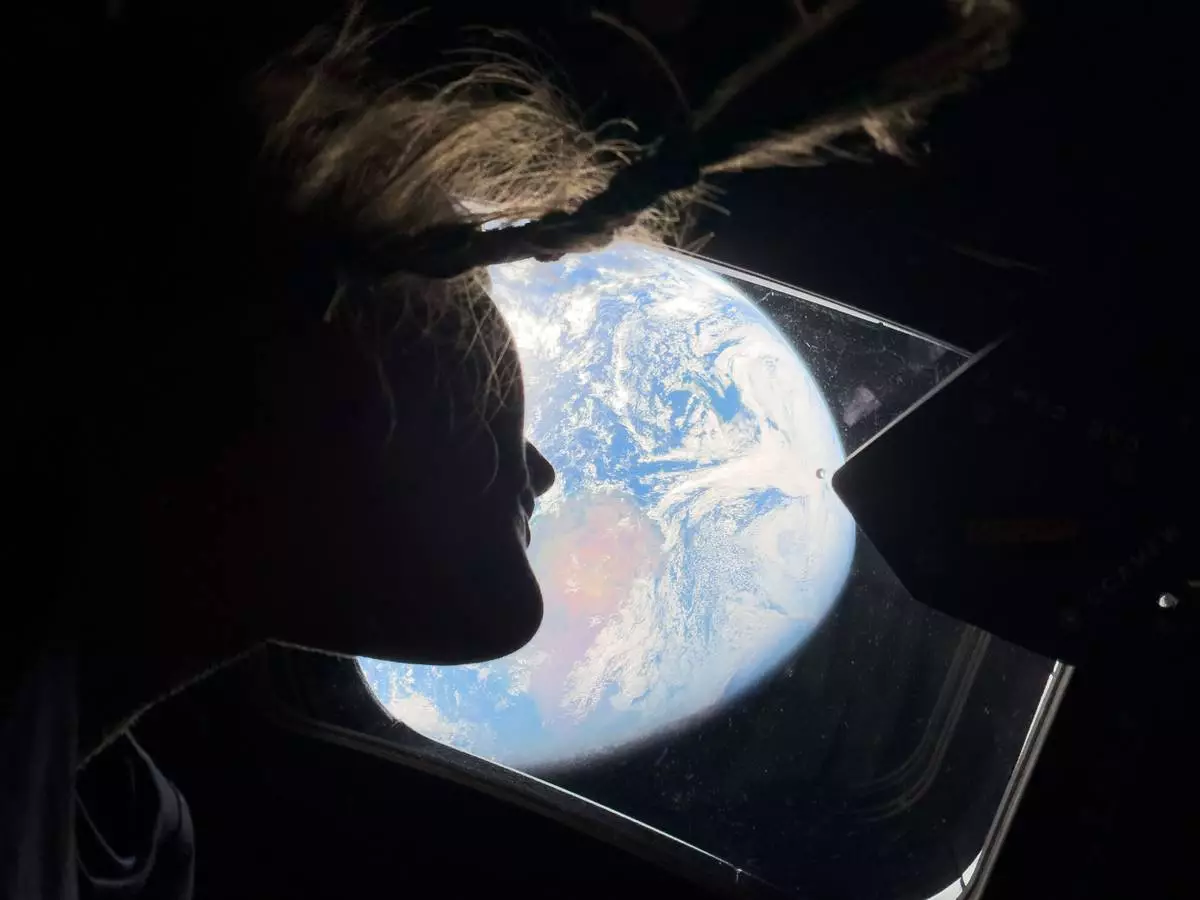
This image provided by NASA, astronaut and Artemis II mission specialist Christina Koch peers out of one of the Orion spacecraft's main cabin windows, looking back at Earth, as the crew travels towards the Moon on Thursday, April 2, 2026. (NASA via AP)
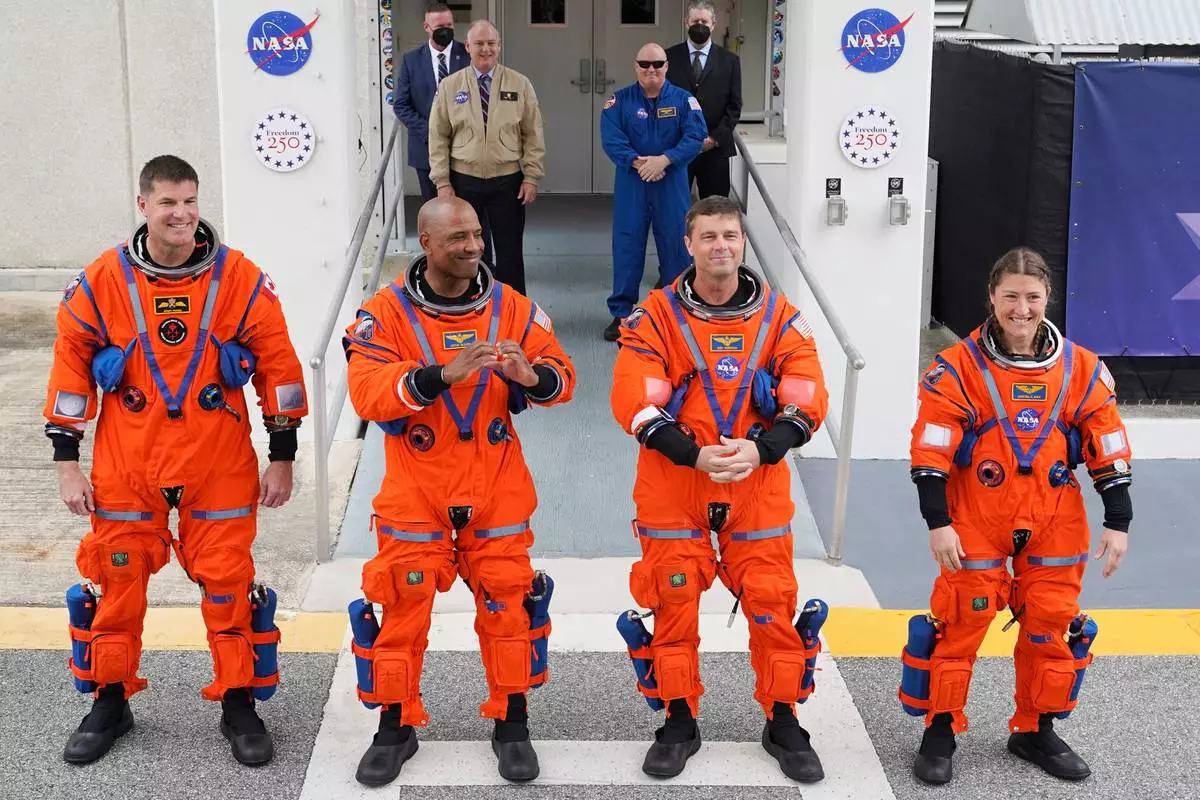
Astronauts, from left, Canadian Space Agency astronaut Jeremy Hansen, pilot Victor Glover, commander Reid Wiseman and mission specialist, Christina Koch leave the Operations and Checkout building on their way to Launch Pad 39B for a planned liftoff on NASA's Artemis II moon rocket at the Kennedy Space Center, Wednesday, April 1, 2026, in Cape Canaveral, Fla. (AP Photo/John Raoux)
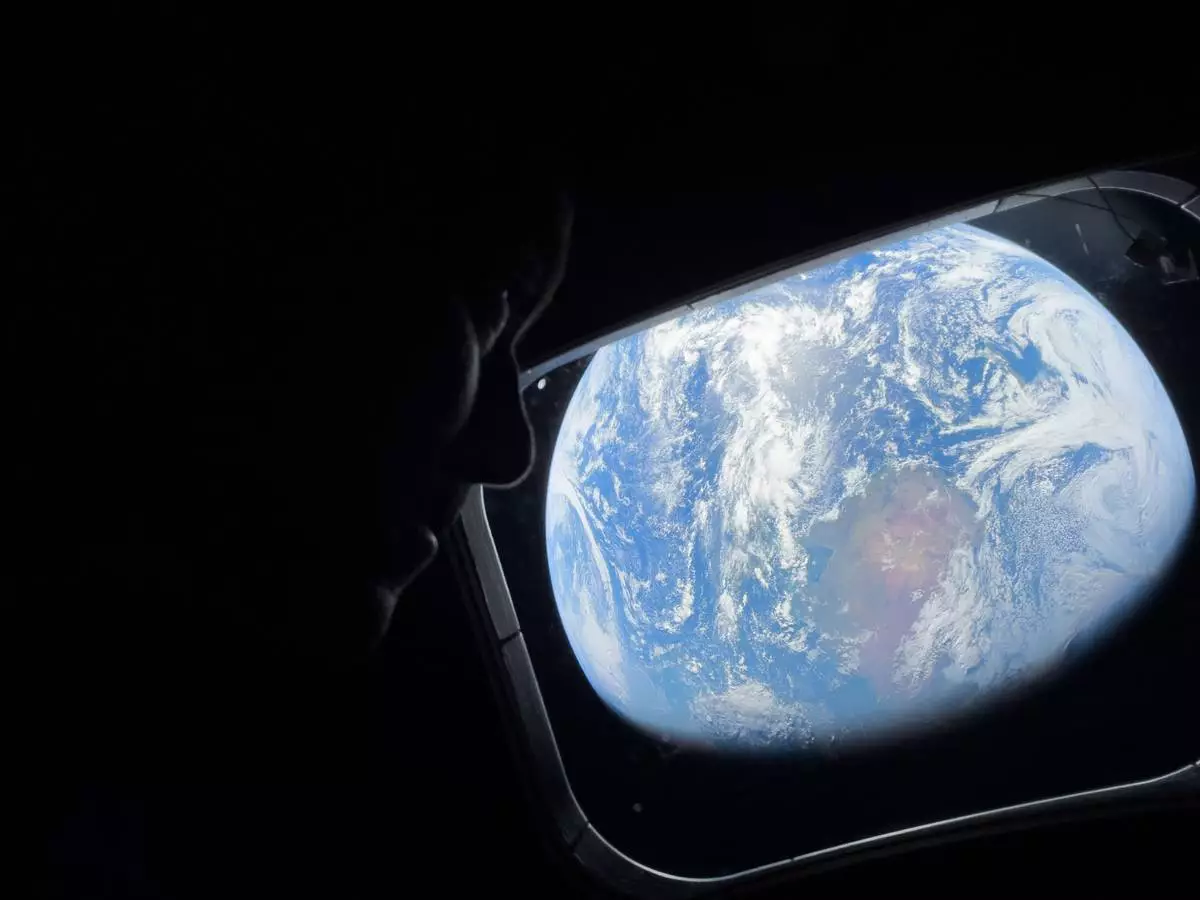
In this photo provided by NASA, Commander Reid Wiseman looks at the Earth from a window aboard the Orion spacecraft Integrity during the Artemis II mission en route to the moon on Thursday, April 2, 2026. (NASA via AP)
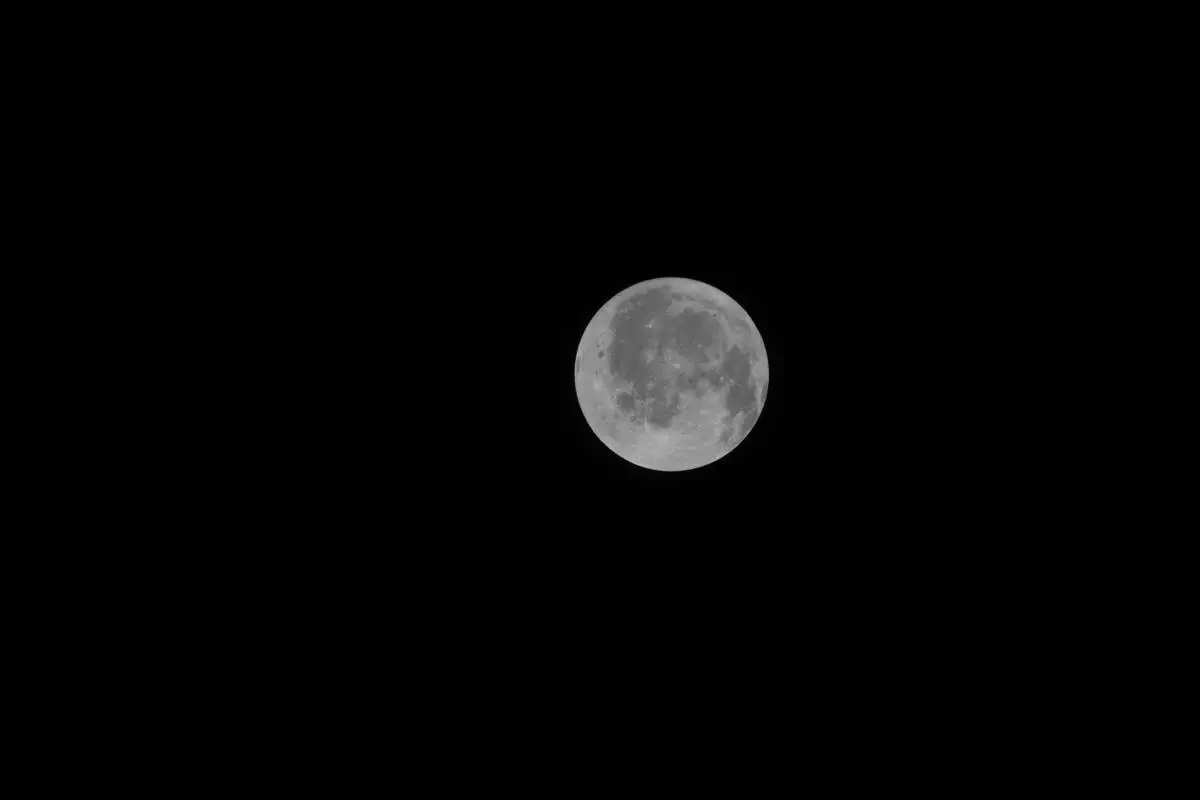
This photo provided by NASA shows the moon seen from a window on the Orion spacecraft Integrity during the Artemis II mission on Friday, April 3, 2026. (NASA via AP)