China is pressing ahead with the development of its "silver economy", industries and services tailored to the elderly, as the 15th Five-Year Plan (2026-2030) sets out measures to meet seniors' aspirations for a better life.
The silver economy refers to business opportunities linked to aging populations, ranging from healthcare and smart devices to leisure and financial services, and is increasingly viewed as a trillion‑yuan growth engine.
The plan highlights both social care and commercial potential, channeling innovation into products and services for older citizens.
In Shanghai's Putuo District, a senior-focused store illustrates the trend. Just three months after opening, it has become a popular destination for retirees. Shoppers browse AI-powered musical instruments, emotional companion robots, portable electric wheelchairs, and other tech-driven products designed to enhance daily living.
"Having this (portable wheelchair) has improved my quality of life greatly," said a customer at the store.
"Its design is novel and quite stylish. We also like to keep up with the younger generation's trends," said another customer.
For store owner Ma Zhiwen, the brisk demand for cutting-edge tech products is proof that seniors are no longer passive consumers but active drivers of China's silver economy, turning lifestyle upgrades into a trillion-yuan market force.
"Traditional seniors might have thought they were limited to wheelchairs and canes, but once they discovered riser recliners and high-quality electric beds which can even be fitted with smart mattresses, they immediately realized that a high quality of life is within reach," she said.
According to a report released by CCID Consulting in late February, the market size of China's silver economy is projected to reach 25 trillion yuan (more than 3.63 trillion U.S. dollars) by 2030.
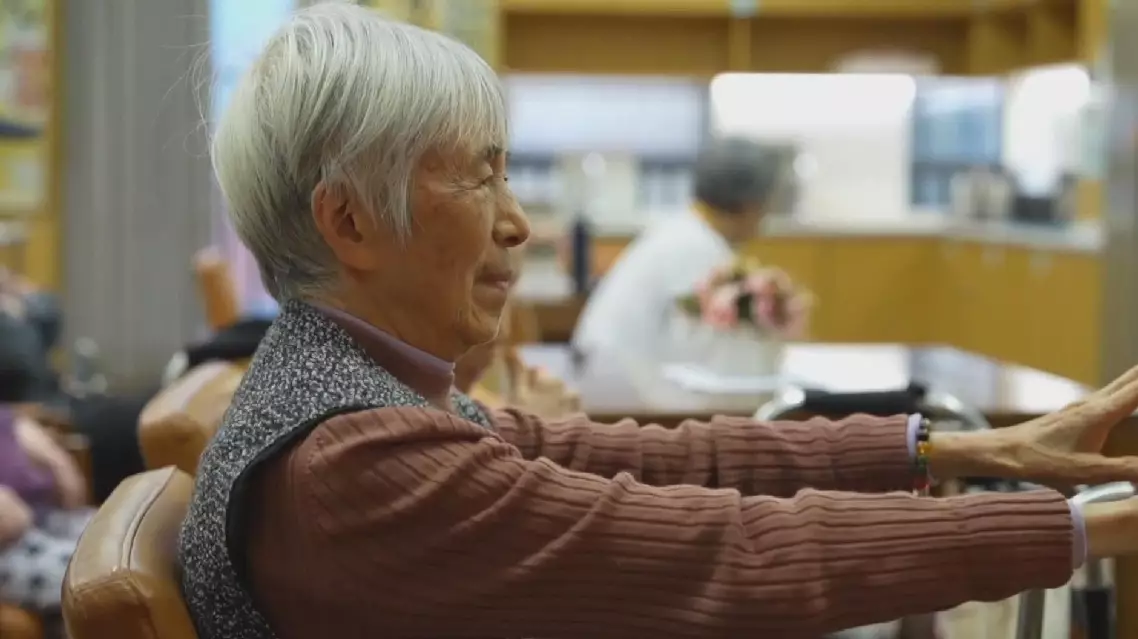
China drives silver economy to meet seniors' aspirations