Solly Mapaila, general secretary of the South African Communist Party (SACP), criticized some countries jeopardizing the international rule-based system with wars, violence and sanctions as he elaborated on challenges multilateralism faces and Global South cooperation in a recent interview with China Global Television Network (CGTN) in Beijing.
Mapaila called these countries' unilateral actions "disruptive" to international order.
"The changing nature of the strategic relations, if you like, the world balance of forces, that the capitalist world has practically devoured and are destroying international rule-based system. They are destroying international law. They arrogated to themselves the leaders of the world. They are trying to impose their ideas as universal ideas, and in the context of an emerging multipolar world largely and centered around China and to an extent as well the Russian Federation, they found it difficult to allow this to happen and they become disruptive. That's why they have launched wars, violence, sanctions, interference in countries' internal affairs, interference in security threats and everything else," he said.
Against uncertainties posed by unilateralism, Mapaila highlighted the importance for the Global South to show solidarity like they have at the Bandung Conference in Indonesia and the Tricontinental Conference in Cuba.
"Now, the Global South has a necessity to relive the moment of Bandung in which the South came together to struggle and to consolidate their solidarity against colonialism. This conference took place in Indonesia, and later on the Tricontinental Conference that took place in Cuba, which we are celebrating [the 60th anniversary now], in 1966, where Africa, Asia and Middle East, Latin America came together to discuss the challenges of colonialism and how to come out and support one another so that solidarity is important today," he said.
Mapaila led a delegation of South African politicians to visit China in March, where the two sides discussed deepening ties and exchanged views on international and regional issues of common interest.
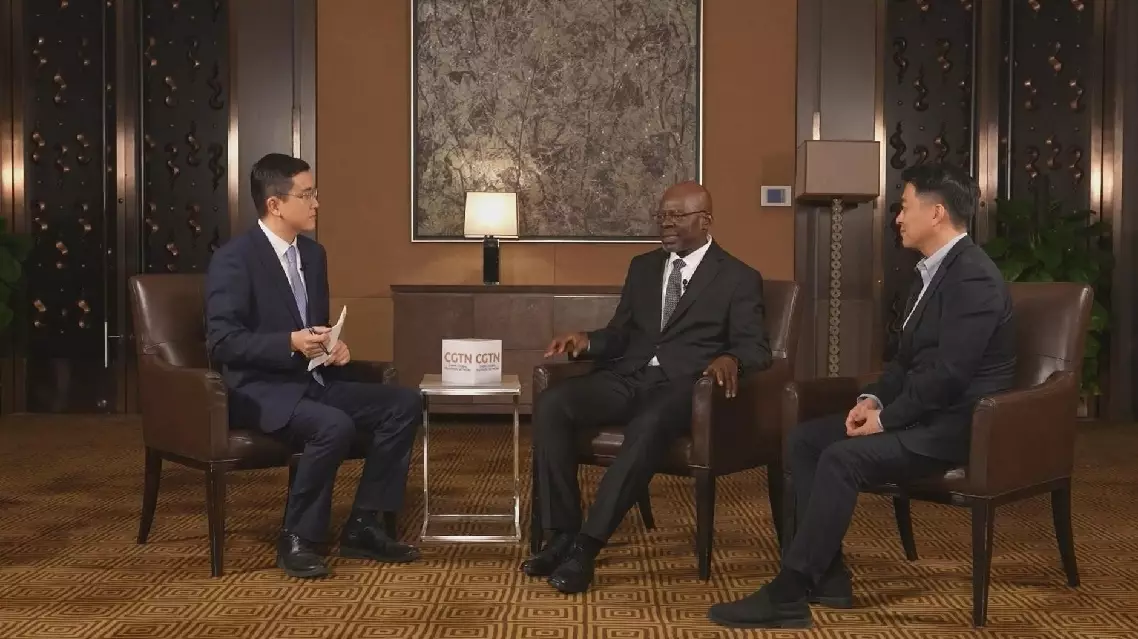
Wars, sanctions destroying international law: SACP general secretary
Once the backbone of the island economy and the world's largest sugar exporter in 1989, Cuba's sugar industry has plummeted, forcing the nation to import sugar to meet its domestic needs.
For years, vast sugar cane plantations provided Cuba with significant benefits, including sugar itself and by-products such as alcohol for rum distilleries and biotech industries, molasses for animal feed, and fibers (bagasse) used in paper and foodservice packaging. Sugar mills also burned bagasse to generate electricity.
But in the early 1990s Cuba's sugar industry went into steep decline.
"This country used to export over six million tons of sugar. But the sugar industry consumes lots of raw material, like steel, fuels, and others, so its production costs are very high, and by the 1990s, sugar prices at the world market began to fall, and the industry became unsustainable by 2002. The decision was to shut down a large number of sugar factories," said Omar Everleny, a Cuban economist.
This deactivation in 2002, which saw 71 out of over 150 sugar mills closed, had profound economic and social impacts. Hundreds of workers were relocated to other agricultural activities, vast tracts of land and machinery lay idle, and the active life in communities surrounding the mills faded away.
Cubans consume approximately 700,000 metric tons of sugar annually. With production plunging to less than 200,000 tons in 2025, the country has been compelled to import sugar from nations like Brazil, Colombia, Spain, the United States, and Chile to satisfy domestic demand.
Over the past years, the Cuban government has taken steps to revive its national sugar industry, a goal considered viable by experts.
"In a country, where you find vast experience in the sugar industry, many mechanical engineers and other professionals in the field, you have what you need to recover this national industry. I would not dare say that sugar production would again reach historically large outputs, but at least 4 to 5 million tons of sugar a year. There is interest in recovering the industry, but it requires foreign investment," said Everleny.
Recently, Cuba's National Innovation Council proposed a comprehensive plan to revitalize the sugar industry. This initiative aims to boost the production of sugar and sugarcane byproducts, with the dual objectives of generating export revenues and stimulating the country's struggling economy.
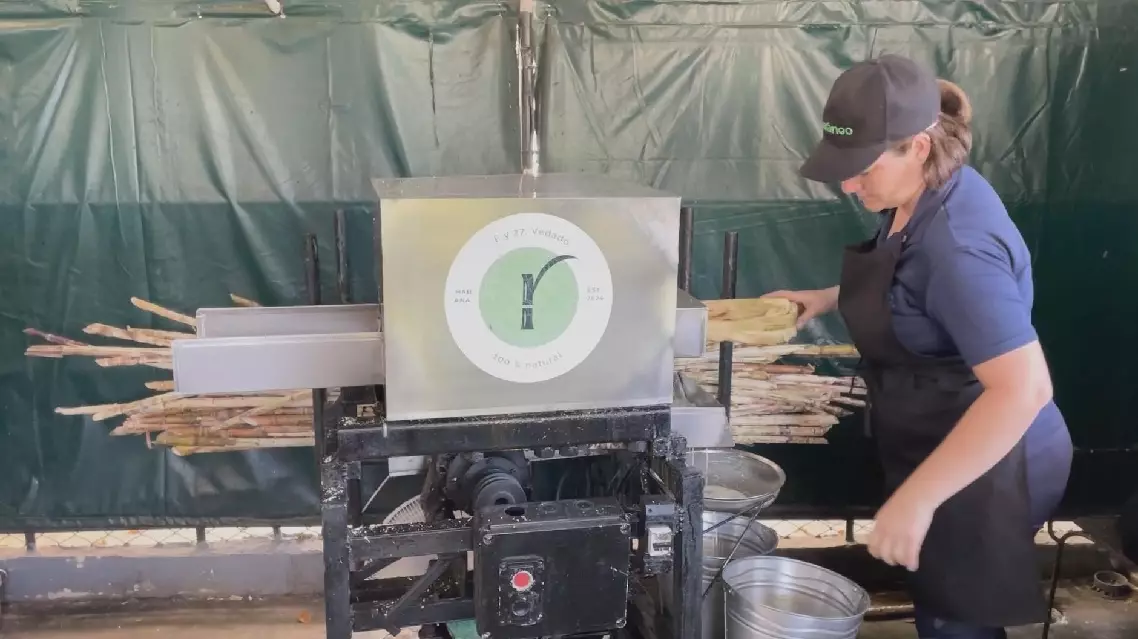
Cuba's sugar industry collapses from global giant to importer