U.S. President Donald Trump's war rhetoric regarding Iran amounts to direct incitement to terrorism, according to a letter sent by Amir Saeid Iravani, Iran's permanent representative to the United Nations, to UN Secretary-General Antonio Guterres, the Iranian media reported early on Tuesday.
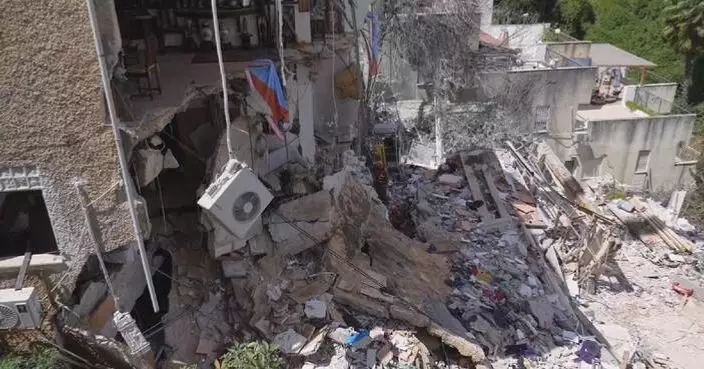
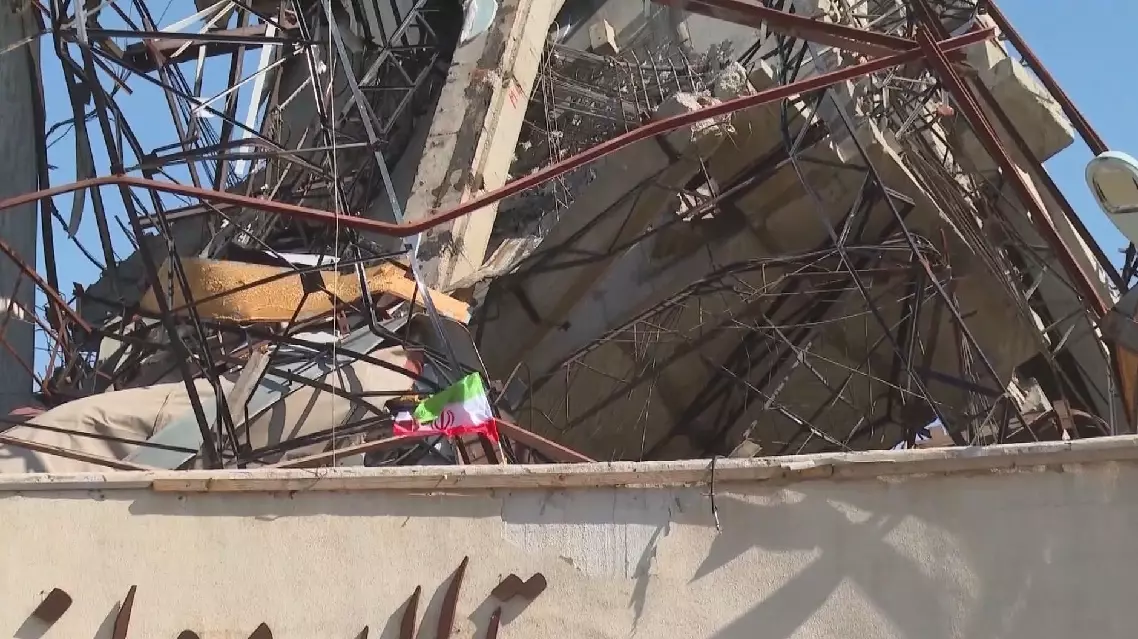
On April 1, the U.S. airstrikes targeted the Karaj-Tehran B1 Bridge, a major civilian transportation artery connecting Tehran to its western suburbs. It was followed by strikes on the Mahshahr Petrochemical Special Economic Zone in Khuzestan -- a hub of Iran's industrial and energy infrastructure employing a large civilian workforce on April 4. On the same day, a cement factory in Bandar Khamir, Hormozgan Province, a critical civilian industrial facility essential to the livelihoods of local communities was also bombed, said the letter.
These attacks were accompanied by "repeated, explicit and public threats" made by the president of the United States, said the letter.
On April 1, Trump threatened to "bring Iran back to the Stone Age" and to strike "each and every one of their electric generating plants ... very hard and probably simultaneously". These statements followed earlier threats on March 30 to "blow up and completely obliterate" Iran's critical infrastructure, including power plants, oil facilities, Kharg Island and desalination installations, as well as statements on March 21 threatening to "hit and obliterate" Iran's power plants, according to the letter. Iravani said in the letter that the explicit, deliberate and systematic targeting of civilians and civilian objects, as well as the destruction of infrastructure essential to the survival of the civilian population -- including electricity, water and energy systems -- constitutes a war crime and a blatant act of state terrorism, intended to terrorize and severely harm civilians.
Trump's war rhetoric could incite terrorism: Iranian envoy