Indonesia's new law restricting children under 16 from accessing social media and other popular online platforms, which went into effect on March 28, has received mixed reactions among the public.
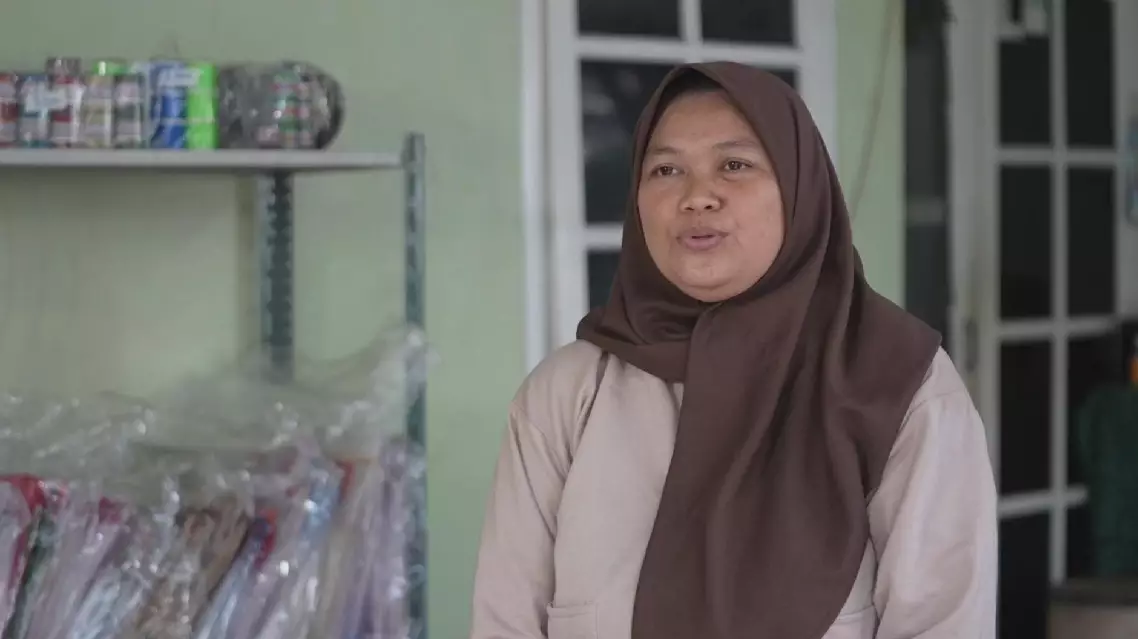
Many Indonesians have praised the ban as a good law, expecting it to effectively protect their children from harmful online content. "I think it's important to protect the children, especially at this age. Maybe the government would like to protect the children from being exposed to bad content. So the government is trying to re-examine the content for children," said Siti Romlah, a housewife.
"I know it's viral news. I think it's good. Because with the current situation, it's time for the government to do something about it," said Vita, also a housewife.
"I think it's good to restrict social media for kids under 16 years old, to limit the content that is not good for the age group," said Andre, a private sector employee.
However, jounarlist Amadeus Syailendratama held a different view, believing that the government should focus more on education rather than prohibition.
"I know about the rules. In my opinion, this is a mandatory rule from the government.However, it seems to run away from the main problem. What is difficult is to educate them. And in my opinion, the government should be more focused on education rather than prohibition," he said.
Despite different views on the law, the interviewees are all worried that their children would be addicted to the internet and exposed to bad content, so they have taken some actions.
"I worry about children spending too much time online without knowing how to filter what they watch. To manage this, I limit their screen time by cutting the Wi-Fi at night so they can maintain a proper sleep schedule. What's bad about social media is the foul language and inappropriate content," said Romlah.
"But if it is displayed with bad content, parents are really worried," said Vita.
"At the moment, for my children, I have limited access to social media. For the age of 15 years and below, we have limited access to prevent them from seeing pornography, or gambling sites," said Andre.
"Of course, as parents, we are worried about the duration of the use of gadgets and the use of the internet and social media. We are worried that our children will be exposed to content that is not suitable for their age and so on. But for me, the most important thing is how we, as parents, make or enforce the rules at home about how our children face the social world and the internet in this matter. In the future, our children will be much more dependent on the internet and social media. In this matter, I believe that rather than prohibiting, it is better for us to provide our children with sufficient knowledge in facing the world," said Syailendratama.
Indonesians give mixed reactions toward social media ban for children under 16