China has delivered a significant batch of emergency humanitarian aid to Iran, consisting of 58 tonnes of urgently needed medical supplies, as Iran grapples with the consequences of the recent conflict with the United States and Israel.
The aid was formally handed over on Wednesday during a signing ceremony in Tehran between the Chinese Embassy in Iran and the Iranian Red Crescent Society. Chinese Ambassador to Iran Cong Peiwu and President of the Iranian Red Crescent Society Pir Hossein Kolivand attended the event.
Cong said that China has always been concerned about the Iranian people and will continue to work with the international community to promote the early restoration of peace and stability in the Middle East.
"This aid package, totaling 58 tonnes, consists entirely of medicines. The recent war launched by the United States and Israel has caused a major humanitarian disaster for Iran, and medicine is in urgent need. Through this assistance, we hope to demonstrate the deep friendship of the Chinese people toward the Iranian people and help them overcome these hardships as soon as possible," said Cong.
Kolivand expressed sincere gratitude to China for extending a helping hand during difficult times and for providing valuable support to Iran on various occasions.
"In addition to China's support for the Iranian government, China's humanitarian aid has also been delivered to Iran. This assistance reflects China's care and compassion for our country and people. We extend our heartfelt gratitude, with special appreciation for the delivery of nearly 60 tonnes of medicine from China," he said.
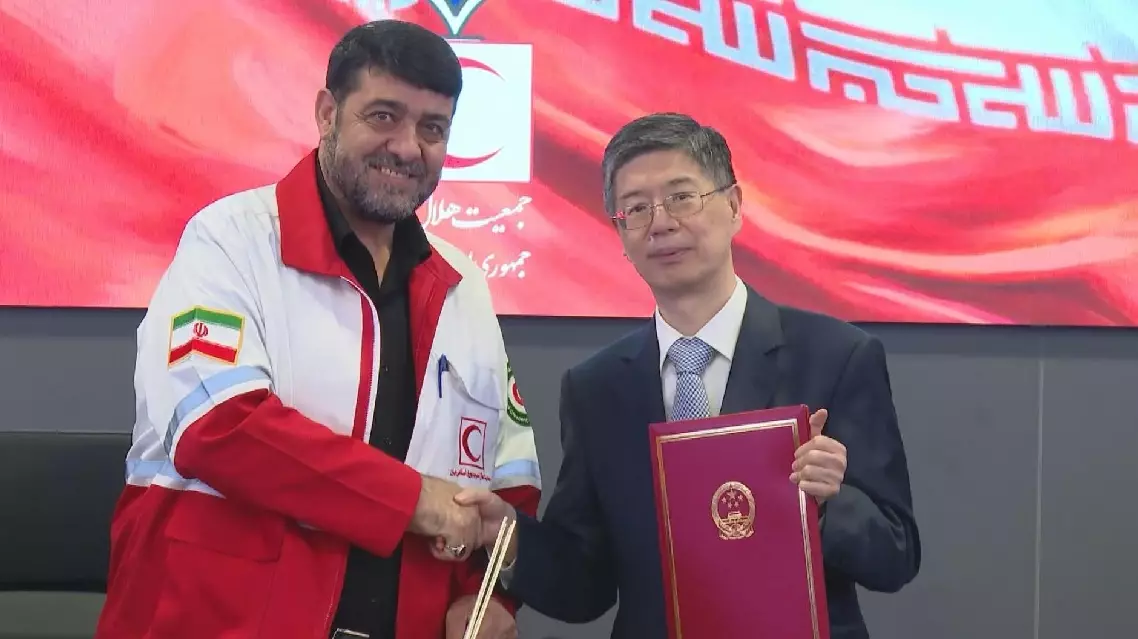
China provides emergency humanitarian aid to Iran
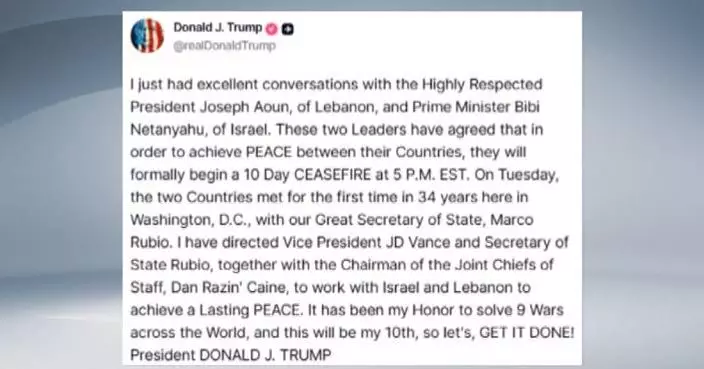
A 10-day ceasefire between Israel and Lebanon took effect at midnight between Thursday and Friday local time (2100 GMT), following an earlier announcement by U.S. President Donald Trump.
The truce aims to end more than a month of deadly escalation between Israel and Hezbollah, which has claimed over 2,000 lives.
In a statement, Israel's military said that it struck more than 380 Hezbollah targets in southern Lebanon over the past day, including militants, launchers and headquarters.
Israel's rescue service Magen David Adom claimed that Hezbollah launched rockets into Israel during the final hours before the ceasefire went into effect, resulting in three injuries.
Israeli Prime Minister Benjamin Netanyahu said in a videotaped statement that Israel will maintain a 10-km security zone in southern Lebanon during the ceasefire period.
He cited security needs, rejected withdrawal, and highlighted a historic opportunity for peace between Israel and Lebanon, alongside a demand to disarm Hezbollah.
In a statement on Thursday, Lebanese Prime Minister Nawaf Salam expressed gratitude for all regional and international efforts that contributed to reaching this outcome, adding that the ceasefire was a pivotal Lebanese demand "since the first day of the war."
On the same day, Hezbollah said that the presence of Israeli forces on Lebanese territory would grant Lebanon and its people the "right to resist," stressing that any ceasefire deal must not allow Israel to move freely within Lebanon.
Iranian Foreign Ministry spokesman Esmaeil Baghaei also welcomed the truce on Thursday, noting that it is part of the Pakistan-mediated two-week ceasefire deal between Iran and the United States to stop the war, according to official news agency IRNA.
A previous ceasefire in Lebanon, which had been in place since November 2024, was characterized by near-daily Israeli strikes in the country. The fragile truce collapsed on March 2, when Hezbollah launched rockets toward Israel in support of Iran, triggering intensified Israeli airstrikes across Lebanon。
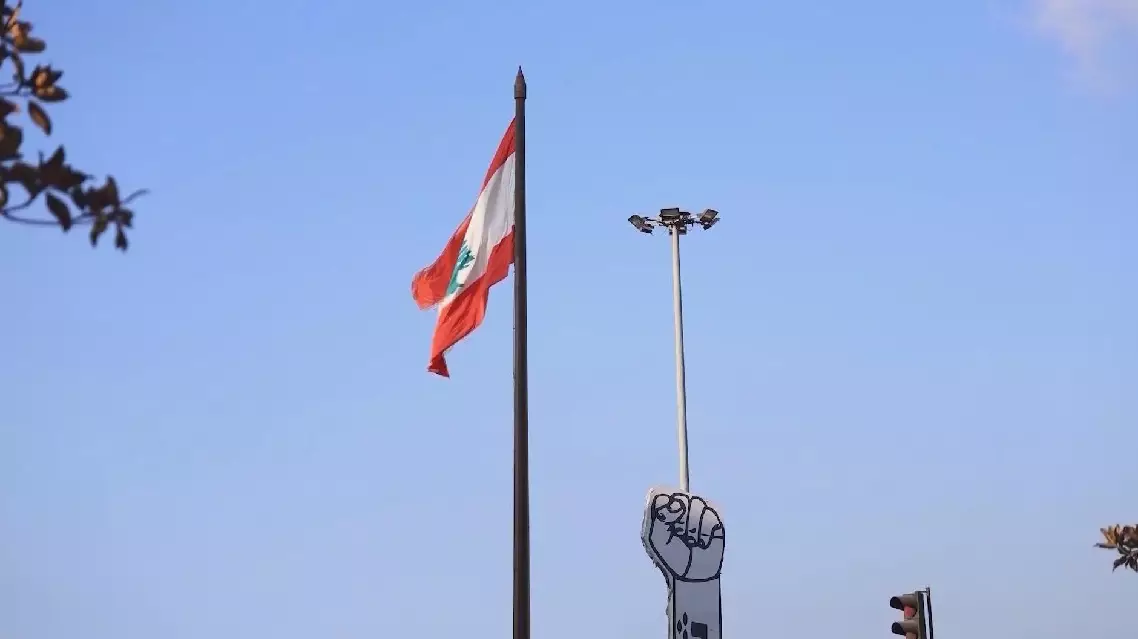
10-day ceasefire between Israel, Lebanon goes into effect