EL SEGUNDO, Calif.--(BUSINESS WIRE)--Apr 7, 2026--
Mattel, Inc. (NASDAQ: MAT), a leading global play and family entertainment company and owner of one of the most iconic brand portfolios in the world, today announced that Steve Totzke, President and Chief Commercial Officer, will step down from his role effective May 1, 2026. Sanjay Luthra, Executive Vice President and Managing Director of EMEA and Global Direct-to-Consumer, has been appointed to succeed Totzke as Chief Commercial Officer, overseeing Mattel’s global sales and commercial operations. Totzke will continue as an Executive Advisor and President, Strategic Transition, through December 31, 2026, to ensure a smooth transition. Luthra will report to Mattel Chairman and CEO Ynon Kreiz.
This press release features multimedia. View the full release here: https://www.businesswire.com/news/home/20260407304875/en/
Kreiz said: “Steve has built a world-class commercial organization, deepened our relationships with retail partners, and expanded our global reach while developing countless team members at Mattel. Sanjay is a Mattel veteran who has steered EMEA’s transformation to achieve record sales and growth during his tenure, and expanded Mattel’s leadership across the region in key categories. On behalf of our Board and everyone at Mattel, we thank Steve for his passion and many contributions, and I am personally grateful for his years of partnership. We look forward to Sanjay’s impact in executing our brand-centric strategy to grow our IP-driven play and family entertainment business.”
Under Totzke’s leadership, Mattel has expanded its reach through an all-channel growth strategy in collaboration with major retail partners, advanced its e-commerce and direct-to-consumer capabilities, while evolving a digital-first demand creation approach. Since joining Mattel in 1996, he has held several senior management positions, culminating in his appointment to Chief Commercial Officer in 2018 and promotion to President in 2022. A dedicated champion of the toy industry, philanthropy, and mentorship, Totzke has served on the Board of Directors of the Toy Association, the Mattel Children’s Foundation, and the Advisory Board for the Women in Toys, Licensing, and Entertainment Association. Totzke was inducted into the Canadian Toy Association Hall of Fame in 2025.
Totzke said: “It has been the privilege of a lifetime to be part of Mattel and an industry I have called home for the past 30 years. The pride in what our commercial organization has created with our global partners is matched only by the impact we make on the lives of children and families around the world with our products and experiences. I am pleased to pass the baton to the very capable hands of my partner and friend, Sanjay, and the entire commercial leadership team, and I look forward to seeing Mattel continue to shine.”
Luthra has transformed the company’s EMEA operations, implemented new commercial and digital capabilities, advanced omni-channel selling, and created demand in an increasingly complex environment. Luthra has also led Mattel’s global strategy across direct-to-consumer and the adult collector market. He has served as Chairman of the Board of Toy Industries of Europe for the past seven years in recognition of his experience and industry leadership. He joined Mattel India in 2003, followed by leadership roles in Eastern Europe and Canada, before leading the EMEA and global DTC business. He will be based at Mattel’s headquarters in El Segundo, California.
Luthra added: “I have been honored and humbled to be part of this iconic company for the past two decades and across three continents and six countries. I am grateful for the opportunity to lead Mattel’s commercial organization into the future. With Mattel’s incredible portfolio of brands, deep partnerships, and a talented team, we are well positioned to lead the industry in growth, innovation, and impact.”
Forward-Looking Statements
This press release contains a number of forward-looking statements within the meaning of the Private Securities Litigation Reform Act of 1995. Forward-looking statements can be identified by the fact that they do not relate strictly to historical or current facts or by their nature are uncertain, and include statements regarding Mattel’s plans for future periods and other future events. The use of words such as “anticipates,” “expects,” “intends,” “plans,” “projects,” “looks forward,” “confident that,” “believes,” and “targeted,” among others, generally identify forward-looking statements. These forward-looking statements are based on currently available operating, financial, economic, and other information and assumptions, and are subject to a number of significant risks and uncertainties. A variety of factors or combination of factors, many of which are beyond Mattel’s control, may cause actual results or outcomes, or the timing of those results or outcomes, to differ materially from those contained in any forward-looking statements. Specific factors that might cause such a difference include, but are not limited to: (i) Mattel's ability to design, develop, produce, manufacture, source, ship, and distribute products in a timely and cost-effective manner; (ii) sufficient interest in and demand for the products and entertainment Mattel offers by retail customers and consumers to profitably recover Mattel's costs; (iii) downturns in economic conditions affecting Mattel's markets which can negatively impact retail customers and consumers, and which can result in lower employment levels and lower consumer disposable income and spending, including lower spending on purchases of Mattel's products; (iv) other factors which can lower discretionary consumer spending, such as higher costs for fuel and food, drops in the value of homes or other consumer assets, and high levels of consumer debt; (v) potential difficulties or delays Mattel may experience in implementing cost savings and efficiency enhancing initiatives; (vi) other economic and public health conditions or regulatory changes in the markets in which Mattel and its customers and suppliers operate, which could create delays or increase Mattel's costs, such as higher commodity prices, labor costs, transportation costs, or outbreaks of disease; (vii) the effect of inflation on Mattel's business, including cost inflation in supply chain inputs and increased labor costs, as well as pricing actions taken in an effort to mitigate the effects of inflation; (viii) currency fluctuations, including movements in foreign exchange rates, which can lower Mattel's net revenues and earnings, and significantly impact Mattel's costs; (ix) the concentration of Mattel's customers, potentially increasing the negative impact to Mattel of difficulties experienced by any of Mattel's customers, such as bankruptcies or liquidations or a general lack of success, or changes in their purchasing or selling patterns; (x) the inventory policies of Mattel's retail customers, as well as the concentration of Mattel's revenues in the second half of the year, which coupled with reliance by retailers on quick response inventory management techniques, increases the risk of underproduction, overproduction, and shipping delays; (xi) legal, reputational, and financial risks related to security breaches or cyberattacks; (xii) work disruptions, including as a result of supply chain disruption such as plant or port closures, which may impact Mattel's ability to manufacture or deliver product in a timely and cost-effective manner; (xiii) the impact of competition on revenues, margins, and other aspects of Mattel's business, including the ability to offer products that consumers choose to buy instead of competitive products; (xiv) the ability to secure, maintain, and renew popular licenses from licensors of entertainment properties; (xv) the ability to successfully develop, publish and commercialize digital games; (xvi) the ability to attract and retain talented employees and adapt to evolving workplace models; (xvii) the risk of product recalls or product liability suits and costs associated with product safety regulations; (xviii) tariffs, trade restrictions, or trade barriers, which depending on the effective date and duration of such measures, changes in the amount, scope, and nature of such measures in the future, any countermeasures that the target countries may take, and any mitigating actions that may become available, could increase Mattel's product costs and other costs of doing business, and other changes in laws or regulations in the United States and/or in other major markets, such as China, in which Mattel operates, including, without limitation, with respect to taxes, trade policies, product safety, or sustainability, which may also increase Mattel's product costs and other costs of doing business, and in each case reduce Mattel's earnings and liquidity; (xix) business disruptions or other unforeseen impacts due to economic instability, political instability, civil unrest, armed hostilities, terrorist activities, natural and man-made disasters, pandemics or other public health crises, or other catastrophic events; (xx) failure to realize the planned benefits from any investments or acquisitions made by Mattel; (xxi) the impact of other market conditions or third-party actions or approvals, including those that result in any significant failure, inadequacy, or interruption from vendors or outsourcers, which could reduce demand for Mattel's products, delay or increase the cost of implementation of Mattel's programs, or alter Mattel's actions and reduce actual results; (xxii) changes in financing markets or the inability of Mattel to obtain financing on attractive terms; (xxiii) the impact of litigation, arbitration, or regulatory decisions or settlement actions; (xxiv) Mattel's ability to navigate regulatory frameworks in connection with new areas of investment, product development, or other business activities, such as artificial intelligence; (xxv) the potential impact of the development, use, and integration of artificial intelligence and machine learning technologies in Mattel's business and products; (xxvi) the sufficiency of additional controls and procedures that Mattel has implemented to remediate the material weakness in Mattel's internal control over financial reporting, additional material weaknesses or other deficiencies in the future, or the failure to maintain an effective system of internal control; and (xxvii) other risks and uncertainties as may be described in Mattel’s filings with the Securities and Exchange Commission, including the “Risk Factors” section of Mattel’s Annual Report on Form 10-K for the fiscal year ended December 31, 2025, and subsequent periodic filings, as well as in Mattel’s other public statements. Mattel does not update forward-looking statements and expressly disclaims any obligation to do so, except as required by law.
About Mattel
Mattel is a leading global play and family entertainment company and owner of one of the most iconic brand portfolios in the world. We engage consumers and fans through our franchise brands, including Barbie®, Hot Wheels®, Fisher-Price®, American Girl®, Thomas & Friends™, UNO®, Masters of the Universe®, Matchbox®, Monster High®, and Polly Pocket®, as well as other popular properties that we own or license in partnership with global entertainment companies. Our offerings include toys, content, consumer products, digital and live experiences. Our products are sold in collaboration with the world’s leading retail and ecommerce companies. Since its founding in 1945, Mattel is proud to be a trusted partner in empowering generations to explore the wonder of childhood and reach their full potential. Visit us at mattel.com.
MAT-FIN MAT-CORP
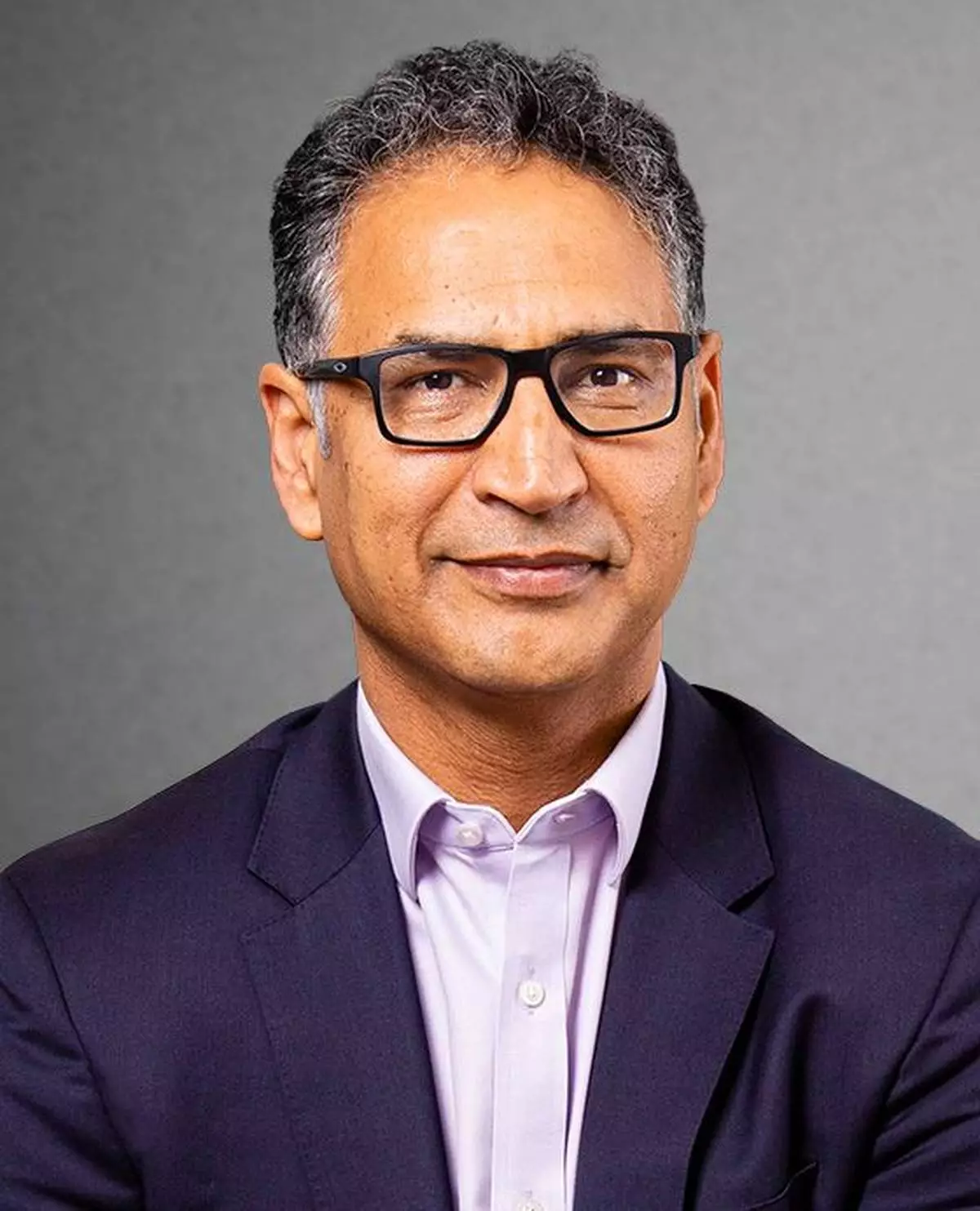
Sanjay Luthra
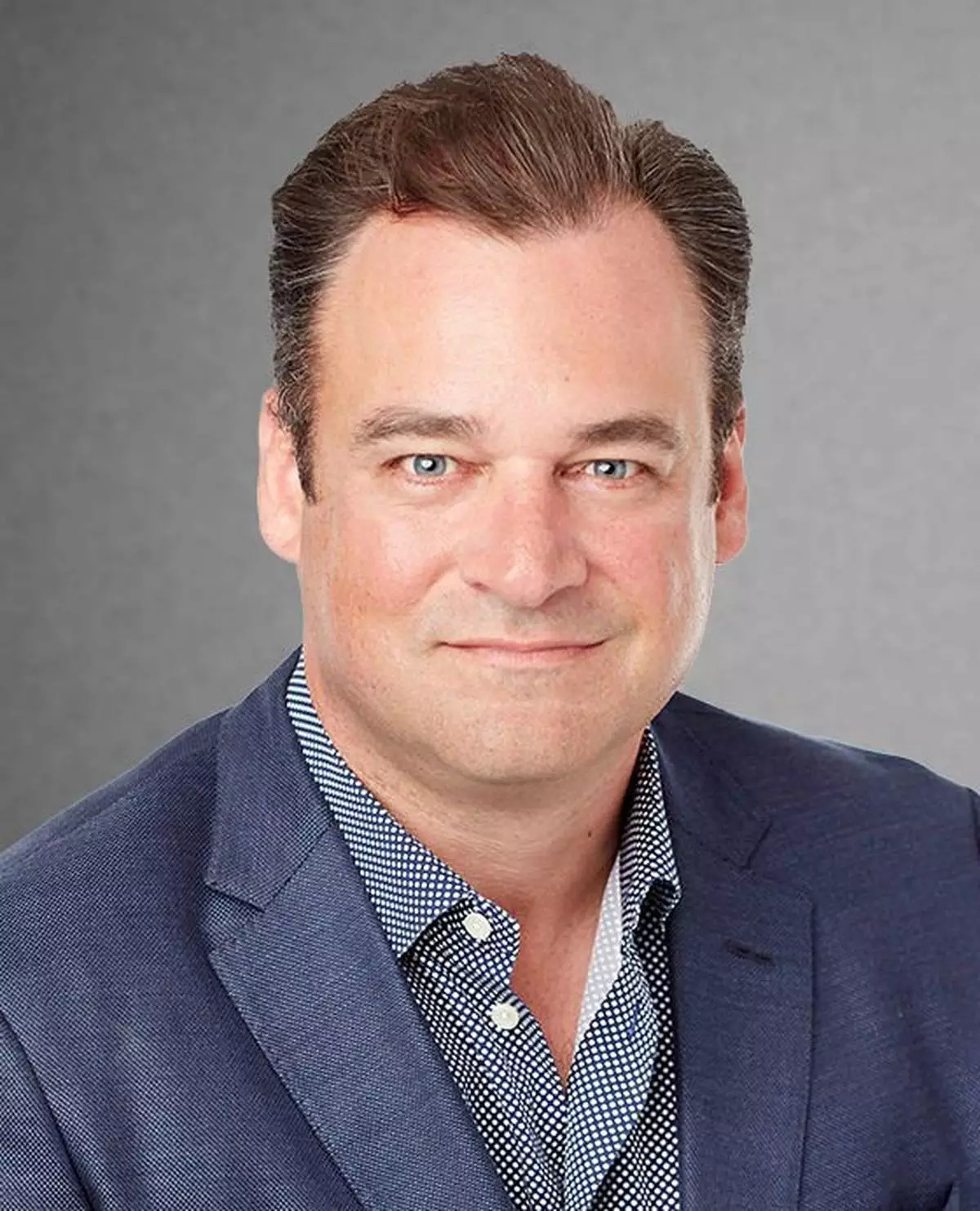
Steve Totzke