TEHRAN, Iran (AP) — Three times a week, Asghar Hashemi undergoes dialysis treatment at a hospital in northern Tehran. He fears that if power stations are knocked out, as U.S. President Donald Trump has threatened in escalating rhetoric, his life will be in danger.
Tehran residents rushed Tuesday to stock up on bottled water and charge cellphones, flashlights and portable power banks as the hours ticked down to Trump's latest ultimatum for a deal that includes Iran reopening the Strait of Hormuz or face attacks on power plants and bridges. Despite the threats and risks to his health, the 56-year-old employee at Tehran's subway authority said he's no worse off than other Iranians who've been living under attack for more than five weeks.
Click to Gallery
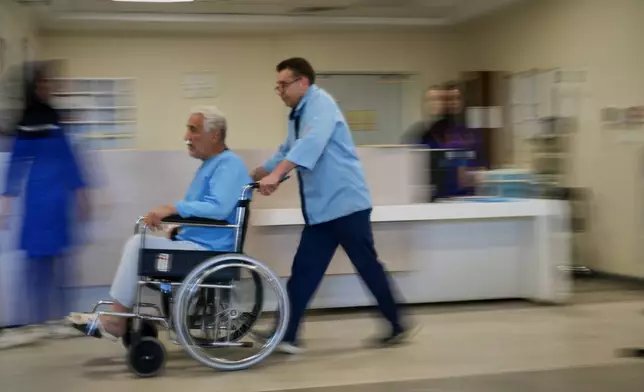
A patient in a wheelchair is pushed along a corridor at Shohadaye Tajrish Hospital in Tehran, Iran, Tuesday, April 7, 2026. (AP Photo/Francisco Seco)
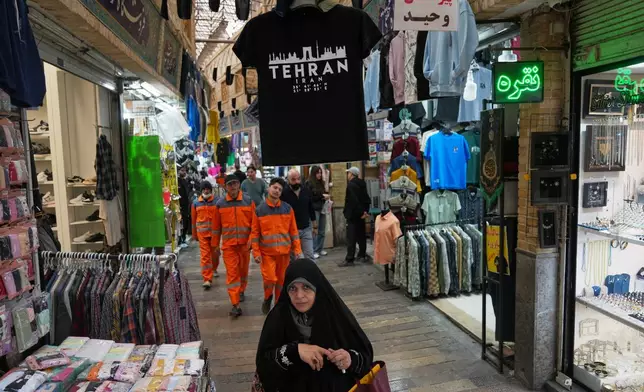
Pedestrians walk through Tajrish Bazaar in Tehran, Iran, Tuesday, April 7, 2026. (AP Photo/Francisco Seco)
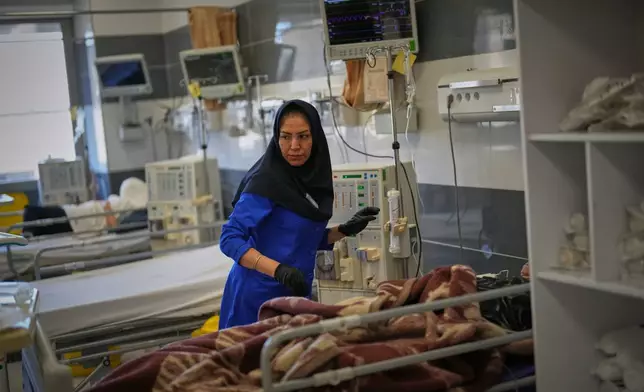
A nurse attends to a patient at Shohadaye Tajrish Hospital in Tehran, Iran, Tuesday, April 7, 2026. (AP Photo/Francisco Seco)
A woman carries her pet as she walks along a street market near Tajrish Bazaar in Tehran, Iran, Tuesday, April 7, 2026. (AP Photo/Francisco Seco)
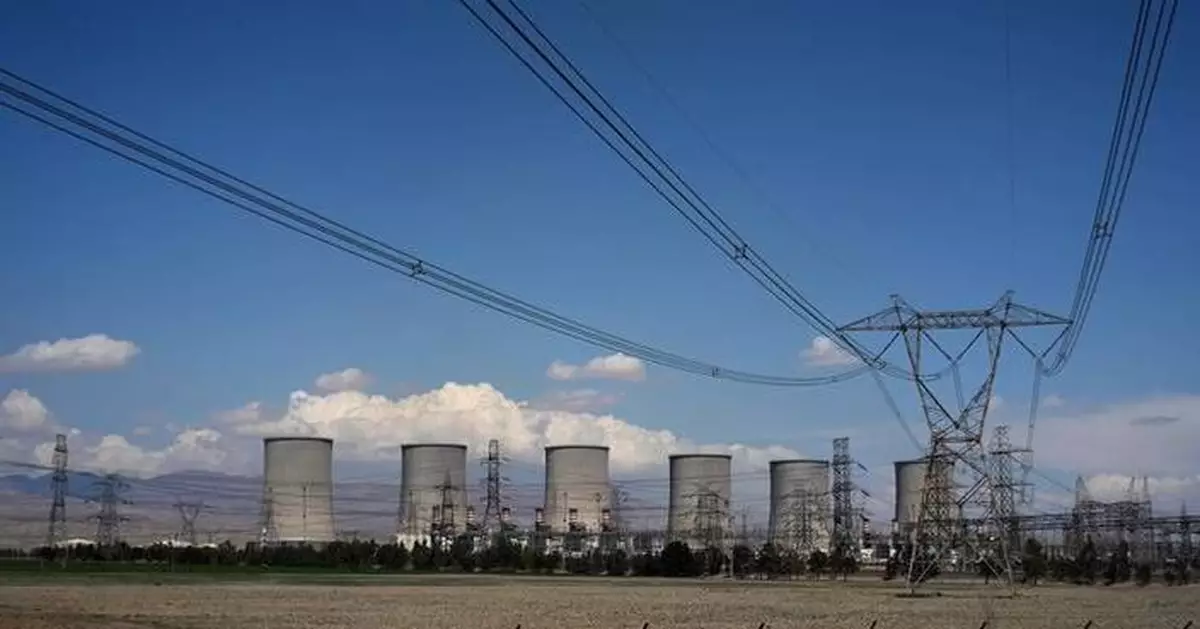
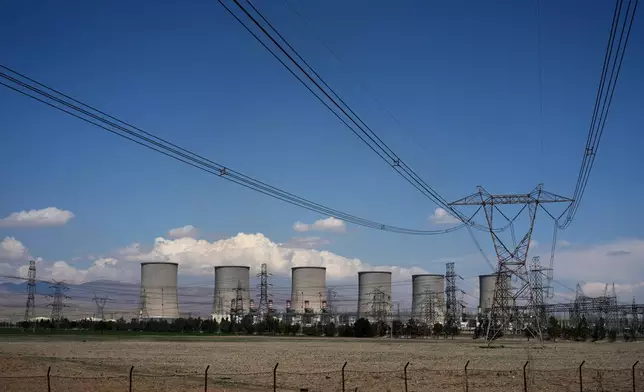
The Damavand power station is seen from a nearby road on the outskirts of Tehran, Iran, Tuesday, April 7, 2026. (AP Photo/Francisco Seco)
“I am worried, but I am more worried about my fellow citizens,” Hashemi said, lying on his bed at Tajrish Martyrs Hospital for the treatment. “Whatever happens, we will stand until the end.”
As Trump stressed that his deadline — 8 p.m. in Washington — was final, some Iranians said they were terrified. Others expressed resignation. And some, like Hashemi, said they'd be prepared to defend their country.
“I will be ready to pick up a gun and start a fight against the enemy,” he said.
The Associated Press has been granted permission by the Iranian government to send an additional team into the country for a brief reporting trip. AP already operates in Iran. The visiting team must be accompanied by a media assistant from a government-affiliated company. AP retains full editorial control of its content.
Tehran, like other parts of the country, has been shaken by almost daily airstrikes by the United States and Israel since Feb. 28. Iranians’ main concern quickly became electricity as Trump's deadline grew closer.
“When there is no electricity, there will be no water, no hygiene, nothing,” said Mahan Qayoumi, 23, who works at an artisan shop, where he said business would stop under a power outage. He brought emergency lights to his apartment to prepare, noting that “all aspects of life” would be affected.
A young designer in central Tehran, speaking on condition of anonymity for her safety, said her parents left at the beginning of the war, but she stayed behind to take care of her cat, Maya. Now, because of Trump's threats, she said she plans to drive north — which has largely been spared heavy strikes — with Maya and join her family.
“If there is no electricity, there is no water," she told AP on the messaging app Telegram, noting Tehran's low water pressure and electric water pumps. “You can’t cook, either.”
The streets of sprawling Tehran, overlooked by snow-capped mountains, have seen less traffic over the past several weeks, with many residents leaving to seek safer areas. Schools and many state institutions remain closed.
But even as some residents frantically prepared, stocking up on water and canned foods, life in one of north Tehran’s largest covered markets seemed almost normal Tuesday. People went on with business as usual, fresh bread was made at bakeries, and Iranian sweets such as gaz and sohan were prepared.
“We are living our normal lives," said Said Motazavi, 58, who owns a home appliances shop. Motazavi said Iranians have a lot of experience preparing for and living with conflict, referring to the 1980-88 Iraq-Iran war and the 12-day war with Israel last year.
At Tajrish Martyrs Hospital, the director told AP that a generator can keep much of the medical facility functioning if needed. He said the hospital has enough fuel to power it, as well as ample medicine and supplies for six months.
“I do not see any problem,” Dr. Masoud Moslemifard said, adding that the hospital has been prioritizing operations for those wounded in the war and postponing nonurgent surgeries.
In the streets of Tehran, security was tighter than usual Tuesday, with checkpoints in different parts of the capital. At major intersections, jeeps with heavy machine guns mounted on top were deployed.
Iran’s internet remains largely shut off, throttling news even as panic spread over Trump's warnings.
A 26-year-old Pilates instructor told AP on condition of anonymity for her safety via Telegram that she's been unable to prepare for possible attacks. She called this week the “worst atmosphere” since the war began.
“Honestly, we’ve kind of lost it at this point," she said, describing how she's not left home for the last few days and she and her family refuse to leave Tehran. "Whatever is going to happen, let it happen. We are dying bit by bit.”
One resident told AP that if the U.S. follows through on its threat, the people of Iran — not the government — will be the victims.
“By attacking infrastructure, the Islamic Republic will not be destroyed, only we will be destroyed,” the woman, a teacher in her 20s, told AP via a message on Telegram, on condition of anonymity for her safety.
She fears the attacks will spread chaos. “If we don’t have the internet," she said, "and if we don’t have electricity, water, and gas, we’re really going back to the Stone Age, as Trump said."
Associated Press reporters Amir-Hussein Radjy in Cairo and Sahar Ameri in Berlin contributed.
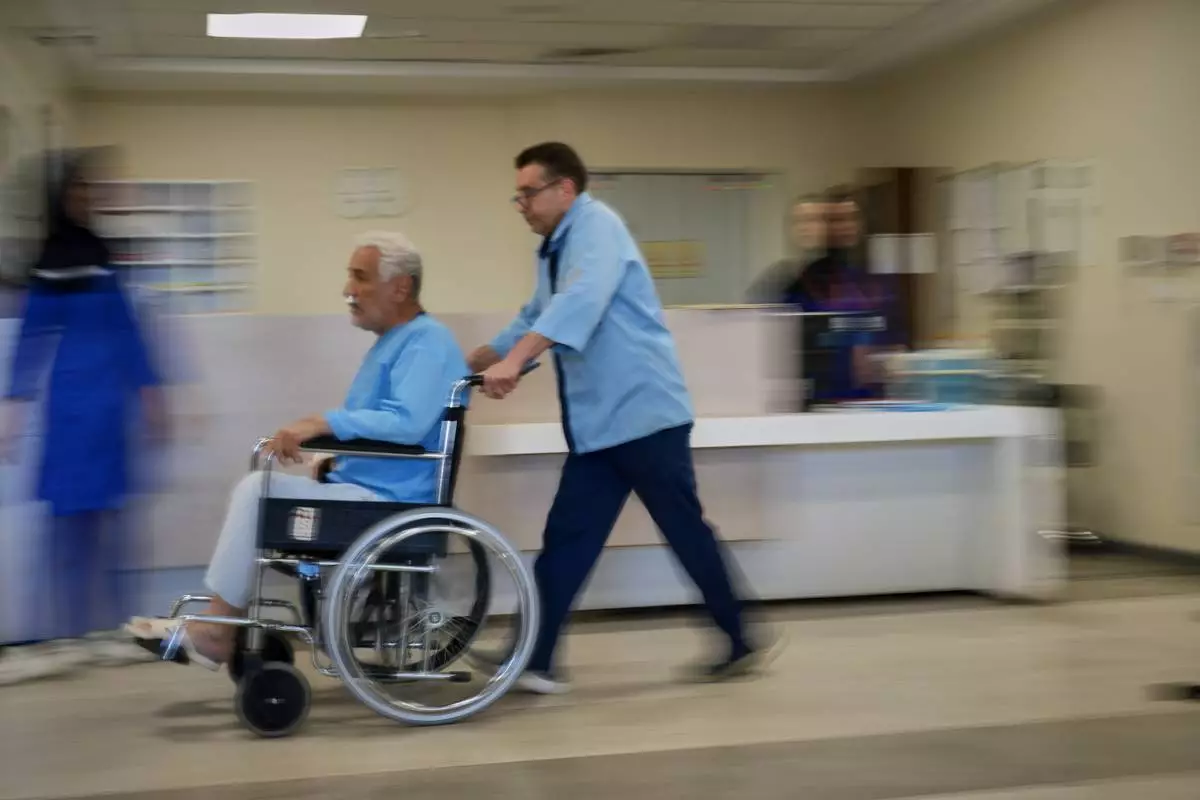
A patient in a wheelchair is pushed along a corridor at Shohadaye Tajrish Hospital in Tehran, Iran, Tuesday, April 7, 2026. (AP Photo/Francisco Seco)
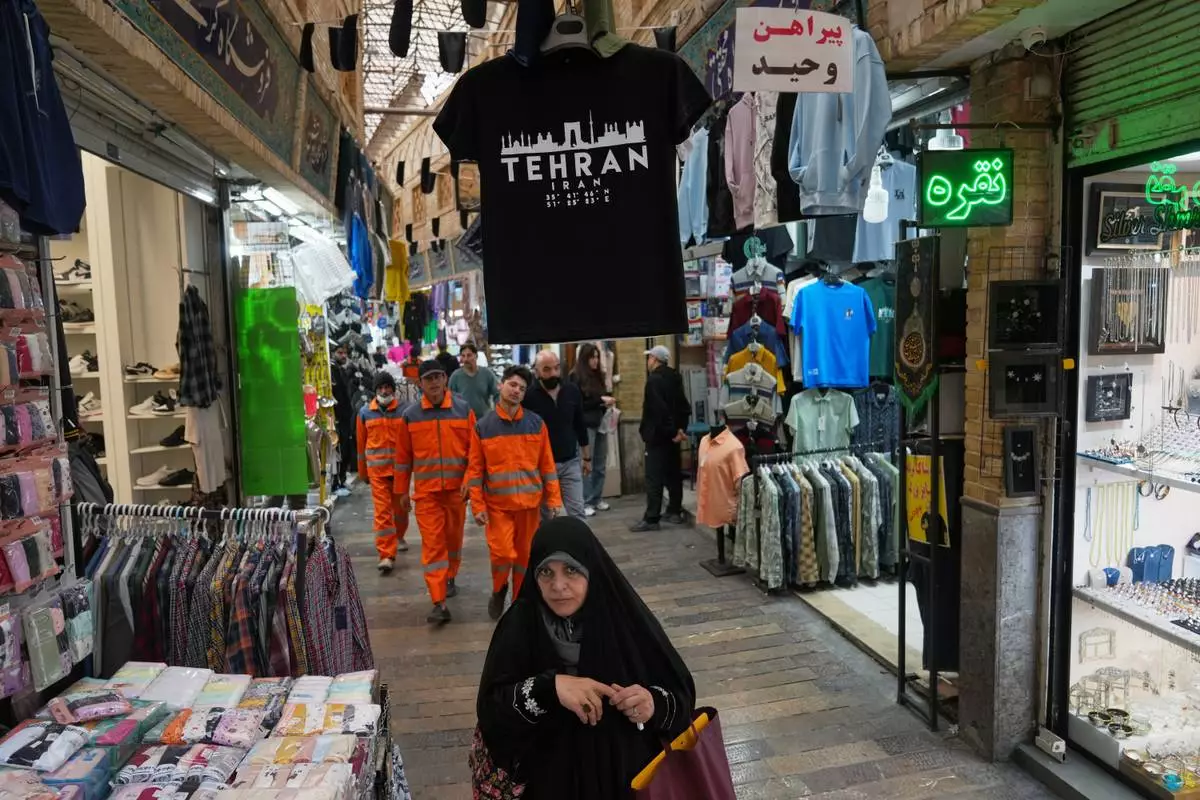
Pedestrians walk through Tajrish Bazaar in Tehran, Iran, Tuesday, April 7, 2026. (AP Photo/Francisco Seco)
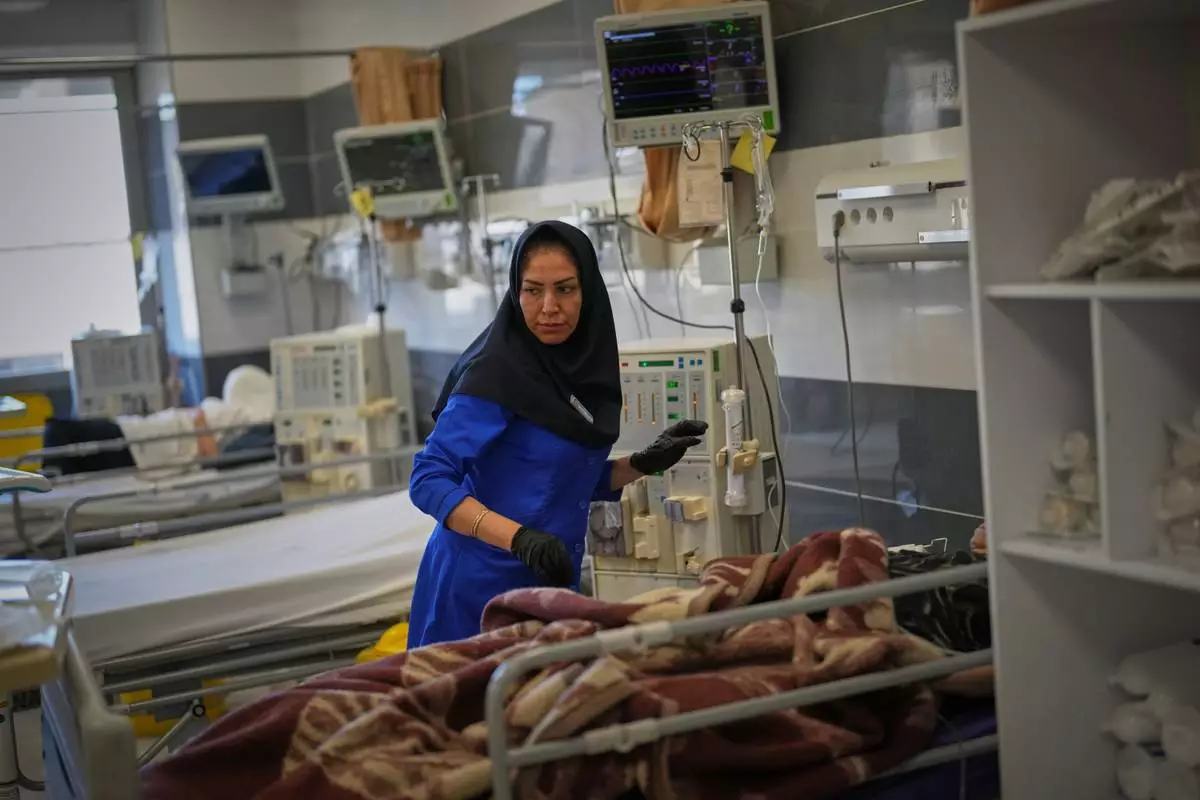
A nurse attends to a patient at Shohadaye Tajrish Hospital in Tehran, Iran, Tuesday, April 7, 2026. (AP Photo/Francisco Seco)

A woman carries her pet as she walks along a street market near Tajrish Bazaar in Tehran, Iran, Tuesday, April 7, 2026. (AP Photo/Francisco Seco)
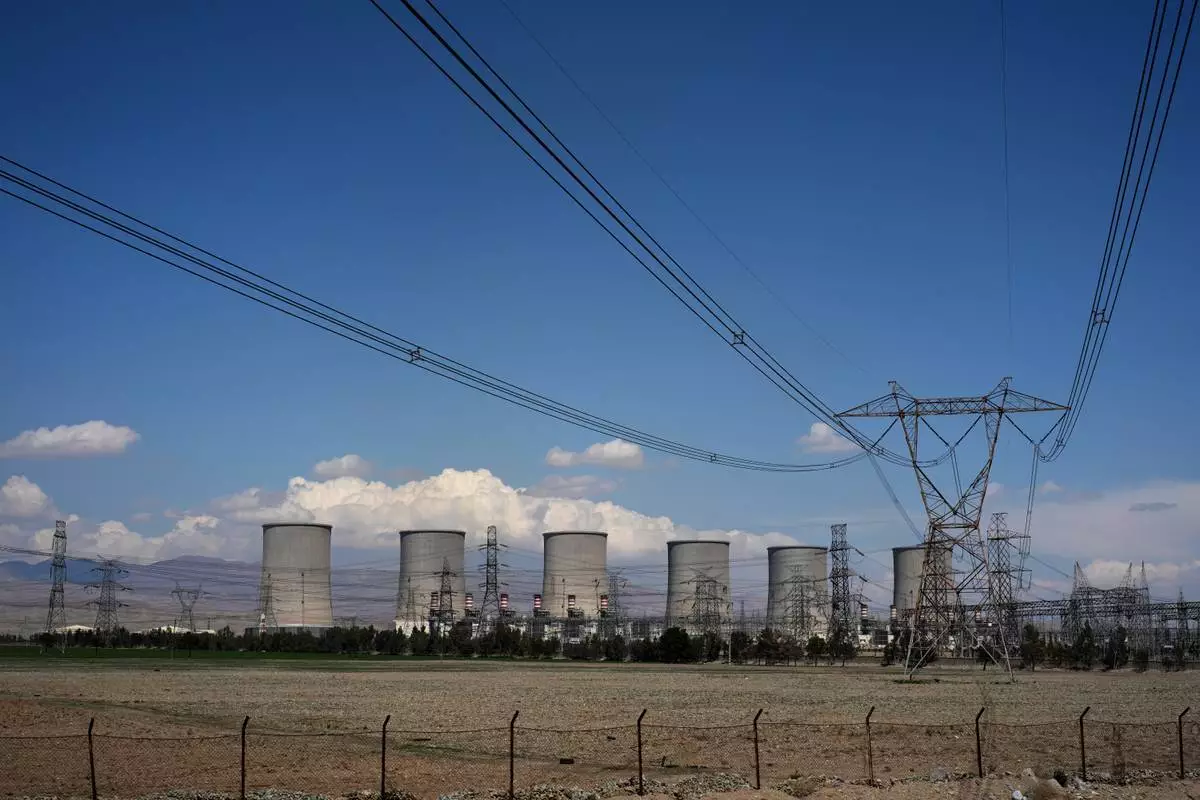
The Damavand power station is seen from a nearby road on the outskirts of Tehran, Iran, Tuesday, April 7, 2026. (AP Photo/Francisco Seco)
TEHRAN, Iran (AP) — U.S. President Donald Trump threatened Tuesday that a “whole civilization will die tonight” if Iran fails to meet his latest deadline to strike a deal that includes reopening the Strait of Hormuz, while the Islamic Republic urged young people to form human chains around power plants and other potential targets.
Trump’s expansive threat did not seem to account for potential harm to civilians, prompting Democrats in Congress, some United Nations officials and scholars in military law to say such strikes would violate international law.
Tehran’s representative at the U.N., Amir-Saeid Iravani, said the threats “constitute incitement to war crimes and potentially genocide” and that Iran would "take immediate and proportionate reciprocal measures” if Trump launches devastating strikes.
The U.S. and Israel have battered Iran with attacks targeting its military capabilities, leadership and nuclear program. Iran has responded with a stream of strikes on Israel and Gulf Arab neighbors, causing regional chaos and outsized economic and political shock.
As Trump’s deadline neared, an official said indirect talks continued between the United States and Iran.
Pakistan's prime minister urged Trump to extend his deadline by two weeks to allow diplomacy to advance. In a post on X, Shehbaz Sharif, whose country has been leading negotiations, also asked Iran to open up for two weeks the strait through which a fifth of the world’s oil transits in peacetime. The White House said Trump had been informed of the proposal and would respond.
Even before the deadline, airstrikes hit two bridges and a train station, and the U.S. hit military infrastructure on Kharg Island, a key hub for Iranian oil production.
Since the war began, Trump has repeatedly imposed deadlines linked to threats, only to extend them. But the president insisted this one is final and will expire at 8 p.m. in Washington unless there is a major diplomatic breakthrough. Tehran previously rejected a 45-day ceasefire proposal by Egyptian, Pakistani and Turkish mediators, saying it wants a permanent end to the war.
Iran’s president said 14 million people, including himself, have volunteered to fight. That's despite Trump saying that U.S. forces could wipe out all bridges in Iran in a matter of hours and reduce all power plants to smoking rubble in roughly the same time frame.
It was not clear if airstrikes against Iran on Tuesday were linked to Trump’s threats to widen the civilian target list. At least two of the targets were connected to Iran’s rail network, and Israeli Prime Minister Benjamin Netanyahu said Israeli warplanes struck bridges and railways in Iran.
Tehran fired on Israel and Saudi Arabia, prompting the temporary closure of a major bridge.
While Iran cannot match the sophistication of U.S. and Israeli weaponry or their dominance in the air, its chokehold on the strait since the war began in late February is roiling the world economy and raising the pressure on Trump both at home and abroad to find a way out of the standoff.
“A whole civilization will die tonight, never to be brought back again,” if a deal isn’t reached, Trump said in an online post Tuesday morning. But he also seemed to keep open the possibility of an off-ramp, saying that “maybe something revolutionarily wonderful can happen.”
Earlier, Iranian official Alireza Rahimi issued a video message calling on “all young people, athletes, artists, students and university students and their professors” to form human chains around power plants.
Iranians have formed human chains in the past around nuclear sites at times of heightened tensions with the West. State media posted videos online that showed hundreds of flag-waving people massed at two bridges and at a power plant hundreds of kilometers (miles) from Tehran, though it was not clear how widespread the practice was.
“They’re not allowed to do that,” Trump said in a phone call with NBC News.
A general in Iran's Revolutionary Guard general warned that Iran would “deprive the U.S. and its allies of the region’s oil and gas for years” and expand its attacks across the Gulf region if Trump carries out his threat.
In Tehran, the mood was bleak. A young teacher said that many opponents of Iran's Islamic system had hoped Trump's attacks would quickly topple it. As the war drags on, she fears U.S. and Israeli strikes will spread chaos.
“If we don’t have the internet, and if we don’t have electricity, water, and gas, we’re really going back to the Stone Age, as Trump said,” she told The Associated Press, speaking on the condition of anonymity for her safety.
In Rome, Pope Leo XIV said Tuesday that the threats were “truly unacceptable” and that such attacks would violate international law.
French Foreign Minister Jean-Noël Barrot said that attacks targeting civilian and energy infrastructure could constitute a war crime. Such cases are notoriously difficult to prosecute. Trump has said he’s “not at all” concerned about committing war crimes.
A spokesman for U.N. Secretary-General Antonio Guterres said he was “deeply troubled” by the threats, saying no military objective justified targeting civilian infrastructure.
Intense airstrikes pounded Tehran, including in residential neighborhoods. In the past, such strikes have targeted Iranian government and security officials.
The Israeli military said it attacked an Iranian petrochemical site in Shiraz, the second day in a row it hit such a facility. The military later said it also struck bridges in several cities that were being used by Iranian forces to transport weapons and military equipment.
A U.S. official, who spoke on condition of anonymity to discuss sensitive military operations, described the strikes on Kharg Island as hitting targets previously struck and not directed at oil infrastructure.
Saudi Arabia said it intercepted seven ballistic missiles and four drones launched by Iran. Iran also fired on Israel.
More than 1,900 people have been killed in Iran since the war began, but the government has not updated the toll for days.
In Lebanon, where Israel is fighting Iran-backed Hezbollah militants, more than 1,500 people have been killed. and more than 1 million people have been displaced. Eleven Israeli soldiers have died there.
In Gulf Arab states and the occupied West Bank, more than two dozen people have died, while 23 have been reported dead in Israel, and 13 U.S. service members have been killed.
Gambrell reported from Dubai, United Arab Emirates. Magdy reported from Cairo. Associated Press writers John Leicester in Paris; Nicole Winfield in Rome; Amir-Hussein Radjy in Cairo; Natalie Melzer in Jerusalem; Farnoush Amiri at The United Nations; and Konstantin Toropin, Seung Min Kim, Michelle L. Price, Joshua Boak and Will Weissert in Washington contributed to this report.
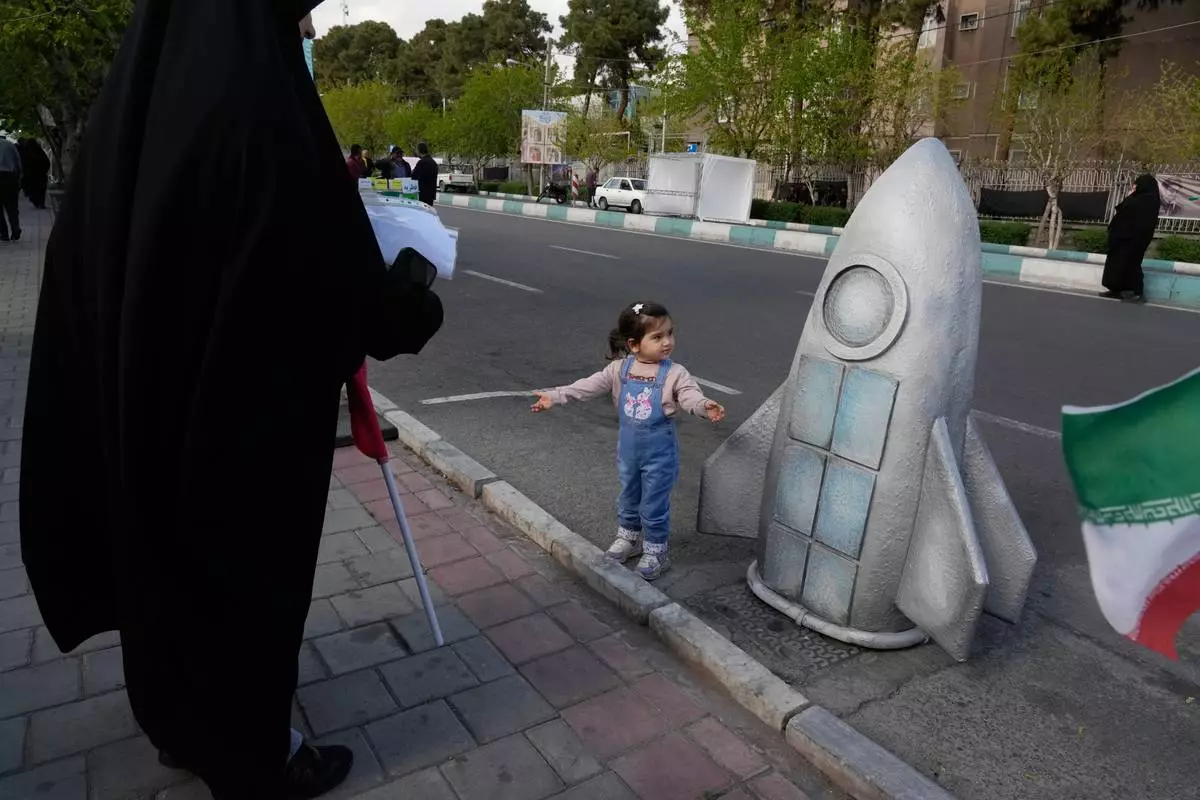
A girl stands next to replica of a space craft in a memorial for school children who were killed during a strike on a school in southern town of Minab on Feb. 28, in downtown Tehran, Iran, Tuesday, April 7, 2026. (AP Photo/Vahid Salemi)
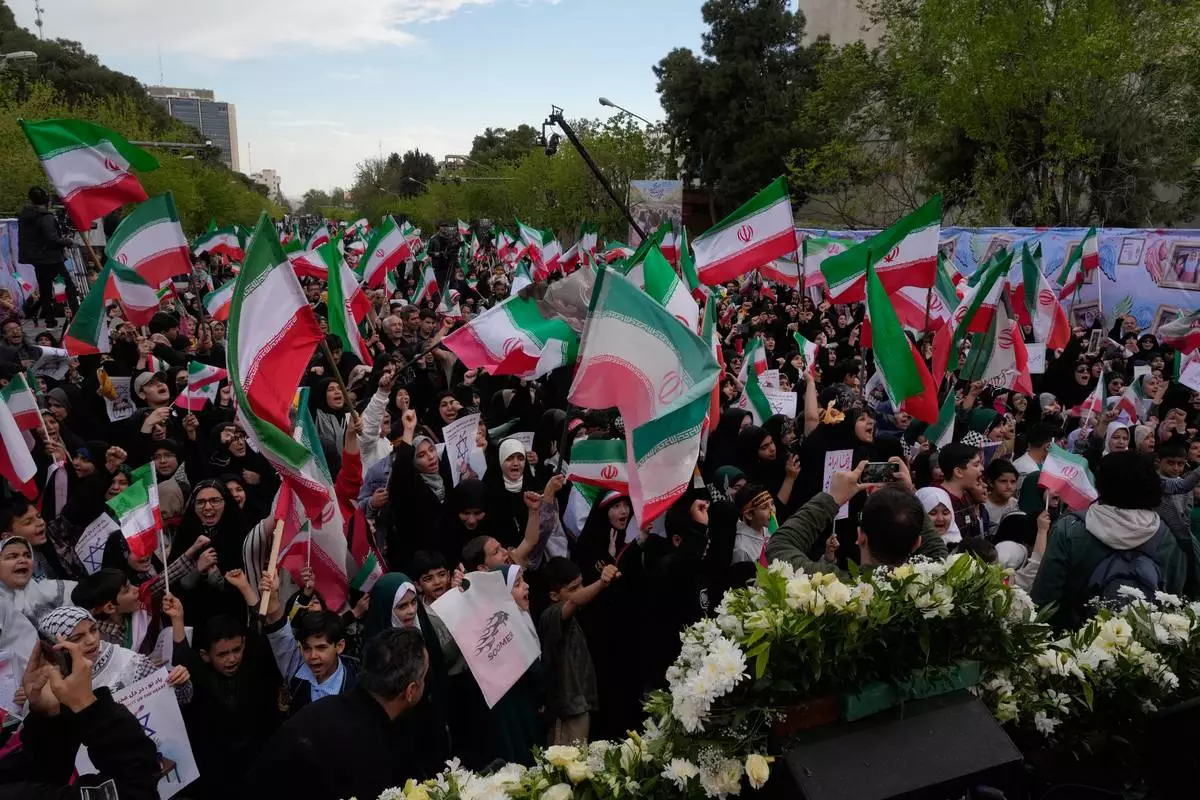
People wave Iranian flags and chant slogans in a memorial for school children who were killed during a strike on a school in southern town of Minab on Feb. 28, in downtown Tehran, Iran, Tuesday, April 7, 2026. (AP Photo/Vahid Salemi)
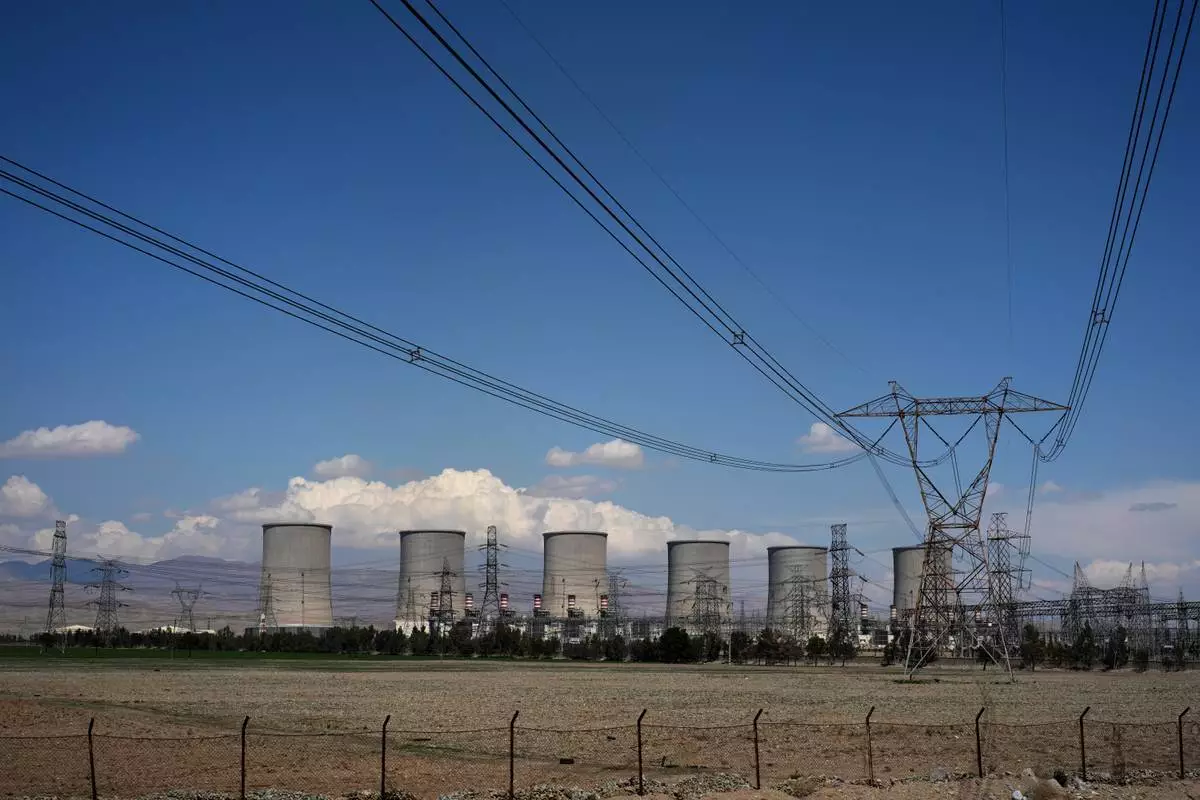
The Damavand power station is seen from a nearby road on the outskirts of Tehran, Iran, Tuesday, April 7, 2026. (AP Photo/Francisco Seco)
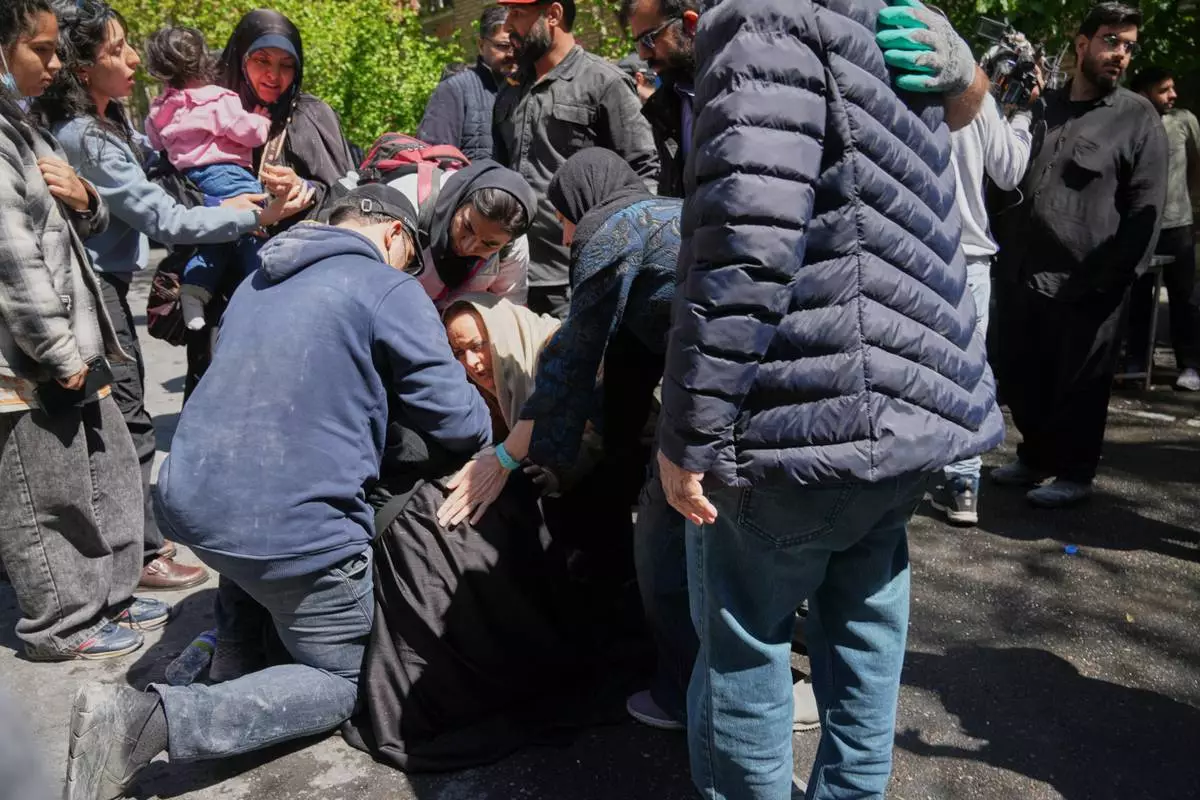
Bystanders try to comfort and assist a woman as she reacts near the site of a strike that, according to a security official at the scene, destroyed half of the Khorasaniha Synagogue and nearby residential buildings in Tehran, Iran, Tuesday, April 7, 2026. (AP Photo/Francisco Seco)
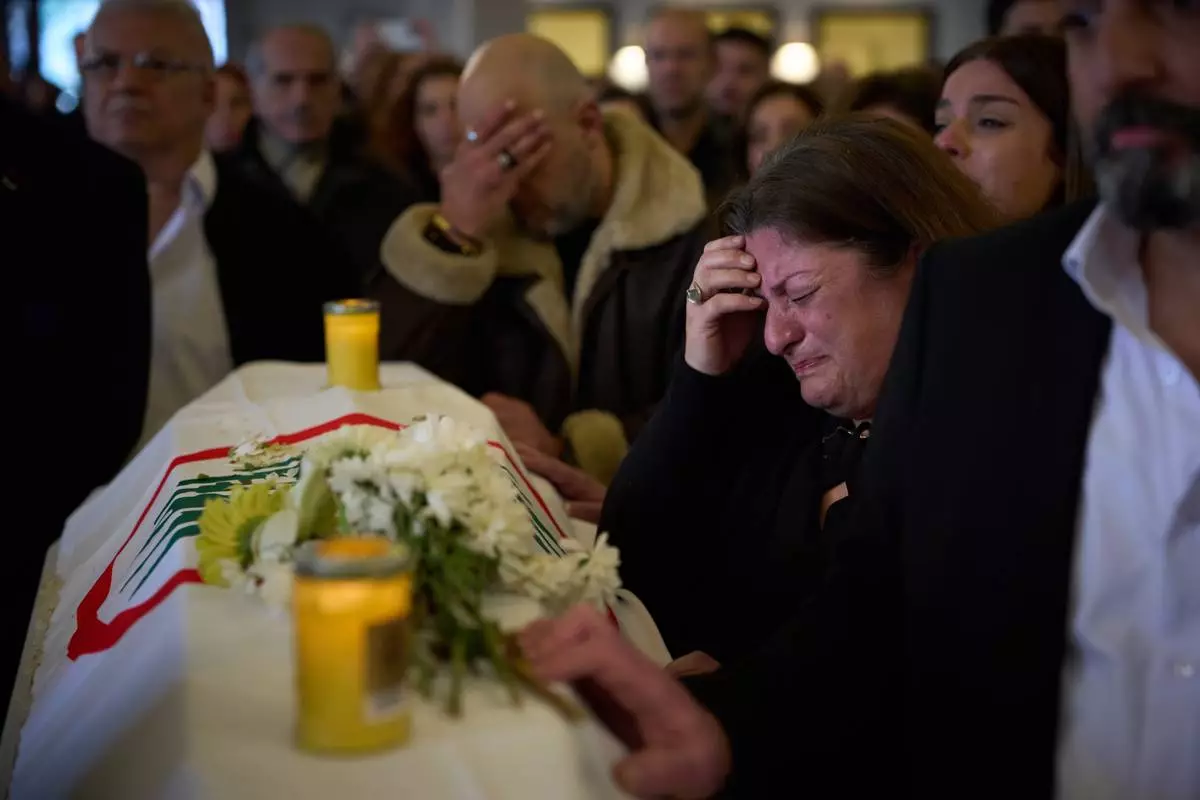
Relatives react next to the coffins with the bodies of Pierre Mouawad, an official with the anti-Hezbollah Lebanese Forces party, and his wife during their funeral in Yahshush, Lebanon, Tuesday, April 7, 2026. (AP Photo/Emilio Morenatti)
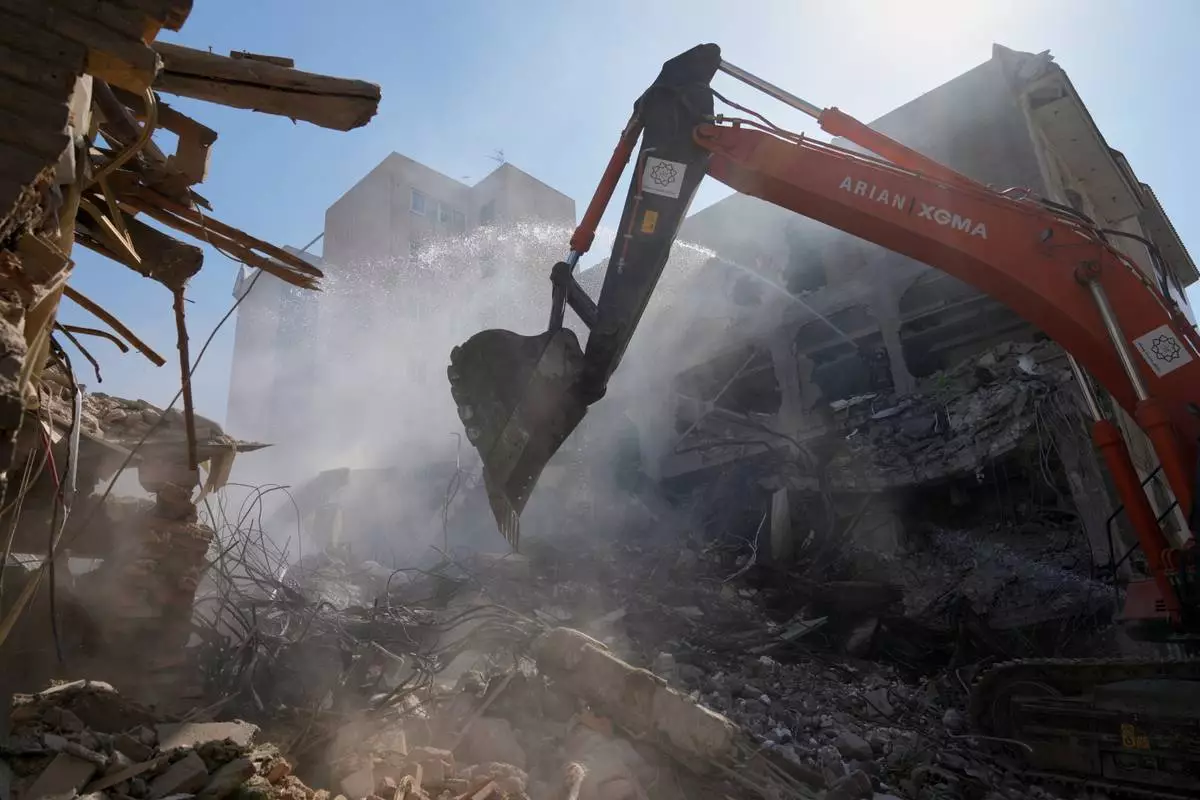
An excavator removes rubble at the site of a strike that, according to a security official at the scene, destroyed half of the Khorasaniha Synagogue and nearby residential buildings in Tehran, Iran, Tuesday, April 7, 2026. (AP Photo/Francisco Seco)
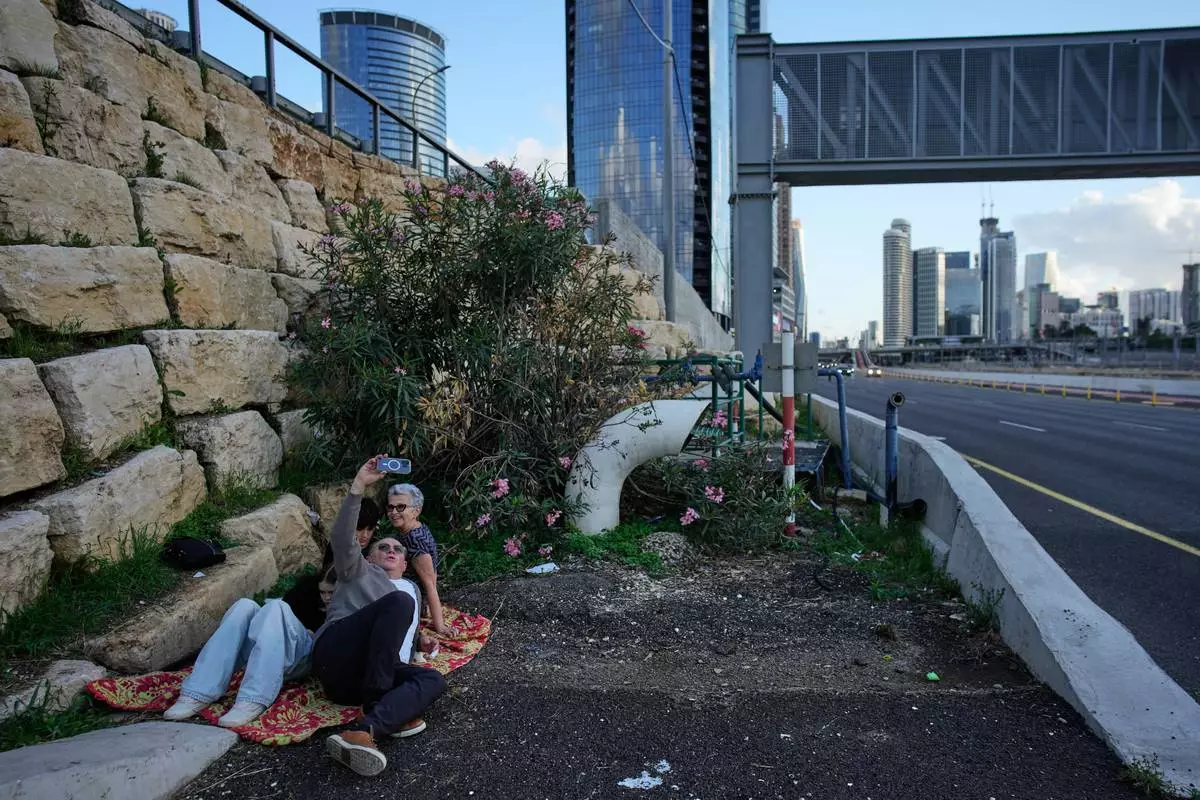
A man takes a selfie while taking cover with three others along a highway as air raid sirens warn of an incoming Iranian missile strike in Tel Aviv, Israel, Tuesday, April 7, 2026. (AP Photo/Ohad Zwigenberg)
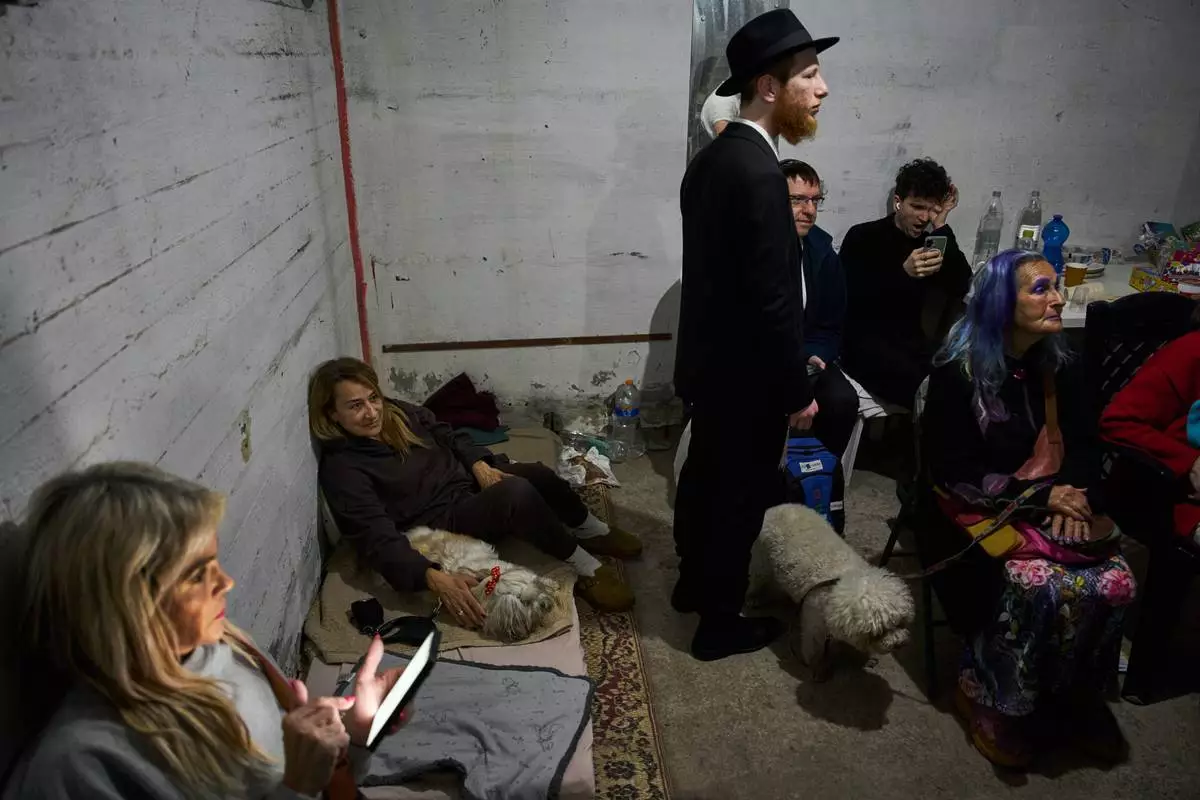
People take cover in a bomb shelter as air raid sirens warn of incoming Iranian missile strikes in Ramat Gan, Israel, Tuesday, April 7, 2026. (AP Photo/Oded Balilty)
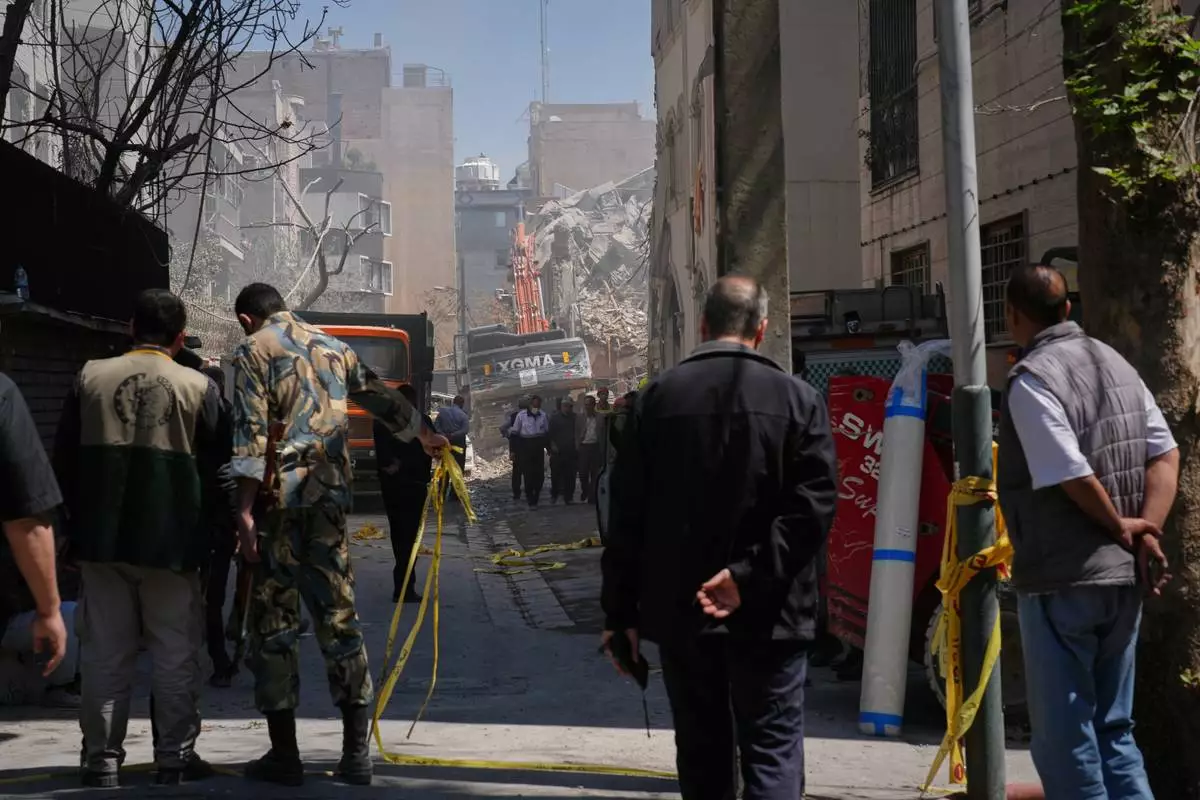
Bystanders watch from a distance as rescue teams and first responders work at the site of a strike that, according to a security official at the scene, destroyed half of the Khorasaniha Synagogue and nearby residential buildings in Tehran, Iran, Tuesday, April 7, 2026. (AP Photo/Francisco Seco)
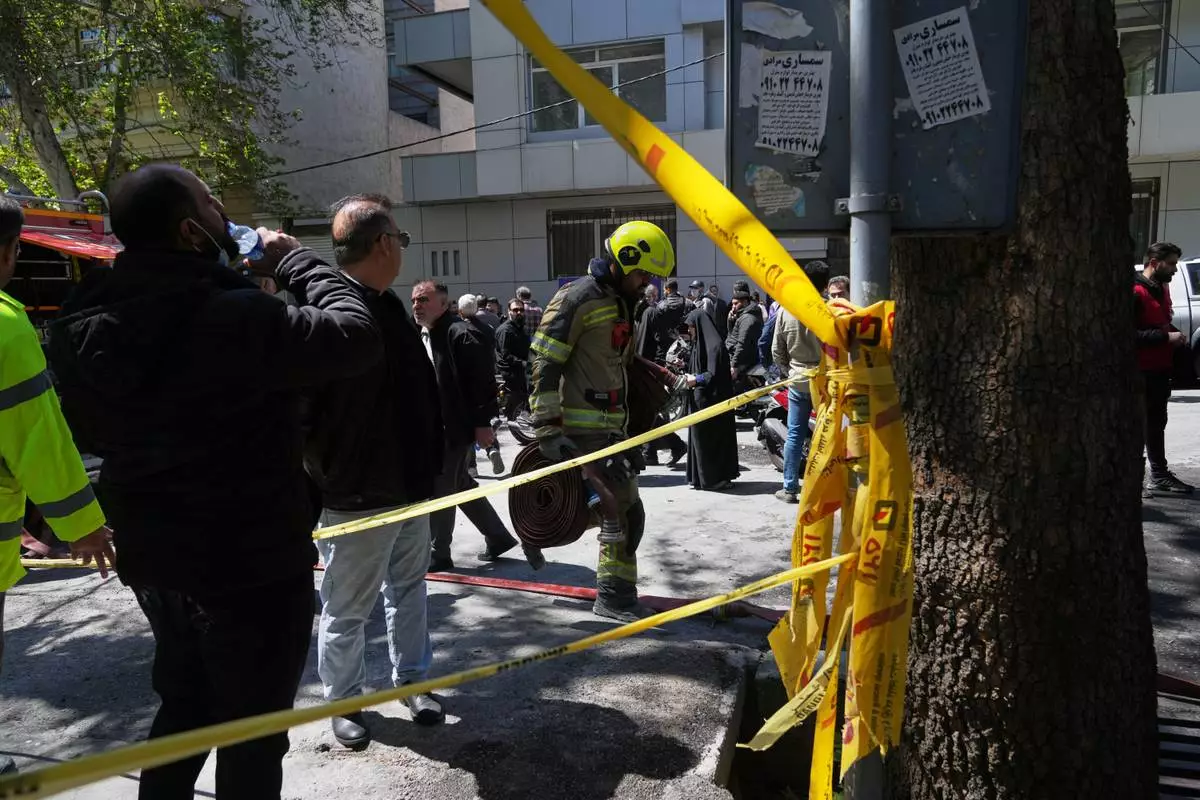
A first responder leaves the site of a strike that, according to a security official at the scene, destroyed half of the Khorasaniha Synagogue and nearby residential buildings in Tehran, Iran, Tuesday, April 7, 2026. (AP Photo/Francisco Seco)
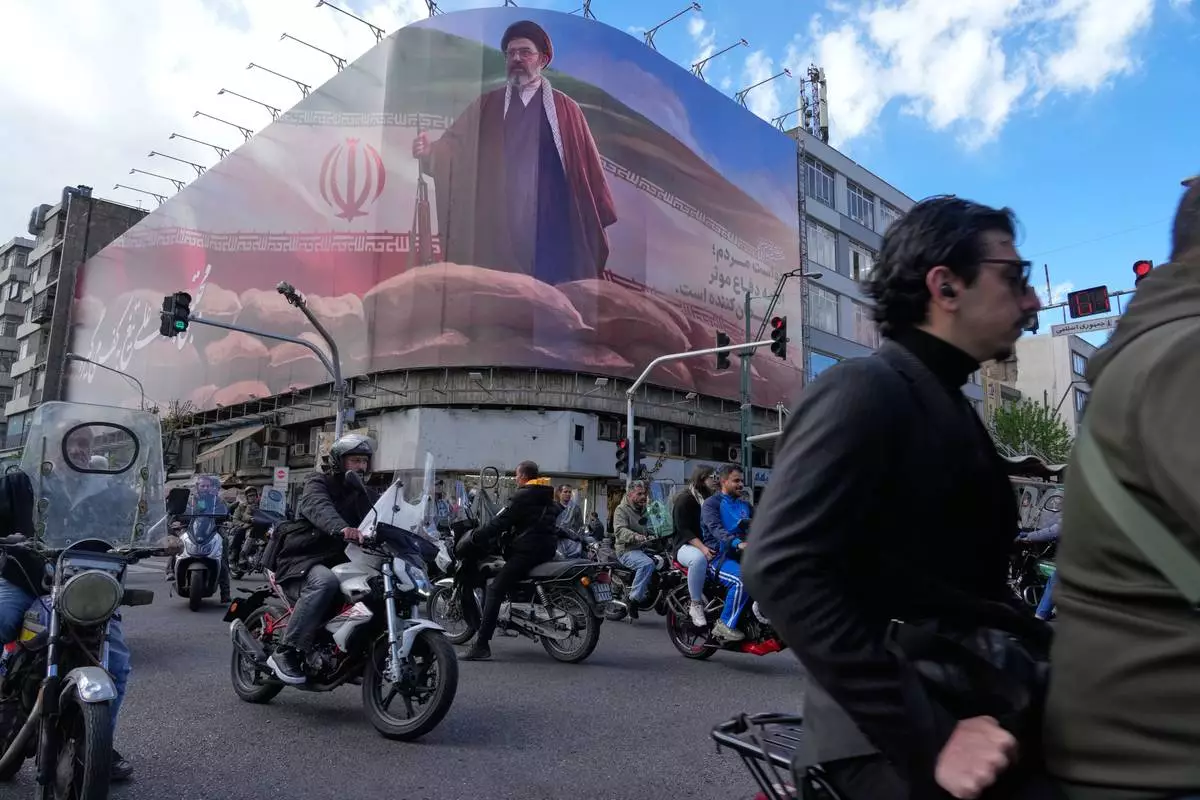
People drive their motorbikes past a billboard that shows a graphic depicting Iran's Supreme Leader Ayatollah Mojtaba Khamenei in downtown Tehran, Iran, Monday, April 6, 2026. (AP Photo/Vahid Salemi)
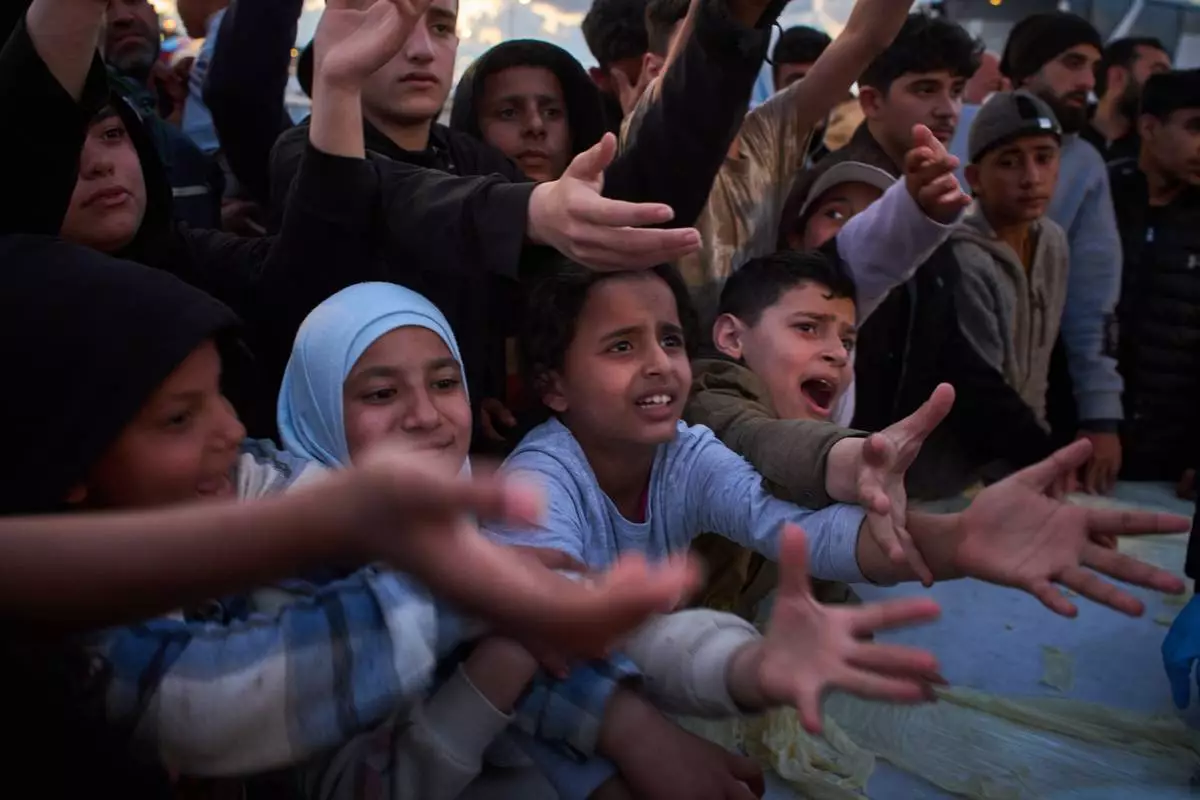
Displaced people wait to receive donated food beside the tents they use as shelters after fleeing Israeli bombardment in southern Lebanon, in Beirut, Lebanon, Monday, April 6, 2026. (AP Photo/Emilio Morenatti)
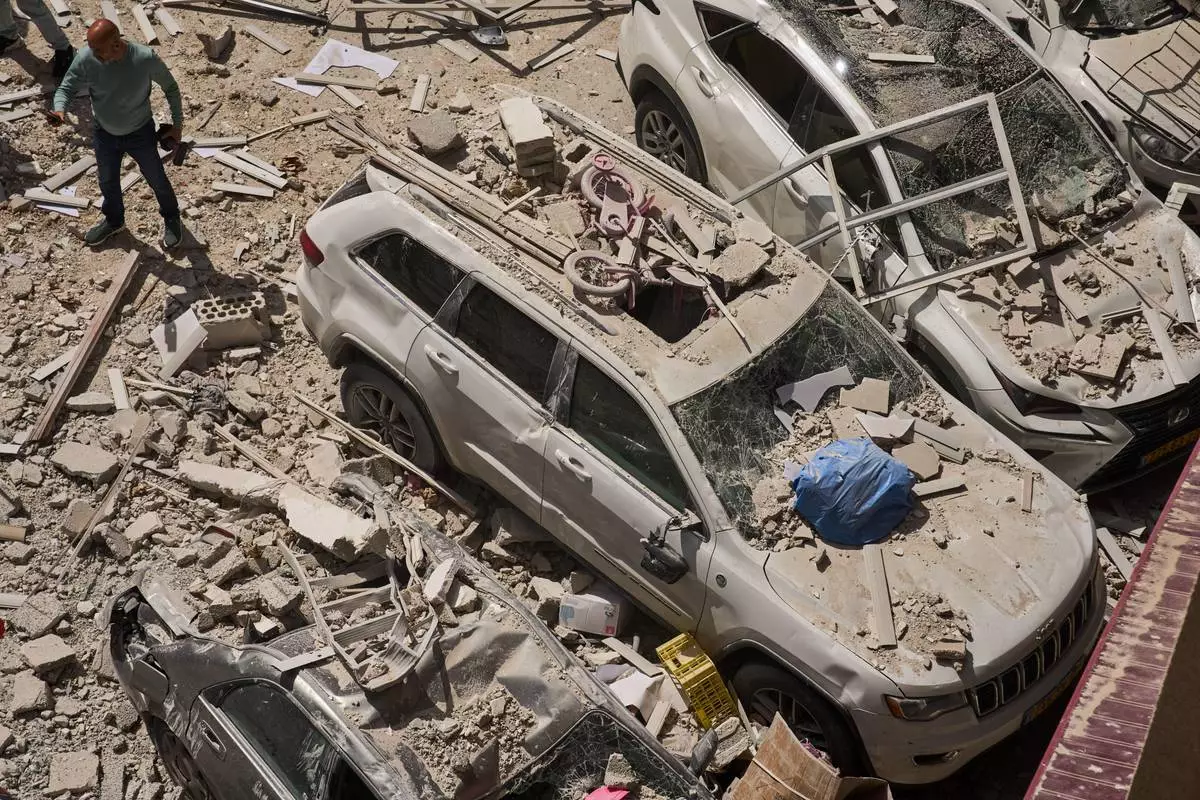
A man inspects the damage to cars and an apartment building struck by an Iranian missile in Ramat Gan, Israel, Monday, April 6, 2026. (AP Photo/Oded Balilty)