SEOUL, South Korea--(BUSINESS WIRE)--Apr 8, 2026--
Seoul Semiconductor Co., Ltd. (KOSDAQ: 046890), a leading global opto-semiconductor company, announced that it has officially been granted the “High-Tech Enterprise” certification in Vietnam. This certification marks formal recognition of the company’s technological capabilities, including ownership of 15,000 independent patents, as well as its competitive position in the optoelectronics industry. This milestone underscores the growing presence of global technology corporations in Vietnam and reflects the country’s increasingly attractive investment environment for high-tech industries.
This press release features multimedia. View the full release here: https://www.businesswire.com/news/home/20260408703422/en/
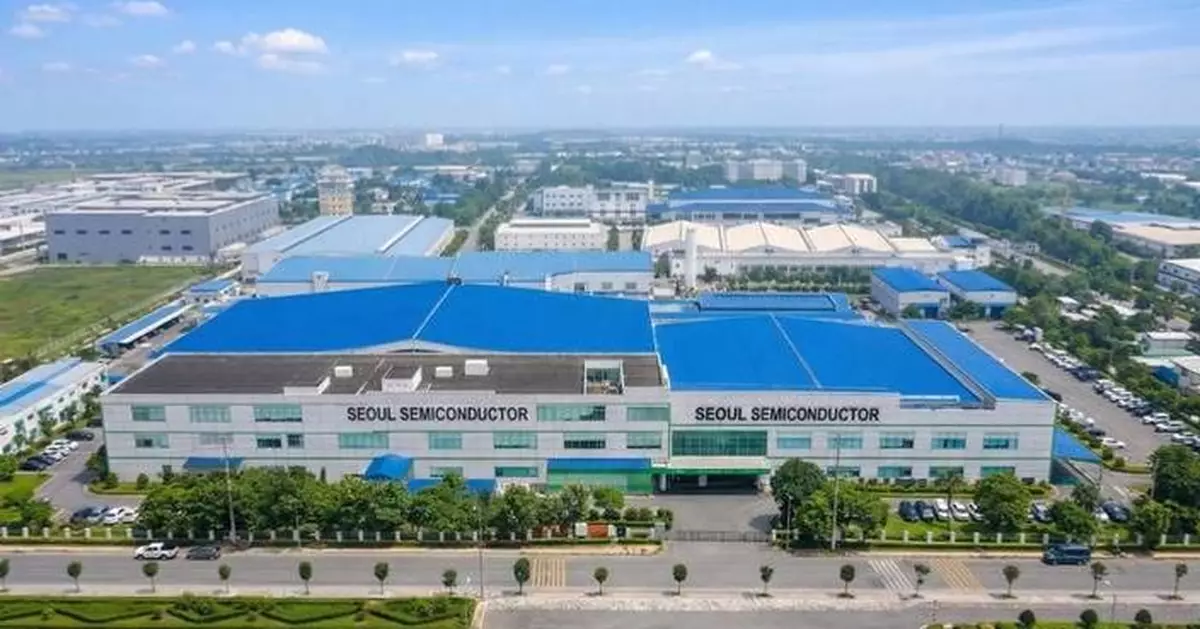
Seoul Semiconductor’s manufacturing entity in Vietnam (VINA) has been developed with a cumulative investment of approximately USD 800 million. The company currently employs around 3,000 workers, including nearly 700 personnel engaged in research and development. The VINA facility operates as an integrated manufacturing base, covering the full spectrum of optoelectronic semiconductor products, from ultraviolet (UV), RGB, and infrared (IR) to laser diodes, with a production capacity exceeding 4 billion units per month.
Over the past 30 years, Seoul Semiconductor has consistently invested approximately 10% of its annual revenue in research and development. The company has established a fully independent production system, mastering the entire process from chip manufacturing (Chip) to packaging (PKG) and modules (Module). In addition, it operates manufacturing facilities in South Korea, Vietnam, the United States, and China, establishing a stable and flexible global supply chain.
The High-Tech Enterprise certification is implemented under Vietnam’s Law on High Technology (2008) and is granted by the Ministry of Science and ICT to promote advanced technology sectors, drive economic growth, and enhance national competitiveness. To obtain this certification, enterprises must meet stringent criteria regarding technology, the proportion of revenue derived from high-tech products, and the level of investment in research and development.
Seoul Semiconductor stated that this certification reflects official recognition by Vietnamese authorities of the company’s technological capabilities and intellectual property system. Going forward, the company will continue to position Vietnam as a key manufacturing hub, further advancing technological innovation and expanding its presence in the optoelectronics semiconductor market.
With this certification, Seoul Semiconductor will be entitled to preferential policies on taxation, land rental, and administrative support in accordance with applicable regulations. To date, several Korean enterprises have also been recognized as high-tech enterprises in Vietnam, including Samsung Electronics, Samsung Display, LG Electronics, and LG Display.
About Seoul Semiconductor
Seoul Semiconductor is the world’s third-largest global optoelectronics (LED) company, specializing in LED technology for over 30 years. With the vision of "Making the world clean, healthy, and beautiful through light," Seoul Semiconductor leads a new paradigm of light across various industries, including lighting, automotive, IT (such as backlighting), and its subsidiary, Seoul Viosys, which specializes in MicroLED, UV, Sensors, and Datacomm(SD).
Some of the groundbreaking technologies developed by Seoul Semiconductor include the world’s first innovative No-wire LED technology WICOP, the SunLike LED, which replicates natural sunlight spectrum, the high-voltage LED Acrich, the ultra-bright nPola LED (10 times brighter than conventional LEDs), the RGB one-chip MicroLED WICOP Pixel, and UV sterilization technology Violeds.
Seoul Semiconductor holds an impressive portfolio of over 15,000 patents, and in the last 20 years, the company has won over 100 cases in patent litigation across 8 countries. Believing that the patent system provides hope for young people and serves as a foundation for building a better world, the company is actively engaged in intellectual property protection. For more details, visit our official website ( www.seoulsemicon.com or www.seoulviosys.com ) and our social media channels ( LinkedIn ).
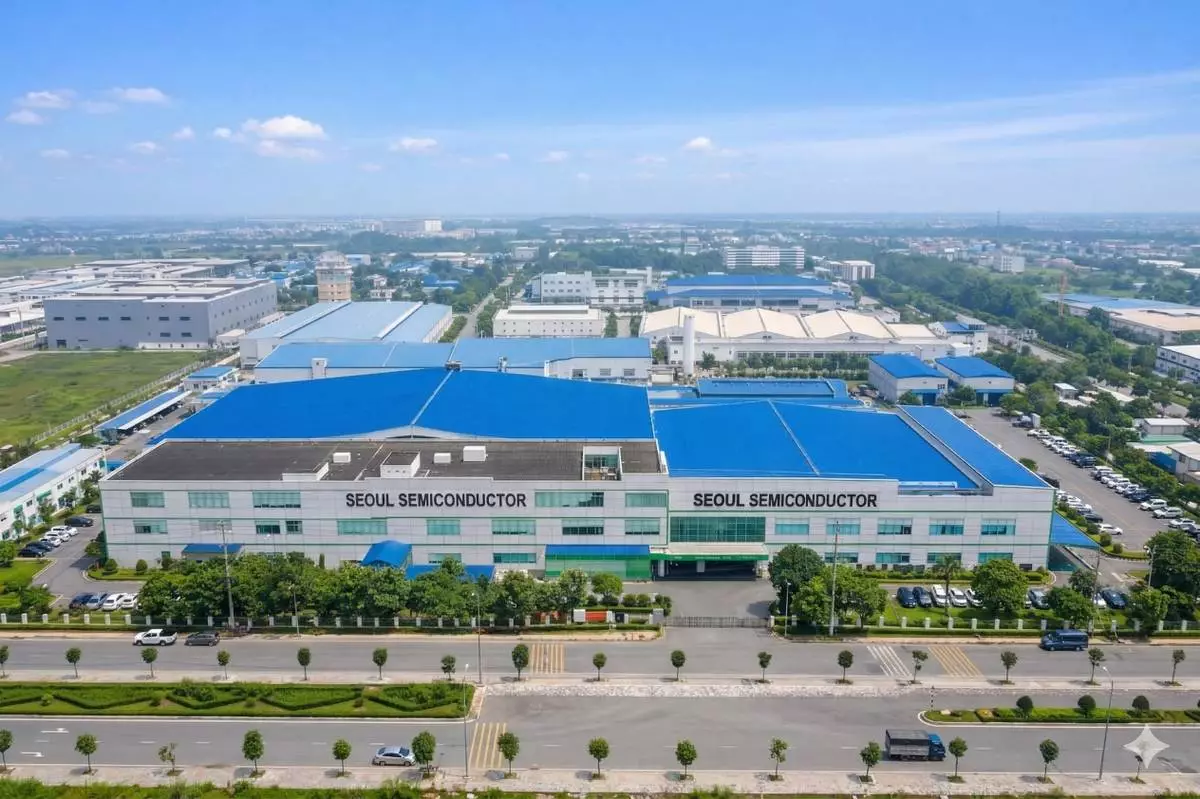
Seoul Semiconductor’s VINA production facility in Vietnam (Image: Seoul Semiconductor)
WASHINGTON (AP) — President Donald Trump repeated his complaint about NATO after a closed-door meeting with the alliance's Secretary-General Mark Rutte on Wednesday for discussions that had been expected to be aimed at soothing Trump’s anger with the military alliance over the Iran war.
Ahead of the private meeting, Trump had suggested the U.S. may consider leaving the trans-Atlantic alliance after NATO member countries ignored his call to help as Iran effectively shut the the Strait of Hormuz, a vital shipping waterway, and sent gas prices soaring.
Afterward, he issued an all-caps comment on social media suggesting he remained aggrieved. “NATO WASN’T THERE WHEN WE NEEDED THEM, AND THEY WON’T BE THERE IF WE NEED THEM AGAIN,” Trump said in his post. The White House did not immediately offer any further updates.
The Republican president has had a warm relationship with Rutte in the past, and the meeting came after the U.S. and Iran late Tuesday agreed to a two-week ceasefire that includes the reopening of the strait. The nascent ceasefire was struck after Trump said he would strike Iran's power plants and bridges, threatening that “a whole civilization will die tonight."
Earlier Wednesday, White House press secretary Karoline Leavitt acknowledged that Trump had discussed leaving NATO. “I think it’s something the president will be discussing in a couple of hours with Secretary-General Rutte,” Leavitt said.
Congress in 2023 passed a law that prevents any U.S. president from pulling out of NATO without its approval. Trump has been a longtime critic of NATO and in his first term had suggested he had the authority on his own to leave the alliance, which was founded in 1949 to counter the Cold War threat posed to European security by the Soviet Union.
The crux of the commitment its 32 member countries make is a mutual defense agreement in which an attack on one is considered an attack on them all. The only time it has been activated was in 2001, to support the United States in the wake of the Sept. 11 attacks on New York and Washington.
Despite that, Trump has complained during his war of choice with Iran that NATO has shown it will not be there for the U.S. On Wednesday, he also seemed to be angry about NATO's stance on Greenland, a semi-autonomous territory of NATO member Denmark. Trump had pressed for U.S. control over Greenland earlier this year before backing off after talks with Rutte.
“REMEMBER GREENLAND, THAT BIG, POORLY RUN, PIECE OF ICE!!!” Trump posted Wednesday.
It's unclear if the Trump administration would challenge the law barring a president from pulling out of NATO. When the law passed, it was championed by Trump's current secretary of state, Marco Rubio, who at the time was a senator from Florida.
Rubio met separately with Rutte on Wednesday morning at the State Department ahead of the White House talks. In a statement, the State Department said Rubio and Rutte had discussed the war with Iran, along with U.S. efforts to negotiate an end to the Russia-Ukraine war and “increasing coordination and burden shifting with NATO allies.”
Ahead of Trump's meeting, Sen. Mitch McConnell, a Kentucky Republican, issued a statement Tuesday night in support of the alliance, noting, “Following the September 11th attacks, NATO allies sent their young servicemembers to fight and die alongside America’s own in Afghanistan and Iraq.” McConnell, who sits on a committee overseeing defense spending, urged Trump to be “clear and consistent” and said it’s not in America’s interest to “spend more time nursing grudges with allies who share our interests than deterring adversaries who threaten us.”
The alliance was already rattled over the past year as Trump returned to power and reduced U.S. military support for Ukraine in the war against Russia and threatened to seize Greenland from ally Denmark.
But Trump's badgering of NATO intensified after the Iran war began at the end of February, with the president insisting that securing the Strait of Hormuz was not America's job but the responsibility of countries that depend on the flow of oil through it.
“Go to the strait and just take it,” Trump said last week.
Trump was also angered as NATO allies Spain and France forbade or restricted use of their airspace or joint military facilities for the U.S. in the Iran war. They and other nations, however, agreed to help with an international coalition to open the Strait of Hormuz when the conflict ends.
British Prime Minister Keir Starmer, who has been a particular source of Trump's frustration, was set to travel Wednesday to the Gulf to support the ceasefire. The U.K. has been working on developing a post-conflict security plan for the strait, a narrow waterway between Iran and Oman through which about one-fifth of the world’s oil passes.
Trump has previously threatened to leave NATO and often said that he would abandon allies who don’t spend enough on their military budgets. Former NATO Secretary-General Jens Stoltenberg, in his recent memoir, said he feared that Trump might walk away from the alliance in 2018, during his first term as president.
Associated Press writers Aamer Madhani and Matthew Lee in Washington and Lorne Cook in Brussels contributed to this report.
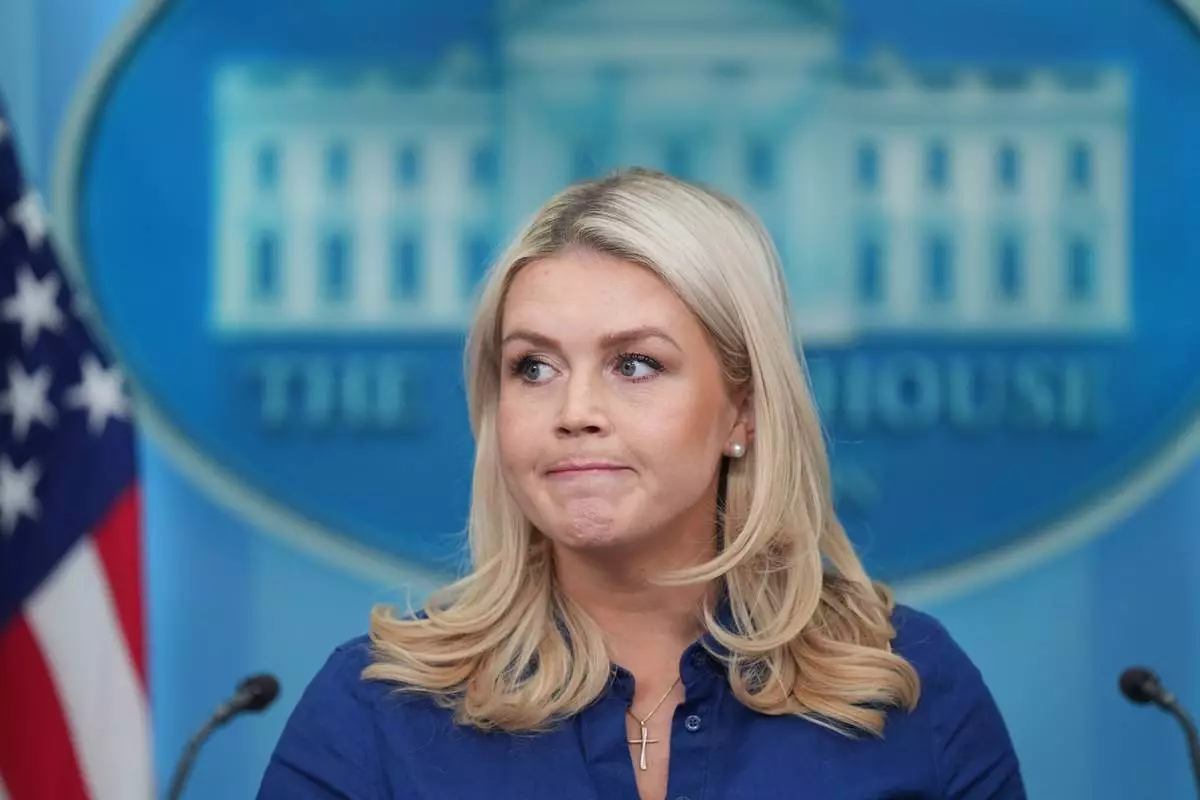
White House press secretary Karoline Leavitt speaks with reporters in the James Brady Press Briefing Room at the White House, Wednesday, April 8, 2026, in Washington. (AP Photo/Alex Brandon)
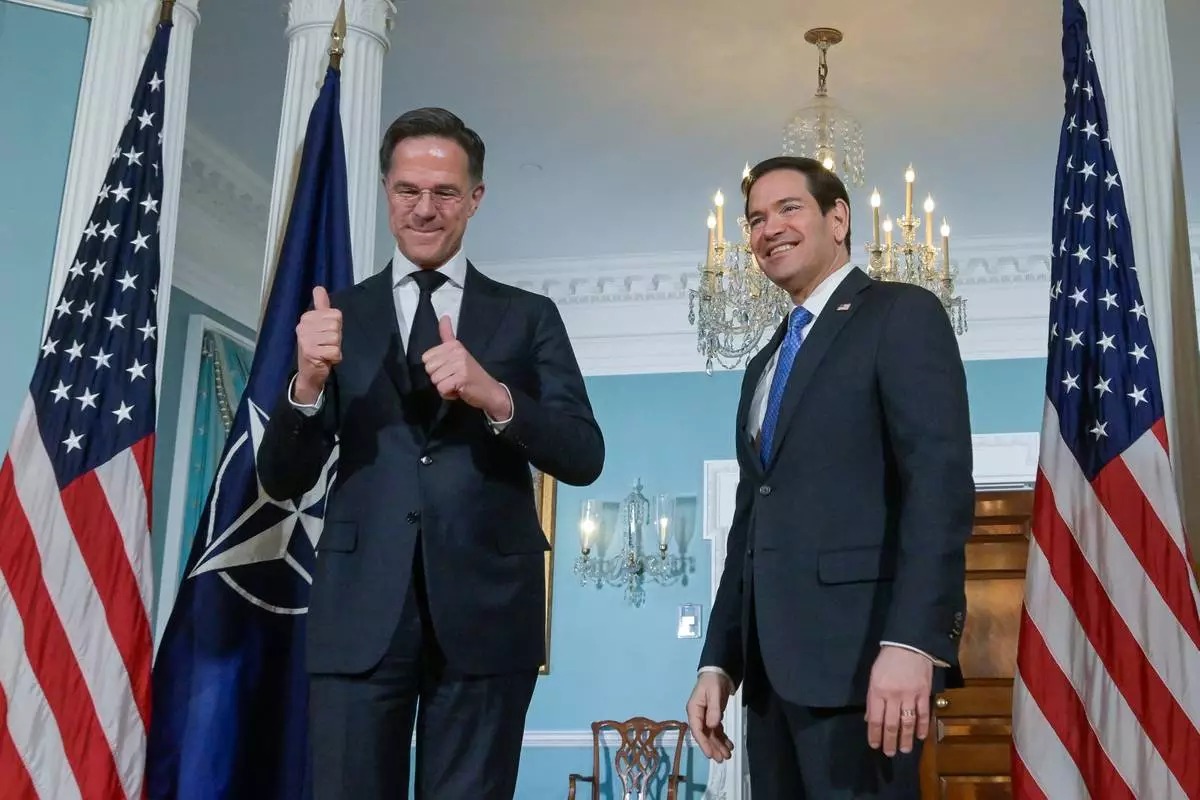
Secretary of State Marco Rubio, right, is joined by NATO Secretary General Mark Rutte, left, for a photo opportunity at the State Department, Wednesday, April 8, 2026, in Washington. (AP Photo/Rod Lamkey, Jr.)
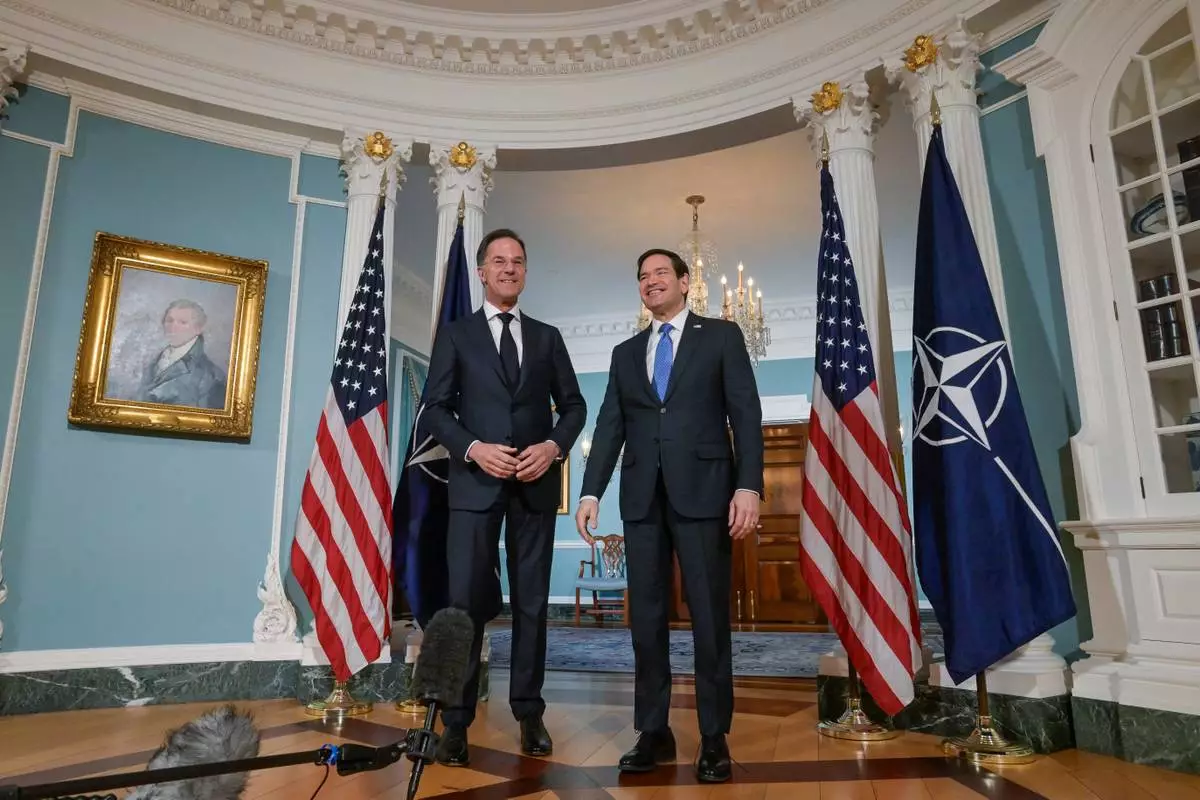
Secretary of State Marco Rubio, right, is joined by NATO Secretary General Mark Rutte, left, for a photo opportunity at the State Department, Wednesday, April 8, 2026, in Washington. (AP Photo/Rod Lamkey, Jr.)
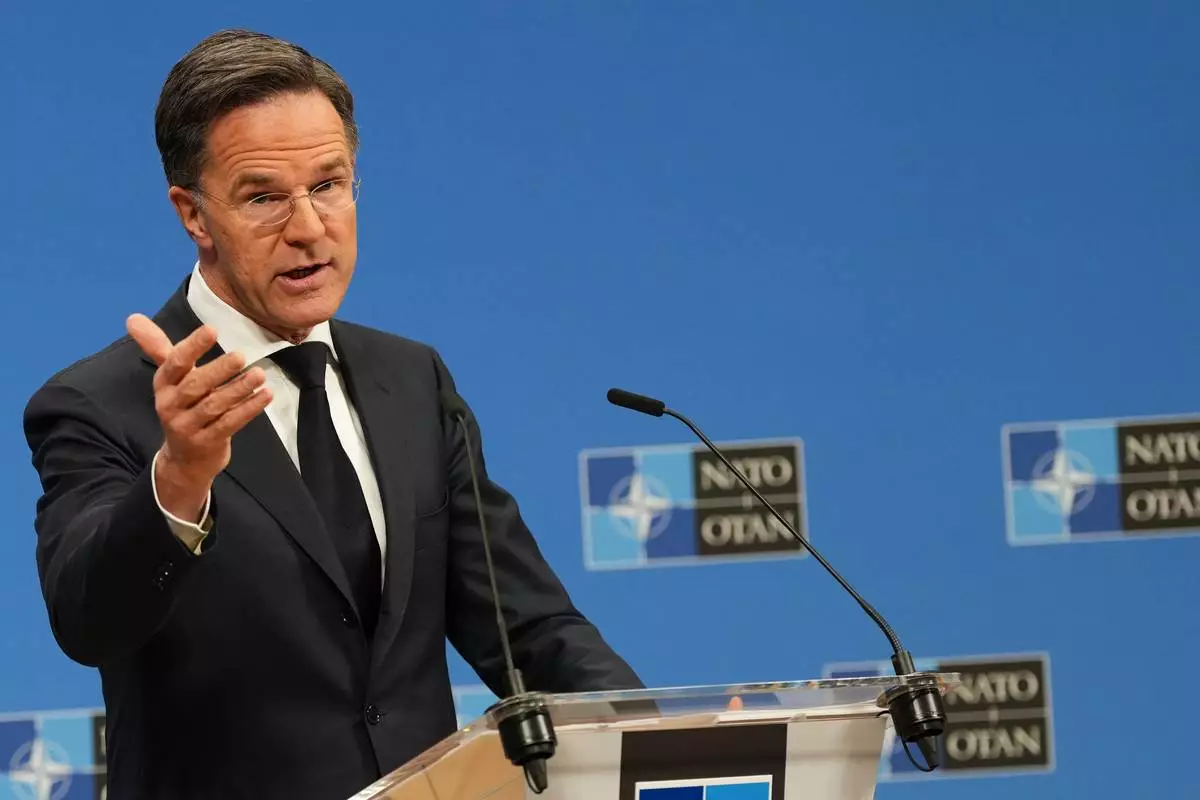
NATO Secretary General Mark Rutte speaks during the launch of the NATO Secretary General's Annual Report for 2025 at NATO headquarters in Brussels, Thursday, March 26, 2026. (AP Photo/Virginia Mayo)
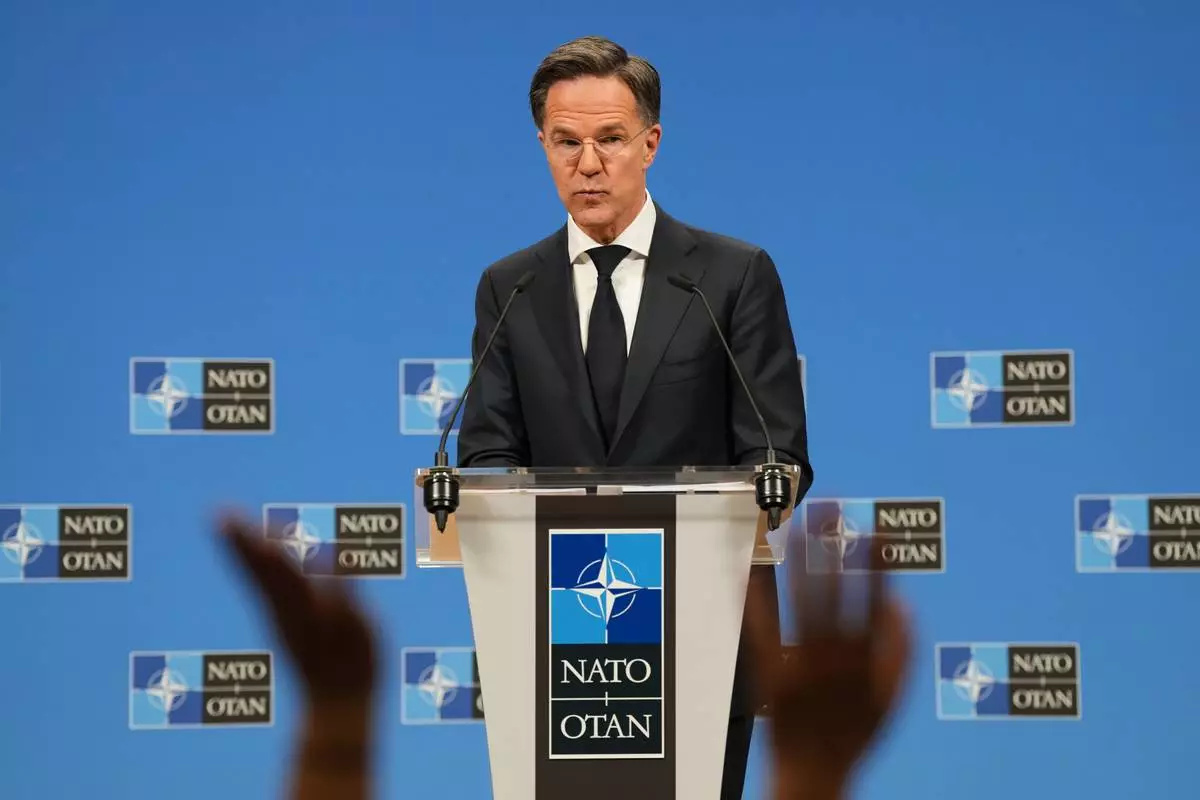
NATO Secretary General Mark Rutte takes questions from journalists during the launch of the NATO Secretary General's Annual Report for 2025 at NATO headquarters in Brussels, Thursday, March 26, 2026. (AP Photo/Virginia Mayo)
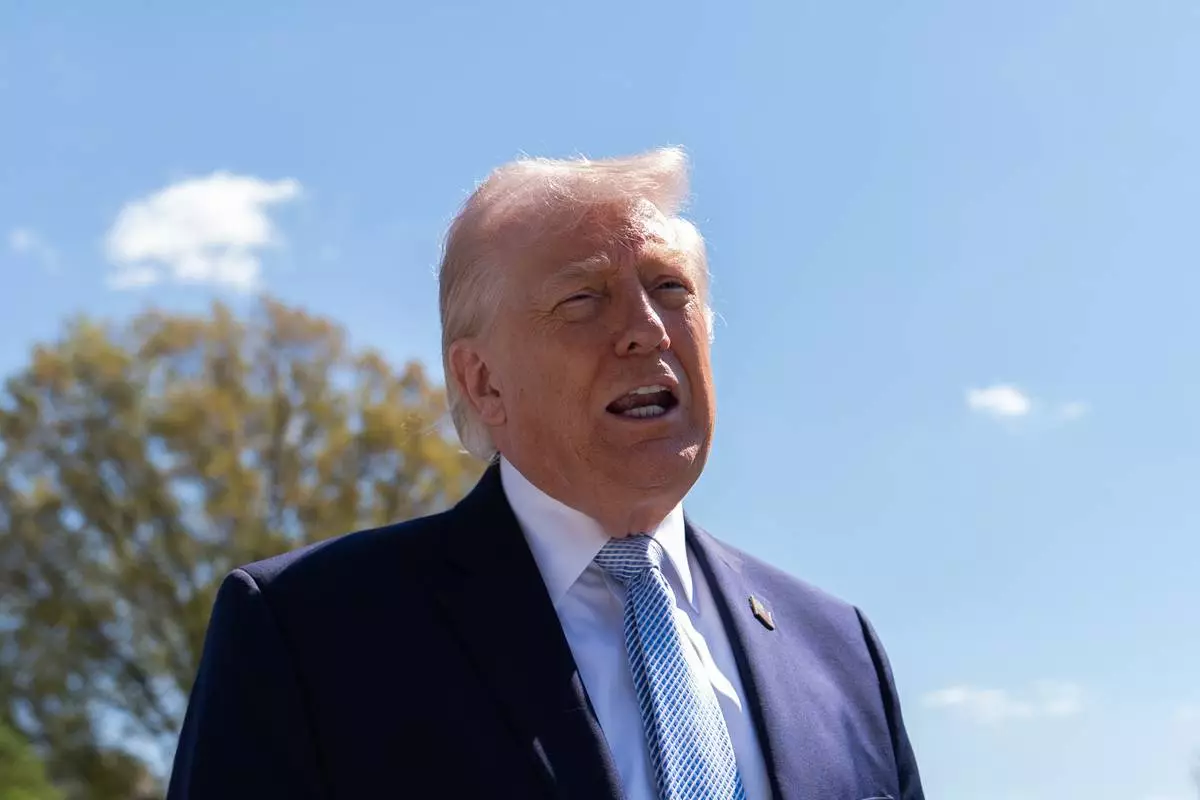
President Donald Trump speaks with reporters during the White House Easter Egg Roll on the South Lawn of the White House, Monday, April 6, 2026, in Washington. (AP Photo/Julia Demaree Nikhinson)
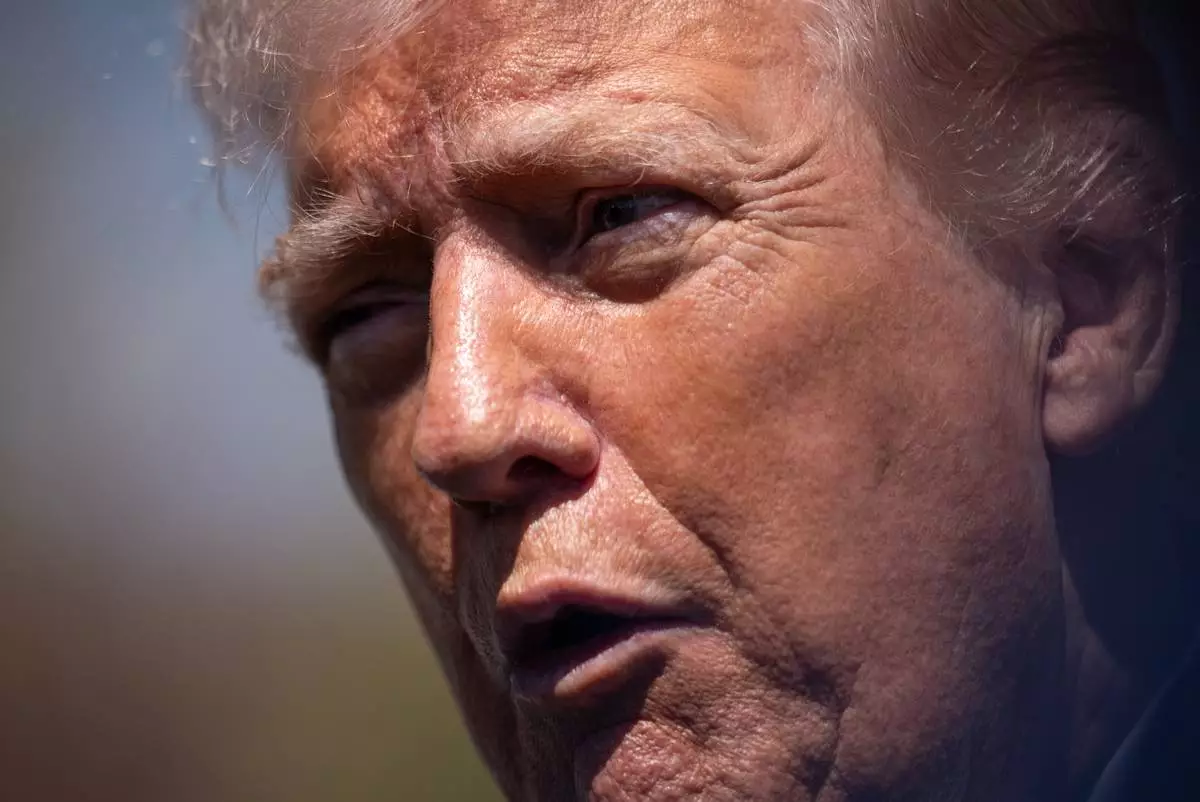
President Donald Trump speaks with reporters during the White House Easter Egg Roll on the South Lawn of the White House, Monday, April 6, 2026, in Washington. (AP Photo/Julia Demaree Nikhinson)
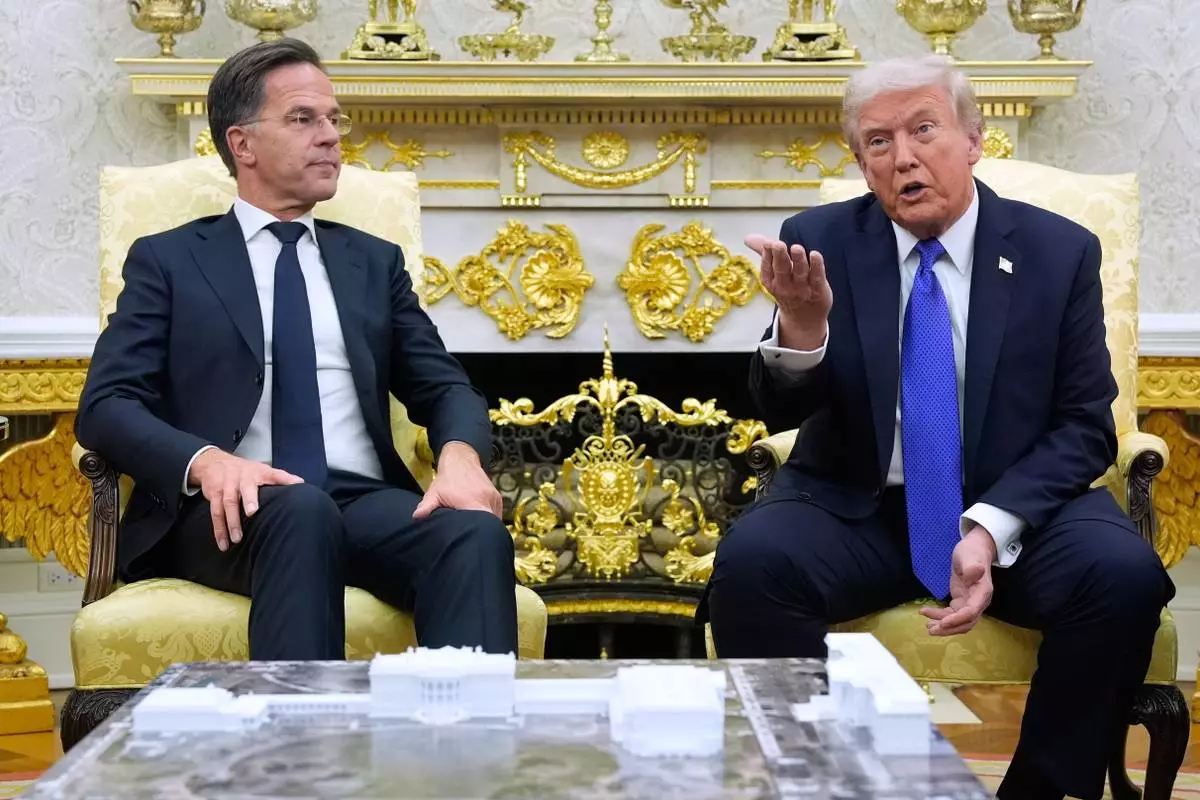
FILE - President Donald Trump meets with NATO Secretary General Mark Rutte in the Oval Office of the White House, Oct. 22, 2025, in Washington. (AP Photo/Alex Brandon, File)