Vessels movement through the Strait of Hormuz following a U.S.-Iran ceasefire was halted, with the strategic waterway now fully closed and oil tankers forced to turn back, according to Iran's state-run Press TV.
Maritime tracking data from MarineTraffic showed that two vessels, the Greek-owned bulk carrier NJ Earth and the Liberian-flagged vessel Daytona Beach, became the first ships to transit the strait on Wednesday following the two-week ceasefire between the United States and Iran on Tuesday.
However, the situation deteriorated sharply later after Israel launched large-scale strikes across Lebanon which has killed at least 254 people.
According to Iran's semi-official Fars news agency, Iran halted all oil tanker traffic through the Strait of Hormuz in response to the attacks.
The Press TV said the strait was fully closed, forcing several tankers that had begun heading toward the exit to reverse course and return deeper into the Persian Gulf.
Shipping analytics firm Kpler reported that, as of Tuesday, more than 1,000 vessels, including 187 laden tankers, were still waiting in the region. Even under normal navigation conditions, it takes more than two weeks for these ships to queue up and leave the strait.
Iran's Ports and Maritime Organization on Wednesday released a safe navigation chart for the Strait of Hormuz, advising all vessels to strictly follow designated routes to avoid the risk of mines.
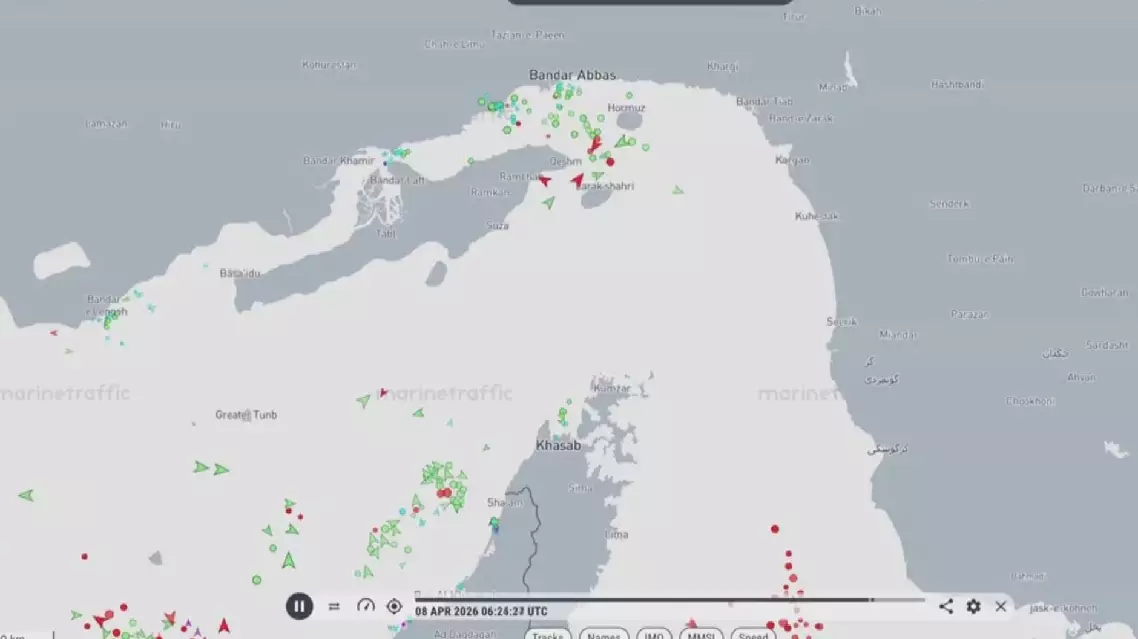
Strait of Hormuz fully closed, forcing oil tankers to turn back
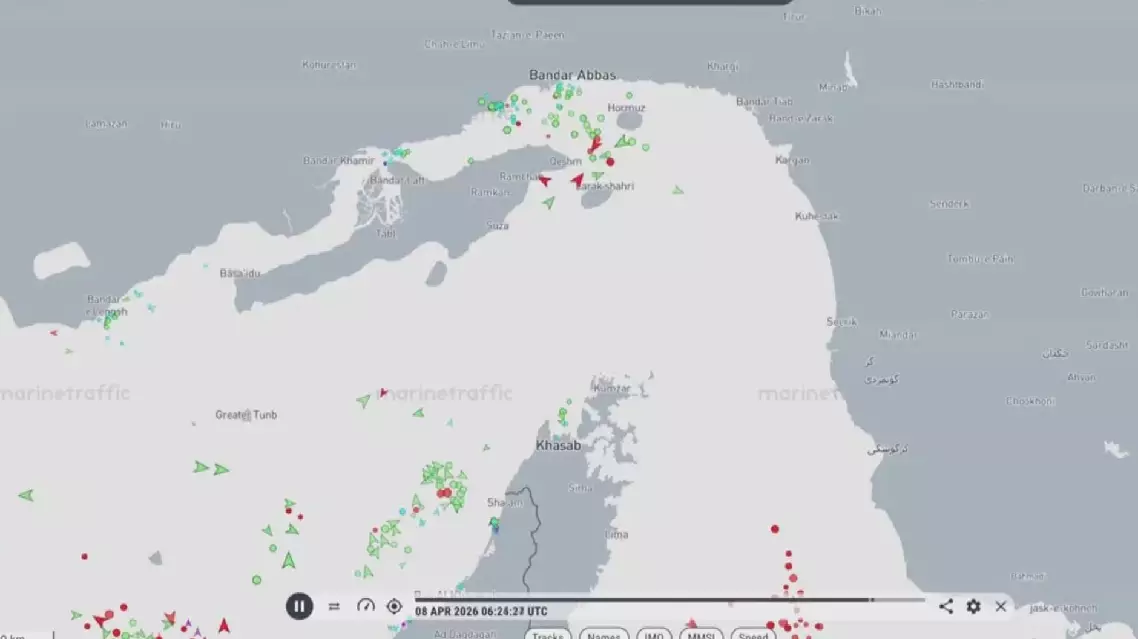
Strait of Hormuz fully closed, forcing oil tankers to turn back
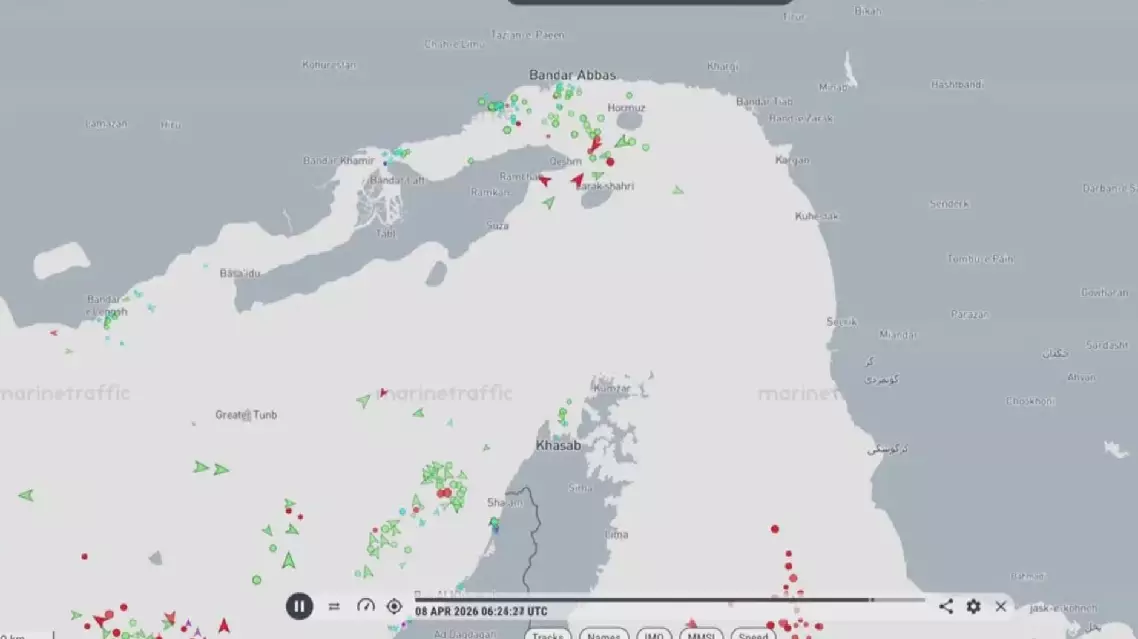
Strait of Hormuz fully closed, forcing oil tankers to turn back