Even under assumptions that the U.S.-Israel war on Iran does not persist past April and that traffic through the Strait of Hormuz gradually resumes, the world will face the pressure of rising oil prices throughout this year, the U.S. Energy Information Administration (EIA) said on Tuesday.
In its latest Short-Term Energy Outlook released on Tuesday, the EIA raised the forecast of Brent crude oil spot price for 2026 to 96 U.S. dollars per barrel from the previous forecast of 79 U.S. dollars a barrel.
Retail gasoline and diesel prices will continue the rising trend this year, said the outlook.
The outlook maintains a risk premium on crude oil prices throughout the forecast period, as the EIA expects uncertainty around future supply disruptions to keep prices above pre-conflict levels.
"Once flows through the Strait of Hormuz resume, we assume it will take time to resolve the backlog and disruption to oil tanker routes and trade flows and that the potential for future disruptions will remain at risk and create a premium in the oil price," it said.
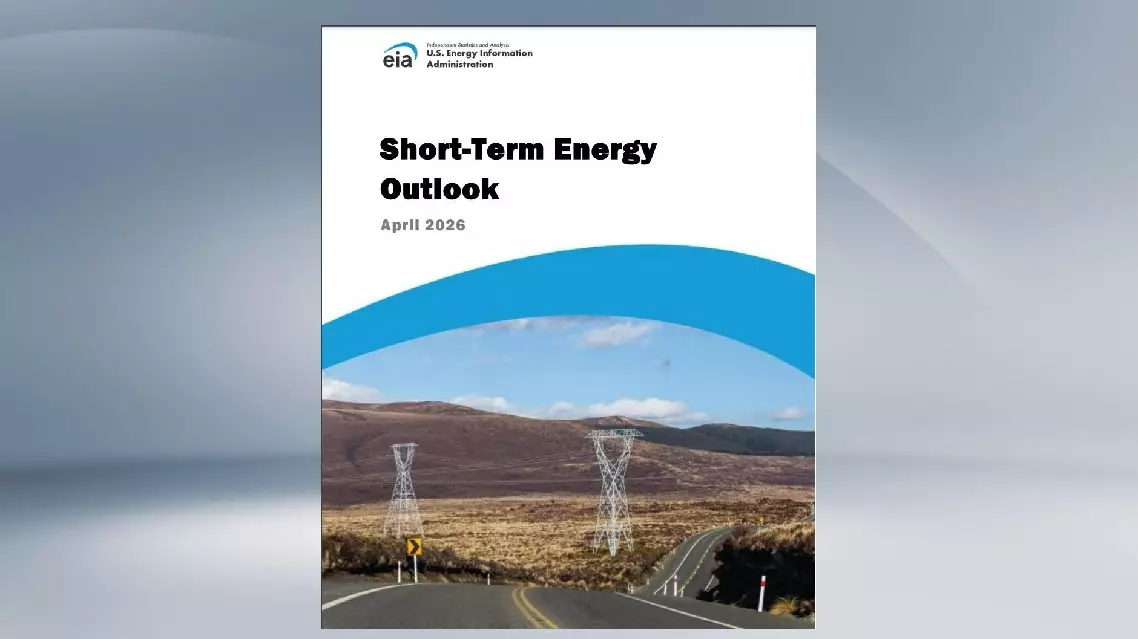
US Energy Information Administration forecasts rising oil prices throughout 2026
Hungarian President Tamas Sulyok on Saturday signed the country's 17th constitutional amendment, triggering the end of his mandate as head of state. Once the law is published in the official gazette, the termination of his mandate will take effect the following day.
Under the constitution, parliament must elect a new president by secret ballot within 30 days.
In a video statement, Sulyok said he had signed the amendment because he had "no constitutional means of acting against this amendment, which violates constitutional principles but was adopted by the National Assembly (parliament) through a lawful procedure."
Prime Minister Peter Magyar welcomed the signing, saying it had "removed the last obstacle to implementing our joint decisions." He said he would consult parliamentary parties on a successor, adding that "the moral basis of the nomination can only come from the trust of society."
Sulyok was elected by Hungary's then Fidesz-majority parliament in 2024 for a five-year term, with his mandate originally due to expire in March 2029. However, Magyar has repeatedly called on Sulyok to resign, accusing him of serving the interests of the previous Fidesz government.
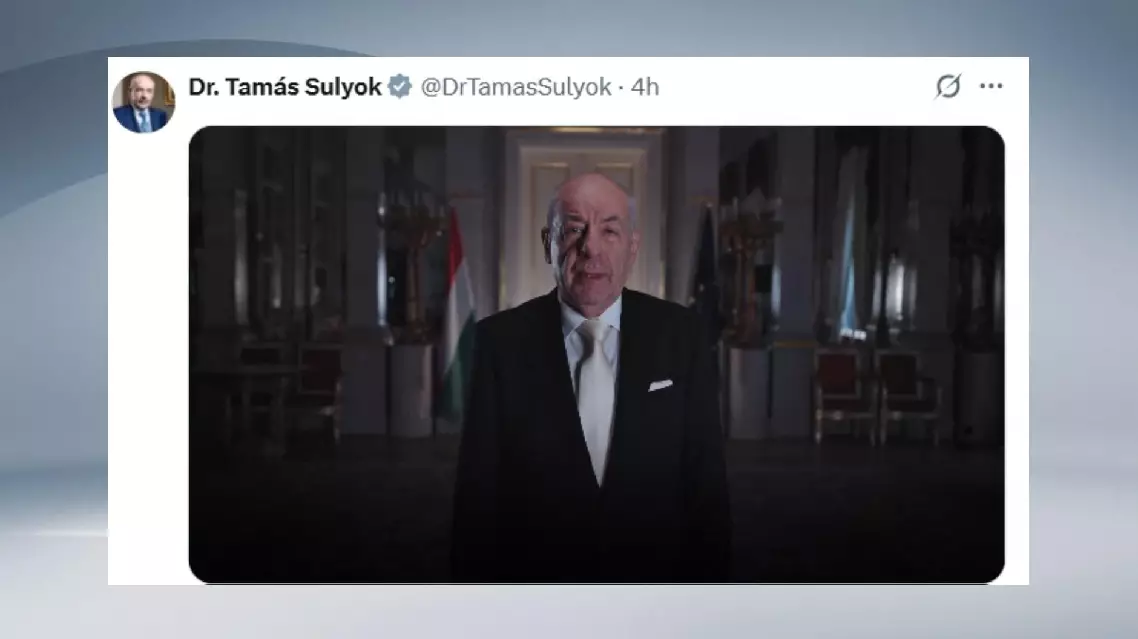
Hungarian president signs constitutional amendment ending own mandate