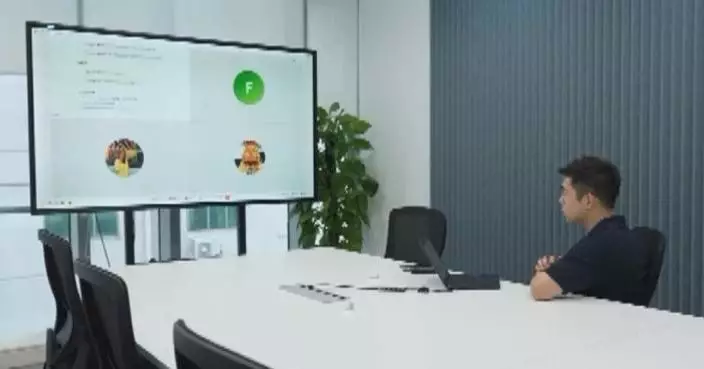
Qinghai Province in northwest China is pioneering the integration of green electricity and computing power development, creating a two-way synergy that matches clean energy with digital demand for sustainable development.
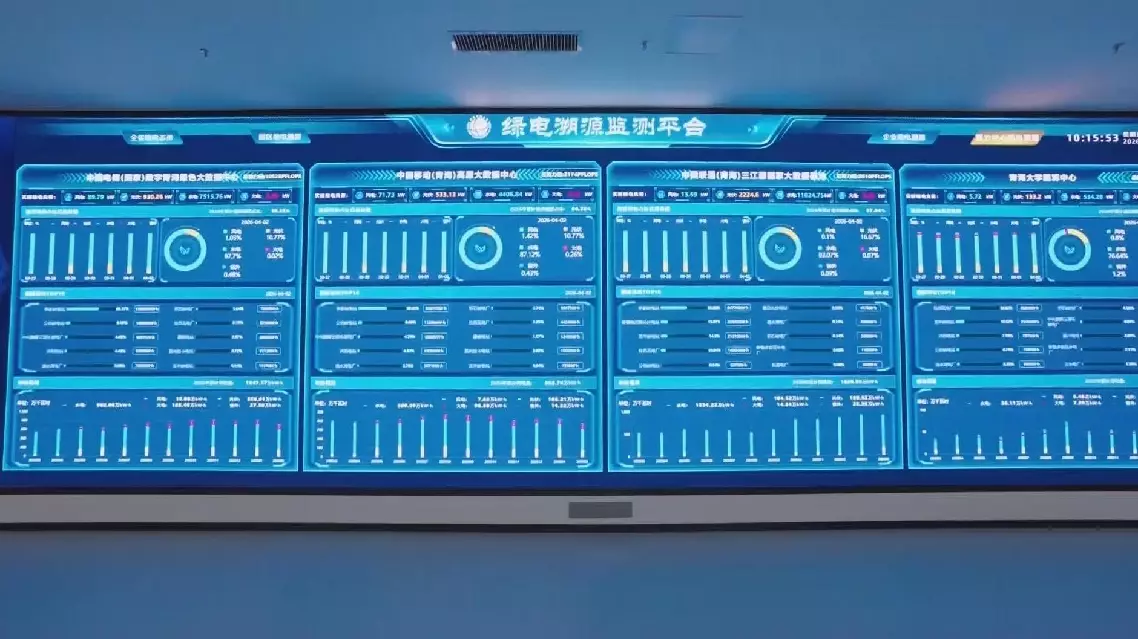
At Qinghai's Clean Energy and Green Computing Power Dispatch Center, real-time data on the province's clean energy generation and annual trends are displayed on large screens. Every kilowatt-hour of green electricity can be traced from its source to its destination, and the center serves as the "smart brain" for real-time coordination between green power and computing needs.
Qinghai boasts abundant solar, wind, and hydropower resources, and the proportion of green energy used by local data centers has kept rising steadily. Last year, the province's data centers increased their green power consumption by over 40 percent year on year. According to State Grid dispatch staff, the main data centers in Qinghai used green electricity for more than 90 percent of their annual power needs, reducing carbon emissions by 158,000 tons.
The first step in precisely matching green power with computing demand is proactive planning. The dispatch center provides optimal scheduling for each data center based on historical clean energy output and previous power load data. By forecasting the next day's optimal power load from the previous week's usage, the system maximizes green power consumption and helps enterprises save on electricity costs.
If the grid cannot absorb all available green power in real time, the platform allows data centers to shift their operations to periods of peak green energy output, thus minimizing waste. Conversely, during low-output periods, data centers would reduce their power use to match supply.
Qinghai's efforts are also expanding beyond the province. Dispatch center staff are currently testing real-time cross-provincial computing power scheduling between the provincial capital city of Xining and Hangzhou City in east China's Zhejiang Province. This means Qinghai's green computing resources can support smart city applications in distant eastern cities.
When data centers in the east face peak demand, high electricity prices, or insufficient local green power, Qinghai can take on their real-time computing tasks, allowing workloads to migrate instantly to where green power is abundant and costs are lower. This trial is expected to be completed within the year, further advancing the integration of green electricity and computing power nationwide.
Qinghai leads way in integrating green electricity with computing power