Shandong Province, designated as China's pilot zone for green and low-carbon growth, has begun the first year of the 15th Five-Year Plan (2026‑2030) by speeding up construction of a new energy system.
The plan calls for a diversified mix of wind, solar, hydro and nuclear power, with a ten-year drive to double non-fossil energy. The eastern Chinese province is advancing an integrated layout to expand renewable bases and modernize its grid.
In the outline of the five-year plan approved by the country's top legislature last month, China put forward to expanding non-fossil energy and accelerating the construction of major wind, solar, hydro as well as nuclear power bases.
Leveraging its fertile hinterland and deep-water ports, Shandong is building a coordinated land-and-sea energy network. The province is positioning offshore wind farms alongside inland solar and nuclear projects, creating a balanced supply chain that links coastal generation with inland consumption hubs.
That strategy is already visible in the coastal city of Qingdao, where workers at an offshore wind base are racing to finish the first-stage project by the end of this month.
"Once the project is fully operational, the main production line will have an annual capacity of 2 million kilowatts. The products will be distributed to Shandong, Jiangsu, Zhejiang, and throughout the northern regions," said Zhang Jian, regional marketing director of Dongfang Electric Wind Power Co.
This project is just a snapshot of Shandong Province's efforts to accelerate the advancement of green energy, expand renewable capacity, and modernize its energy infrastructure.
During the 15th Five-Year Plan, Shandong will focus on developing the modern energy bay area in the Qingdao metropolitan area and the green energy corridor in the Jinan metropolitan area. The province will also accelerate the completion of four major clean energy bases: the nuclear power base and the offshore wind power base on the Jiaodong Peninsula, the onshore wind power base in western Shandong, and the integrated wind-solar-storage-transmission base in northern Shandong.
By 2030, Shandong's installed capacity for non-fossil energy will reach 200 gigawatts, its energy storage capacity will reach approximately 40 gigawatts, and the province will receive more than 200 billion kilowatt-hours of electricity from other regions.
"We have acted in the spirit of the important guidance of General Secretary Xi Jinping and focused on the top priority of the 15th Five-Year Plan. This year, we will focus on ensuring the implementation of 218 key energy projects, form a list of major energy projects, and provide strong momentum for high-quality development in the energy sector," said Zheng Deyan, director of the Shandong Provincial Energy Administration.
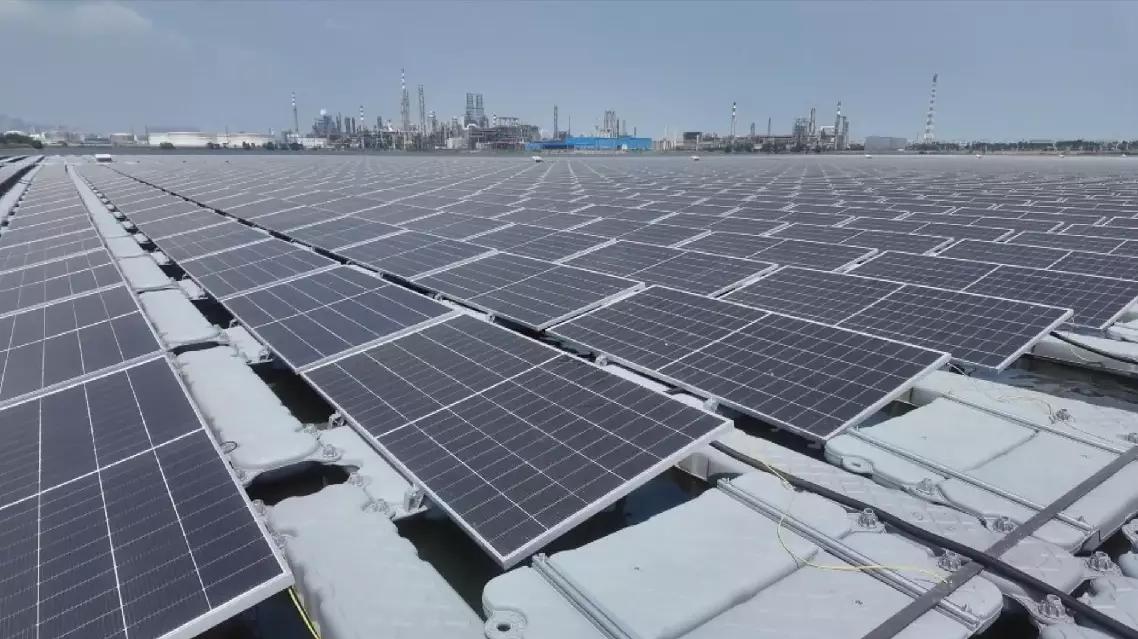
Shandong accelerates clean-energy expansion under 15th Five‑Year Plan