Iran's Supreme Leader Mojtaba Khamenei said on Thursday that the Iranian people have achieved a "decisive victory" in the war against the United States and Israel, and that Iran will move the management of the Strait of Hormuz into a new phase.
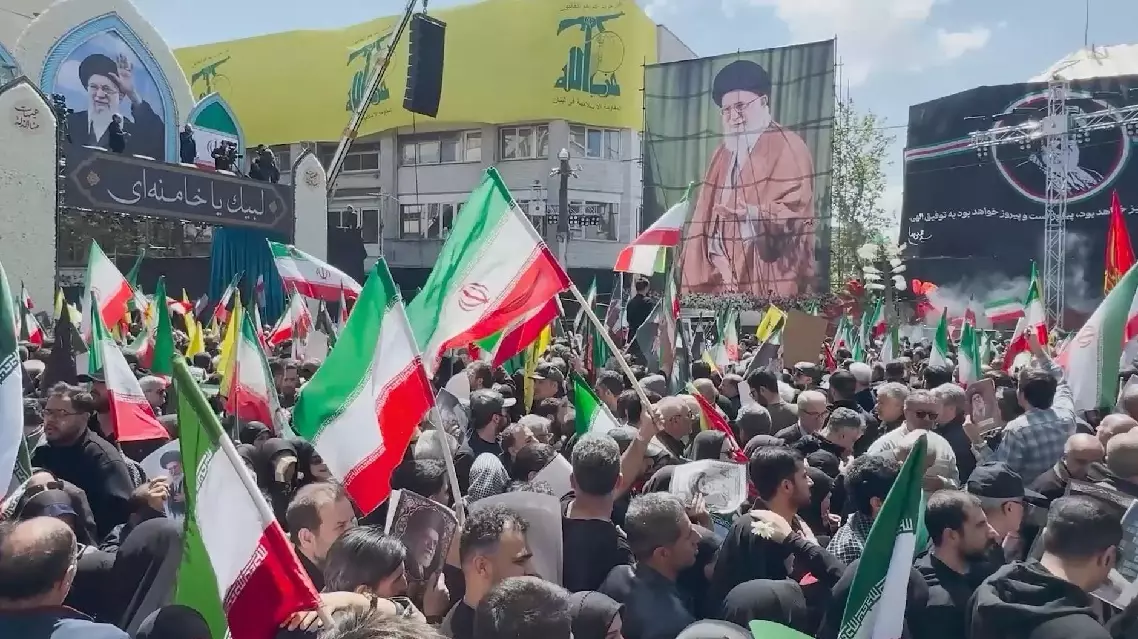
Khamenei made the remarks in a message carried by the Iranian media on the 40th day after the death of former Supreme Leader Ali Khamenei, who was killed in U.S.-Israeli strikes at the start of the conflict.
"We have not sought and do not seek war, but we will not give up on our legitimate rights, and to this end, we consider the entire resistance front as a unified whole," he said.
The supreme leader urged Iran's southern neighbors to "stand in the right place," saying that "We are still waiting for an appropriate response from you to show you our brotherhood and goodwill."
He termed the assassination of his predecessor as one of the "biggest crimes" by Iran's "enemies" and one of the most "severe public sorrows" in Iran's history.
Iran's people will demand compensation for every damage in the country caused by the attacks of the "aggressors," he said.
Meanwhile, Iran's Parliament Speaker Mohammad Baqer Qalibaf issued a statement regarding the regional situation on Thursday evening, saying that only when the United States no longer violates the ceasefire agreement, will Iran consider negotiations. Otherwise, the conflict will resume, and the Iranian people and the military are prepared for that, he said.
In the statement, Qalibaf emphasized that Iran has achieved an undeniable victory in the war and has elevated the country's position in the regional and global order.
However, this victory is only the first step, and Iran firmly believes that military and diplomatic means cannot be separated and will continue to defend the rights of the Iranian people, striving for ultimate victory through the combination of military and diplomatic struggles, he said.
On Feb. 28, Israel and the United States launched joint military strikes against Tehran and several other Iranian cities, killing Iran's then supreme leader, along with senior military commanders and civilians.
Iran responded with waves of missile and drone strikes targeting Israel and U.S. assets in the Middle East, and tightened control over the Strait of Hormuz.
A two-week ceasefire reached between Washington and Tehran took effect on Wednesday, with peace talks between the two sides scheduled to begin later this week in Islamabad, Pakistan.
Mojtaba Khamenei, son of Ali Khamenei, was selected as Iran's new supreme leader on March 8.
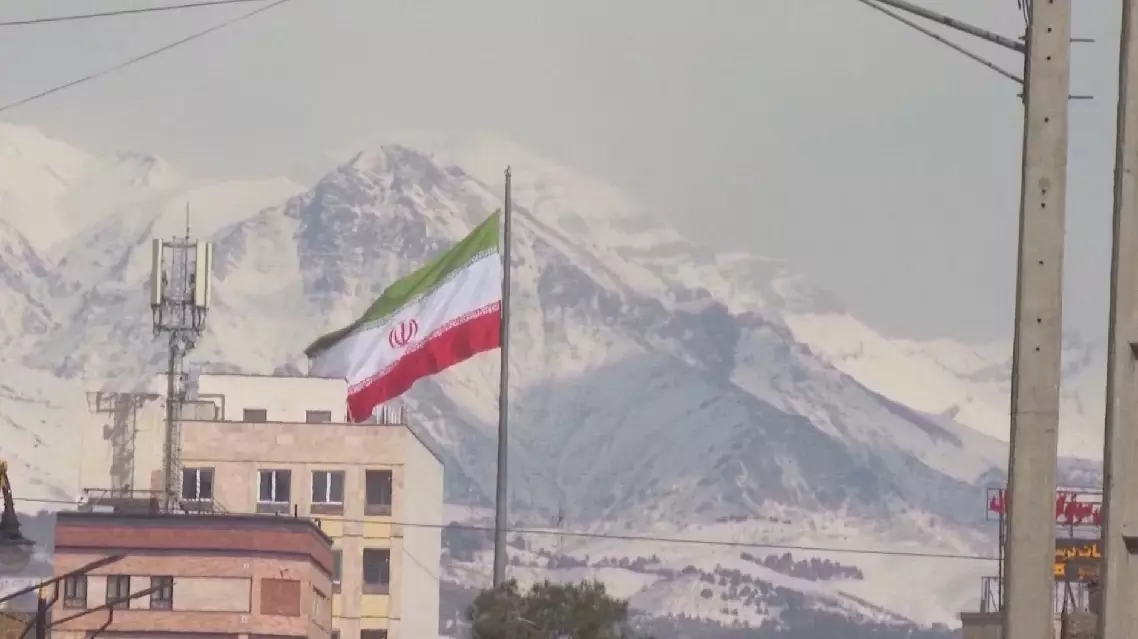
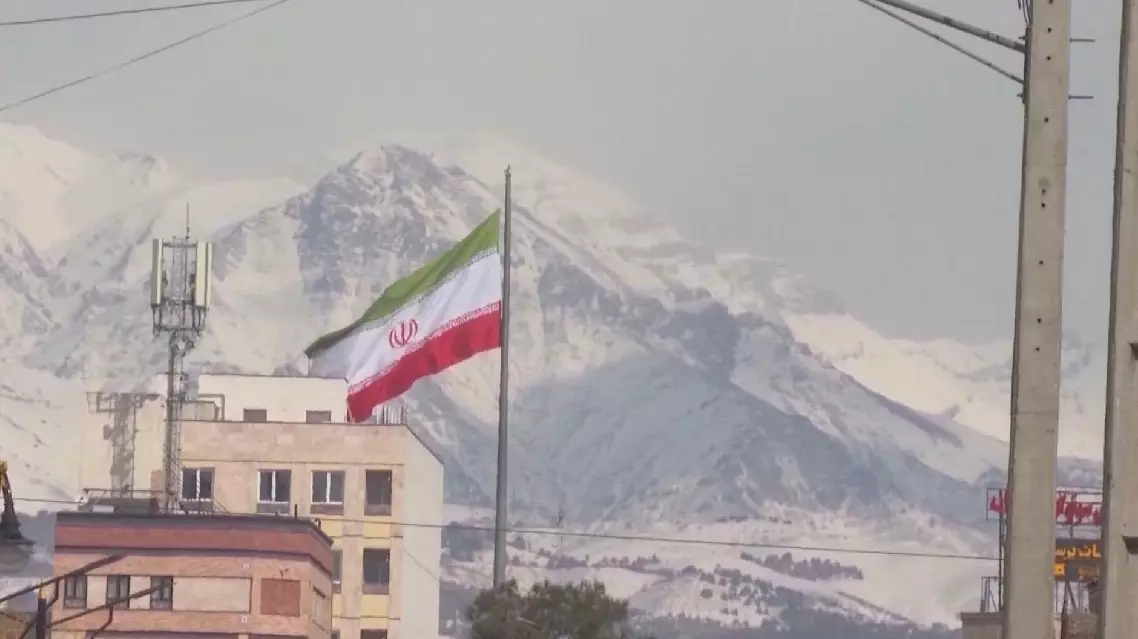
Iran's supreme leader declares "decisive victory," announces new phase in Strait of Hormuz management
Iran's supreme leader declares "decisive victory," announces new phase in Strait of Hormuz management