Skip to Content Facebook Feature Image

Taiwan vlogger bridges cross-Strait gaps with popular cultural vlogs in Chongqing

China

China

China

Taiwan vlogger bridges cross-Strait gaps with popular cultural vlogs in Chongqing

2026-04-10 16:25 Last Updated At:04-11 13:29

A young vlogger from China's Taiwan has emerged as a popular content creator in the bustling southwestern Chinese metropolis of Chongqing with her visual storytelling helping connect audiences across both sides of the Taiwan Strait.

Yang Ching-ju, who comes from Taiwan's Taichung, documents cultural tourism experience across the mountainous city, and particularly draws attention to the similarities in culture and customs shared by Chongqing and Taiwan in her vlog posts.

Aside her own family ties, Yang says the connection between Chongqing and Taiwan runs very deep, and believes many visitors from Taiwan experience a sense of inexplicable closeness when they come to Chongqing.

"I think Chongqing is a very fiery and passionate city. As everyone knows, the Liberation Monument here has always been a spiritual stronghold for the people of Chongqing. It involves historical events such as the Bombing of Chongqing by Japanese invaders during World War II. This is also a kind of tenacity deeply rooted in the bones of the Chongqing people," she said.

Yang has achieved huge success and gained a sizable following through her videos, and is now also running businesses in Chongqing, helping to share the cultural and products of the city more widely.

"I have a large number of viewers. With it, we can do a lot of things. For instance, we can promote products and earn some income from advertising. Additionally, we can create personal IP. I can collaborate with many industries related to tourism and culture," she said.

Admitting that there were problems reaching some viewers, Yang emphasized the need to increase communication between the two sides of the Strait.

"I think a large number of views is truly a double-edged sword. Actually, I'm quite afraid of it. There will definitely be some so-called 'dark fans' or those whose stance might be a little bit more extreme. I often received messages saying you just stay in the mainland since you think it is so good. A friend in Taiwan said to me that 'you are lying for this is clearly the night view of Hong Kong. Why did you tell me it's the night view of Chongqing?' The biggest problem between the two sides now might be a lack of communication. There are many who support me from both sides. So, I become even more determined to do this," she said.

Yang also attributed part of her success to what she described as the mainland people's 'natural curiosity' and 'closeness' to their Taiwan compatriots. She also says a big part of her drive comes from her roots in Sichuan, which Chongqing was administratively part of before becoming a municipality in the 1990s.

"My ancestral home is Anyue in Sichuan Province. My grandfather came back from Taiwan to develop business in Chongqing. I actually have quite a bit of regret now because I didn't ask him about the past in details. He returned to his hometown in his 70s. I have always said that Chongqing is my second hometown," she said.

"I believe that I have witnessed its fastest development over the past 10 to 15 years. Apart from the fact that I think Chongqing is great, I think it's more about sentiment. It's about my grandparents' generation. Since they decided to develop here at that time, they only recognized that their roots were here. I feel that I must continue to pass on this spirit," Yang added.
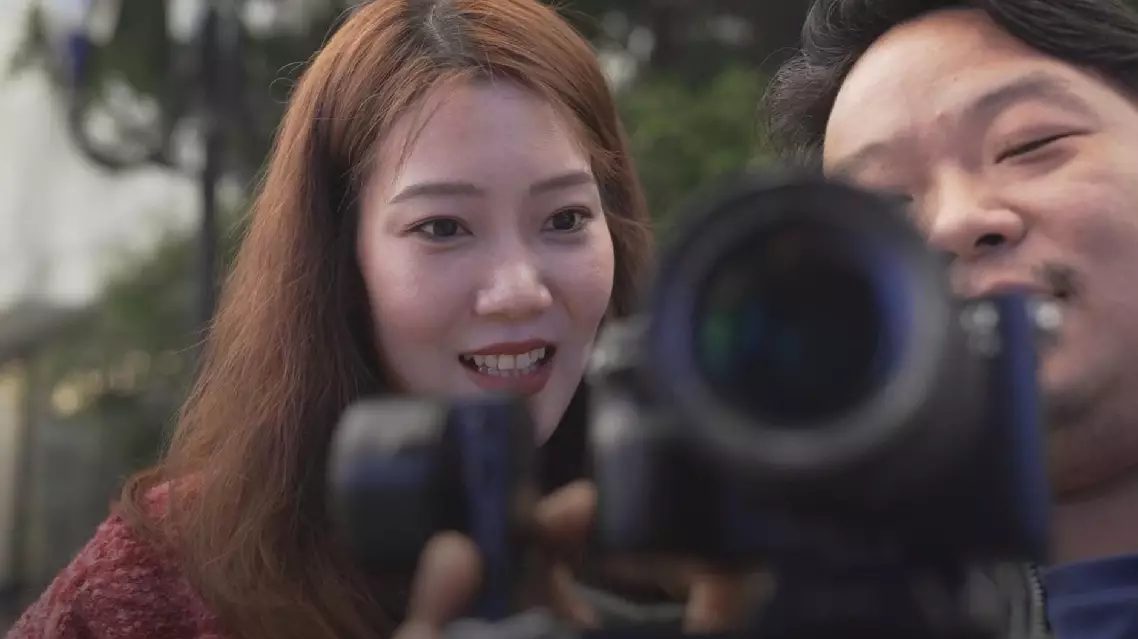
Taiwan vlogger bridges cross-Strait gaps with popular cultural vlogs in Chongqing
Taiwan vlogger bridges cross-Strait gaps with popular cultural vlogs in Chongqing

Colombians are heading to the polls on Sunday to elect their next president. The country's constitution prevents the current President, Gustavo Petro, from running for a second term.

Yet, many see this election as a referendum on the policies of Gustavo Petro, Colombia's first leftist president.

There are 14 candidates on Sunday's ballot, but the polls show it will likely be a tight three-way race.

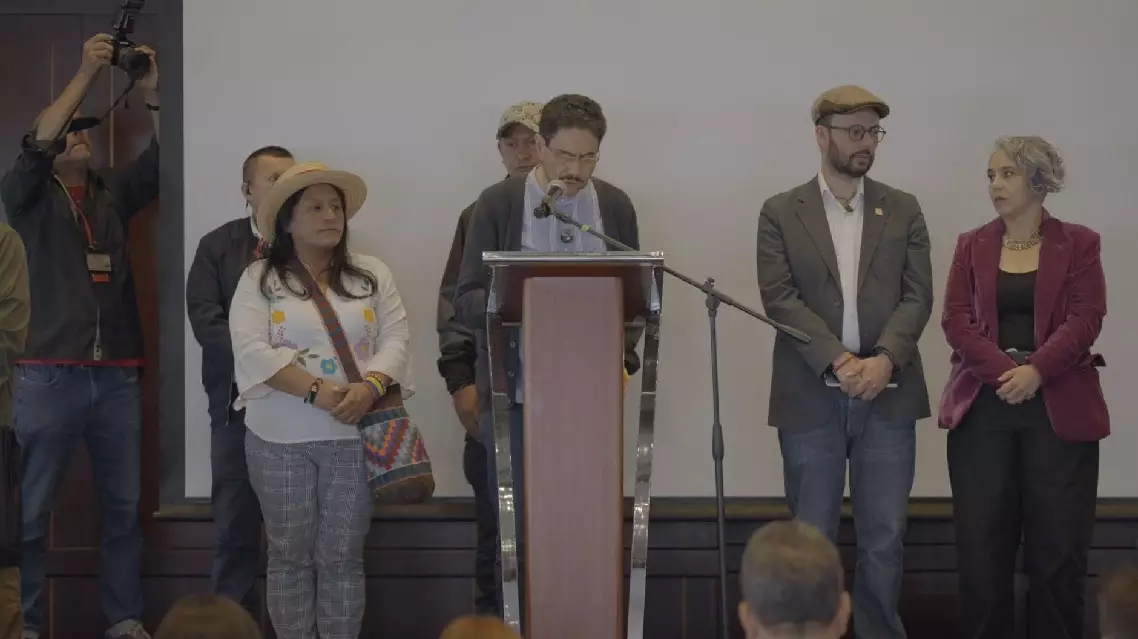
The frontrunner is Ivan Cepeda, a 63-year-old three-term senator, representing President Gustavo Petro's party, the Historic Pact coalition. Cepeda has vowed to defend and deepen Petro's progressive reforms and social justice policies to reduce inequality. He also promises to continue the government's controversial "Total Peace" strategy to negotiate the disarmament of remaining guerrilla groups and criminal gangs.

"True prosperity comes from equality, from access to rights, and from transforming the peripheral and excluded territories of the rural world," Cepeda said at a campaign rally.

Running as a political outsider and independent is Abelardo de la Espriella, a 47-year-old lawyer, nicknamed "The Tiger." He has presented himself as the "authority and order" candidate who will reduce state spending by up to 40 percent in the next four years.

"(First,) we must fight insecurity. Colombia is suffering today from a pandemic of insecurity. Crime is out of control: extortion, cattle theft, smuggling, drug trafficking," he said to his supporters at an election event.

According to polls, the third candidate with strong support is Paloma Valencia. The 48-year-old senator represents the Democratic Center party led by popular former President Alvaro Uribe Velez. Her candidacy is backed by politicians and economists who are concerned with growing levels of public debt. They want to see a return to more conservative fiscal policies.

"I don't want to be a president who governs alone, locked away in glass offices. I want to be a president who stands with citizens, who embraces them, who reaches out to them, who has a team, and who governs to transform Colombia," the candidate said at the campaign event

According to polls earlier in the year, many voters are expressing concerns about unemployment, rising living costs, corruption, and, above all, public security.

The election comes after a turbulent year that the International Committee of the Red Cross has called "the worst humanitarian consequences of armed conflict over the past decade."

"(We arrive at this election in a tense atmosphere - tense) because of the economic situation, because of the security situation, and because of the narratives that have been built around the country's main problems. On top of that, emotions, ideas and social media have all helped raise (the tone,)" said Eduardo Velosa, associate professor from International Studies Javeriana University.

If no candidate receives 50 percent of the vote, a runoff election will be held between the top two finishers on June 21st.

Colombians prepare to choose their next president

Colombians prepare to choose their next president

Recommended Articles