AUGUSTA, Ga. (AP) — In a normal tournament, Tyrrell Hatton is one of golf's most combustible personalities.
At the Masters, under the pressure of a major championship? Tick ... tick ... tick ...
Click to Gallery
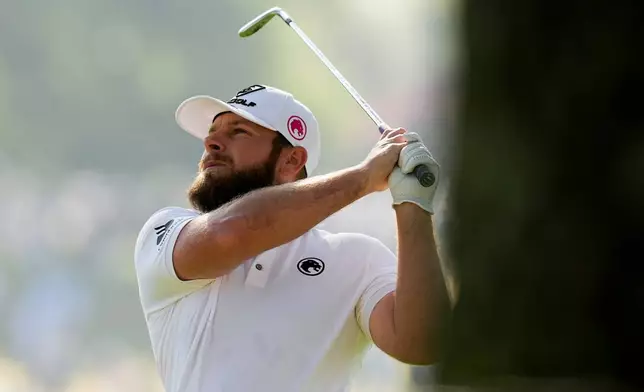
Tyrrell Hatton, of England, watches his shot on the second hole during the second round of the Masters golf tournament at the Augusta National Golf Club, Friday, April 10, 2026, in Augusta, Ga. (AP Photo/Gerald Herbert)
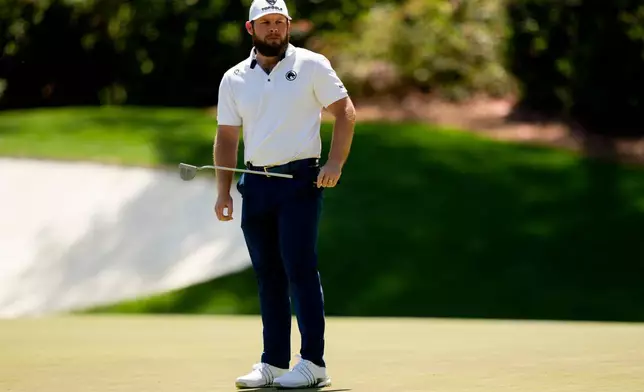
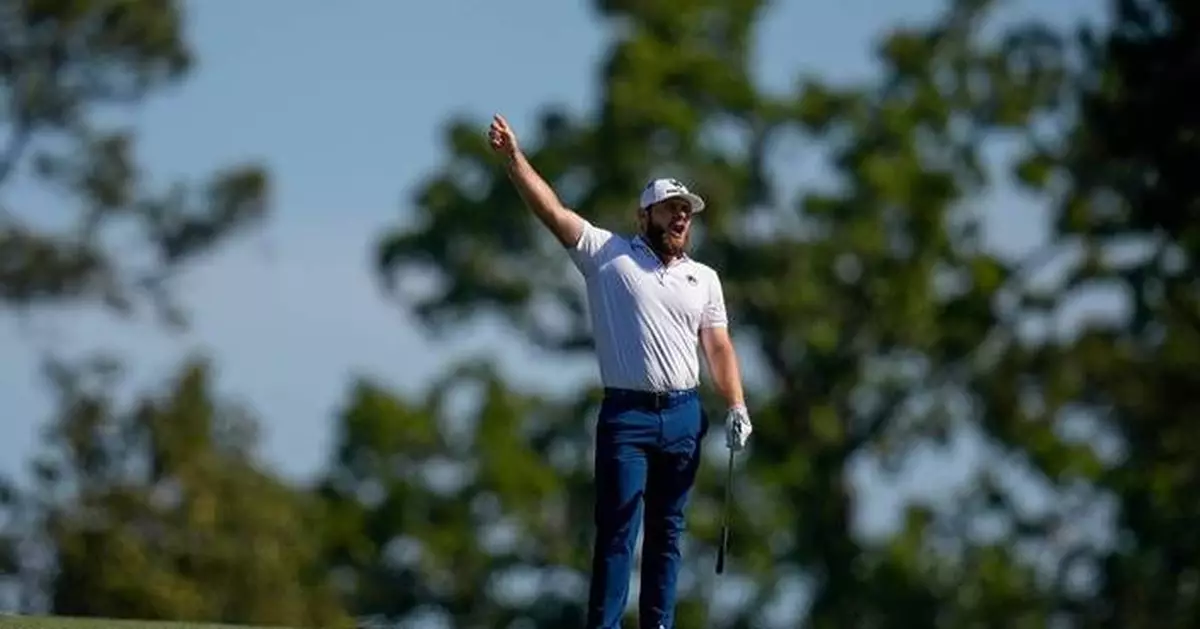
Tyrrell Hatton, of England, reacts after missing a putt on the 13th hole during the second round of the Masters golf tournament at the Augusta National Golf Club, Friday, April 10, 2026, in Augusta, Ga. (AP Photo/Matt Slocum)
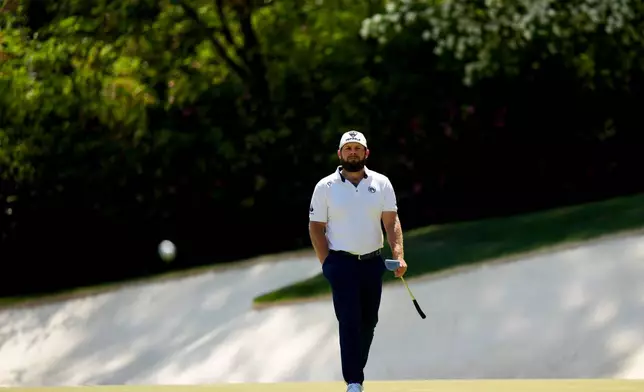
Tyrrell Hatton, of England, walks on green on the 13th hole during the second round of the Masters golf tournament at the Augusta National Golf Club, Friday, April 10, 2026, in Augusta, Ga. (AP Photo/Matt Slocum)
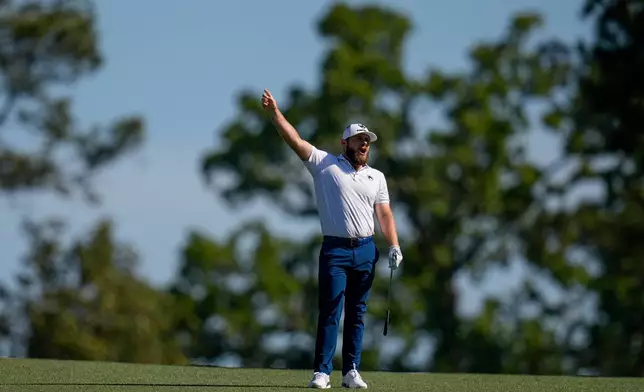
Tyrrell Hatton, of England, reacts to his shot on the second hole during the second round of the Masters golf tournament at the Augusta National Golf Club, Friday, April 10, 2026, in Augusta, Ga. (AP Photo/Eric Gay)
“If anything, I am probably more on edge,” he said.
If so, Friday was proof that you can succeed at Augusta National even if you're wound a little tight. Hatton shot a 6-under 66, the lowest round of the Englishman's Masters career. Hatton hit all 18 greens in regulation, becoming the third player in the last 30 years to do that at this event.
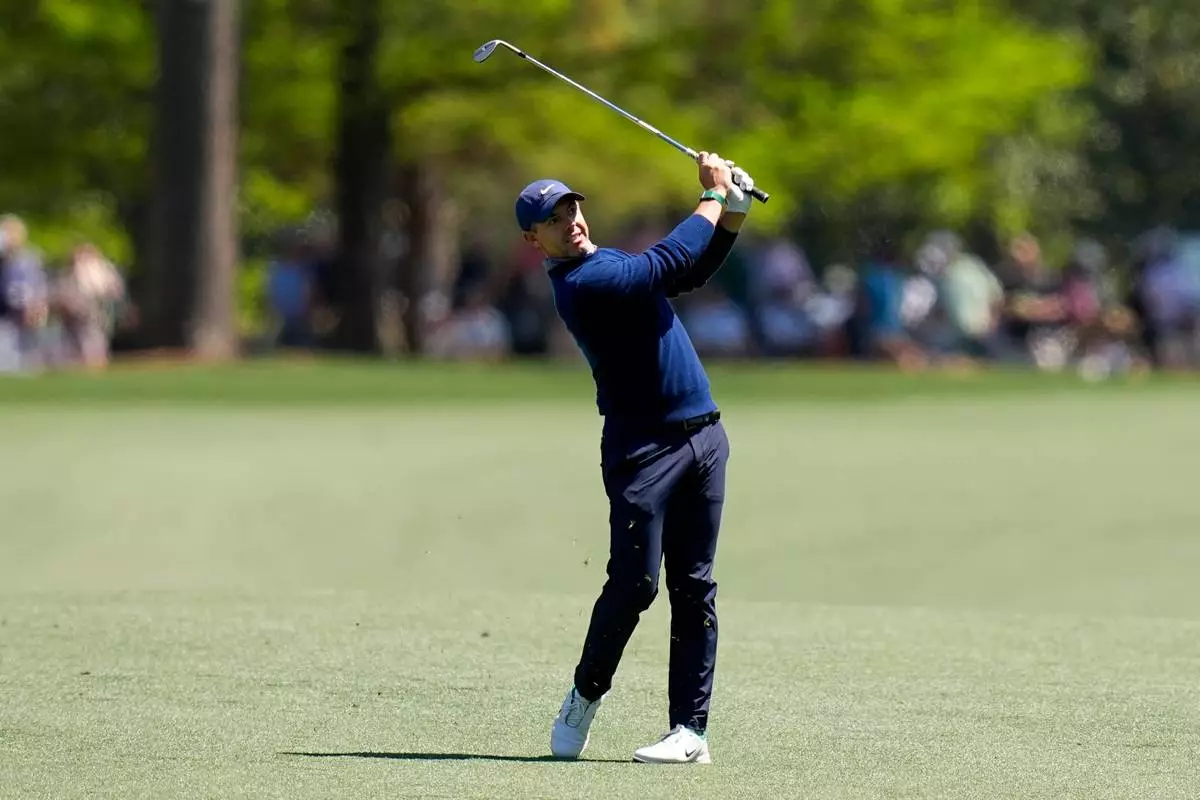
The 66 was also the lowest round by any player this week until Rory McIlroy's 65 later Friday.
All of this on a golf course that can test a player's patience. So, it was posited to Hatton afterward, that must mean he's the most patient player in the field?
“I mean, quite clearly,” Hatton cracked.
Hatton's opening round included a gesture in which he jerked his fist upward, doing everything but extending his middle finger. (It was Robert MacIntyre who did that on his way to a first-round 80.)
Hatton had reason to be livid. His approach at No. 7 bounced off the flagstick and into a bunker. He made bogey and went on to shoot 74.
“I was absolutely headless on 7 yesterday,” Hatton said after Friday's round. “I had gone from essentially having a very good birdie opportunity to not only has it gone back in the bunker at speed, it’s gone onto the flat, and then it’s semi-buried itself.”
Hatton birdied No. 7 on Friday, along with six other holes, and it wasn't until a three-putt on 18 that he made a bogey. That stuck with him, of course.
“Today was a great day. Actually walking up 18 I was pretty confident that I couldn’t mess it up enough that I wouldn’t shoot my best score here. I mean, naturally I tried with a three-putt, so that was disappointing, to say the least,” Hatton said. “But yeah, I mean, I certainly would have taken 6 under before I went out.”
Hatton had never shot better than 68 at the Masters, and his best overall finish was a tie for ninth a couple of years ago. It'll be hard for him to win this year, trailing the leader McIlroy by eight strokes, but Hatton is only two behind second place and can keep trying to move up the leaderboard.
That could be eye-opening for viewers not familiar with the way he wears his heart on his sleeve.
“People, I guess, will either like how I am on the golf course or they won’t. I won’t lose sleep over it,” he said. “But maybe they see themselves in me and how they play golf at the weekend and how they react, but that’s for them to judge.”
Friday was a pretty good day for temperamental types. Wyndham Clark, who last year damaged a locker at U.S. Open host Oakmont, shot 68 on Friday. Even MacIntyre rebounded a bit to shoot 71.
“Right now I feel like I’m in a great place mentally. Calm, relaxed,” Clark said. “So when I tee it up I feel comfortable and just go play golf.”
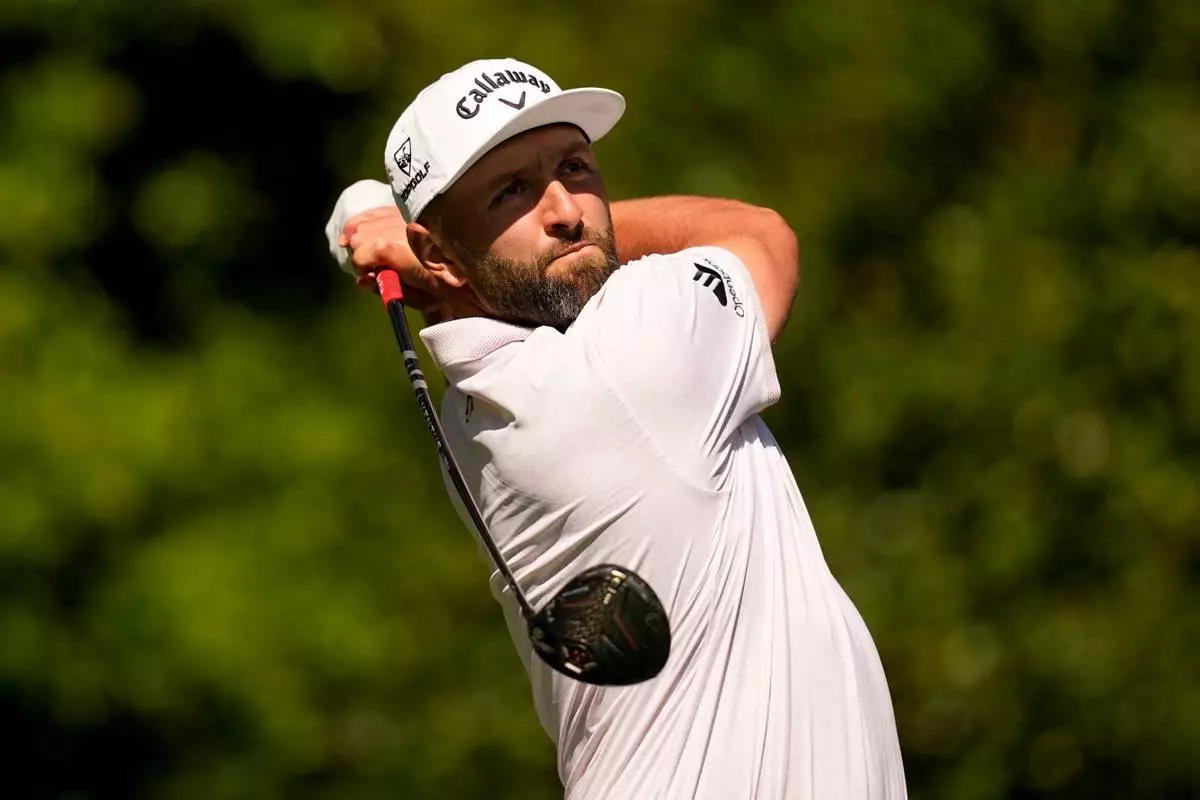
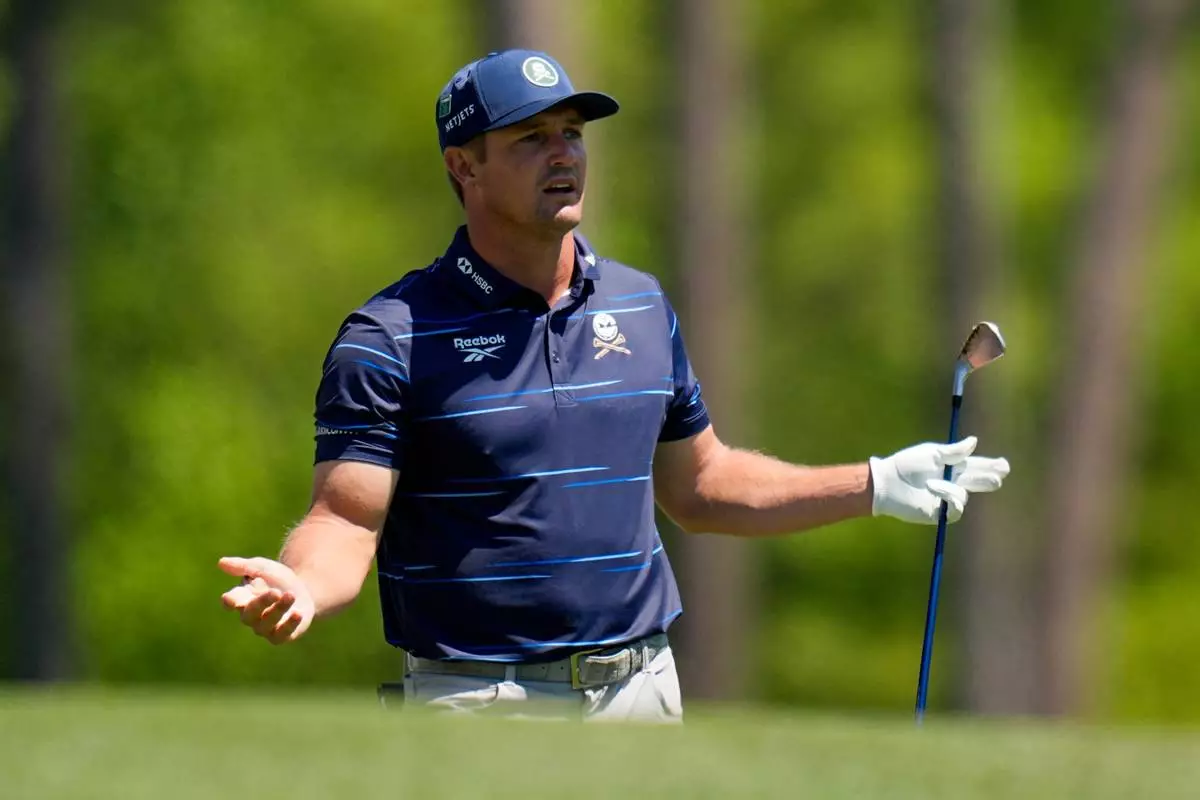
Hatton was even better, and his round helped salvage a rough couple days for LIV Golf, with Bryson DeChambeau missing the cut and Jon Rahm barely making it.
Hatton could have had to sweat it out after his Thursday struggles, but now he can look forward to an even bigger stage, with a late tee time in the third round.
“I feel like my swing was getting in a better spot. So it was nice to hit the ball like I did today. Hopefully I can take that into the weekend,” he said. “I know it’s going to be tough, so the more greens I can hit and hopefully hit it on the right spots on those greens, then it will make my life a little bit easier.”
AP golf: https://apnews.com/hub/golf
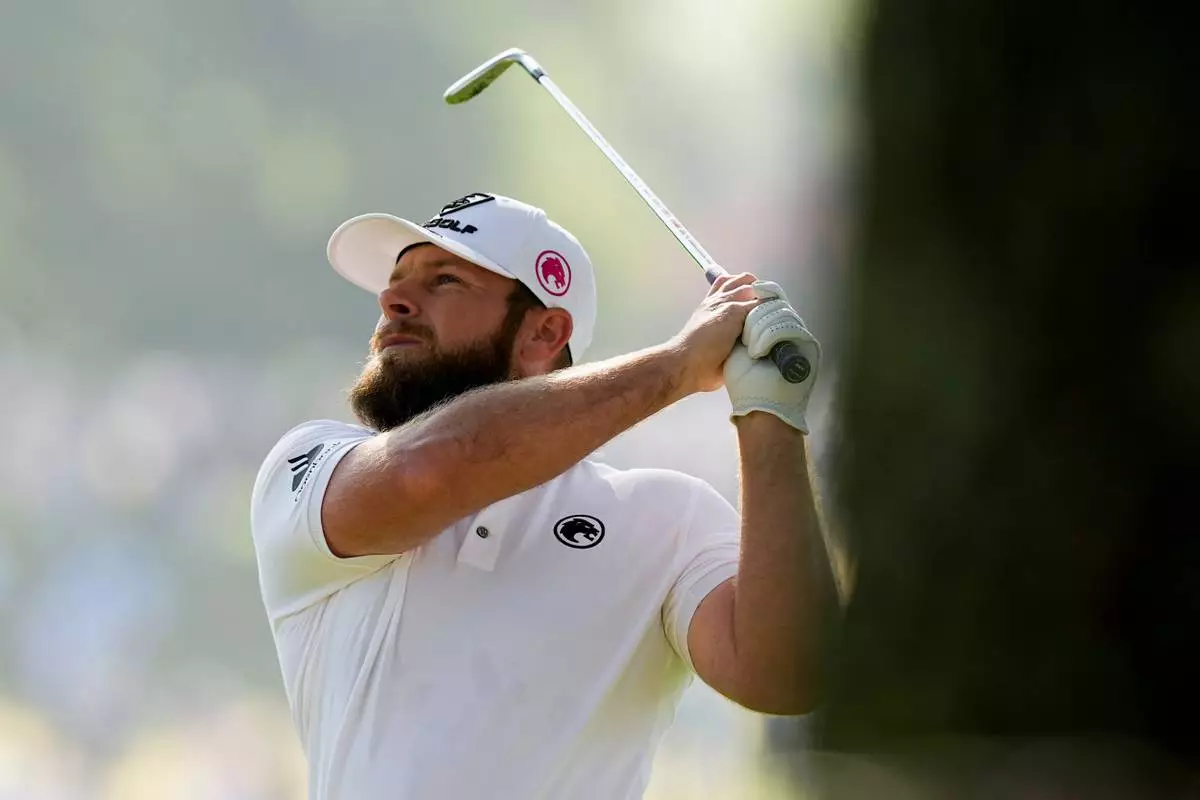
Tyrrell Hatton, of England, watches his shot on the second hole during the second round of the Masters golf tournament at the Augusta National Golf Club, Friday, April 10, 2026, in Augusta, Ga. (AP Photo/Gerald Herbert)
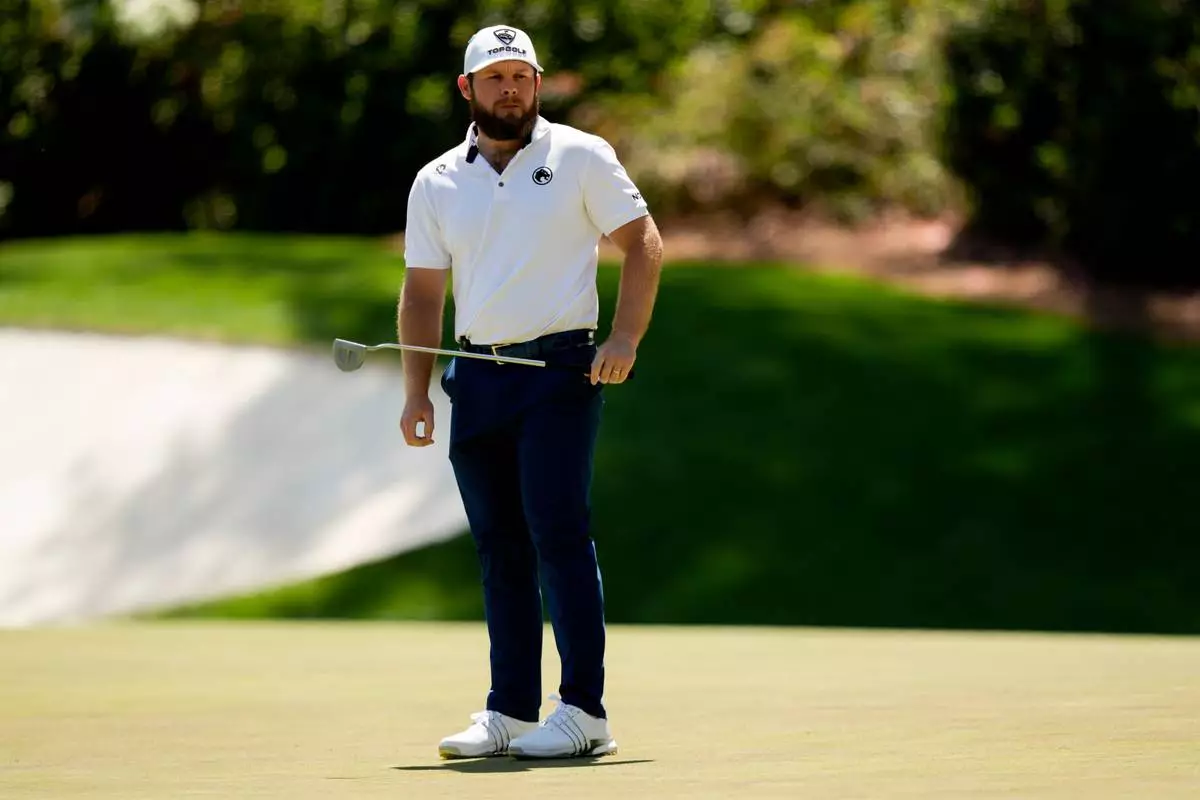
Tyrrell Hatton, of England, reacts after missing a putt on the 13th hole during the second round of the Masters golf tournament at the Augusta National Golf Club, Friday, April 10, 2026, in Augusta, Ga. (AP Photo/Matt Slocum)
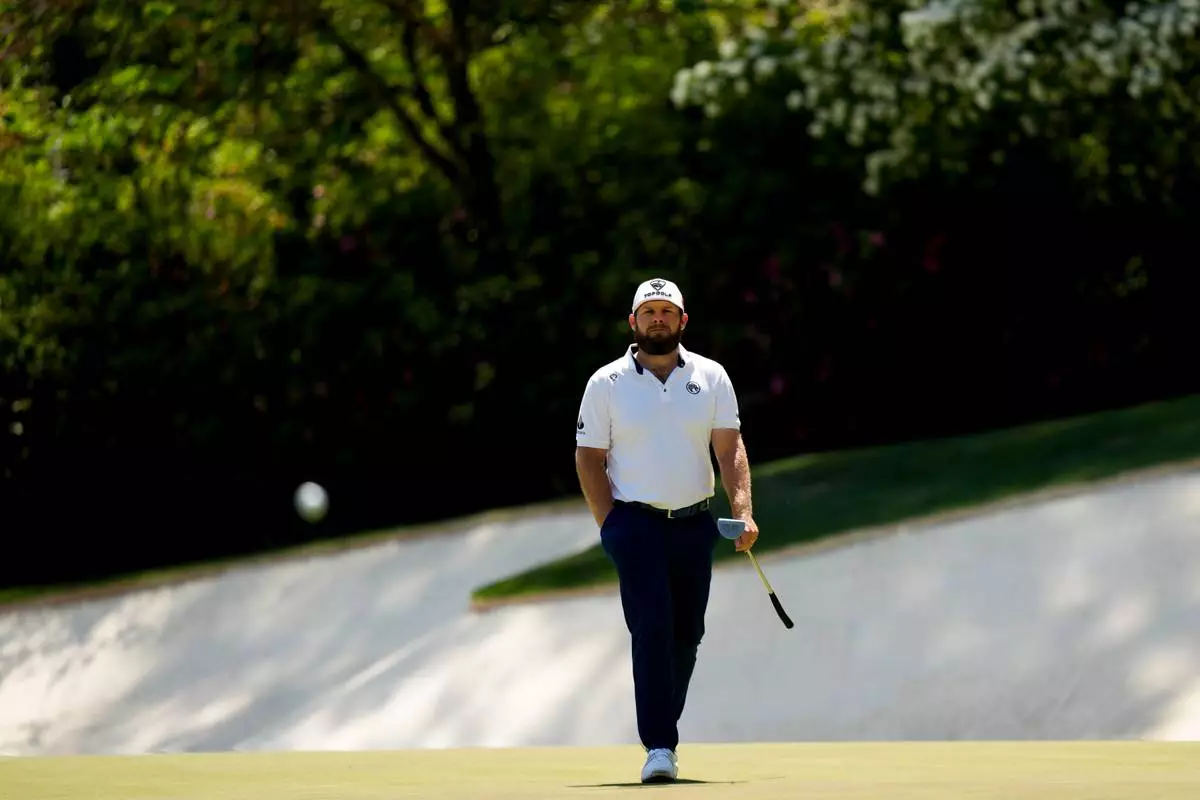
Tyrrell Hatton, of England, walks on green on the 13th hole during the second round of the Masters golf tournament at the Augusta National Golf Club, Friday, April 10, 2026, in Augusta, Ga. (AP Photo/Matt Slocum)
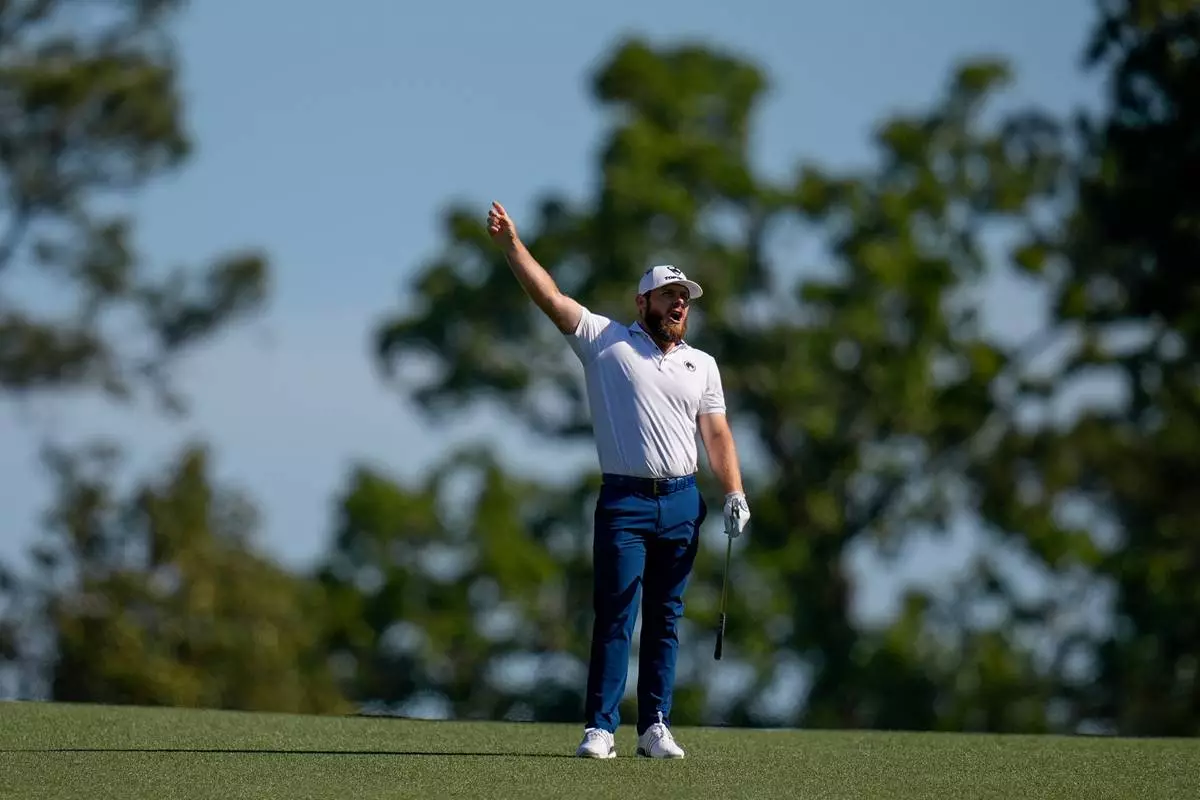
Tyrrell Hatton, of England, reacts to his shot on the second hole during the second round of the Masters golf tournament at the Augusta National Golf Club, Friday, April 10, 2026, in Augusta, Ga. (AP Photo/Eric Gay)