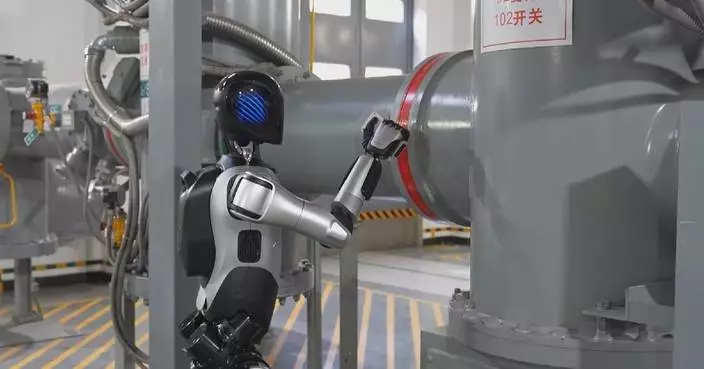
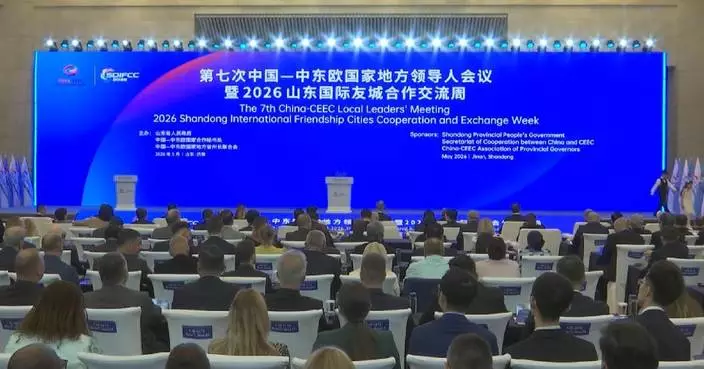
National high-tech industrial development zones across China have seen significant enhancement of their innovation capability over the past year, providing powerful support for the development of new quality productive forces in the country, officials with the Ministry of Industry and Information Technology (MIIT) said on Friday. According to the latest official data released by the MIIT, enterprises in the national high-tech industrial development zones spent about 1.2 trillion yuan (about 175.8 billion U.S. dollars) on in-house research and development in 2025, up roughly 30 percent from the end of 2020.
In 2025, enterprises operating in the national high-tech industrial development zones held a total of 2.2 million invention patents, the data show.
In the year, the number of high-tech enterprises and listed enterprises in the national high-tech industrial development zones increased by about 60 percent and 70 percent, respectively, over the end of 2020. The number of newly registered enterprises in the zones reached 1.2 million in 2025, a year-on-year increase of 7 percent.
In 2025, there were more than 8,200 "little giant" enterprises -- firms that apply special and sophisticated techniques to produce unique and novel products -- operating in the national high-tech industrial development zones, up about 20 percent year on year, and accounting for 46 percent of China's total, the ministry said.
"We've launched an operation to develop new tracks in national high-tech industrial development zones, and to establish a dedicated database for this purpose. Focusing on 15 key emerging fields -- including quantum technology, brain-computer interfaces, and humanoid robots -- we will select a group of key parks for each track, aiming to build the national high-tech industrial development zones into cradles of new tracks," said Wu Jiaxi, deputy director of the Planning Department of the MIIT at a press conference in Beijing.
More than 26 million people are employed in these zones, about 40 percent of whom hold bachelor's degrees or higher. The full-time equivalent of research and development personnel per 10,000 employees in the zones is about 12 times the national average, said the ministry.
"The national high-tech industrial development zones across China have brought together over 1,300 universities and more than 5,000 research institutes, fostering a pool of high-caliber, application-oriented, interdisciplinary, and innovative talent that is both adapting to and driving the progress of modern industries," said Lyu Xianzhi, director of the Torch High Technology Industry Development Center.
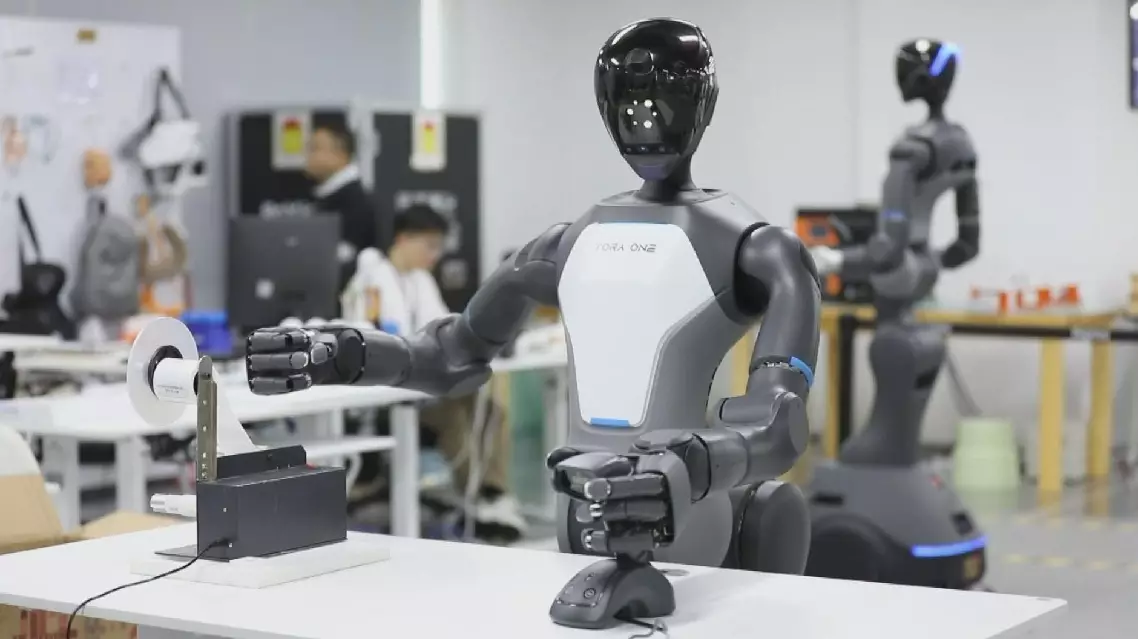
China's high-tech industrial development zones see significant enhancement of innovation capability: officials