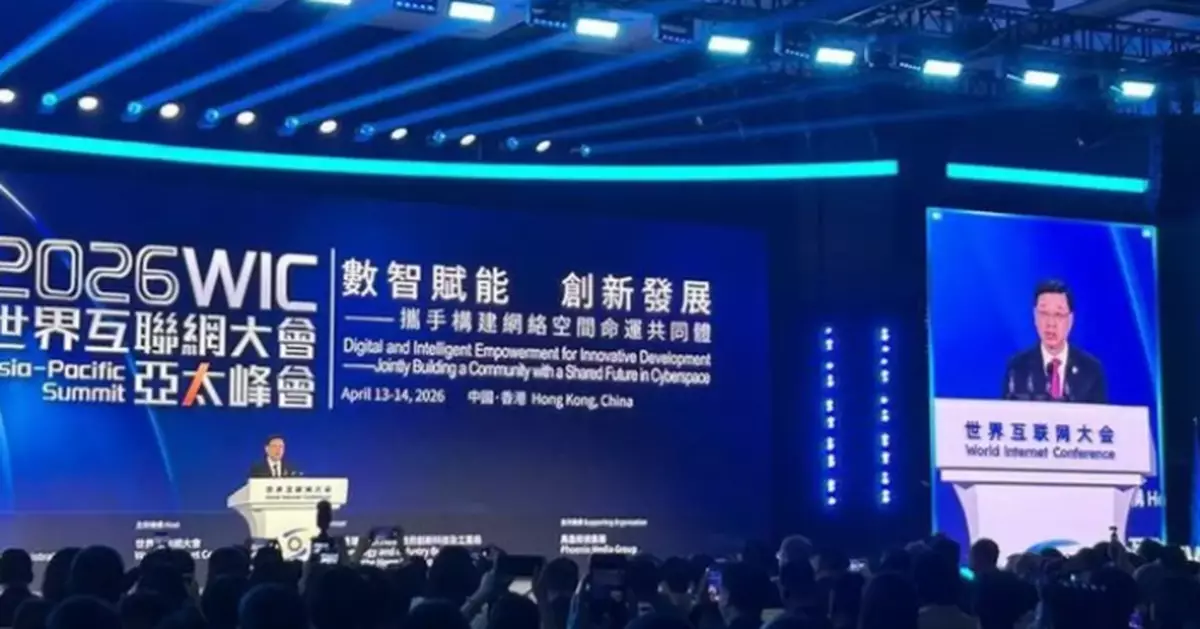
The 2026 World Internet Conference Asia-Pacific Summit, hosted by the World Internet Conference and organized by the HKSAR Government, with the Innovation, Technology and Industry Bureau as co-organizer, opened at the Hong Kong Convention and Exhibition Centre today. The summit, themed "Digital and Intelligent Empowerment for Innovative Development – Jointly Building a Community with a Shared Future in Cyberspace" brings together political and business leaders, representatives of international organizations, experts, scholars, and industry leaders from around the world to explore cutting-edge internet technologies and regional digital cooperation, injecting new momentum into the development of the digital economy in the Asia-Pacific region and beyond.
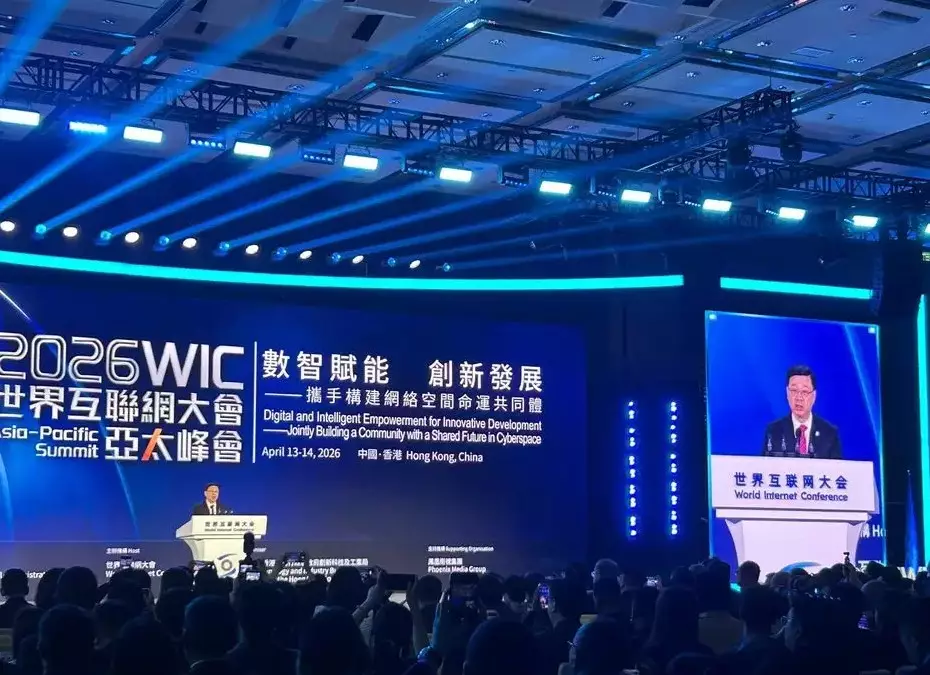
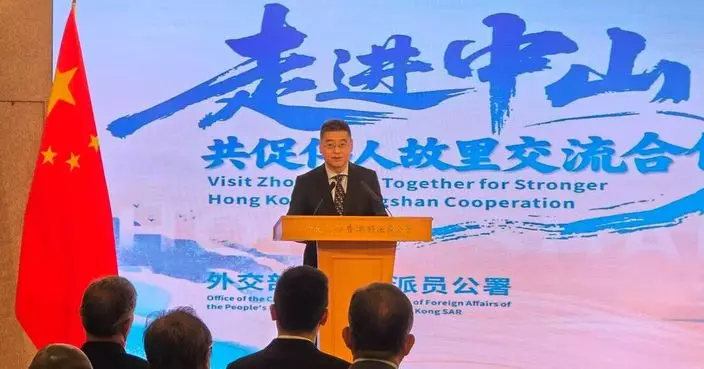
The Chief Executive, Mr. John Lee, Photo by Bastille Post
In the opening speech, the Chief Executive, Mr. John Lee, stated that the Summit, which brings together over 1,000 participants from approximately 50 countries and regions, aims to seek cooperation opportunities and build connections. He pointed out that the Summit fully demonstrates Hong Kong's unique position under the "One Country, Two Systems" principle, highlights Hong Kong's influence as an international innovation and technology hub, and consolidates the deep integration of Hong Kong's development strategy with the national strategy.
Click to Gallery
The Chief Executive, Mr. John Lee, Photo by Bastille Post
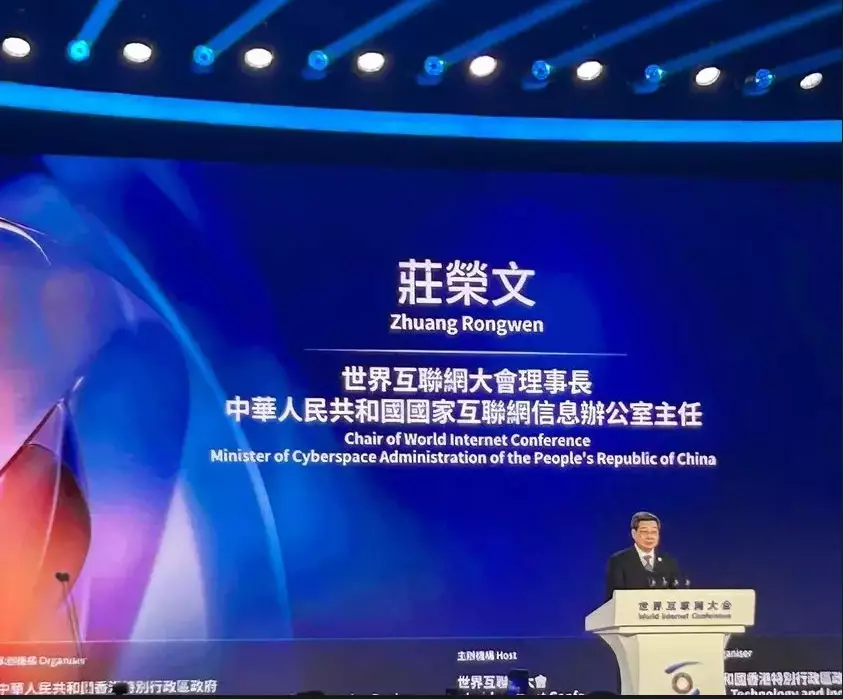
Mr. Zhuang Rongwen, the Chair of the World Internet Conference and Minister of Cyberspace Administration of China, Photo by Bastille Post
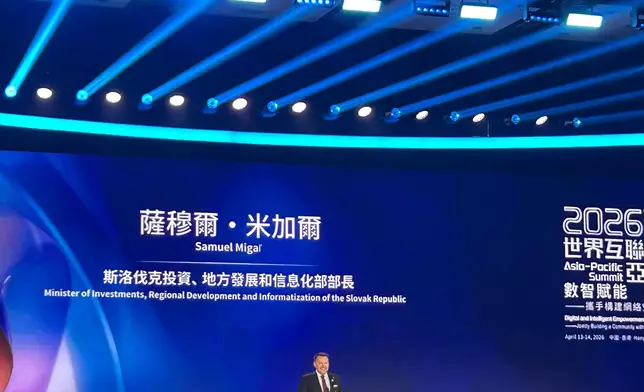
Mr Samuel Migaľ, the Minister of Investments, Regional Development, and Informatization of the Slovak Republic, Photo by Bastille Post
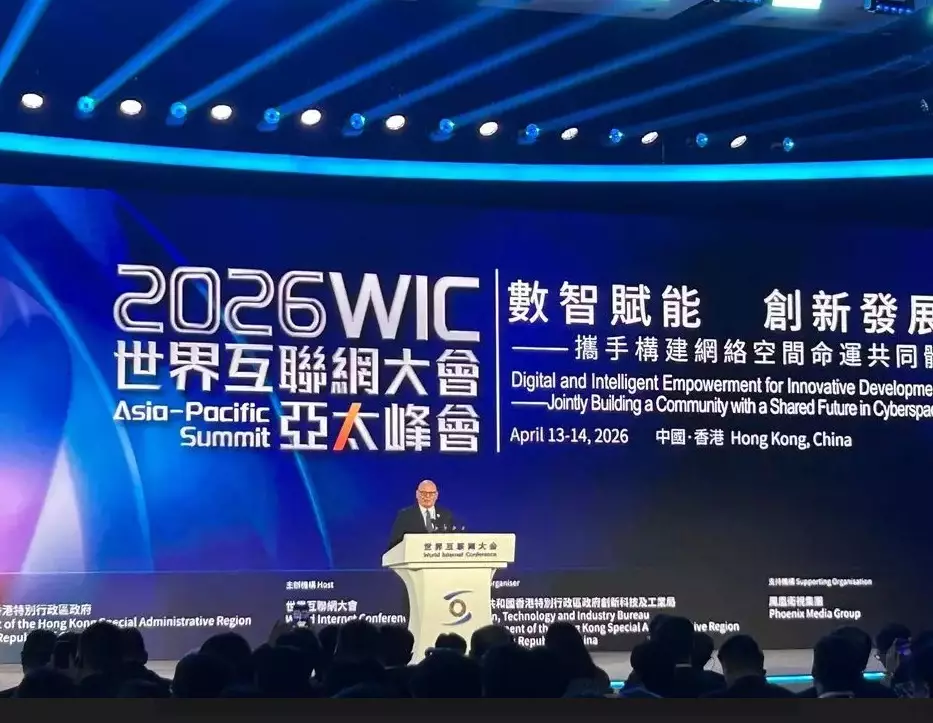
John Hoffman, the CEO and Director of GSMA Ltd, Photo by Bastille Post
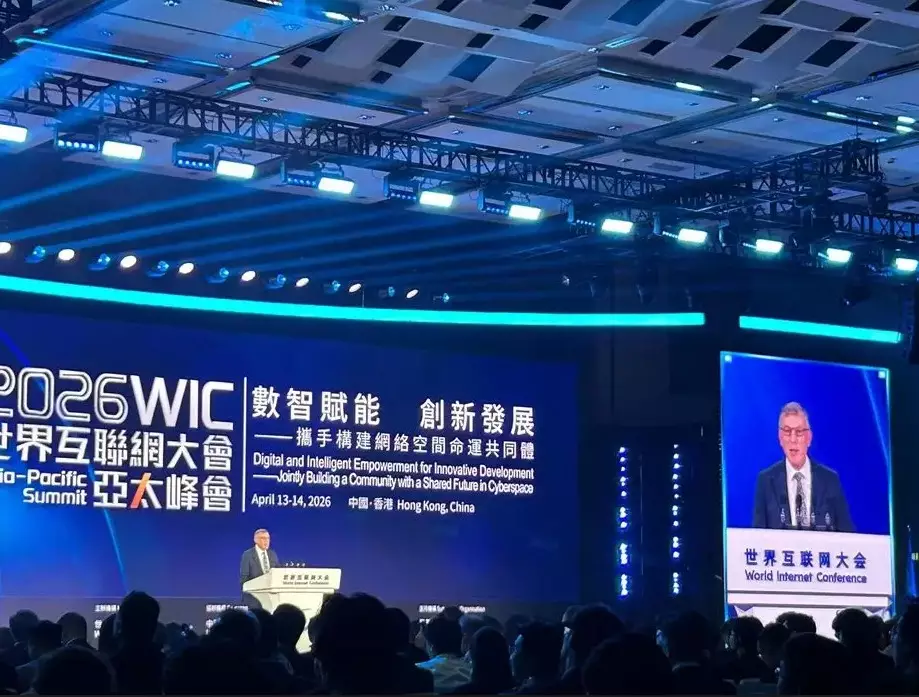
Mr John Higgins, the President of the International Association for Artificial Intelligence Governance, Photo by Bastille Post
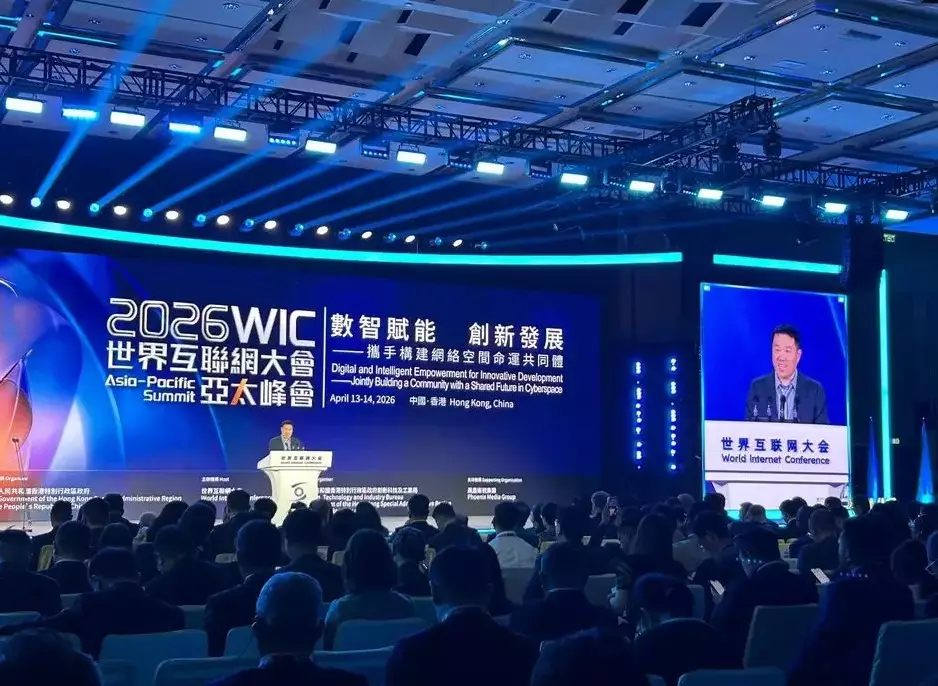
Mr Huang Xiaohuang, the co-founder and chairman of Manycore Tech Inc., Photo by Bastille Post
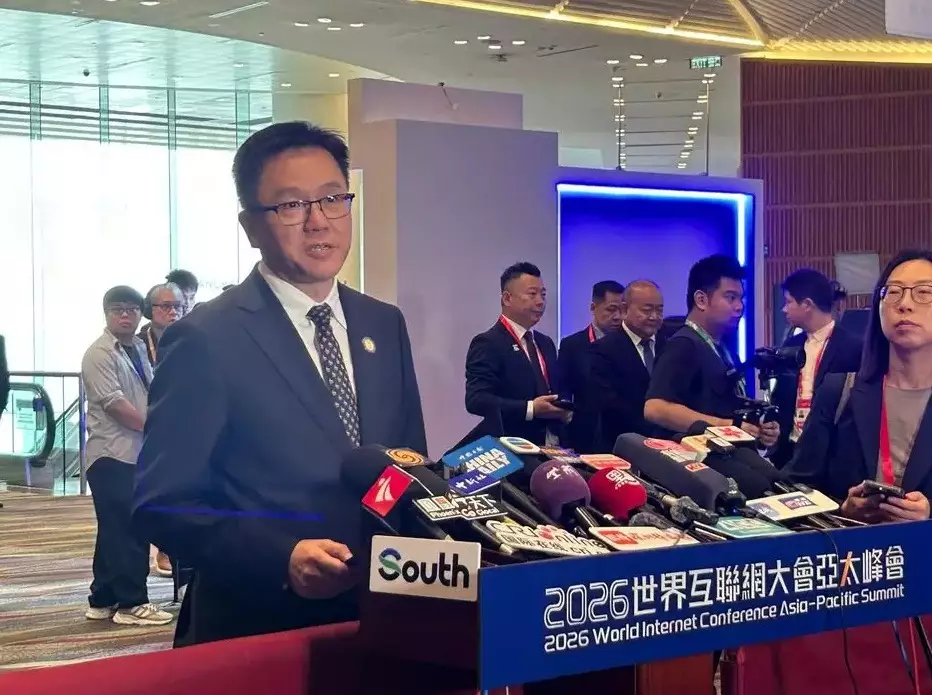
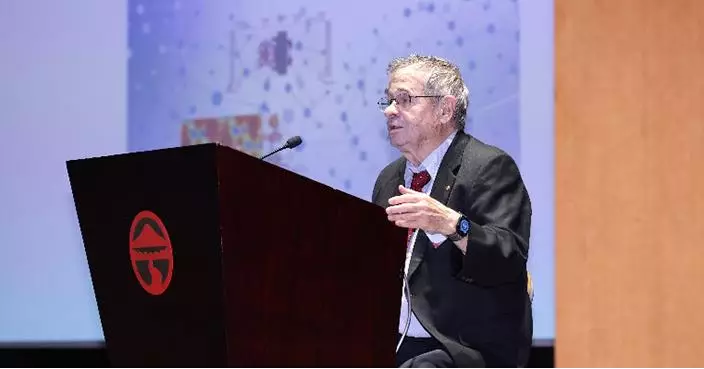
Professor Sun Dong, Photo by Bastille Post
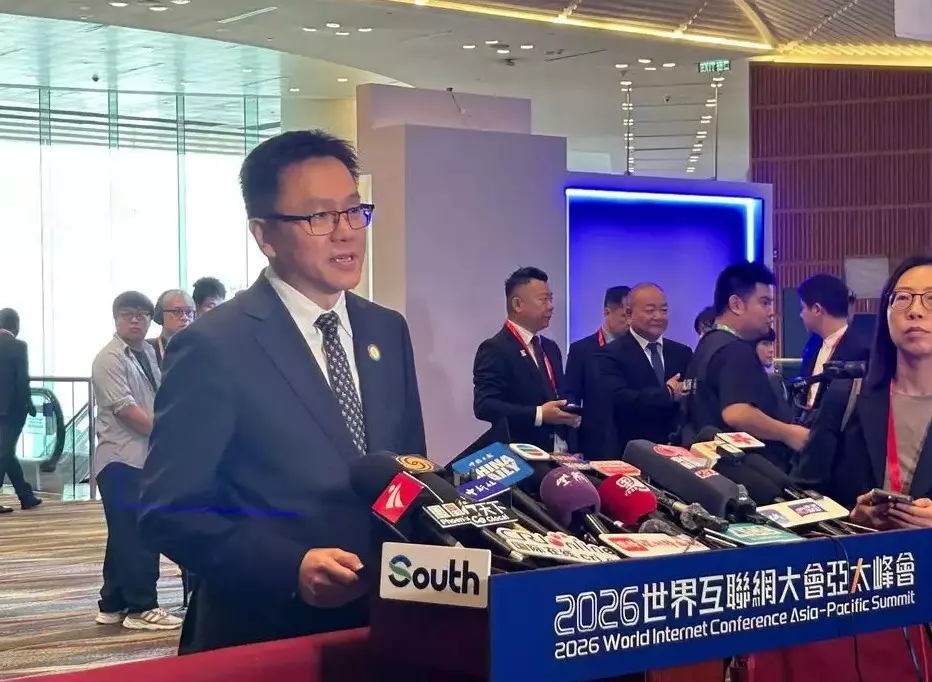
Professor Sun Dong, Photo by Bastille Post
He also noted that the National 15th Five-Year Plan indicates continued, strong support for Hong Kong’s development. With the Guangdong-Hong Kong-Macao Greater Bay Area linking multiple cities and the Hong Kong Park of the Hetao Shenzhen-Hong Kong Science and Technology Innovation Cooperation Zone already open, the connection between Hong Kong and Shenzhen has grown stronger, providing needed land resources for innovation and technology R&D. Currently, the Park has attracted over 70 tenants in fields such as artificial intelligence and life sciences.
Mr John Lee mentioned the Hong Kong AI Research and Development Institute, set to be established later this year, aims to drive breakthroughs in upstream AI research and development while facilitating the transformation and application of midstream and downstream results. He emphasized that the ultimate goal is to make artificial intelligence accessible to every resident in Hong Kong.
Mr. Zhuang Rongwen, the Chair of the World Internet Conference and Minister of Cyberspace Administration of China, Photo by Bastille Post
Mr. Zhuang Rongwen, the Chair of the World Internet Conference and Minister of Cyberspace Administration of China, stated in his speech that the world is undergoing profound changes unseen in a century, with a new round of technological revolution and industrial transformation accelerating. New technologies such as artificial intelligence, big data, and cloud computing are becoming key forces in reshaping global production factors, restructuring industrial ecosystems, and transforming the economic landscape. Across the Asia-Pacific, countries are increasingly adopting digital transformation as a common strategy to build a competitive advantage. The Summit aims to keep pace with the development of the digital, networked, and intelligent era, build consensus, and pool resources to contribute to a better digital future.
He put forward four initiatives: First, uphold innovation-driven development, strengthen cooperation in cutting-edge fields such as AI, quantum computing, and brain-computer interfaces, build a collaborative innovation system integrating industry, academia, research, and application, and create new growth drivers for the Asia-Pacific region. Second, deepen open cooperation in cyberspace, enhance digital infrastructure connectivity, promote the sharing of open-source technology, and enable Asia-Pacific countries to share digital opportunities with a more open attitude. Third, act on the principles of inclusiveness and shared benefits to bridge the digital divide and the intelligence divide, allowing more countries and people to benefit from digital development and improving people's livelihoods. Fourth, uphold the principle of giving equal importance to development and security, strengthen governance in cybersecurity, data security, and AI security, promote technology for good, and guard against the risks brought by emerging technologies.
He emphasized that Hong Kong, backed by the Mainland and connected to the world, has unique advantages in digital cooperation, and called on all parties to seize the opportunity of the Summit to deepen pragmatic cooperation and jointly create a new landscape for digital development in the Asia-Pacific region.
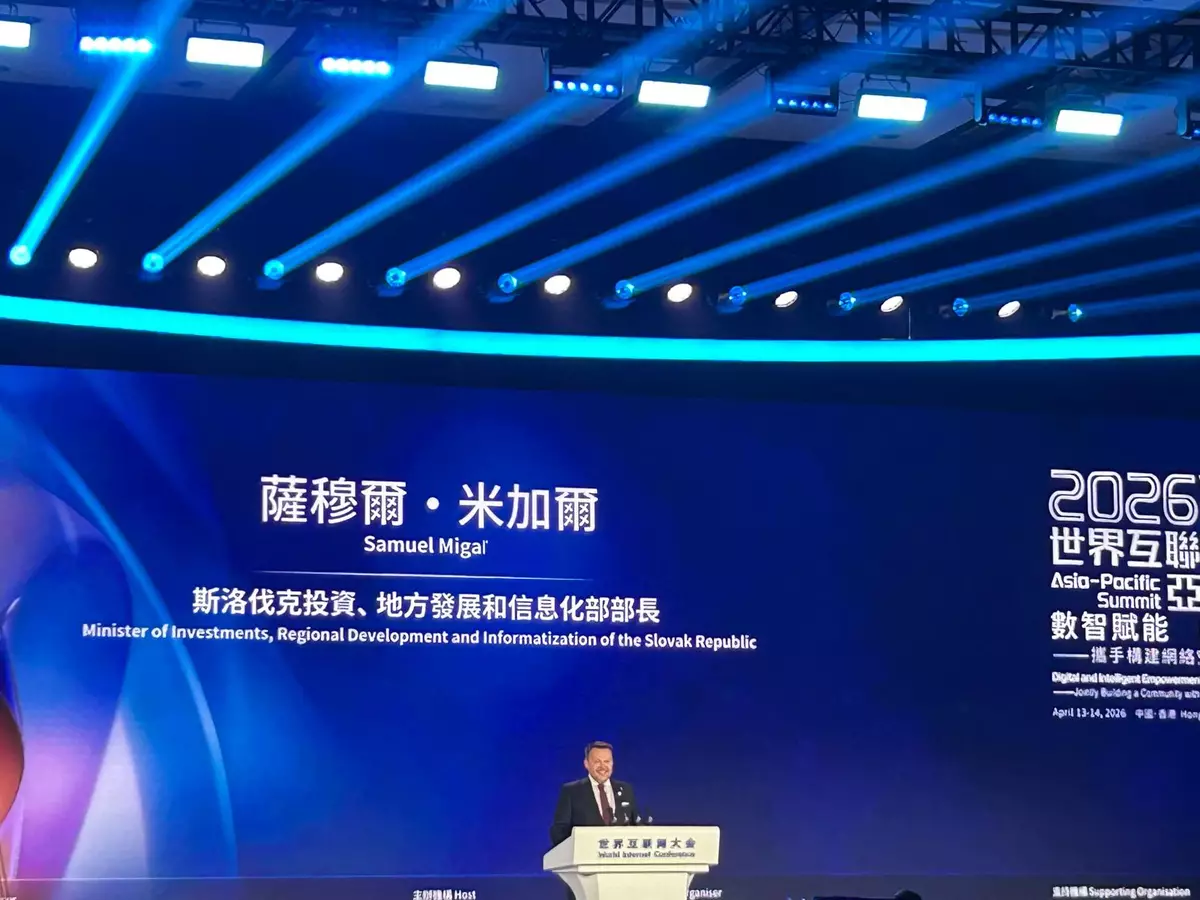
Mr Samuel Migaľ, the Minister of Investments, Regional Development, and Informatization of the Slovak Republic, Photo by Bastille Post
Mr Samuel Migaľ, the Minister of Investments, Regional Development, and Informatization of the Slovak Republic, stated that as an EU Member State, the Slovak Republic has a strong foundation in nuclear energy and automobile manufacturing and is committed to becoming a key link in the global AI and new digital economy value chain. Such an ambition reflects an ongoing reality: The Slovak Republic is transforming from within, and digital technology is not only driving innovation, but also profoundly reshaping the country's economic structure and government operations.
He further noted that the common challenge faced by countries and regions lies in establishing a new governance framework to manage increasingly complex, cross-jurisdictional interactions and systemic connections. For digital empowerment to truly drive innovative development, three points must be emphasized: First, building trust in AI systems, data governance, and digital infrastructure is essential—without trust, little can be achieved. Second, while countries may adopt different governance models, fragmentation must be avoided; standardization and interoperability at the practical level are of significance. Third, empowerment must transcend not only borders, but also social divides, ensuring that the benefits of innovation can reach everyone.
John Hoffman, the CEO and Director of GSMA Ltd, Photo by Bastille Post
John Hoffman, the CEO and Director of GSMA Ltd, stated that AI technology has advanced rapidly, evolving from a tool for processing information just over a decade ago into applications now widely used in areas such as airline customer service, school lesson preparation, and revenue filtering, fully demonstrating the critical role that connectivity technology plays in driving AI development.
He also pointed out that to let AI better serve industry, three priorities must be addressed: First, strengthening telecommunications infrastructure as the cornerstone of AI, such as China's large-scale deployment of advanced 5G networks and Hong Kong's 5G-Advanced trials. Second, enhancing telecom-grade AI capabilities to address model deficiencies in network data understanding and standards compliance, which the GSMA's Open Telco AI initiative aims to tackle. Third, strengthening cross-sector collaboration by driving the evolution of networks, smartphones, and wearable devices through the Mobile AI Innovation Initiative, ensuring that innovation benefits everyone and leaves no one behind. He emphasized that platforms such as the Summit are key to bringing together ecosystem leaders, fostering partnerships, and jointly shaping the future of connectivity and AI.
Mr John Higgins, the President of the International Association for Artificial Intelligence Governance, Photo by Bastille Post
Mr John Higgins, the President of the International Association for Artificial Intelligence Governance, stated that the "overview effect" of looking at Earth from space makes everyone deeply aware of humanity's shared destiny, and the same holds in cyberspace. Despite current conflicts and disagreements in the world, there remain strong economic and pragmatic reasons to promote joint governance of cyberspace; common standards can bring substantial benefits to global businesses and facilitate international trade. Drawing on European experience, he noted that an overemphasis on strict "just-in-case" regulations can stifle innovation, while an optimistic attitude is equally important for promoting innovation and human well-being. He called on all parties to explore the path of intelligent empowerment and innovative development with an open and cooperative mindset.
Mr Huang Xiaohuang, the co-founder and chairman of Manycore Tech Inc., Photo by Bastille Post
Mr Huang Xiaohuang, the co-founder and chairman of Manycore Tech Inc., stated that over the past decade, the enterprise's platform has amassed over 480 million spatial design elements from 3D models. These structured 3D assets constitute a vast data goldmine, which is the essential fuel for artificial intelligence to enter the physical world. He believes that the next major wave of AI is physical AI, which will enable AI to truly understand and interact with the 3D physical world we inhabit. Manycore Tech Inc. is fully committed to building the infrastructure for AI's entry into the physical world.
Mr Huang said that in 2025, the enterprise has launched an open spatial intelligence platform, integrating four core capabilities: spatial reconstruction, spatial generation, spatial editing, and spatial understanding. Strategic partnerships have also been established with enterprises such as Hesai Technology to promote the application of spatial intelligence in interior design, automotive intelligent training, and XR (extended reality) fields. He emphasized that Hong Kong is of great significance to Manycore Tech Inc. The enterprise has been working closely with institutions such as the Hong Kong University of Science and Technology, while leveraging Hong Kong's advantages as an international financial hub to help global capital recognize China's innovative strength in the field of spatial intelligence.
Professor Sun Dong, Photo by Bastille Post
After the launching ceremony, Professor Sun Dong, the Secretary for Innovation, Technology and Industry, responded to the media inquiries that the Memorandum of Understanding on Co-operation in Innovation and Technology Development (MOU) signed between the Innovation, Technology and Industry Bureau and the Cyberspace Administration of China (CAC) on Sunday (April 12) is of great significance. The MOU, signed in the opening year of the National 15th Five-Year Plan, signifies the nation's firm support for Hong Kong's innovation and technology development.
Professor Sun pointed out that the HKSAR Government and the Cyberspace Administration of China signed an MOU in 2023 to promote cross-border data flow in the Guangdong-Hong Kong-Macao Greater Bay Area, with significant results achieved in the past two to three years. The newly signed MOU will further expand the scope of cooperation, covering ten practical measures, including key areas such as artificial intelligence, cross-border data flow, and blockchain, with a particular focus on strengthening cybersecurity and expanding international exchanges. He emphasized that the Innovation, Technology and Industry Bureau, as the implementing agency, will immediately begin implementing these ten measures, fully leveraging Hong Kong's internationalization and connectivity advantages to help consolidate Hong Kong's position as an international innovation and technology hub.
Regarding the Hetao Shenzhen-Hong Kong Science and Technology Innovation Cooperation Zone, Professor Sun stated that Hetao is the only major cooperation platform in the Guangdong-Hong Kong-Macao Greater Bay Area under the 14th Five-Year Plan, focusing on science and technology innovation. The next step will be to accelerate the construction of the Zone, focusing on promoting the cross-border flow of innovative elements such as data flow, logistics (including biological samples), and people flow. Shenzhen and Hong Kong have reached a consensus on data and logistics flows, and a cross-border pedestrian bridge connecting the two industrial parks of the Zone is under construction, expected to be completed and operational soon. He hopes to make greater progress in capital flows as well, continuing to deepen Shenzhen-Hong Kong cooperation along the "one river, two banks; one zone, two cities" model.
Professor Sun Dong, Photo by Bastille Post
As for the development of AI agents, Professor Sun Dong stated that artificial intelligence is moving from the chat and dialogue stage to a new stage represented by intelligent agents capable of practical action. The Summit lists the innovation and application of intelligent agents as an important topic, which has been attached of great importance by the HKSAR Government, adopting a "combination of supervision and practices" approach—on the one hand, actively supporting the development of intelligent agents and promoting the application of artificial intelligence across various industries; on the other hand, simultaneously focusing on security governance, ensuring a balance between development and management.
When asked about whether intelligent agents will impact employment, Professor Sun Dong pointed out that any new technology will impact traditional employment, but it will also create new job opportunities, which has been true in the past and will continue in the future. He emphasized that Hong Kong will seize the significant opportunities brought by intelligent agents to promote economic transformation and industrial upgrading.