Skip to Content Facebook Feature Image

Hezbollah official says the group won't abide by any agreements from Lebanon-Israel talks in the US

News

Hezbollah official says the group won't abide by any agreements from Lebanon-Israel talks in the US
News

News

Hezbollah official says the group won't abide by any agreements from Lebanon-Israel talks in the US

2026-04-14 16:28 Last Updated At:16:30

BEIRUT (AP) — The Lebanese militant group Hezbollah will not abide by any agreements that may result from the direct Lebanon-Israel talks in the United States, negotiations it firmly opposes, a senior Hezbollah official said Monday.

Wafiq Safa, a high-ranking member of Hezbollah's political council, spoke on the eve of the talks expected in Washington between Lebanese and Israeli ambassadors to the U.S. It will be the first time in decades that envoys from Lebanon and Israel, which do not have diplomatic relations, meet face-to-face in direct talks.

More Images
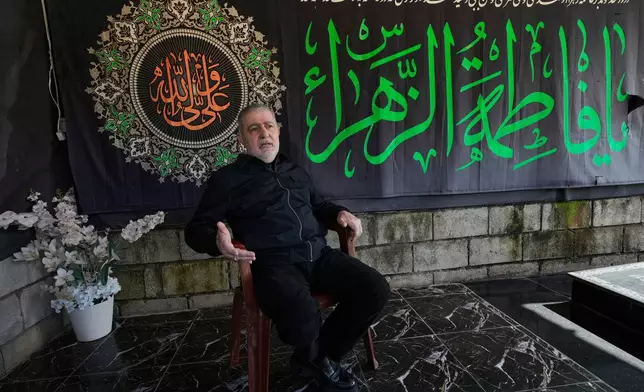
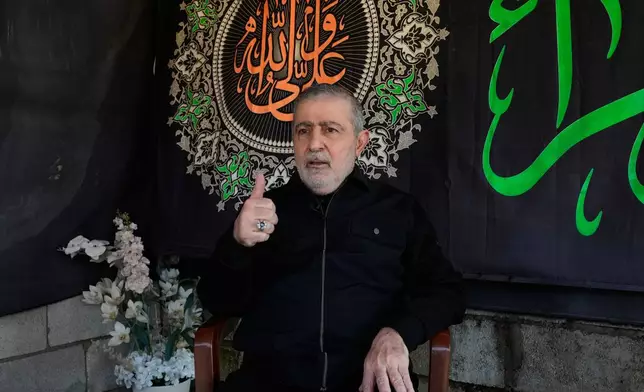
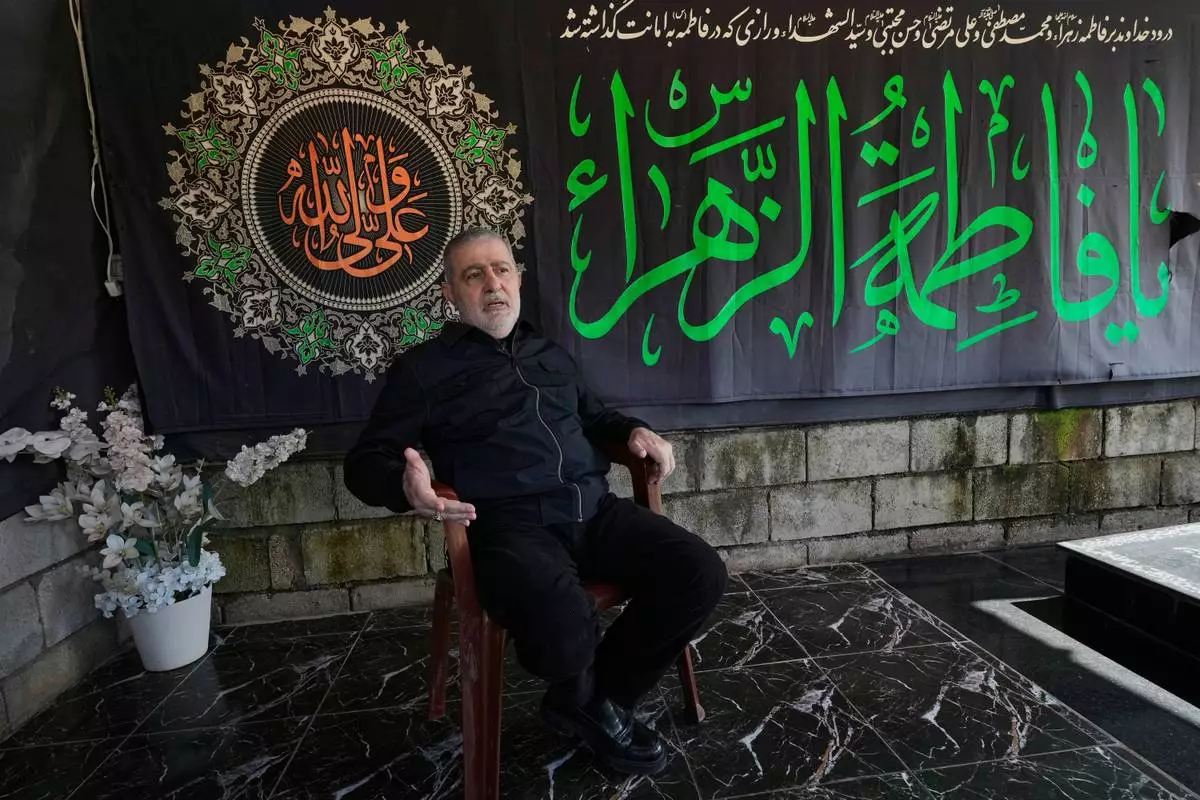
Wafiq Safa, senior Hezbollah political council member, speaks during an interview with The Associated Press in Beirut, Monday, April 13, 2026. (AP Photo/Hussein Malla)
Wafiq Safa, senior Hezbollah political council member, speaks during an interview with The Associated Press in Beirut, Monday, April 13, 2026. (AP Photo/Hussein Malla)

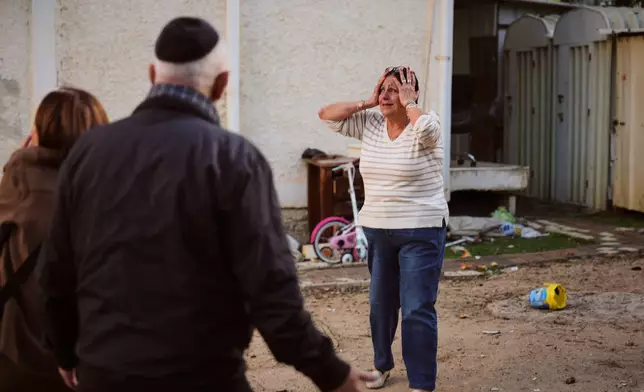
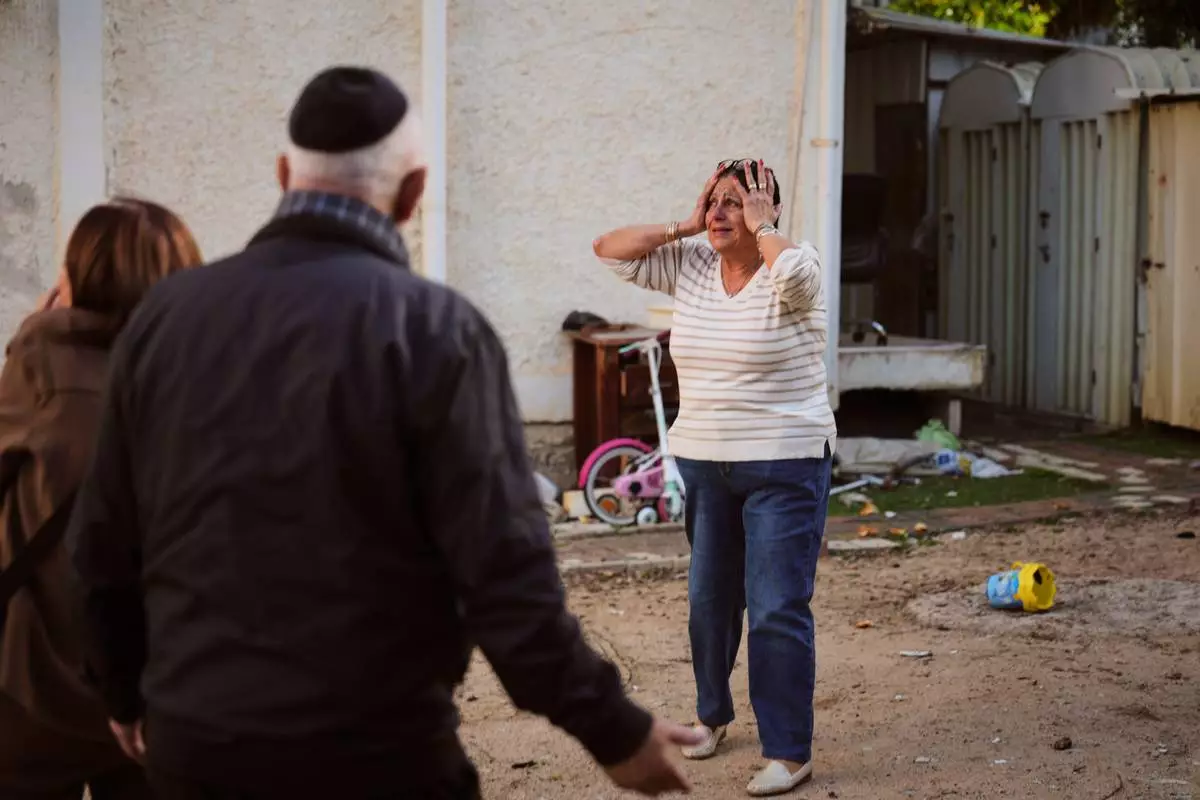
A woman reacts at the site of a damaged residential building after it was struck by a projectile fired from Lebanon, in Nahariya, northern Israel Monday, April 13, 2026. (AP Photo/Ariel Schalit)
A woman reacts at the site of a damaged residential building after it was struck by a projectile fired from Lebanon, in Nahariya, northern Israel Monday, April 13, 2026. (AP Photo/Ariel Schalit)

Wafiq Safa, senior Hezbollah political council member, speaks during an interview with The Associated Press in Beirut, Monday, April 13, 2026. (AP Photo/Hussein Malla)
Wafiq Safa, senior Hezbollah political council member, speaks during an interview with The Associated Press in Beirut, Monday, April 13, 2026. (AP Photo/Hussein Malla)

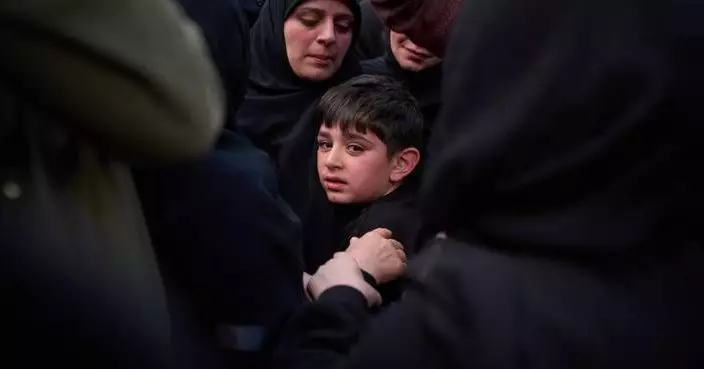
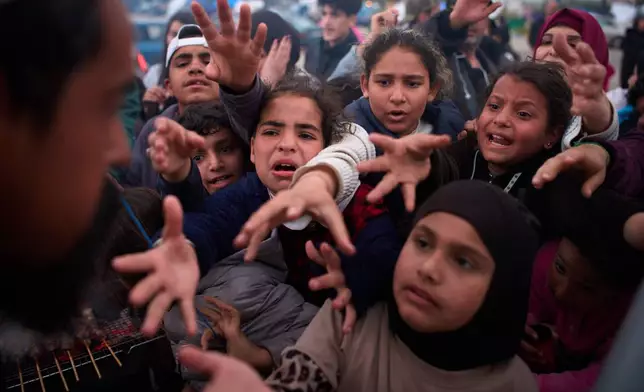
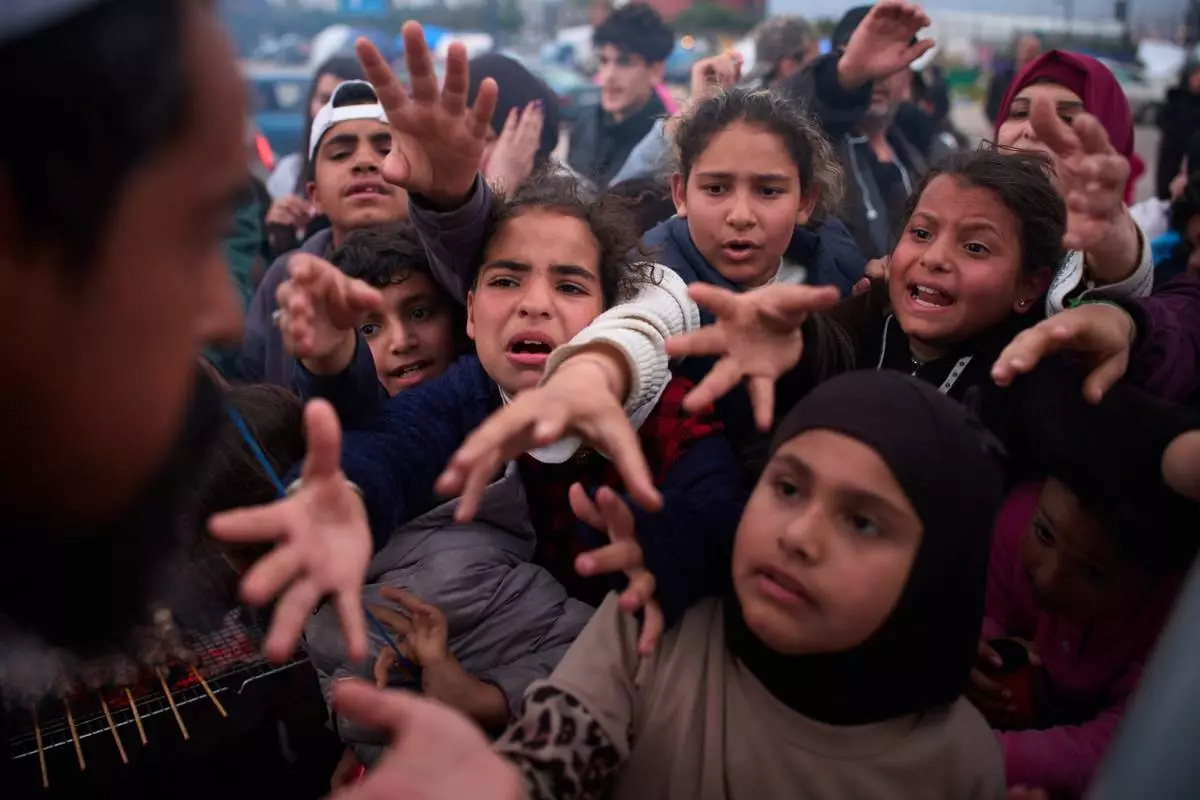
Displaced families extend their hands while waiting for donated food beside the tents they use as shelters after fleeing Israeli bombardment in southern Lebanon, in Beirut, Lebanon, Thursday, April 9, 2026. (AP Photo/Emilio Morenatti)
Displaced families extend their hands while waiting for donated food beside the tents they use as shelters after fleeing Israeli bombardment in southern Lebanon, in Beirut, Lebanon, Thursday, April 9, 2026. (AP Photo/Emilio Morenatti)

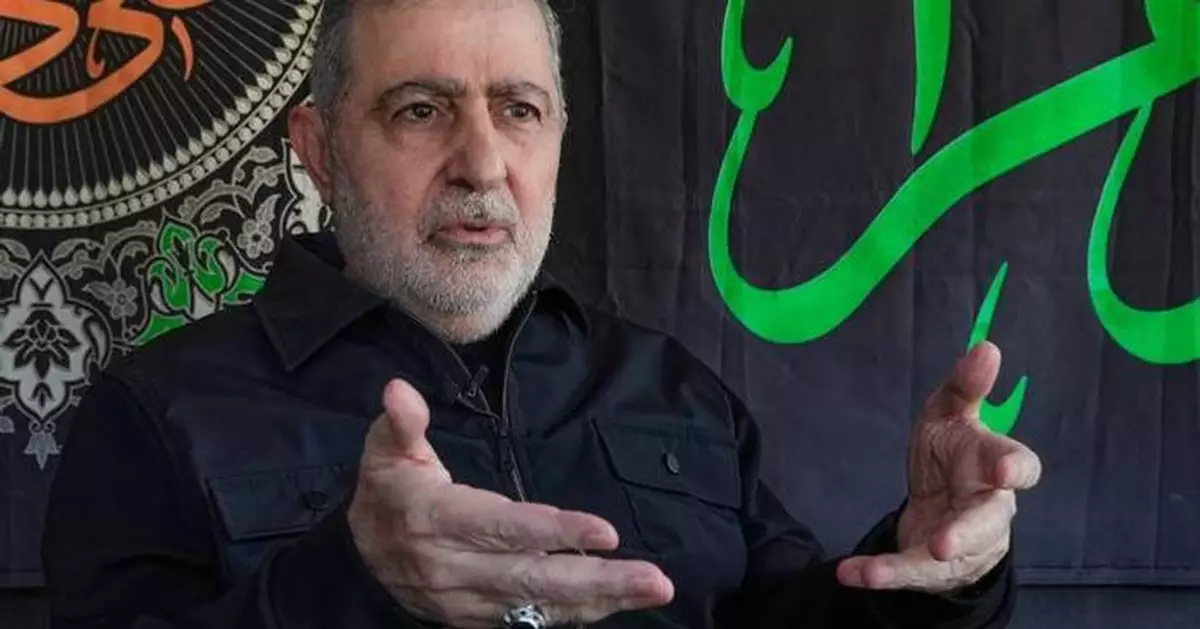
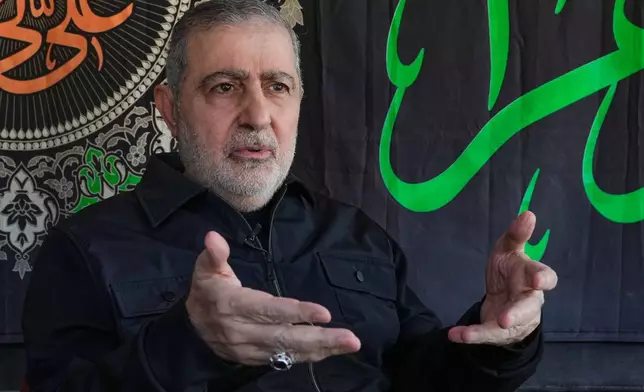
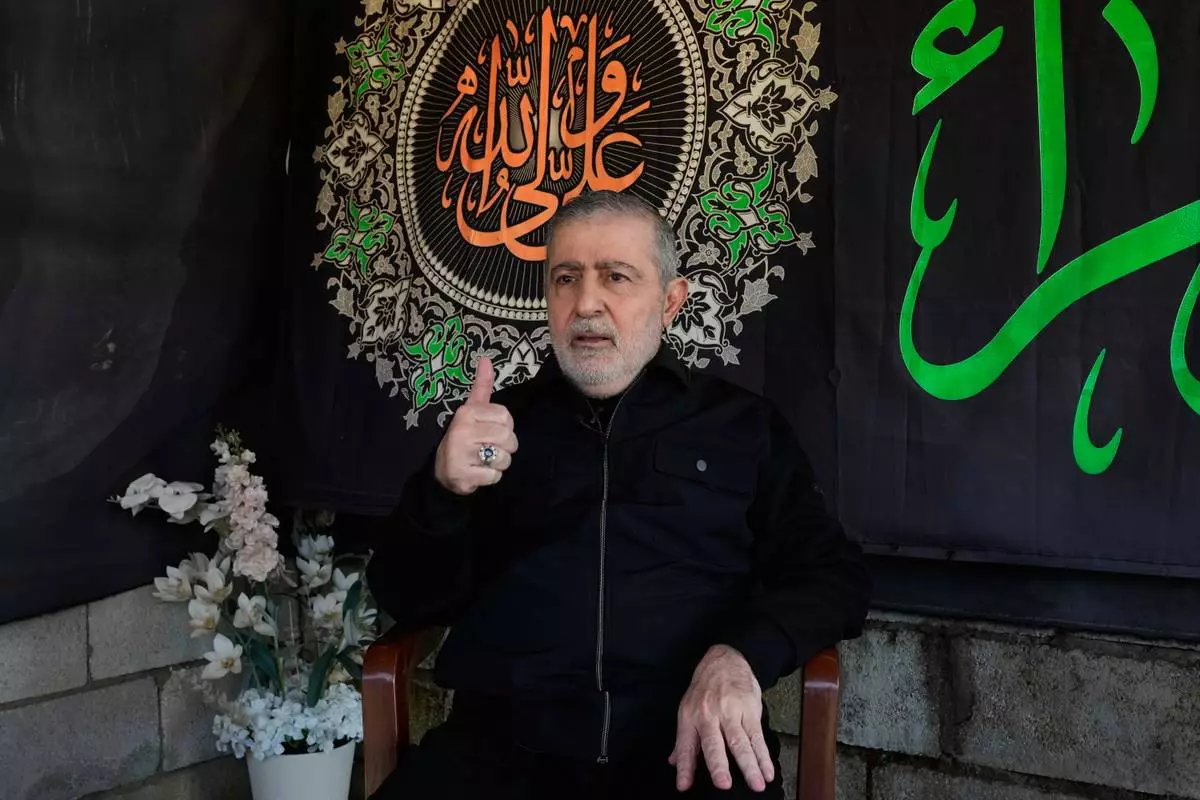
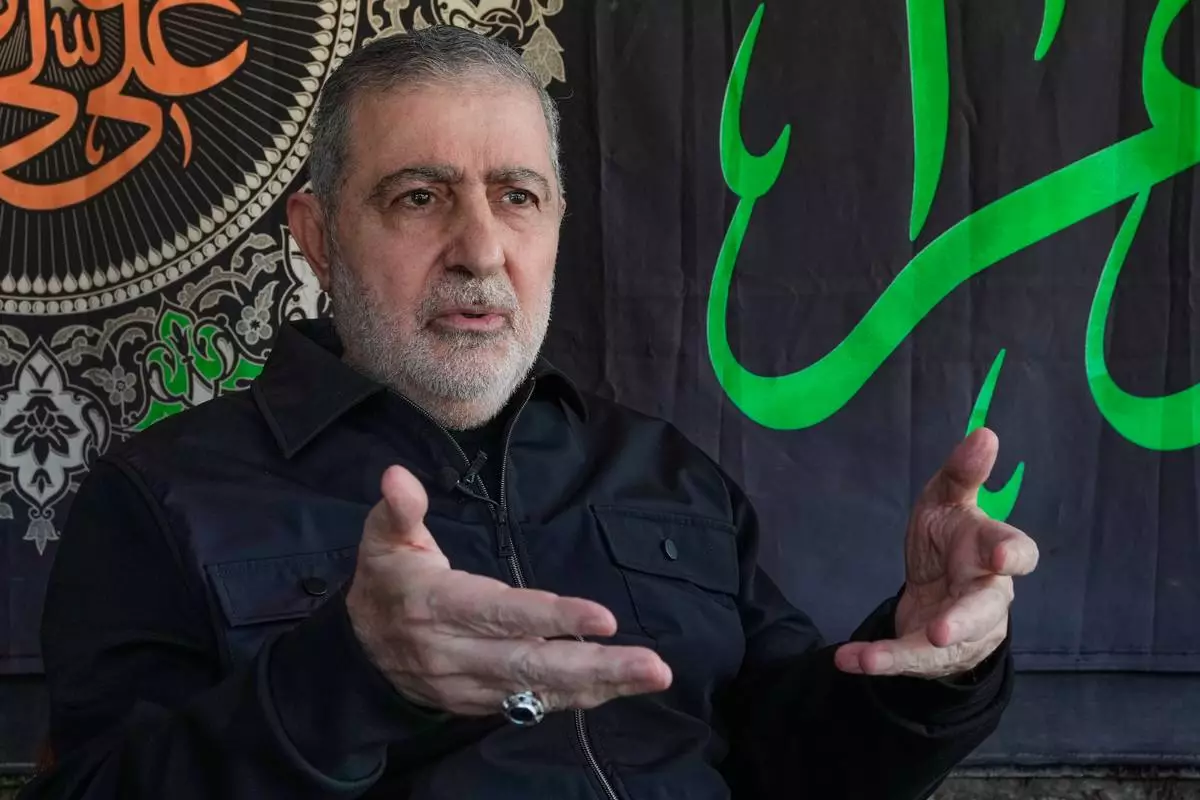
Wafiq Safa, senior Hezbollah political council member, gestures as he speaks during an interview with The Associated Press in Beirut, Monday, April 13, 2026. (AP Photo/Hussein Malla)

Wafiq Safa, senior Hezbollah political council member, gestures as he speaks during an interview with The Associated Press in Beirut, Monday, April 13, 2026. (AP Photo/Hussein Malla)

“As for the outcomes of this negotiation between Lebanon and the Israeli enemy, we are not interested in or concerned with them at all," Safa told The Associated Press.

"We are not bound by what they agree to,” he added in a rare interview with international media. He spoke next to a cemetery as an Israeli drone buzzed overhead.

Lebanese officials are looking to broker a ceasefire in the Israel-Hezbollah war in the U.S. talks.

Israeli Prime Minister Benjamin Netanyahu, meanwhile, has said the goal is Hezbollah's disarmament and a potential peace agreement between Lebanon and Israel. Shosh Bedrosian, a spokesperson for Netanyahu said Monday that there will be no ceasefire with Hezbollah.

Separately, in U.S.-Iran peace talks held last weekend in Pakistan, Iran has sought to include Lebanon in any ceasefire deal of its own with the U.S. Israel and the U.S. have insisted Lebanon would not be a part of it.

Hours after Tehran and Washington announced a truce last Wednesday, Israel launched more than 100 strikes across Lebanon, including in densely packed residential and commercial areas of central Beirut.

And though the U.S.-Iran talks broke up without an agreement, Safa said Hezbollah has been informed that Iran “was able to obtain a cessation of attacks" in the entire administrative region of Beirut, Lebanon's capital, including Beirut's southern suburbs — a Hezbollah-strong area known as Dahiyeh.

Israeli strikes on Beirut and its southern suburbs have halted since Wednesday but intense fighting has continued in southern Lebanon.

Israel and Hezbollah have fought multiple wars since the Iran-backed Lebanese militant group was formed in the 1980s as a guerrilla force fighting against Israel’s occupation of southern Lebanon at the time.

The latest round began on March 2, two days after Israel and the U.S. launched a war on Iran. Hezbollah entered the fray, firing missiles across the border into Israel. Israel responded with aerial bombardment and a ground invasion.

Since then, the war has displaced more than 1 million people in Lebanon and killed more than 2,000, including more than 500 women, children and medical workers. Many Lebanese have blamed Hezbollah for pulling Lebanon into the war, accusing it of acting on behalf of its patron, Iran.

Safa said Hezbollah's actions were preemptive because its leaders believed “Israel was preparing for a second battle with Lebanon” with the aim of destroying Hezbollah.

It was “an appropriate moment for Hezbollah ... to rebuild a new equation” and restore deterrence against Israel, he said, denying any prior deals with Tehran that Hezbollah would enter the war if Iran was attacked.

After a U.S.-brokered ceasefire halted the last Israel-Hezbollah war in November 2024, Israel continued to carry out near-daily strikes in Lebanon that it said aimed to stop the group from rebuilding. Hezbollah wants to avoid a return to that status quo, Safa said.

Israel has claimed that its strikes on Lebanon last Wednesday killed more than 250 Hezbollah militants. More than 100 women and children were among the over 350 people killed, according to Lebanon’s health ministry.

That would mean that, according to Israel’s assertion, every adult male killed that day was a Hezbollah member.

“None of our officials or cadres was killed in Beirut," Safa said. ”Those who died in Beirut are 100% civilians." He did not deny that members of the group were killed outside of the Lebanese capital.

Israel claimed to have killed Hezbollah leader Naim Kassem's secretary who was also his nephew, Ali Yusuf Harshi, as well as some high-level commanders.

Safa said Kassem’s secretary was not killed, although “maybe a relative of his was.”

He also confirmed for the first time that he was wounded during the earlier, 2024 Israel-Hezbollah war, after being targeted by two Israeli strikes in Beirut, "but God granted me survival.”

Later Monday in a televised address, Kassem himself urged Lebanon to pull out of direct talks with Israel, calling the negotiations a “free concession” to Israel and the U.S.

Relations between the Lebanese government and Hezbollah — which is not just a militant group but also a political party with a parliamentary bloc — have grown increasingly tense.

The government last year approved a plan to remove all weapons that are not property of the state — its security forces or military — and later said it had largely completed the task south of the Litani River, where Hezbollah militants are now fighting with Israeli forces.

After March 2, the government went further, declaring Hezbollah's armed wing illegal.

Safa said Hezbollah is currently not directly speaking with President Joseph Aoun or Prime Minister Nawaf Salam but that all its communications are going through Parliament Speaker Nabih Berri, the head of the Hezbollah-allied Amal party.

Safa said that if there is a ceasefire and a withdrawal of Israeli troops from Lebanon, Hezbollah — which calls itself a “resistance” movement against archenemy Israel — is ready to negotiate with the Lebanese government about the fate of its weapons.

“The issue of resistance weapons is a Lebanese matter that has nothing to do with Israel or the United States,” he said.
Wafiq Safa, senior Hezbollah political council member, speaks during an interview with The Associated Press in Beirut, Monday, April 13, 2026. (AP Photo/Hussein Malla)
Wafiq Safa, senior Hezbollah political council member, speaks during an interview with The Associated Press in Beirut, Monday, April 13, 2026. (AP Photo/Hussein Malla)

A woman reacts at the site of a damaged residential building after it was struck by a projectile fired from Lebanon, in Nahariya, northern Israel Monday, April 13, 2026. (AP Photo/Ariel Schalit)
A woman reacts at the site of a damaged residential building after it was struck by a projectile fired from Lebanon, in Nahariya, northern Israel Monday, April 13, 2026. (AP Photo/Ariel Schalit)

Wafiq Safa, senior Hezbollah political council member, speaks during an interview with The Associated Press in Beirut, Monday, April 13, 2026. (AP Photo/Hussein Malla)
Wafiq Safa, senior Hezbollah political council member, speaks during an interview with The Associated Press in Beirut, Monday, April 13, 2026. (AP Photo/Hussein Malla)

Displaced families extend their hands while waiting for donated food beside the tents they use as shelters after fleeing Israeli bombardment in southern Lebanon, in Beirut, Lebanon, Thursday, April 9, 2026. (AP Photo/Emilio Morenatti)
Displaced families extend their hands while waiting for donated food beside the tents they use as shelters after fleeing Israeli bombardment in southern Lebanon, in Beirut, Lebanon, Thursday, April 9, 2026. (AP Photo/Emilio Morenatti)

Wafiq Safa, senior Hezbollah political council member, gestures as he speaks during an interview with The Associated Press in Beirut, Monday, April 13, 2026. (AP Photo/Hussein Malla)
Wafiq Safa, senior Hezbollah political council member, gestures as he speaks during an interview with The Associated Press in Beirut, Monday, April 13, 2026. (AP Photo/Hussein Malla)
WARSAW, Poland (AP) — Afghan migrants in Poland face forced deportations and fear for their lives at the hands of the Taliban-run government back home, concerns that rights groups say have soared after Poland last year moved to partially suspend the right to seek asylum.

Rights groups warn the measure, introduced in March 2025, is now being overused by authorities. It's based on an amended Polish law that imposed temporary restrictions on the right to apply for international protection at the border with Belarus for those who crossed into the NATO and European Union member state illegally.

“I tried more than a billion times to seek safety,” an Afghan in his 20s, currently in a detention center for migrants in eastern Poland, said over the phone. He recounted how the Taliban killed his father, and also detained and beat him up.

The rest of his family is still in hiding in Afghanistan, he said, speaking to The Associated Press on condition of anonymity because he fears for his safety, should he be deported to Afghanistan.

All this he recounted to Polish authorities, he said, "but they did not care.”

The Polish Interior Ministry did not respond to AP requests for comment about the deportations of Afghans and how it applies the new restriction.

Like many of his countrymen, the young Afghan crossed into EU-member Poland from Belarus and managed to reach Germany, where he was arrested and then returned to Poland to have his asylum request assessed under EU laws.

He now says Polish authorities decided to deport him without properly reviewing his case, simply because he had first entered the country by way of Belarus — a fraught route that Warsaw has sought to crack down on after tens of thousands of migrants tried to enter the EU that way in recent years.

Poland says it's been overwhelmed by the influx and argues that the migrants were sent by Russia and its ally Belarus to destabilize Poland and other Western countries.

The temporary suspension — for a total of 60 days — of the right to seek asylum only applies “on the border with Belarus," the new legislation says. The government has prolonged this time period multiple times, effectively suspending asylum applications for over a year and more.

Legal experts such as the Polish Ombudsman, which protects civil and human rights in Poland, and the UNHCR have criticized Poland's suspension of the right to asylum.

They say it's incompatible with international law and especially the Geneva Conventions on refugee rights, which obliges receiving countries to examine each individual's claim for protection.

Poland's liberal Prime Minister Donald Tusk has said the security risks at the Belarus border warranted the new measures, an argument the EU did not reject though its member states are required to provide at least a minimum of rights to asylum-seekers even in cases of orchestrated migration crises.

Since the new law was introduced, rights groups and migrants say Poland has been stretching the measure to include not just migrants apprehended on the Belarus-Polish border but those found anywhere in the country — as long as they entered across that border.

In practice, this means that Afghan migrants, whose route to Poland almost always involves Belarus, cannot apply for asylum, regardless of their individual circumstances.

Council of Europe’s Commissioner for Human Rights Michael O’Flaherty in a letter, dated April 1 and published Tuesday, to the Polish government expressed his concerns that asylum applications are "suspended in every case in which border guards consider that the person has crossed the Poland-Belarus border irregularly.”

“In this regard, I note information about the recent removal of a group of Afghan nationals from Poland to Afghanistan, who were not provided with an opportunity to lodge asylum applications,” O’Flaherty wrote.

The legal grey area has apparently even made Frontex, the EU border control agency, uncomfortable. Its monitors pulled out from a government-organized deportation flight to Pakistan last year after learning that Polish authorities had not properly assessed the asylum applications of those being deported.

“We have to make sure that people that are returned have fully gone through the entire asylum procedure as per EU law,” said Krzysztof Borowski, spokesperson for Frontex.

The young migrant interviewed by the AP is among some 120 Afghans currently in detention centers in Poland. A friend of his, he claimed, was recently deported by Poland back to Afghanistan. His family has not heard from him since.

About 65% of Afghans asking for asylum receive protection in Europe, according to the EU Agency for Asylum, which indicates their applications are mostly successful elsewhere in the bloc.

Tomasz Sieniow, from the nongovernmental Foundation Institute for the Rule of Law, was aboard a flight last Friday that Polish authorities were using to deport nine Afghans back home via Uzbekistan.

He told the AP that the European Court of Human Rights had issued rulings asking Poland not to deport the nine, but that authorities subsequently only took six of the Afghans off the flight.

Sieniow said that most Afghans detained in Poland had worked with the previous, U.S.-allied Afghan government that collapsed when the Taliban overran Afghanistan in August 2021, or with the U.S. or other NATO troops.

These people, and their families, “should not be removed," said the NGO worker and added that “Poland never analyzed their reasons for asking for protection.”

Follow AP’s global coverage of migration at https://apnews.com/hub/migration

_

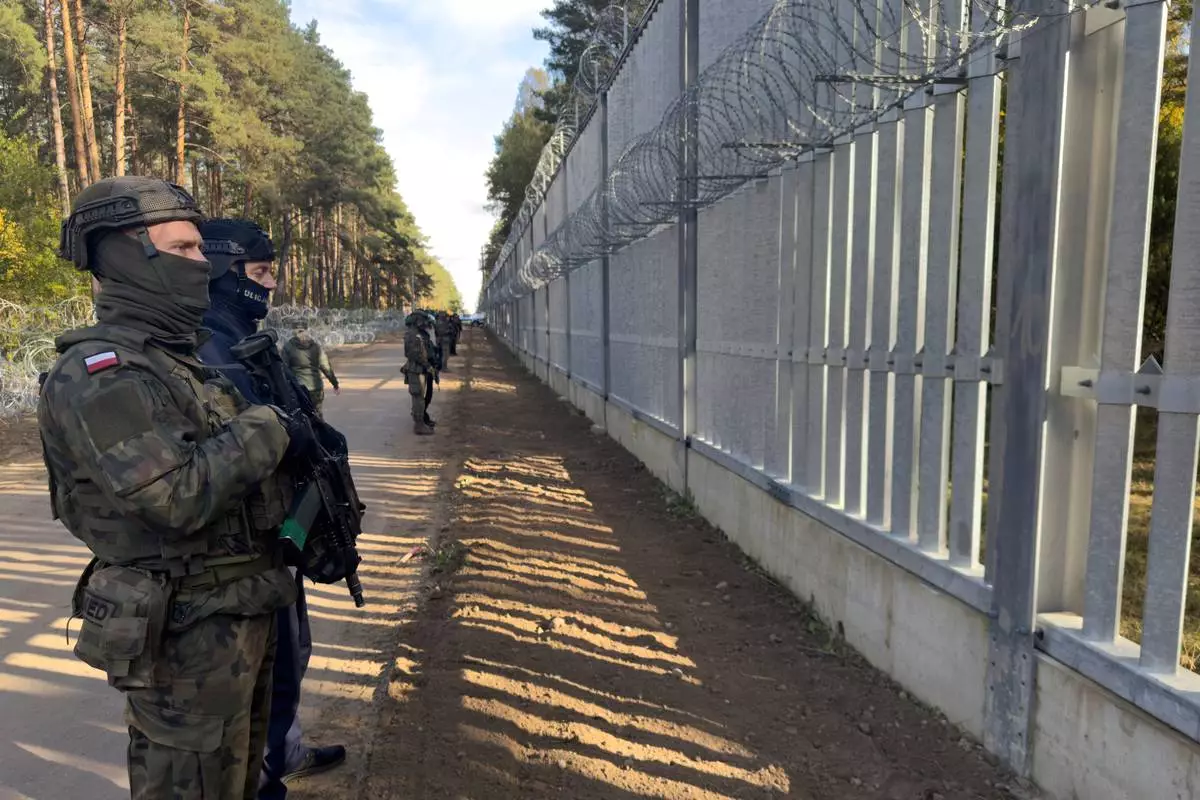
FILE - Servicemen guard at a section of Poland - Belarus border barrier near the Polowce-Pieszczatka, Poland, Oct. 15, 2025. (AP Photo/Rafal Niedzielski, file)

FILE - Servicemen guard at a section of Poland - Belarus border barrier near the Polowce-Pieszczatka, Poland, Oct. 15, 2025. (AP Photo/Rafal Niedzielski, file)

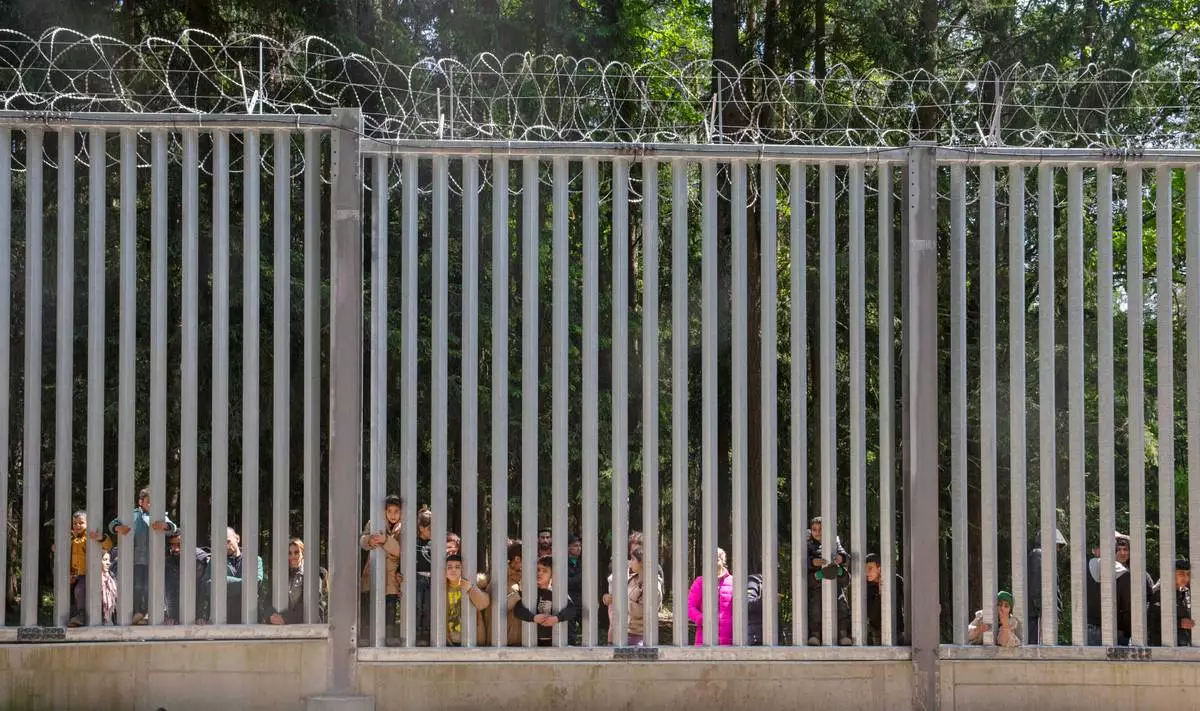
FILE - Members of a group of some 30 migrants seeking asylum look through the railings of a wall that Poland has built on its border with Belarus to stop massive migrant pressure in Bialowieza, Poland, on May 28, 2023. (AP Photo/Agnieszka Sadowska, File)

FILE - Members of a group of some 30 migrants seeking asylum look through the railings of a wall that Poland has built on its border with Belarus to stop massive migrant pressure in Bialowieza, Poland, on May 28, 2023. (AP Photo/Agnieszka Sadowska, File)

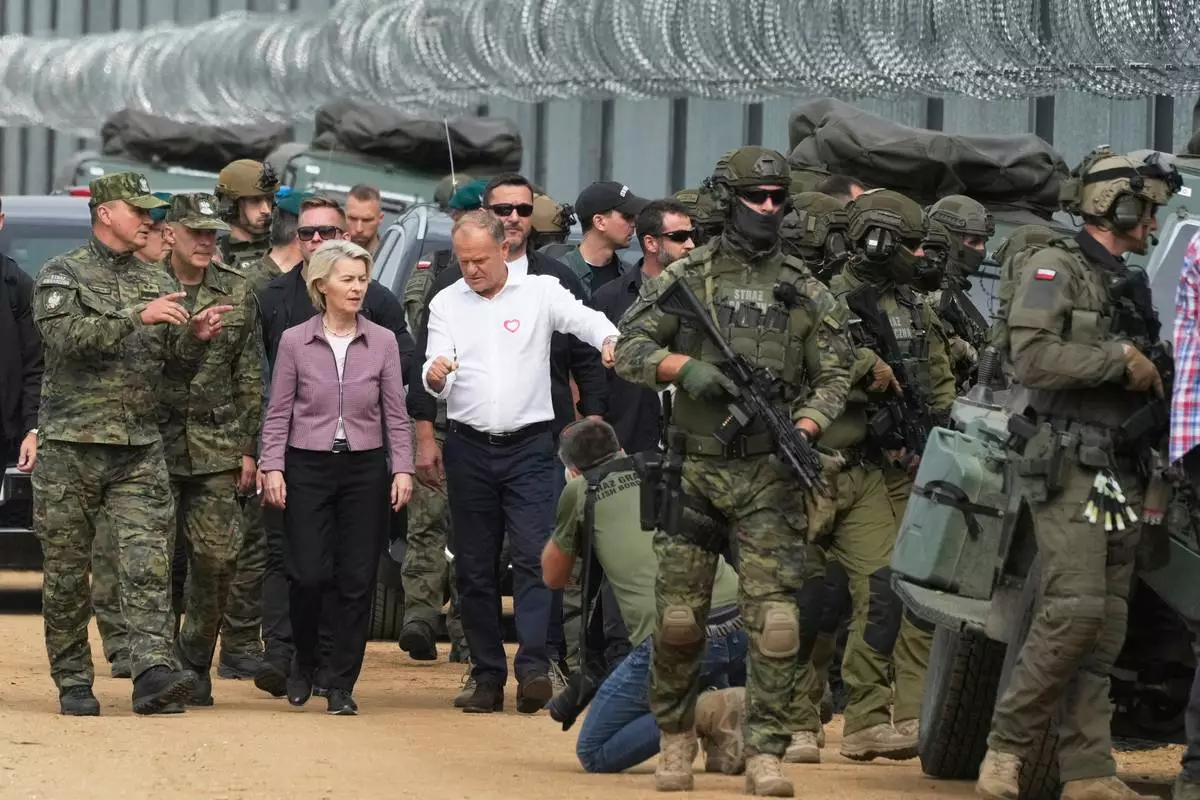
FILE - Polish Prime Minister Donald Tusk , center right, and European Commission President Ursula von der Leyen, center left, walk next to Border Guard personnel during their visit to the Polish-Belarus border, in Krynki, Poland, Aug. 31, 2025. (AP Photo/Czarek Sokolowski, file)

FILE - Polish Prime Minister Donald Tusk , center right, and European Commission President Ursula von der Leyen, center left, walk next to Border Guard personnel during their visit to the Polish-Belarus border, in Krynki, Poland, Aug. 31, 2025. (AP Photo/Czarek Sokolowski, file)

Recommended Articles