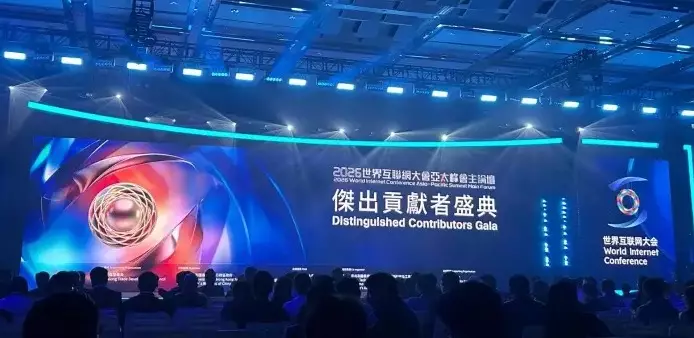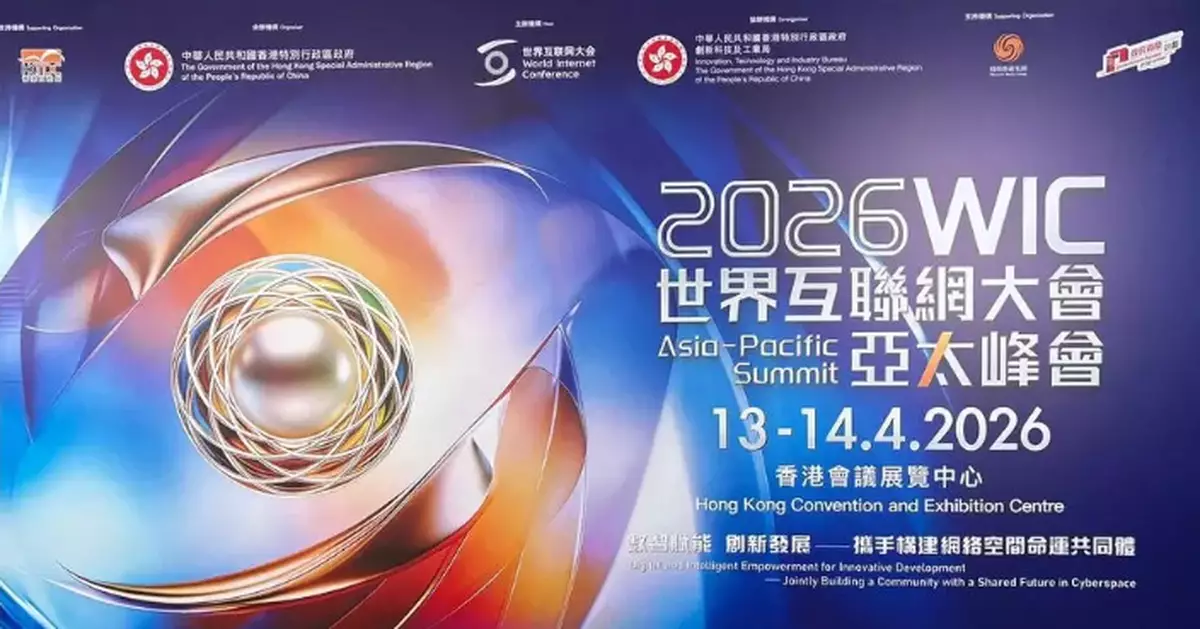
The 2026 World Internet Conference Asia-Pacific Summit was held over two consecutive days at the Hong Kong Convention and Exhibition Centre under the theme "Digital and Intelligent Empowerment for Innovative Development – Jointly Building a Community with a Shared Future in Cyberspace". The summit brought together approximately 1,000 political and business leaders, representatives of international organizations, and experts and scholars from over 50 countries and regions. On April 14, the second day of the summit, six sub-forums were held, focusing on the latest developments in "Innovation and Application of AI Agent", "Digital Finance", "AI Security and Governance", "Smart Livelihoods", "Digital Health", and "Digitalization and Dissemination of Classical Texts".
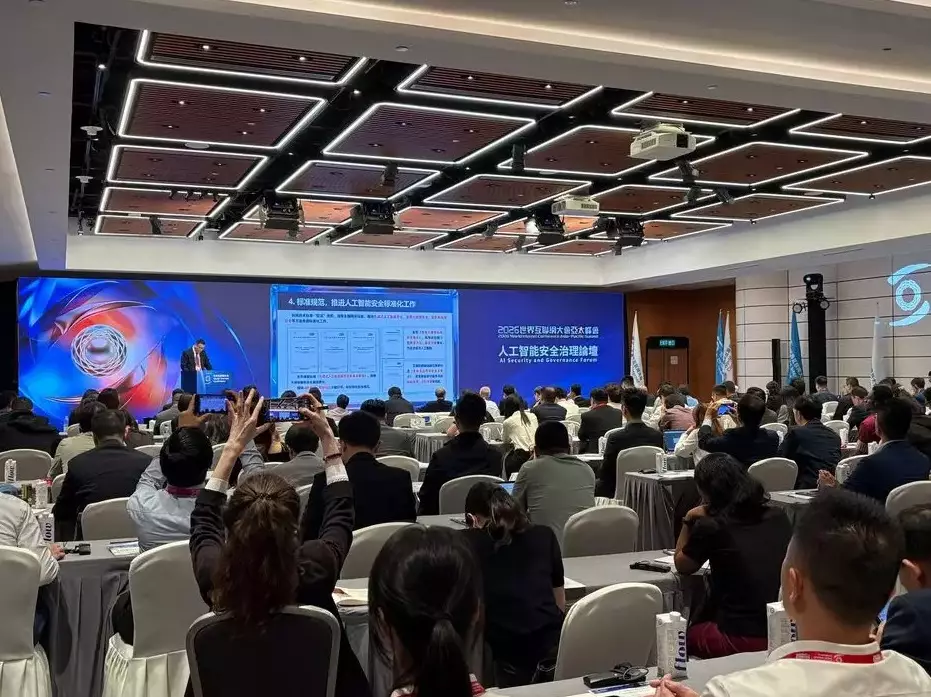
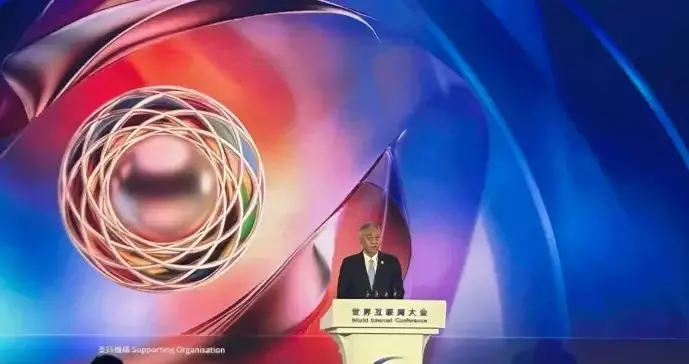
Mr. Gao Lin, Director General of the Bureau of Cybersecurity Coordination at the Cyberspace Administration of China, Photo by Bastille Post
Mr. Gao Lin, Director General of the Bureau of Cybersecurity Coordination at the Cyberspace Administration of China, stated at the "AI Security and Governance" Forum that while technological development is crucial, the ideological attributes of large language models must be clearly defined. A combination of institutional and cultural approaches should be maintained to clarify the responsibilities of all parties. He noted that versions 1.0 and 2.0 of the AI security governance framework, released in 2024 and 2025, respectively, could enable security risk assessments, the proposal of countermeasures, and the implementation of tiered and categorized management.
Click to Gallery
Mr. Gao Lin, Director General of the Bureau of Cybersecurity Coordination at the Cyberspace Administration of China, Photo by Bastille Post
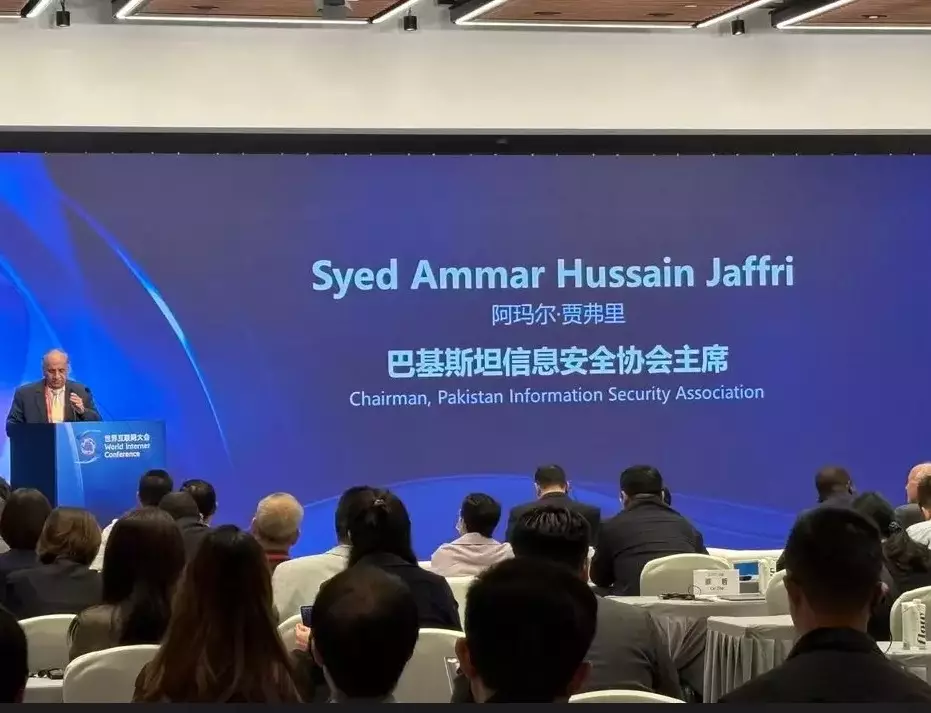
Mr. Syed Ammar Hussain Jaffri, Chairman of the Pakistan Information Security Association, Photo by Bastille Post
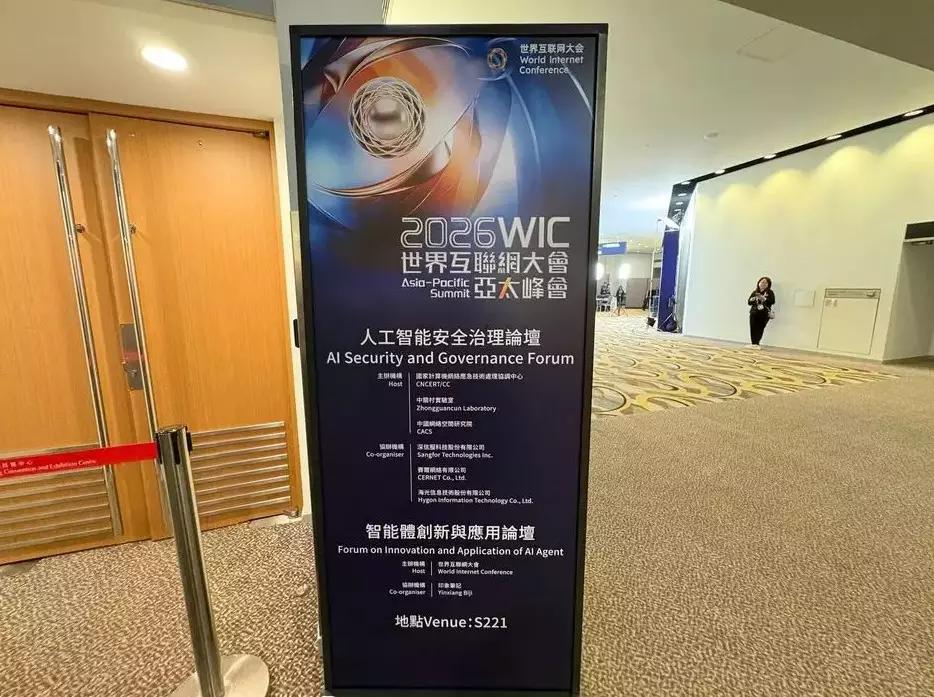
The "AI Security and Governance" Forum, Photo by Bastille Post
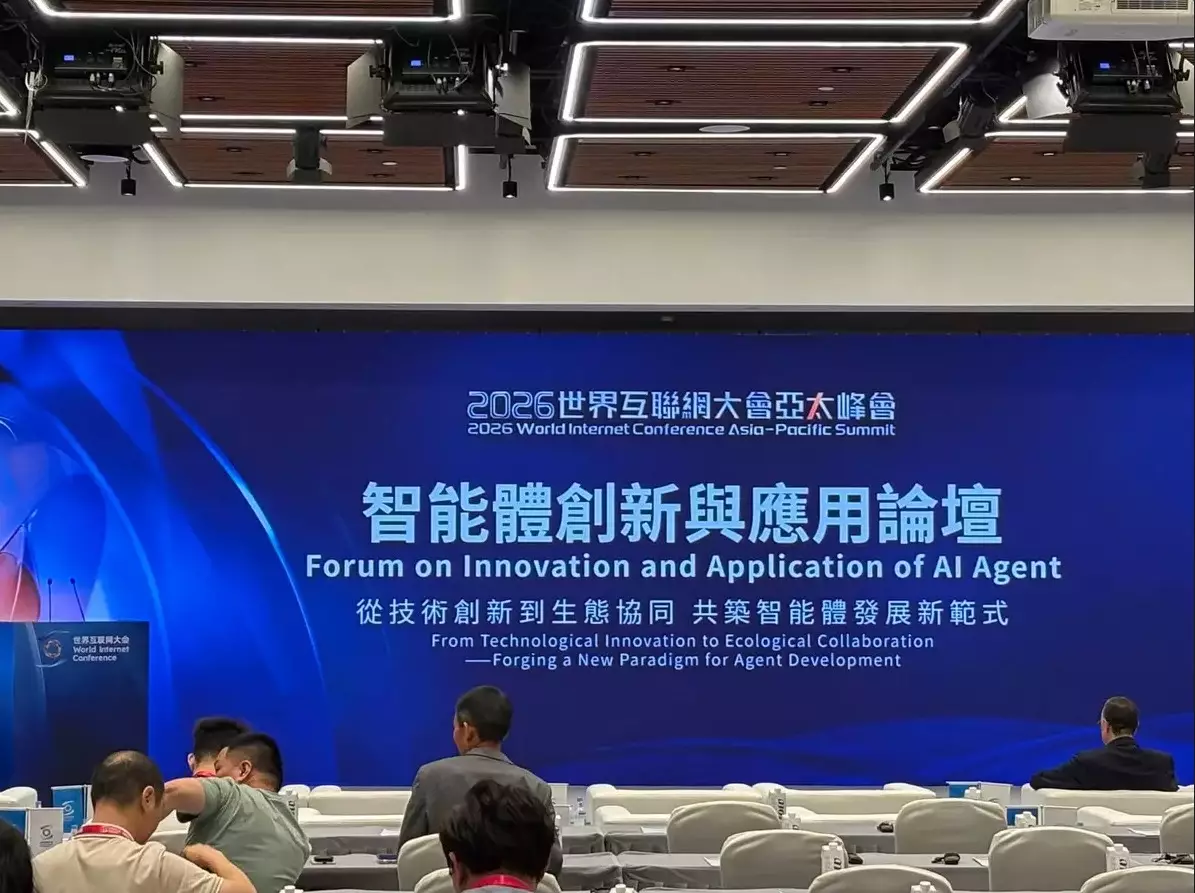
In the afternoon, the sub-forum on "Innovation and Application of AI Agent" was held. Photo by Bastille Post
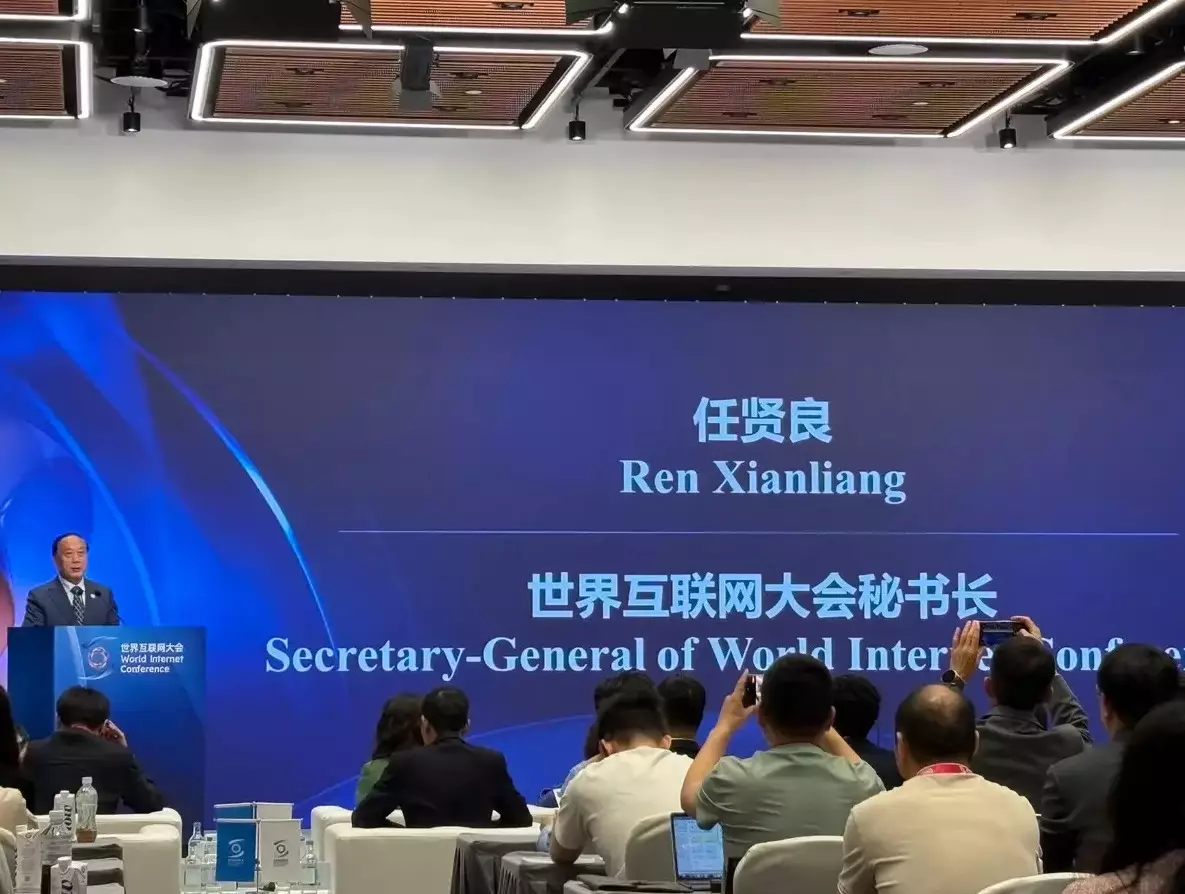
Mr. Ren Xianliang, Secretary-General of World Internet Conference, Photo by Bastille Post
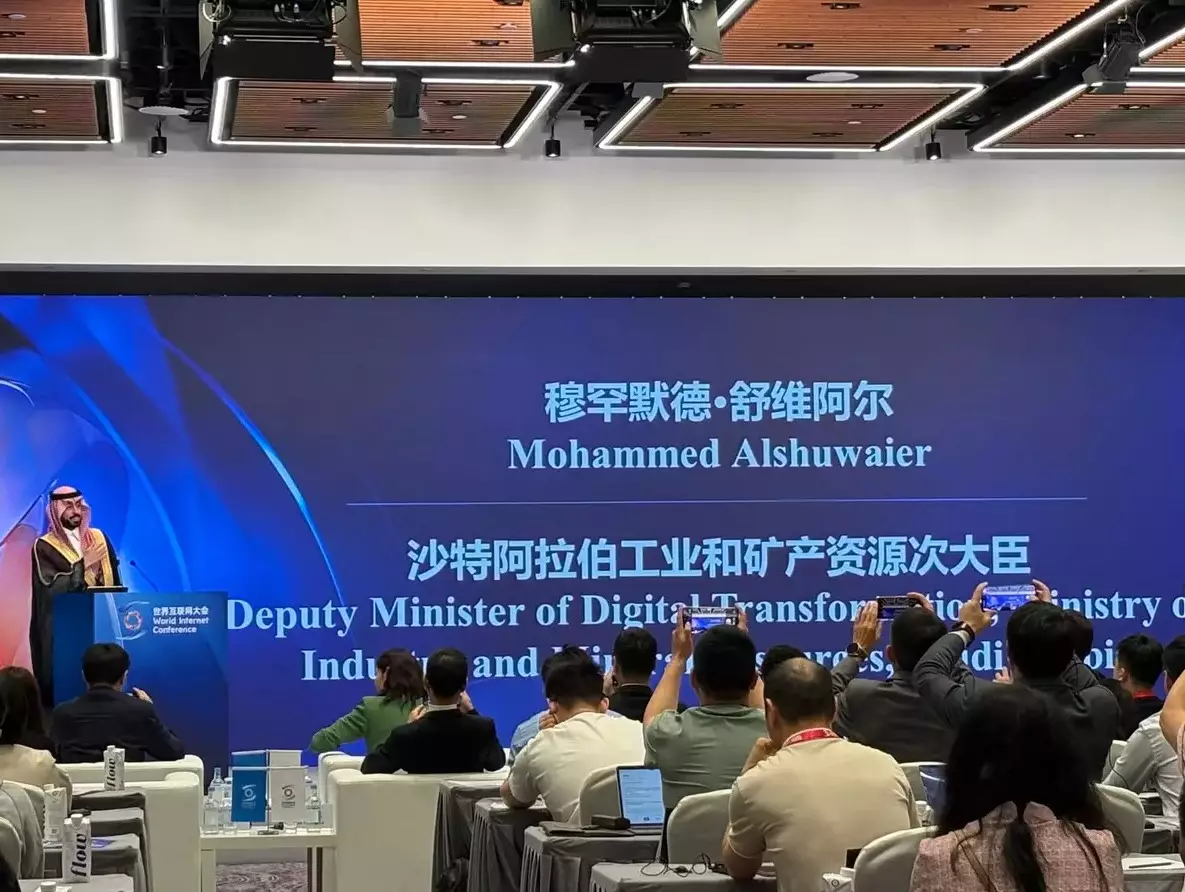
Mr. Mohammed Alshuwaier, Deputy Minister of Digital Transformation of the Ministry of Industry and Mineral Resources of Saudi Arabia, Photo by Bastille Post
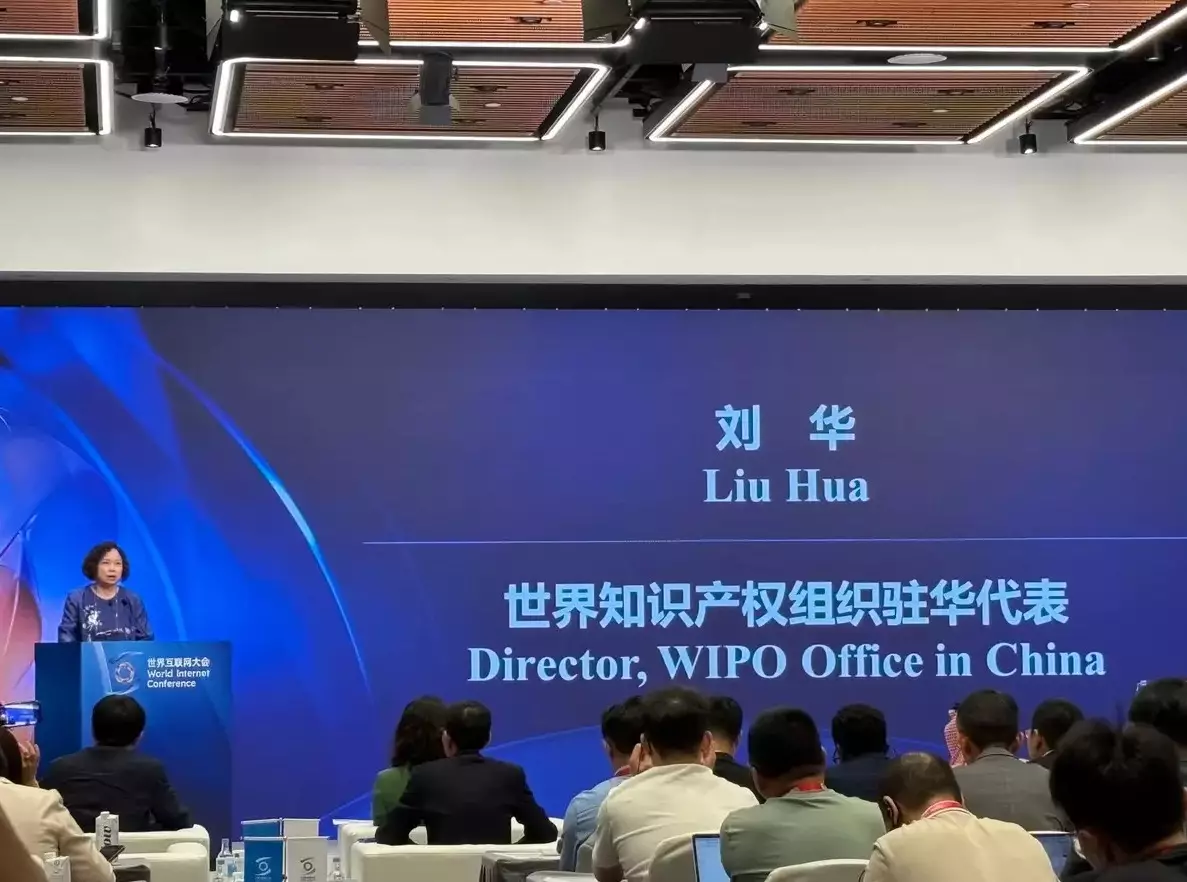
Ms. Liu Hua, Director of the World Intellectual Property Organization (WIPO) Office in China, Photo by Bastille Post
Mr. Gao Lin pointed out that to promote AI security standardization, government departments are actively designing mandatory national standards for the safe application of intelligent agents to prevent risks. The next steps will include further improving the regulatory system, exploring sandbox regulation, strengthening risk assessment and early warning mechanisms, building greater international consensus, and advancing international cooperation.
Mr. Syed Ammar Hussain Jaffri, Chairman of the Pakistan Information Security Association, Photo by Bastille Post
Mr. Syed Ammar Hussain Jaffri, Chairman of the Pakistan Information Security Association, stated that AI can predict future security events, but it can also be misused. He likened data to the oil of the future, noting that raw data needs processing to unlock its value, and that AI will improve itself based on large amounts of data.
He pointed out that AI-related training should begin in schools and research institutions with clear targets. Countries should engage in cross-sectoral cooperation, adopt "digital diplomacy," leverage social media platforms to respond to anomalies, and apply AI in real-world scenarios.
The "AI Security and Governance" Forum, Photo by Bastille Post
The forum, themed "AI Security and Governance: Safeguarding New Frontiers of Human Development", focused on cutting-edge topics such as global AI governance, the AI security governance framework 2.0, as well as the risk, security, and governance of intelligent agents. Representatives from government, industry, academia, and research institutions systematically discussed core issues, including AI legal regulation, technological risks, standards and rules, and international cooperation. They conducted in-depth analyses of the security risks, governance bottlenecks, and potential spillover risks accompanying AI's rapid evolution, actively exploring more pragmatic, sustainable, and implementable pathways for international cooperation, aiming to inject new momentum into improving global AI security governance.
In the afternoon, the sub-forum on "Innovation and Application of AI Agent" was held. Photo by Bastille Post
In the afternoon, the sub-forum on "Innovation and Application of AI Agent" was held. The forum, themed "From Technological Innovation to Ecological Collaboration - Forging a New Paradigm for Agent Development", brought together representatives from government departments, international organizations, enterprises, and research institutions to exchange views and discuss cutting-edge issues, such as the evolution of intelligent agent technology, industrial implementation, and ecosystem co-construction.
Mr. Ren Xianliang, Secretary-General of World Internet Conference, Photo by Bastille Post
Mr. Ren Xianliang, Secretary-General of World Internet Conference, stated that the forum was held against the backdrop of artificial intelligence reshaping the industrial landscape and digital ecosystem. Currently, AI is developing rapidly, and intelligent agents are becoming a crucial force in reshaping industries and promoting collaborative win-win outcomes. The Asia-Pacific region provides fertile ground for related development.
Mr. Ren offered four suggestions: First, solidify the technological foundation by driving capability leaps through collaborative innovation, tackling core technologies, and promoting the synergy of algorithms, computing power, and data. Second, broaden application scenarios by being demand-driven, promoting the deep integration of intelligent agents with multiple fields, creating solutions, building cross-domain collaborative platforms, and empowering the real economy. Third, strengthen governance defenses by adhering to a people-centered approach, improving technical standards and consultation mechanisms, and building an efficient governance system. Fourth, unite global efforts, uphold the concept of openness and win-win cooperation, deepen cooperation in multiple fields, support developing countries, and ensure that the fruits of innovation benefit people of all countries.
Mr. Mohammed Alshuwaier, Deputy Minister of Digital Transformation of the Ministry of Industry and Mineral Resources of Saudi Arabia, Photo by Bastille Post
Mr. Mohammed Alshuwaier, Deputy Minister of Digital Transformation of the Ministry of Industry and Mineral Resources of Saudi Arabia, stated that AI is no longer limited to simple tasks such as content generation. It's entering a new stage of intelligent agents, transforming from a passive tool into a digital partner. He further stated that building a healthy digital ecosystem requires four key elements: practical application, data infrastructure, human-centered design, and multi-party collaboration.
He stated that Saudi Arabia views AI as crucial to digital transformation and economic development, and that AI agents can be utilized to improve digital services, enhance decision-making efficiency, and more. In the future, the focus will not only be on building intelligent agents, but also on ensuring their measurable impact can combine innovation with responsibility, and technology with the ecosystem.
Ms. Liu Hua, Director of the World Intellectual Property Organization (WIPO) Office in China, Photo by Bastille Post
Ms. Liu Hua, Director of the World Intellectual Property Organization (WIPO) Office in China, stated that we are currently in a period of unprecedented changes, with the two major waves of innovation—digital and deep science—interacting, and intelligent agents emerging as a core representative force. WIPO plans to leverage artificial intelligence agents to upgrade and transform its future service system, shifting from single-point to comprehensive services. Moreover, WIPO also provides 10 application platforms covering industrial property and creative industries, promoting the integration of intelligent agents across various sectors.
Ms. Liu stated that WIPO's philosophy in China is to continuously strengthen cooperation at all levels—government, academia, business, and the public—and to engage with new industries, new technologies, and the next generation, including talent development. Currently, WIPO has established cooperative projects with Tsinghua University and Tongji University, hoping to plant the seeds of intellectual property among the younger generation.