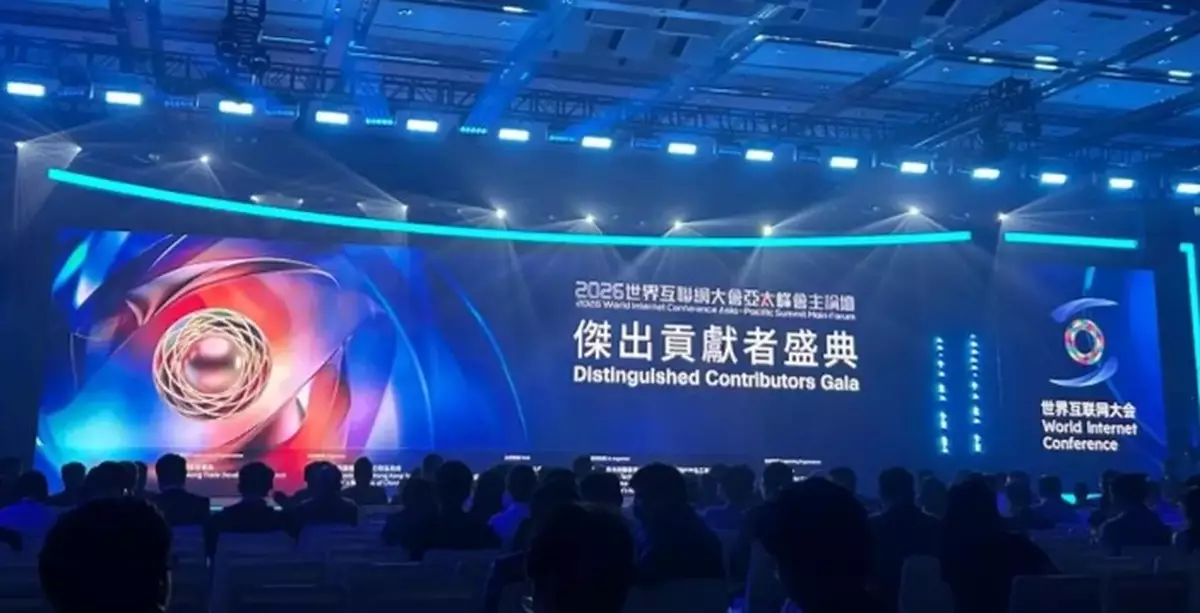
On the afternoon of April 13th, 2026 World Internet Conference Asia-Pacific Summit held its main forum, "Distinguished Contributors Gala". At the forum, Mr. Wang Jingtao, Deputy Director of the Cyberspace Administration of China, noted that a global wave of intelligent transformation is gaining momentum. The deep integration of artificial intelligence with the real economy is accelerating, emerging as a new engine of economic growth and penetrating every aspect of social production and daily life.
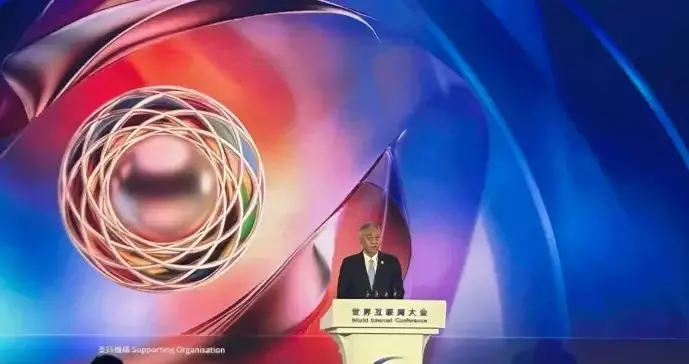
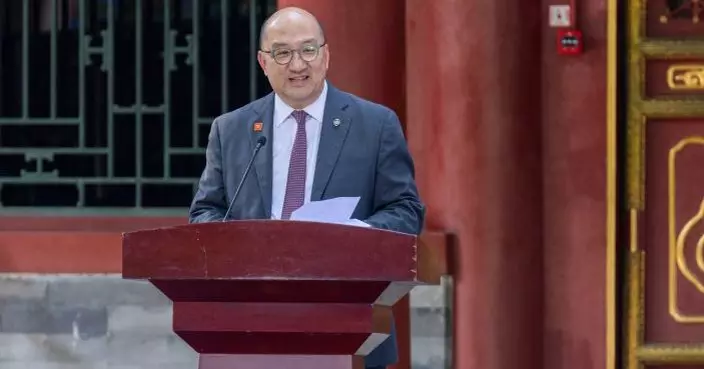
Mr. Wang Jingtao, Deputy Director of the Cyberspace Administration of China, Photo by Bastille Post
At the same time, technological hegemony, the widening digital divide, as well as escalating ethical issues and security risks have become unavoidable challenges for the international community. Deeper cooperation is needed to jointly address a critical question: how can digital technology better benefit humanity? In his view, guided by the goal of building a community with a shared future in cyberspace, we must strengthen exchanges and dialogue, expand innovative applications of data elements, and work together to overcome these challenges.
Click to Gallery
Mr. Wang Jingtao, Deputy Director of the Cyberspace Administration of China, Photo by Bastille Post
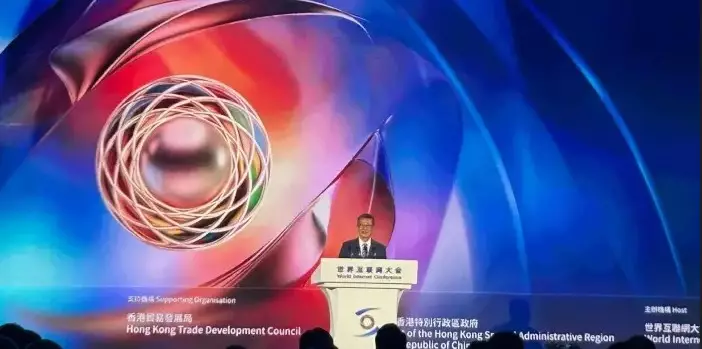
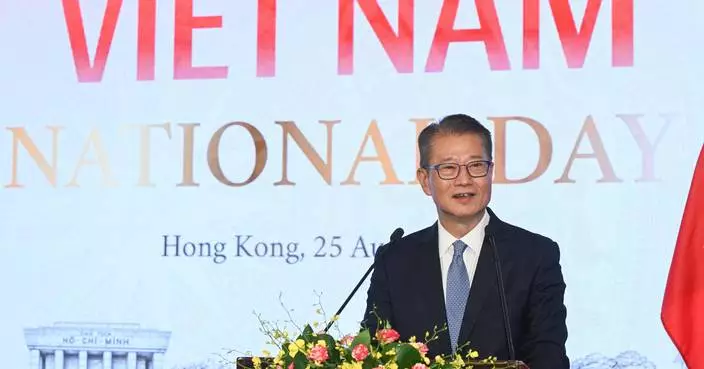
The Financial Secretary, Mr. Paul Chan, Photo by Bastille Post
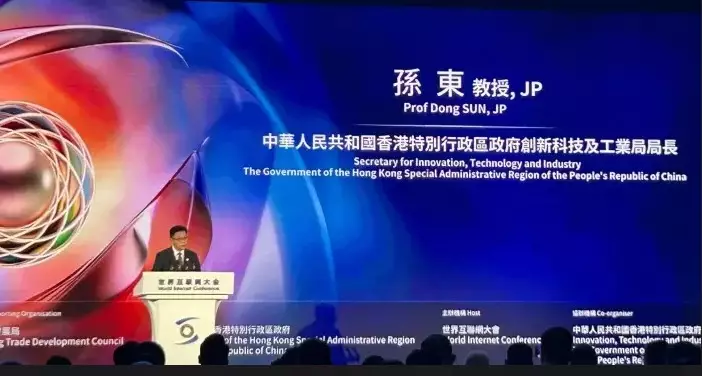
The Secretary for Innovation, Technology and Industry, Professor Sun Dong, Photo by Bastille Post
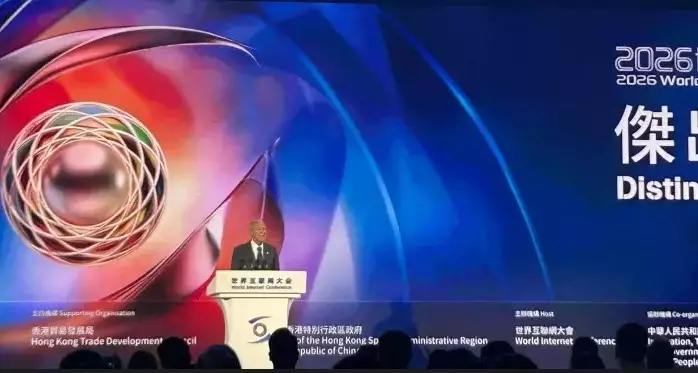
Mr. Francis Gurry, the Vice-Chair of the World Internet Conference and the Former Director General of the World Intellectual Property Organization (WIPO), Photo by Bastille Post
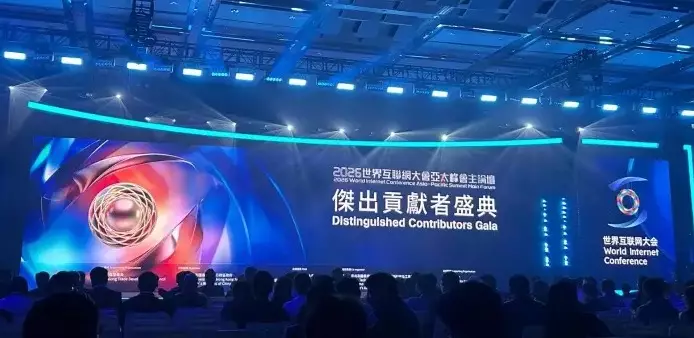
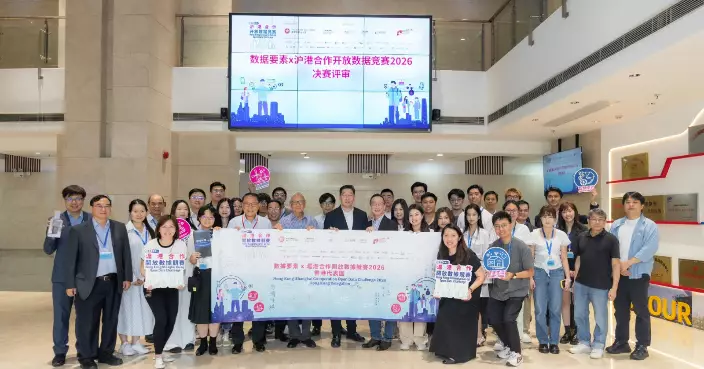
The 2026 World Internet Conference Asia-Pacific Summit held its main forum, "Distinguished Contributors Gala". Photo by Bastille Post
He shared four key points. First, uphold openness and cooperation to create new space for digital economic growth—promote development through openness and win-win collaboration, strengthen international cooperation in scientific and technological innovation, and cultivate new productive forces. Second, promote inclusiveness and sharing to ensure that the fruits of digital development benefit all parties, help developing countries improve the digitalization of public services, and ensure that the achievements of artificial intelligence truly serve all of humanity. Third, strengthen collaborative governance, uphold multilateralism, oppose unilateral hegemony, and promote the establishment of a globally participatory framework and standards for data governance. Fourth, reinforce the bottom line of security by upholding the concept of common security, resolutely combating cybercrime, strengthening data security and personal information protection, and jointly safeguarding a peaceful and secure cyberspace. He believes that the Summit held in Hong Kong will inject strong new momentum into digital economic cooperation in the Asia-Pacific region.
The Financial Secretary, Mr. Paul Chan, Photo by Bastille Post
The Financial Secretary, Mr. Paul Chan, stated that the world is now entering the era of digital intelligence, with AI agents emerging as a major trend in development. We are witnessing a redefinition of connectivity - one that is no longer characterised by digital links, but by digital intelligence. Artificial intelligence is becoming deeply integrated into social production and daily life in a collective, breakthrough-driven manner. However, technological progress also brings challenges such as cybersecurity threats and disinformation, making it essential to ensure that humans retain ultimate decision-making authority and to establish robust accountability and governance mechanisms.
He pointed out that Hong Kong is actively seizing the significant opportunities presented by artificial intelligence, adopting a two-track strategy to drive development. On one track, it has established the Committee on AI+ and Industry Development Strategy to explore how AI can transform industries such as life sciences, technology, and finance, while also vigorously cultivating local talent and AI enterprises. On the other track, we are enhancing public digital literacy through education and publicity, enabling citizens to understand how to collaborate with AI agents to create value.
Mr. Paul Chan emphasized that, as an international financial hub, Hong Kong is actively positioning itself as a global data hub, leveraging its financial advantages to support businesses and startups in seizing AI development opportunities. He believed that by taking a pragmatic approach that balances innovation with regulation, Hong Kong can achieve more responsible and beneficial AI development in the digital age, making AI a powerful force for economic transformation and social progress.
The Secretary for Innovation, Technology and Industry, Professor Sun Dong, Photo by Bastille Post
The Secretary for Innovation, Technology and Industry, Professor Sun Dong, stated that the world is undergoing a profound digital transformation, and only through technological innovation and international cooperation can we build a sustainable and beneficial digital future, which is also a vision that aligns closely with China's national development plan. The HKSAR Government fully embraces such a mission and is deeply committed to developing Hong Kong into an international innovation and technology hub, while supporting the Guangdong-Hong Kong-Macao Greater Bay Area in its goal of becoming a world-class science and technology innovation center.
He noted that, guided by the "Hong Kong Innovation and Technology Development Blueprint", Hong Kong is focusing on strategic areas, such as life sciences and healthcare, artificial intelligence and robotics, advanced manufacturing, and new energy. At the core of this effort are three international innovation and technology parks and five key R&D institutions. Since Hong Kong is home to five universities ranked among the world's top 100 and currently hosts over 3,000 top international researchers, two existing research institutes have made significant progress in healthcare, AI, and robotics, and a third institute, focusing on sustainable development and advanced manufacturing, will be established in the first half of this year. The HKSAR Government is making substantial infrastructure investments, including advancing the AI supercomputing center and data center cluster project, which is expected to boost Hong Kong's computing power by more than 32 times by 2030.
Professor Sun Dong also emphasized that, with its open and business-friendly environment, world-class infrastructure, and the advantages of the "One Country, Two Systems" policy, Hong Kong has become a super-connector between the Mainland and the world. Hong Kong's innovation and technology ecosystem has achieved remarkable results, with over 5,000 startups, an approximate 40% increase compared to five years ago, ranking among the top globally in digital competitiveness, high-tech talent, and innovation clusters. He called on all parties to work together to share the opportunities presented by digital intelligence development and to jointly build a community with a shared future in cyberspace.
Mr. Francis Gurry, the Vice-Chair of the World Internet Conference and the Former Director General of the World Intellectual Property Organization (WIPO), Photo by Bastille Post
Mr. Francis Gurry, the Vice-Chair of the World Internet Conference and the Former Director General of the World Intellectual Property Organization (WIPO), said that as a general-purpose technology spanning the entire economic spectrum, artificial intelligence brings enormous potential and widespread benefits, but also significant risks and challenges. As the Chinese proverb goes, "Where there is yang, there is yin; where there is benefit, there is harm." Technology itself is neither good nor evil—its ultimate impact depends on how humans choose to use it.
He pointed out that one of the major challenges of artificial intelligence as an emerging general-purpose technology is its potential to exacerbate social inequality and imbalance. Some societies may fall behind due to their inability to acquire or deploy this technology promptly, while others may gain significant economic growth and competitive advantages. Furthermore, rapid technological iteration could trigger large-scale technological unemployment, leading to structural employment shocks.
Mr. Gurry emphasized that we must face these challenges squarely. While vigorously promoting the development of artificial intelligence, we must also take proactive measures to ensure the equitable sharing of technological achievements, prevent the digital divide from widening further, and ensure that artificial intelligence truly becomes a common asset benefiting all humanity, rather than the privilege of a select few.
The 2026 World Internet Conference Asia-Pacific Summit held its main forum, "Distinguished Contributors Gala". Photo by Bastille Post
At the Gala, internationally renowned innovation and technology leaders shared their forward-looking insights on artificial intelligence, digital infrastructure, and cross-regional cooperation.