Chinese stocks closed higher on Tuesday, with the benchmark Shanghai Composite Index up 0.95 percent to 4,026.63 points.
The Shenzhen Component Index closed 1.61 percent higher at 14,639.95 points.
The combined turnover of the two indices totaled 2.38 trillion yuan (about 347 billion U.S. dollars), up from 2.15 trillion yuan on the previous trading day.
Stocks related to energy metals and battery sectors led the gains, while those related to oil and gas extraction and services, as well as coal mining and processing, led the losses.
The ChiNext Index, tracking China's Nasdaq-style board of growth enterprises, gained 2.36 percent to close at 3,558.53 points on Tuesday.
The STAR Composite Index, which reflects the performance of stocks on China's sci-tech innovation board, closed 2.13 percent higher at 1,793.65 points.
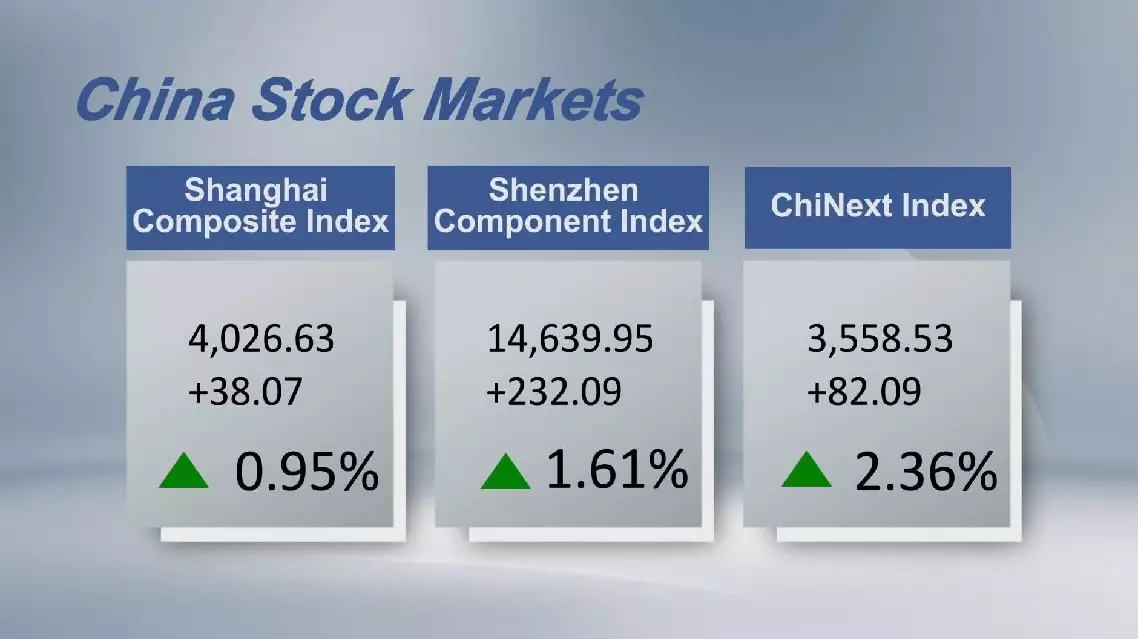
Chinese shares close higher Tuesday
The heads of the International Energy Agency (IEA), International Monetary Fund (IMF) and World Bank Group on Monday warned in a statement of the negative impacts of the war against Iran waged by the United States and Israel.
The three leaders met as part of a coordination group set up on April 1 to maximize their institutions' response to the energy and economic impacts of the war in the Middle East.
"The impact of the war is substantial, global, and highly asymmetric, disproportionately affecting energy importers, in particular low-income countries. The shock has led to higher oil, gas and fertilizer prices, triggering concerns about food security and job losses as well. Some oil and gas producers in the Middle East have also seen a dramatic loss of export revenue," the statement said.
Even after a resumption of regular shipping flows through the Strait of Hormuz, it will take time for global supplies of key commodities to return to pre-conflict levels -- and fuel and fertilizer prices may remain high for a prolonged period, given the damage to infrastructure, it said.
Due to supply disruptions, shortages of key inputs are likely to affect energy, food, and other industries. The war has also forcibly displaced people, impacted jobs, and reduced travel and tourism, which may take time to reverse, it added.
Teams from the organizations are working closely, including at the country level, to leverage their respective expertise and help countries through tailored policy advice and, in the case of the IMF and World Bank, financial support where needed, according to the statement.
The three leaders vowed to continue to monitor closely and assess the impact of the war on energy markets, the global economy, and individual countries, and to coordinate responses and support for their respective member countries.
Last month, the 32-member countries of the IEA agreed to release 400 million barrels of oil from stockpiles, the largest such move in the IEA's history, to deal with the global oil supply shortage caused by the conflict.
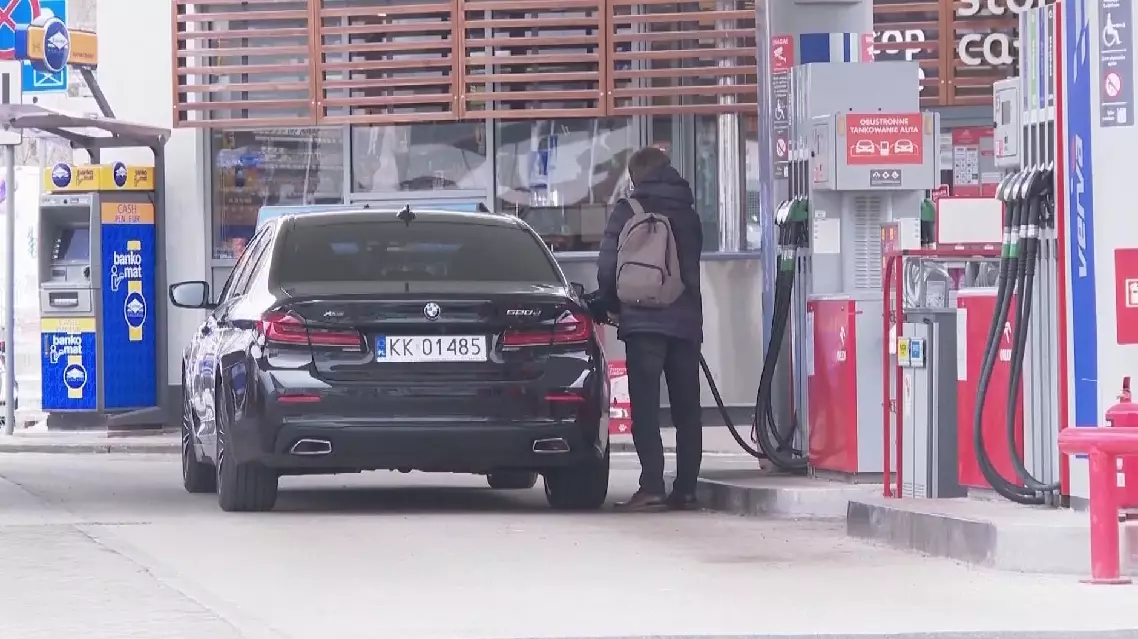
IEA, IMF, World Bank heads warn of impacts of Iran war