ORLANDO, Fla. (AP) — The most popular last names in the U.S might be unchanged from the previous decade, but Asian surnames were the fastest-growing at the start of this decade, the U.S. Census Bureau said Tuesday.
Smith, Johnson, Williams, Brown and Jones remained the top five last names in the United States in 2020, as they were in 2010, according to a tally from the last U.S. head count. Most of the fastest-growing last names from 2010 to 2020 were Asian, according to the Census Bureau.
The top three of those were Zhang, Liu and Wang. In the 21st century, Asians have been the fastest-growing of the country’s largest racial or ethnic groups, and they now make up 7% of the U.S. population.
While Asian growth will continue to outpace overall U.S. growth, the immigration crackdown during the second Trump administration could slow down future expansion of that population in the United States, said Paul Ong, a public affairs professor at the University of California, Los Angeles.
“Much of the growth of the Asian population has been driven by immigrants and their children,” Ong said Tuesday. “Consequently, when Asians crack the top surname rank will be pushed further into the future.”
Rounding out the top 10 most common last names in 2020 were Garcia, Miller, Rodriguez, Davis and Martinez. The only change from 2010 was Rodriguez, which jumped ahead of Davis for the No. 8 spot.
There were 7.8 million unique last names, according to the Census Bureau.
The Census Bureau has tallied counts of the most common last names in each once-a-decade head count since 1990. The 2020 census was the first since 1990 to provide data on first names, although the Social Security Administration keeps a count of the most popular male and female first names for babies each year.
The census tally showed that the most popular male first names at the start of this decade were Michael, John, James, David and Robert, while the most common female first names were Mary, Maria, Jennifer, Elizabeth and Patricia.
Not too much has changed since 1990, though there was a little more variety for female names. Back then, the most popular male first names were James, John, Robert, Michael and William. The most popular female first names were Mary, Patricia, Linda, Barbara and Elizabeth.
“The names people choose are a function of what they are exposed to, so culture certainly plays a role, but so does social influence,” said Jonah Berger, a professor of marketing at the University of Pennsylvania. “People are constantly exposed to names of others around them, and that can shape not only which names they like, but also which ones they avoid.”
Unlike the Social Security Administration's count, the Census Bureau's tally includes everyone, not just newborns. Liam and Olivia have been the top names for babies over the last several years in the Social Security Administration's annual count.
The most popular first names were so different between the two federal agencies because the 2020 census captured people from all age groups, and not just newborns like the Social Security Administration's tally, said Michelle Napierski-Prancl, a sociologist at Russell Sage College in New York.
“So you have generations that were likely named Mary or John and follow more traditional family naming patterns or religious naming patterns," Napierski-Prancl said Tuesday.
__
An earlier version of this story included misinterpreted data about the most common last names among various ethnic groups. Those paragraphs have been deleted.
Follow Mike Schneider on the social platform Bluesky: @mikeysid.bsky.social.
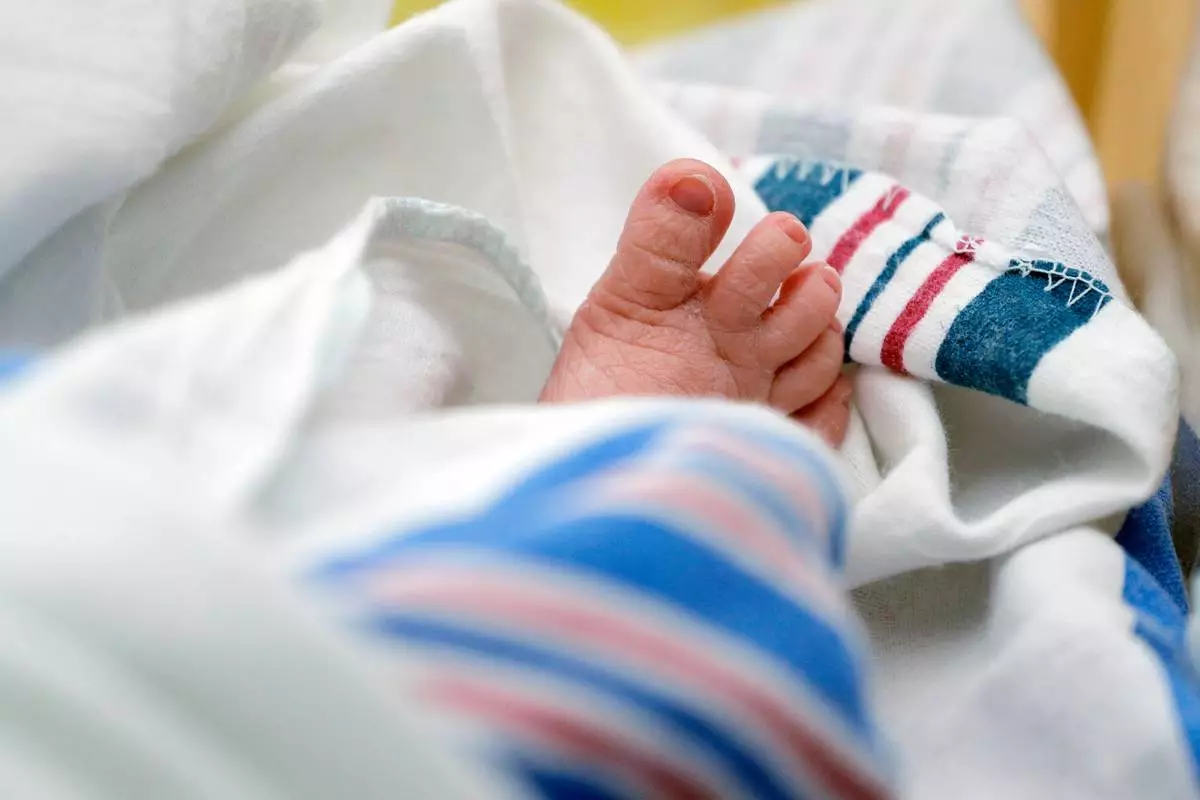
FILE - The toes of a baby are seen at DHR Health, July 29, 2020, in McAllen, Texas. (AP Photo/Eric Gay, File)
MONGBWALU, Congo (AP) — Dr. Richard Lokudu, the medical director of Mongbwalu General Referral Hospital, has received barely any compensation for his work on the front line of one of Congo's deadliest Ebola virus outbreaks.
Lokudu and several of his colleagues work all day at the hospital treating an influx of patients. Notifications of suspected cases come even late at night.
“I have not received my allowance (and) what happened to others could happen to me as well,” Lokudu told The Associated Press. “Despite all the infection prevention and control measures we are implementing, we do not know what may happen.”
Health authorities believe the outbreak, which took the eastern region of Congo by surprise after spreading silently for weeks without detection, started in the bustling mining area of Mongbwalu in Ituri province.
Mongbwalu has emerged as the epicenter of the rare Bundibugyo type. The town attracts large numbers of laborers who work in large gold mines with muddy pools of gold deposits, narrow pits and caves. They live in low-income areas including crowded camps and have little access to proper health protocols.
The conditions increase the possibility of transmitting the disease, which spreads through close contact with bodily fluids of the sick and deceased such as sweat, blood, feces and vomit.
There also has been widespread skepticism regarding the disease, making the job of medical treatment more difficult for Lokudu and his colleagues, while some of the health workers and first responders have died from the disease.
“It is one thing to be far away and hear statistics being reported, but what is happening on the ground is enormous,” Lokudu said. “People are sacrificing their rest and comfort for this cause. There should be recognition that they deserve compensation. These workers should receive their salaries regularly.”
The Congolese government did not respond to a request for comment from the AP.
Congolese authorities have confirmed 452 cases including 82 deaths. On Thursday, the Central African nation recorded 71 new cases in a day, which authorities said is a sign of “active community transmission.”
The rare Bundibugyo type has no approved vaccines or treatment, so health workers have been targeting symptoms. The government said at least five people have recovered from Ebola since the outbreak was officially confirmed by Congo's Ministry of Health on May 15.
The disease “had a big head start,” according to World Health Organization Director-General Tedros Adhanom Ghebreyesus. Hospitals in the region could not test for the right type of Ebola that had begun spreading several weeks before confirmation.
Health workers are handling the disease with minimal resources as agencies have been scrambling to bring aid into the region. Masks, gloves, boots and medications were initially all in short supply.
“There has been an erosion of the health system,” said Heather Kerr, country director for the International Rescue Committee in Congo. “There has not been investment in the health system, and this has been going on for years.”
“During the first week, we did not even have time to go home and eat. The second week was the same. We only eat once a day, what amounts to breakfast in the evening,” said Alice Bamuhinga, a nurse at the Mongbwalu hospital.
Even with widespread skepticism and disregard for health protocols, many in the town are becoming aware of the outbreak's grave reality.
Asero Jeanne had five children. Two died from the disease within two weeks. When her daughter became ill, the family thought it was malaria and neighbors advised them to avoid the hospital, saying “anyone who went there would die immediately,” according to Jeanne, 52.
The daughter died after three weeks of moving between hospitals and home, followed by a son who died days after. Then Jeanne became sick.
“I saw about 20 people die,” Jeanne said. “I watched them being taken to the morgue, yet God is allowing me to leave here alive. I thank the doctors.”
Tedros, the WHO director-general, on Friday launched a $518 million plan to combat the outbreak, saying “containing Ebola depends on political commitment, sustained financing, and the trust and engagement of communities.”
Efforts to contain the disease also have been hindered by the conflict between the government and Rwanda-backed M23 rebel group, in addition to attacks by Islamist militants.
For health workers on the front line of Congo's Ebola outbreak, the work has become harder as the disease spreads faster than their current treatment capacity.
“Despite the alerts we receive and the teams we have on site, we lack the means to travel into the field,” Lokudu said. “As a result, there are alerts we are unable to investigate.”
Adetayo reported from Lagos, Nigeria.
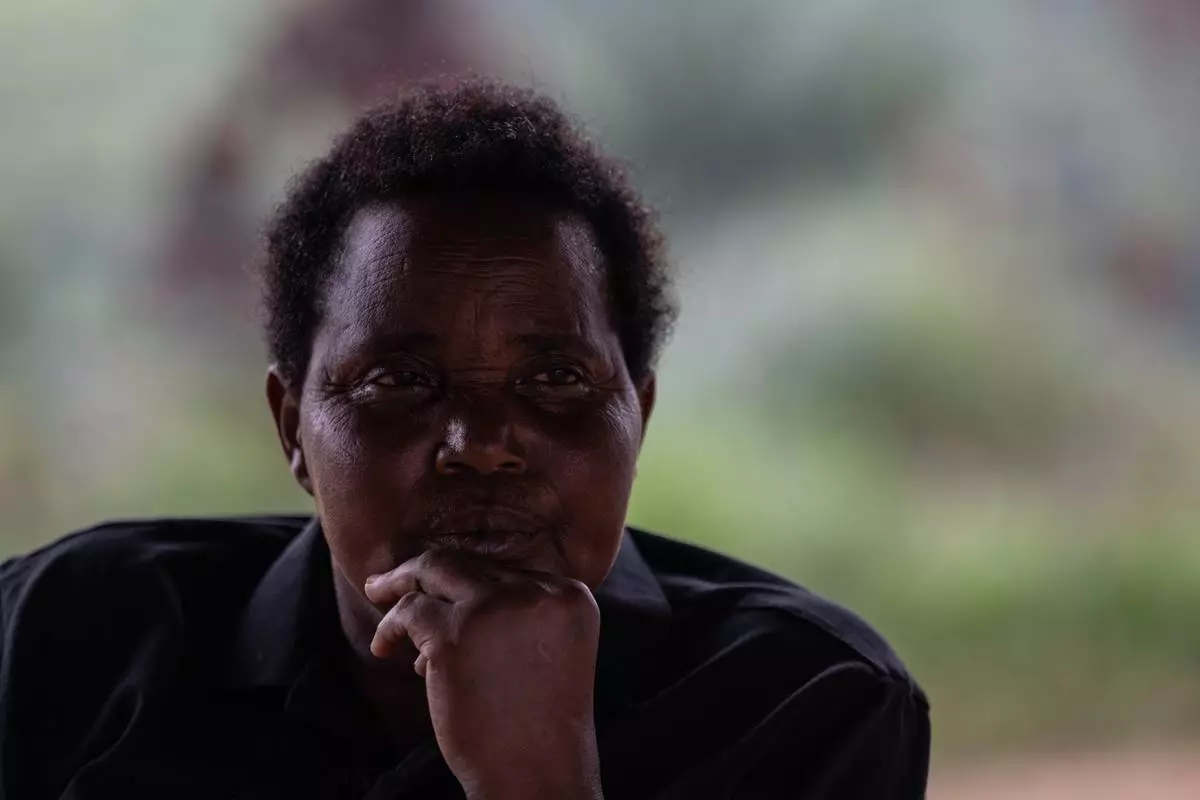
Asero Jeanne, a mother of five who lost two of her children to Ebola, was discharged from the hospital after testing negative in Mongbwalu, Congo, Friday, June 5, 2026. (AP Photo/Moses Sawasawa)
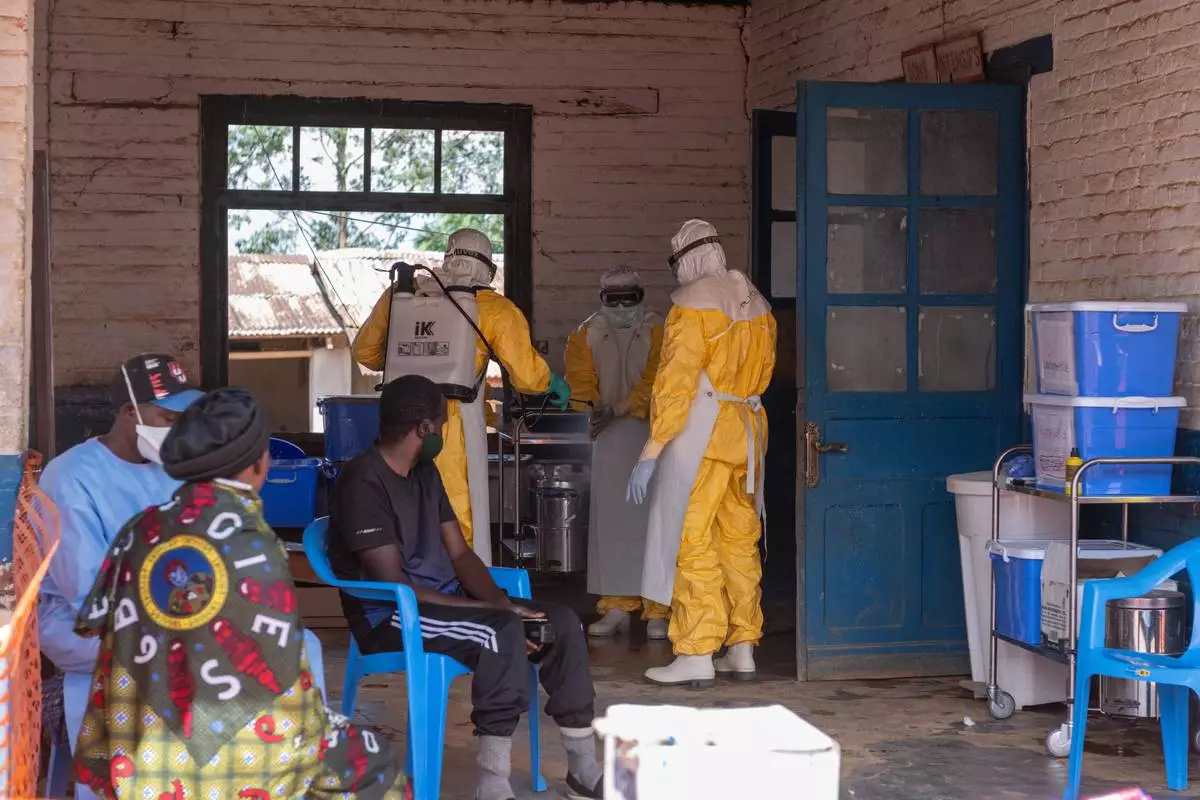
Health workers prepare for duty at the Mongbwalu treatment center in Mongbwalu, Congo, Friday, June 5, 2026. (AP Photo/Moses Sawasawa)
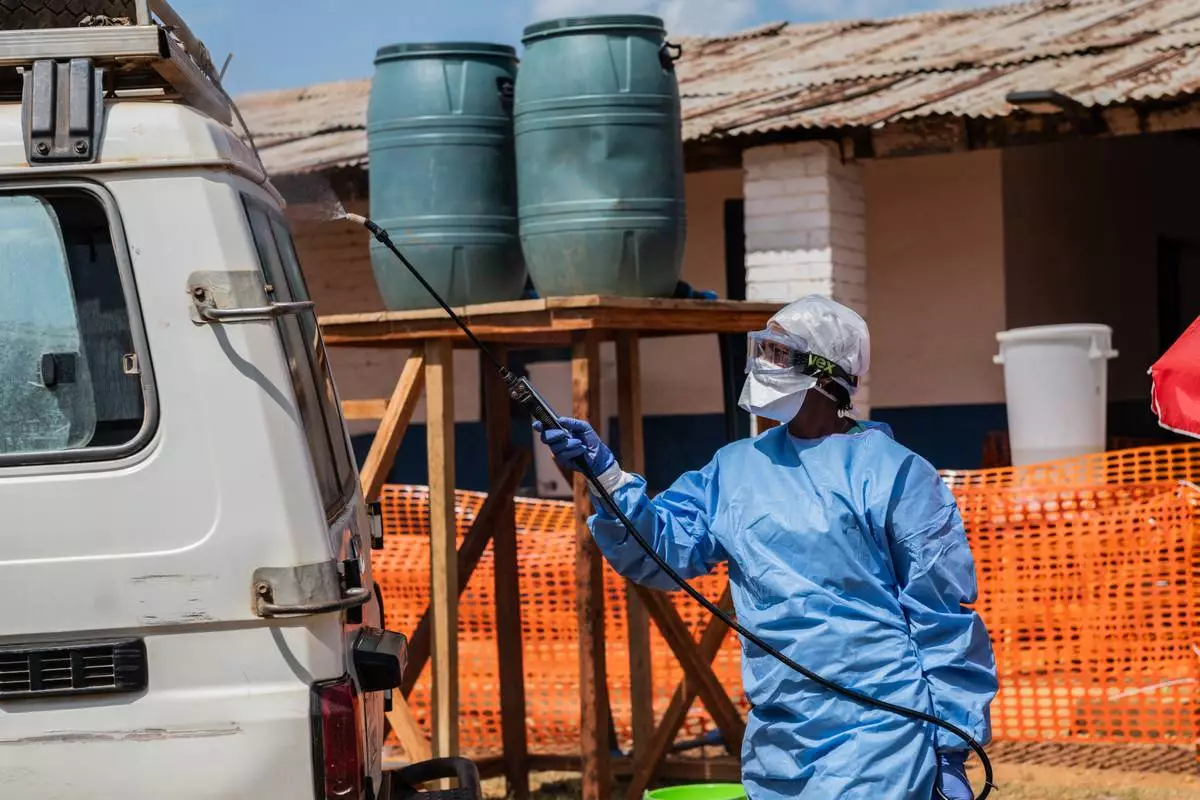
A health worker disinfects an ambulance at the Mongbwalu treatment center that transported a suspected Ebola patient in Mongbwalu, Congo, Friday, June 5, 2026. (AP Photo/Moses Sawasawa)
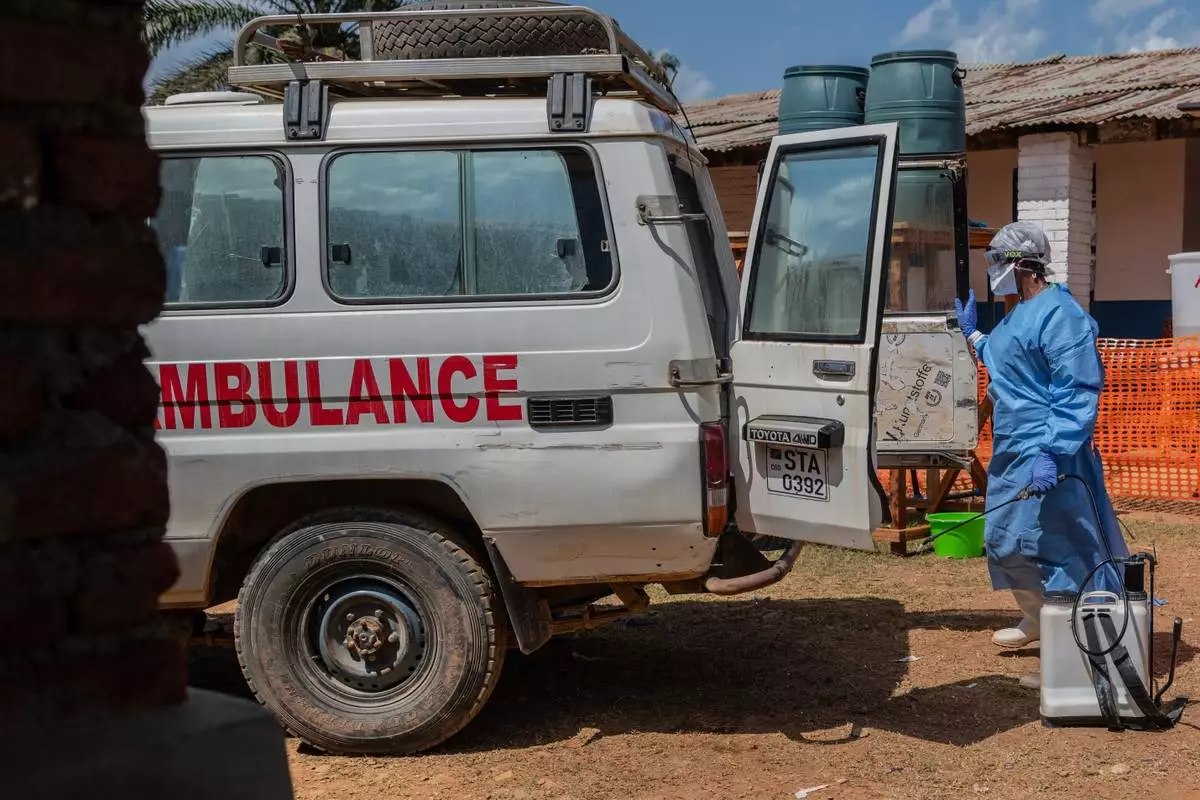
A health worker disinfects an ambulance at the Mongbwalu treatment center that transported a suspected Ebola patient in Mongbwalu, Congo, Friday, June 5, 2026. (AP Photo/Moses Sawasawa)
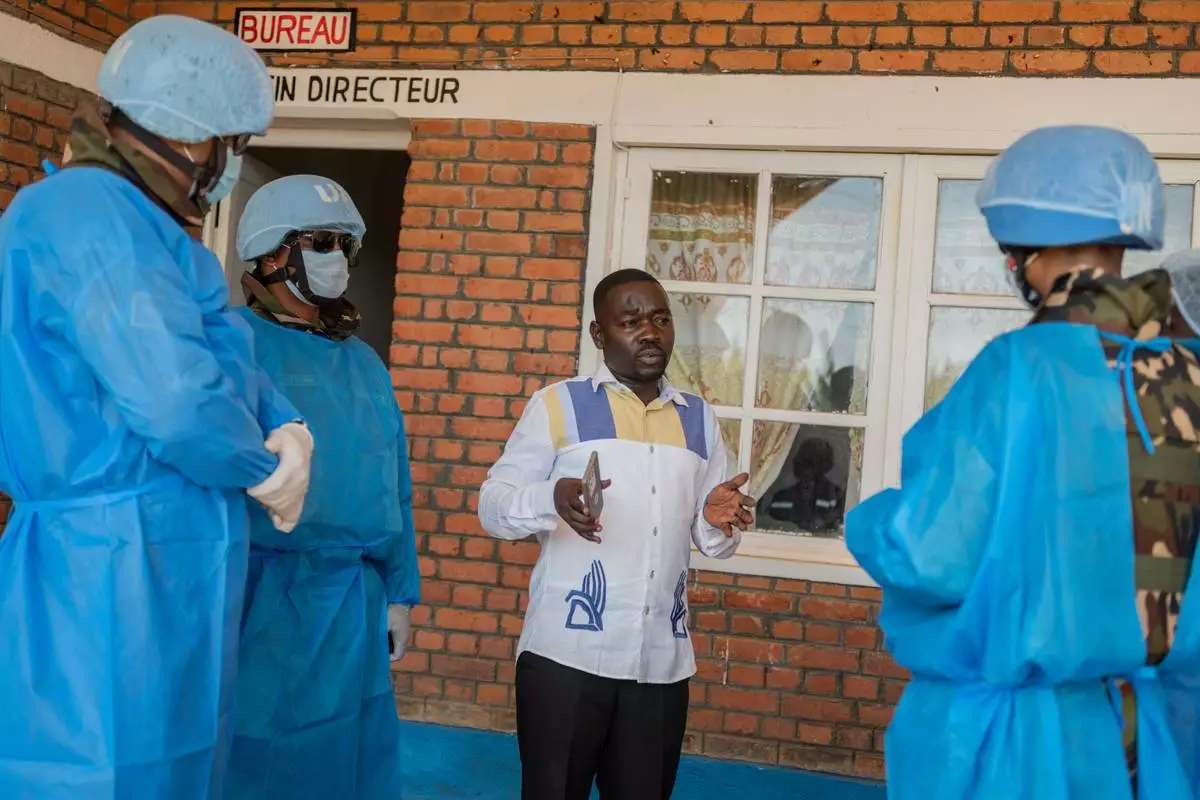
Richard Lokudu, center, the medical director of Mongbwalu General Hospital, speaks with UN peacekeepers in Mongbwalu, Congo, Friday, June 5, 2026. (AP Photo/Moses Sawasawa)