Iran will impose new transit rules on the Strait of Hormuz in response to a U.S. blockade, an Iranian lawmaker said Tuesday, signaling possible fees on shipping through the world’s most vital oil chokepoint.
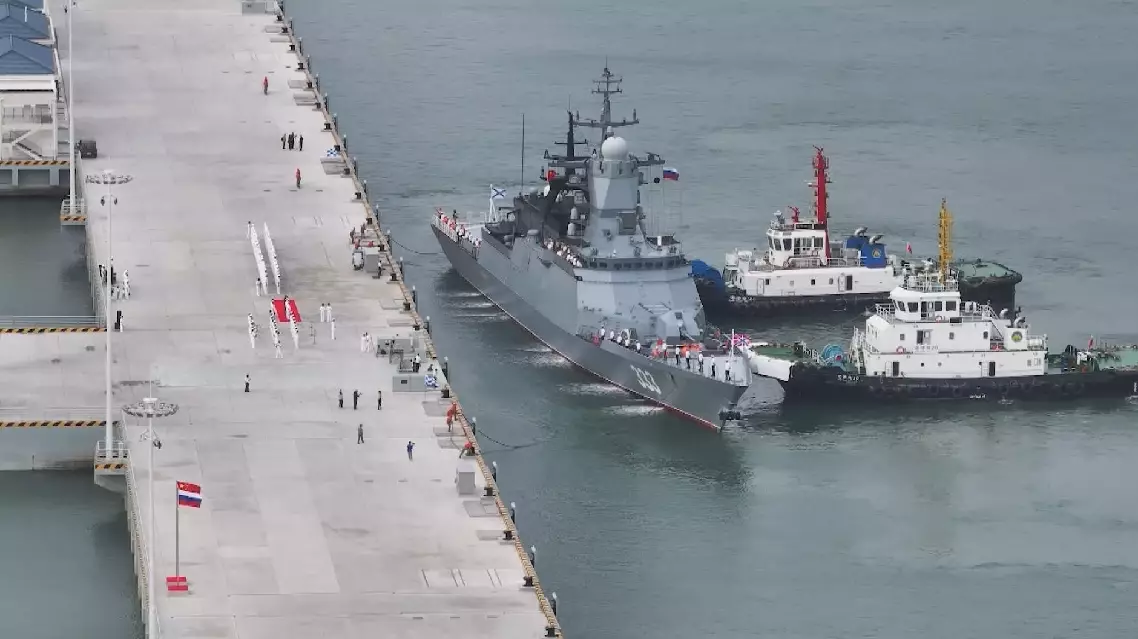
The United States announced the blockade after peace talks collapsed, deploying more than a dozen warships to intercept vessels bound for Iranian ports.
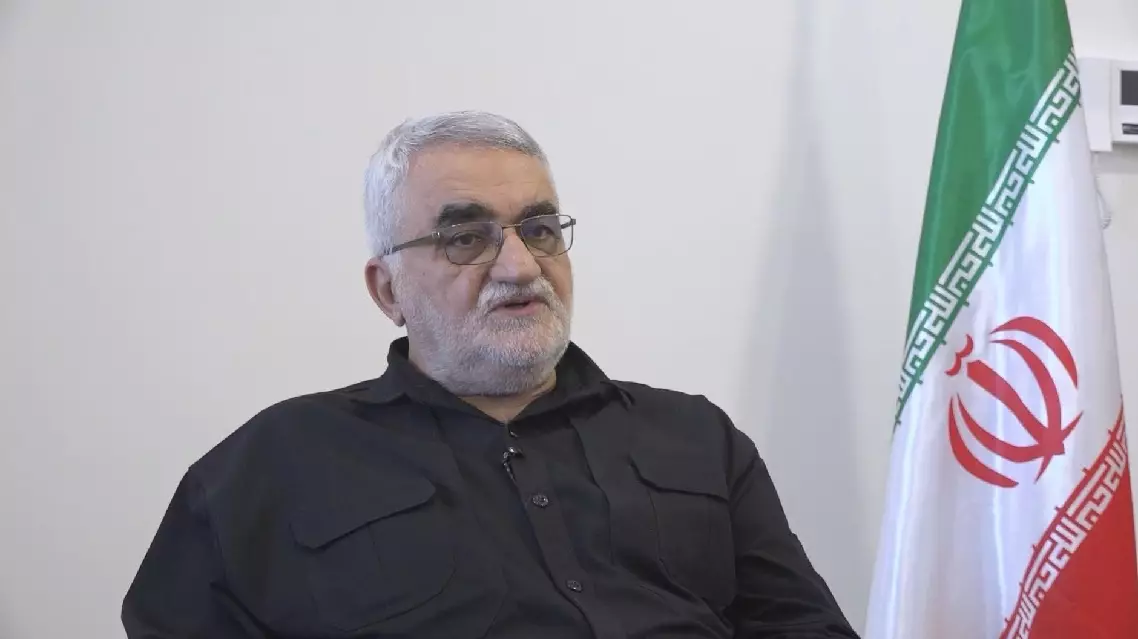
Alaeddin Boroujerdi, a member of the National Security Commission of Iran's Consultative Assembly, told the China Global Television Network (CGTN) that Iran has no intention of fully closing the strait but will impose stricter rules on passage.
"We have never closed the Strait of Hormuz. The strait is under careful and smart control. As you can see, vessels from countries such as China and others, which have no conflict with us and played no role in this war, are able to pass through without difficulty. However, since the United States initiated the war and is considered responsible for war crimes, it is natural that we would not allow the passage of ships serving or protecting U.S. interests," Boroujerdi said.
"We intend to establish a new framework for the Strait of Hormuz. A proposal has already been introduced in parliament, and it will soon become law and conveyed to the government. This would be similar to arrangements such as the Panama Canal, where Panama charges transit fees, or the Bosphorus, the Dardanelles, and the Suez Canal in Egypt. One of the outcomes of U.S. actions for Iran is that the Strait of Hormuz will come under a new regulatory system. The maintenance and security of this strait involve significant costs," he added.
He added that Iran's red line is the entry of foreign military forces into the strait, warning that such a move would trigger a direct response.
"If military forces attempt to enter the strait, I do not believe they would dare to do so. We are committed to the position that, from now on, the United States should not maintain a presence in this Persian Gulf. The main reason for this war was the existence of American bases. In fact, one of the mistakes made by the Arab countries in the Persian Gulf was assuming that U.S. military bases would enhance their security. However, experience has shown instead that they have contributed to instability. Therefore, the presence of military vessels is a red line for us," he said.
The conflict escalated in late February when Israel and the United States launched joint attacks on Tehran and several other Iranian cities. Iran retaliated with waves of missile and drone strikes against Israeli and U.S. assets across the Middle East, while restricting passage through the Strait of Hormuz for vessels linked to the two countries.
A two‑week ceasefire that began on April 8 collapsed without agreement, and on Monday the United States imposed a naval blockade of the Strait, deploying more than 15 warships after peace talks in Islamabad broke down. The operation covers the Gulf of Oman and the Arabian Sea east of the strait, intercepting ships bound for Iranian ports while allowing transit to non‑Iranian destinations.
Iran vows tighter Strait of Hormuz controls as US warships enforce blockade: official