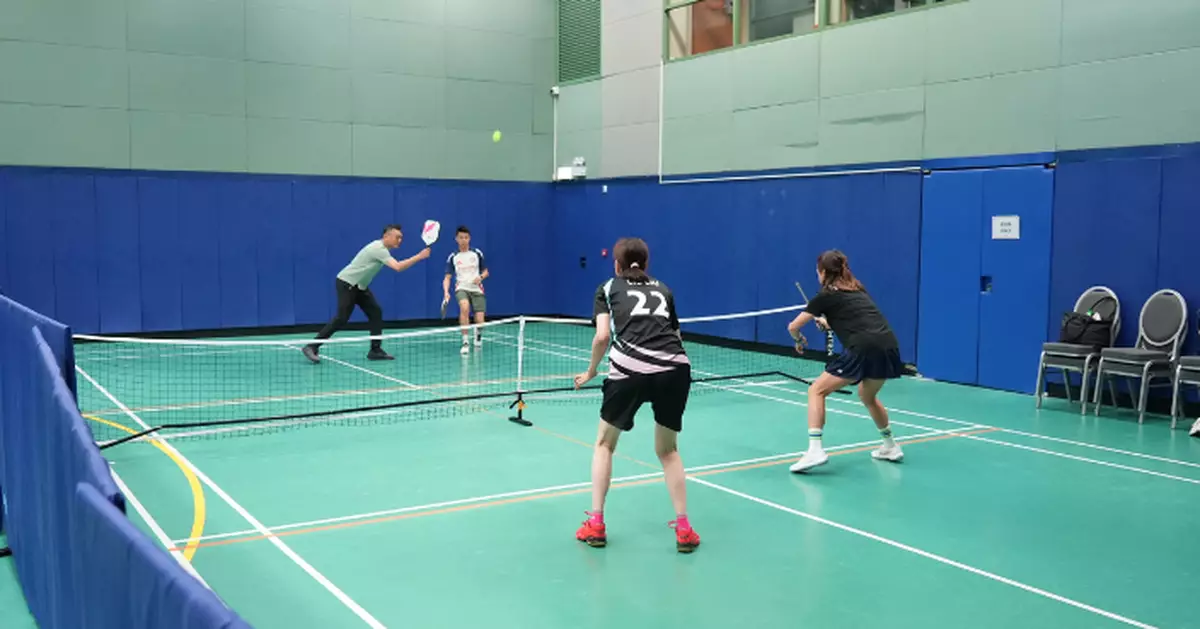
In recent years, pickleball, a sport blending elements of tennis, badminton, and table tennis, has taken the world by storm, and Hong Kong is no exception. As the number of participants surges, the availability of venues and the allocation of resources have become critical to the sport's long-term grassroots growth and elite development.
Mr. Chan Siu-tong, a member of the Major Sports Events Committee, stated in the interview with Bastille Post that if the government builds dedicated pickleball courts and the private sector steps up to add more facilities to meet demand, pickleball would have a bright future ahead, especially with Hong Kong participating in and hosting international or Asian competitions.
Click to Gallery
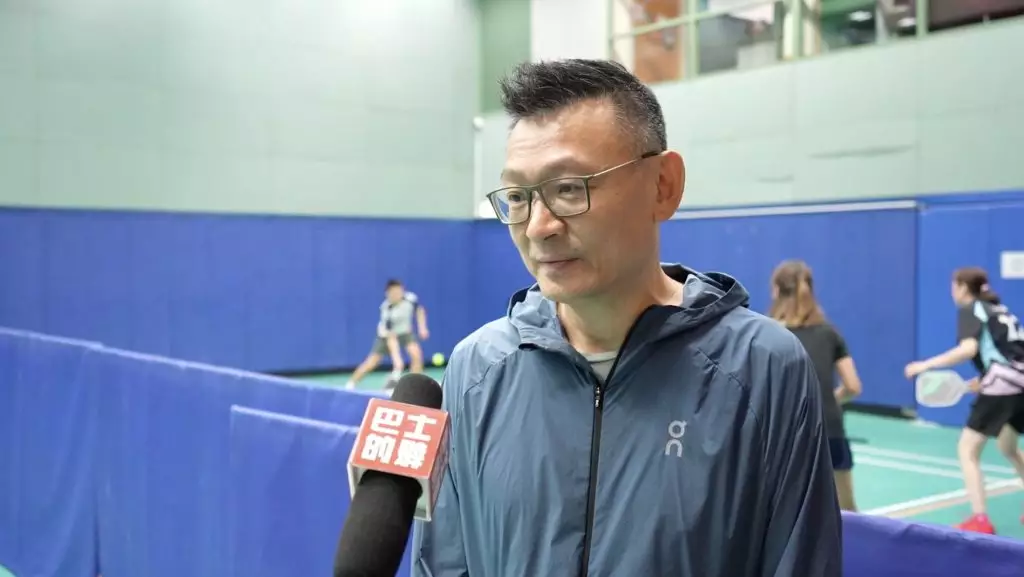
Mr. Fung, Photo by Bastille Post
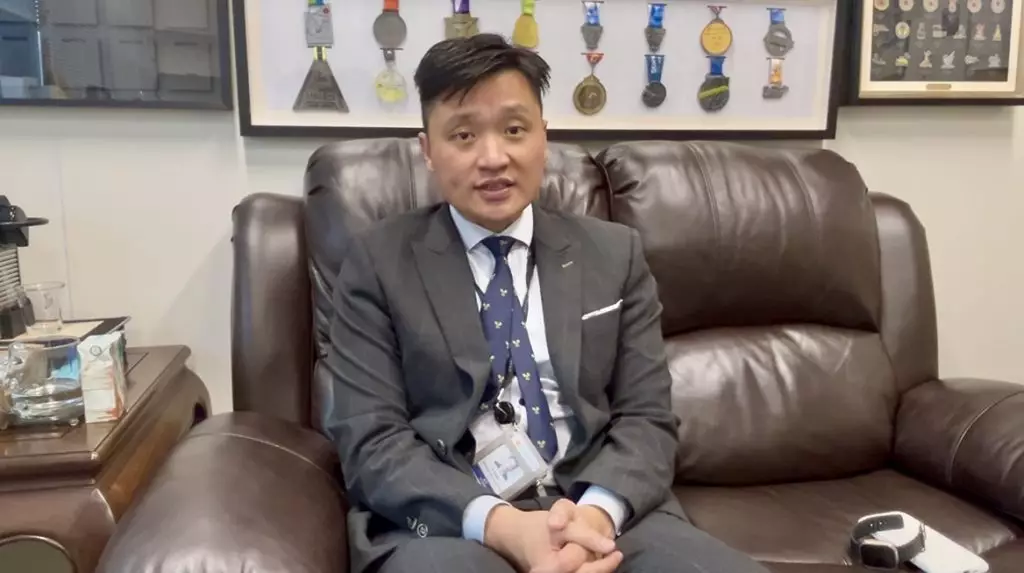
The Hon Cheng Wing-shun, Photo by Bastille Post

Ms. Elyni Jie, Photo by Bastille Post
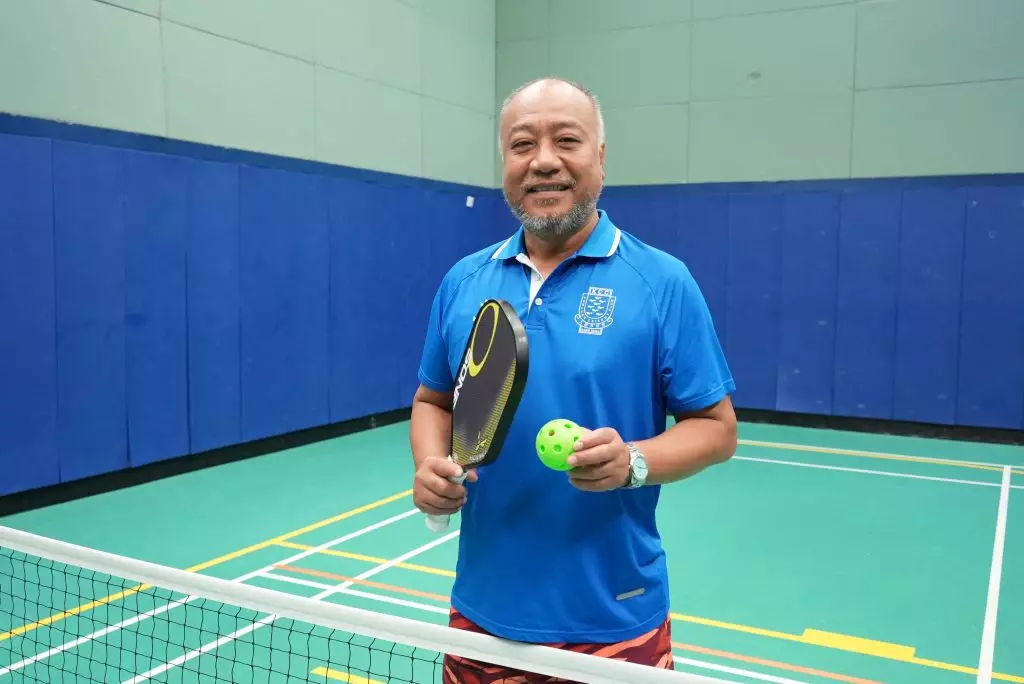
Mr. Chan Siu-tong, Photo by Bastille Post
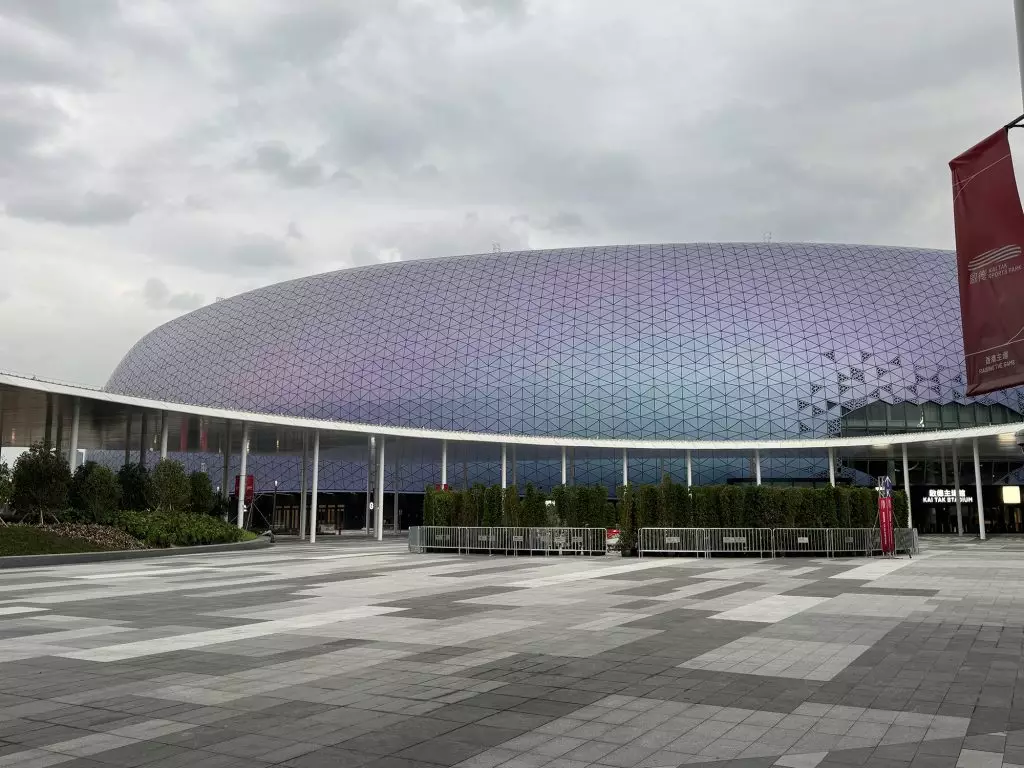
The Kai Tak Sports Park, Photo by Bastille Post
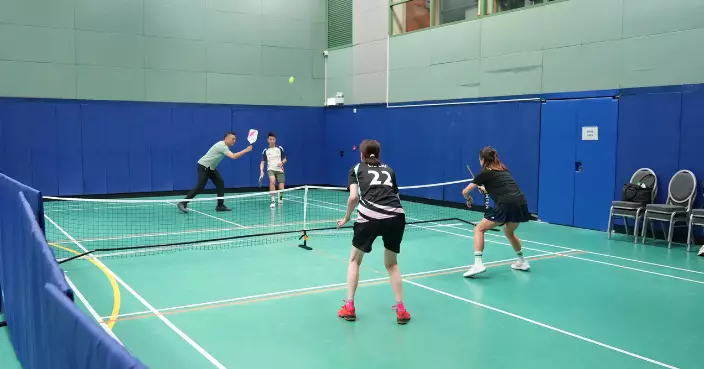
Pickleball is easy to learn and well-suited to the Asian physique, making Hong Kong's international participation promising. Photo by Bastille Post
Mr. Fung, Photo by Bastille Post
For citizens, finding a public pickleball court is notoriously difficult. Mr. Fung, a pickleball enthusiast, said that private courts typically charge between HKD$400 and HKD$500 per session. Many of his friends opt for public courts run by the Leisure and Cultural Services Department, but booking them is fiercely competitive. "Sometimes you have to wait quite a while to secure a booking; it's really tough to get a court," he added. He also noted that some of his friends have even started playing in Shenzhen, where there are more courts, bookings are easier, and the overall cost is reasonable.
In response to inquiries from Bastille Post, the Leisure and Cultural Services Department (LCSD) stated that since 2019, it has been implementing the Trial Scheme on Opening up the Arena of Selected Sports Centres for Booking by Individuals for New Sports Activities, allowing the public to rent facilities for new sports such as pickleball. To further meet demand, LCSD has allowed free use of some outdoor badminton courts for pickleball in 2025. Together with indoor venues, there are currently 18 venues where the public can enjoy pickleball in Hong Kong.
Call for Pickleball-Specific Courts and School Venues to Ease Supply Crunch
The Hon Cheng Wing-shun, a Legislative Council Member, believed that the government's current approach to venue allocation follows development trends and the actual number of participants. "Venues are limited in Hong Kong, and the number of badminton players has always been large, so we have to strike an appropriate balance," he said. "As time goes by and more residents develop an interest in pickleball, the government can then appropriately increase public venues or playing hours for players."
The Hon Cheng Wing-shun, Photo by Bastille Post
Mr. Chan Siu-tong also said that the current public pickleball courts are mainly "modified" from badminton courts, which means "one court for two purposes". There is already a shortage of badminton courts in Hong Kong, and such a situation may be worsened if the government does not add more venues or set up specialized pickleball courts. He believed that the government-funded athletics clubs in 18 districts have the possibility of providing moderate support for the development of pickleball. "Whether the government or regional athletics clubs will set up some dedicated pickleball courts to develop the sport after suitable modifications, making it more appealing to enthusiasts or those who want to invest in the related business, can enter the market, is a future trend."
Regarding the future development direction of venue supply, the Hon Cheng Wing-shun believed that pickleball is more suitable for the development of the private sports industry. "Firstly, it's a new and trendy sport. Secondly, its venue doesn't need to be very large. I think the government should encourage and promote more private companies to build venues."
Both of them said that under market forces, if more participants enter the market, supply and demand, along with competition, will cause prices to fall moderately.
Ms. Elyni Jie, Photo by Bastille Post
When asked how the supply of pickleball courts could be increased, former Hong Kong badminton team member Ms. Elyni Jie — herself a pickleball enthusiast — suggested, "I think schools could help. Students don't need to go to school on Saturdays and Sundays. Maybe we could consider whether school venues could be partially opened to the public on weekends. I believe such an arrangement would help the development of pickleball in Hong Kong."
One Key Move: An Association to Unite Resources and Go Global
Besides ensuring venue availability, for pickleball to achieve long-term popularization and elite development, a sports association is needed to integrate resources and organize participation in various leagues and international competitions.
Mr. Chan Siu-tong, Photo by Bastille Post
Mr. Chan Siu-tong pointed out that every sport under the International Olympic Committee has its own association. Although Hong Kong claims to own some pickleball associations, none have yet gained international recognition. "Without an association to lead training, youth development, promotion, and securing government funding, progress is actually very difficult," he said. "Therefore, if the HKSAR government, or the Greater Bay Area, even our nation has an interest in promoting the development of pickleball, we can consider establishing an association to connect with the world, integrate resources, and make promotion easier."
Ms. Elyni Jie also stated that, given the current uneven quality of pickleball coaches, she hopes the association can be established to offer stable training standards soon, which will have a more positive impact on nurturing the next generation of players as well as pickleball enthusiasts.
Hosting International Competitions: Start with Smaller-Scale Events
Last August, Hong Kong hosted the "PPA Tour Asia" at the Kai Tak Sports Park. The Hon Cheng Wing-shun believed that if Hong Kong were to host pickleball events in the future, it could start with smaller-scale competitions, such as Asian tournaments, national competitions, or local leagues. "The Budget also mentions more support for medium-sized events. Through local leagues, the development of elite sports can also be promoted," he said. "The success of sports development depends on whether there are enough elite athletes achieving results in the sport."
The Kai Tak Sports Park, Photo by Bastille Post
Mr. Chan Siu-tong stated that sporting events entering the "M" Mark System can apply for up to HKD$15 million in government funding per event. Considerations for approval include whether the event is an internationally recognized competition, whether renowned players are present in Hong Kong, the number of spectators attracted, and the economic benefits generated by overseas broadcasts, etc.
He admitted that most current pickleball participants are tennis enthusiasts who have "transitioned" to the sport. Pickleball is easy to learn and well-suited to the Asian physique, making Hong Kong's international participation promising. He added that competitions with prize money could attract more people to take up the sport.
Ms. Elyni Jie pointed out that hosting a variety of competitions, such as veteran tournaments and women's competitions, would allow citizens of different age groups to participate in pickleball.
Pickleball is easy to learn and well-suited to the Asian physique, making Hong Kong's international participation promising. Photo by Bastille Post
If Hong Kong can host more large-scale pickleball events in the future, Mr. Fung, a resident, said he would like to attend and watch the games. "I will pay attention to which places have world-class players," he said. "I also participate in some amateur competitions, hoping to learn from top players and improve my skills."