Skip to Content Facebook Feature Image

US military intercepts Iranian-flagged ship in Hormuz Strait: command

China

China

China

US military intercepts Iranian-flagged ship in Hormuz Strait: command

2026-04-16 14:44 Last Updated At:17:07

A U.S. Navy guided-missile destroyer has intercepted and redirected an Iranian-flagged cargo vessel in the Strait of Hormuz, the U.S. Central Command (CENTCOM) said Wednesday, as the United States' blockade of the vital chokepoint continues.

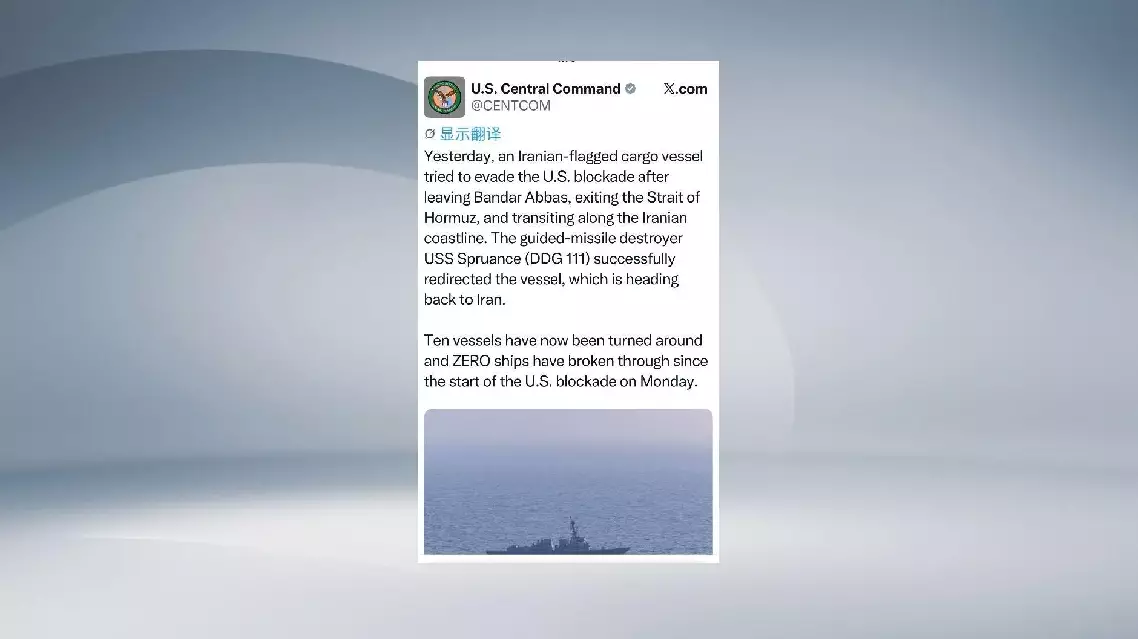
In a post on the social media platform X, the command said the incident occurred on Tuesday, when an Iranian-flagged cargo vessel "tried to evade the U.S. blockade after leaving Bandar Abbas, exiting the Strait of Hormuz, and transiting along the Iranian coastline."

"The guided-missile destroyer USS Spruance (DDG 111) successfully redirected the vessel, which is heading back to Iran," the post added.

Ten vessels have been turned around so far, with no ships having broken through the strait since the start of the U.S. blockade on Monday, the command said.

In another social media post late in Tuesday, Brad Cooper, chief of U.S. Central Command, said that U.S. forces have completely halted economic trade going into and out of Iran by sea.

U.S. President Donald Trump announced the blockade of the Strait of Hormuz starting Monday following stalled talks between U.S. and Iranian delegations in Pakistan's Islamabad, after the 21-hour-long peace talks which began on Saturday failed to yield an agreement.

The initial round of talks came after a two-week ceasefire deal between Iran, the United States and Israel took effect on April 8, ending nearly 40 days of fighting.

However, despite the U.S. blockade on Iranian ports, Iran's semi-official Fars news agency reported on Wednesday that two vessels did successfully transit through the Strait of Hormuz.

One of the ships was a very large crude carrier (VLCC), which can carry 2 million barrels of crude oil, with the other being a bulk carrier loaded with food, according to the report.

Later that day, Iran's Tasnim News Agency said another sanctioned Iranian oil tanker navigated between the Hormuz Island and Larak Island. The report said that the shipping lane charges fees for commercial vessels and remains active, with the oil tanker passing through smoothly without encountering any obstacles.

The war erupted when the U.S. and Israel launched joint attacks on Tehran and several other Iranian cities on Feb 28, killing Iran's then Supreme Leader Ali Khamenei, along with senior military commanders and civilians.

Iran retaliated with missile and drone strikes against U.S. and Israeli targets, and tightened control over the Strait of Hormuz by restricting passage by vessels belonging to or affiliated with Israel and the United States.
US military intercepts Iranian-flagged ship in Hormuz Strait: command
US military intercepts Iranian-flagged ship in Hormuz Strait: command
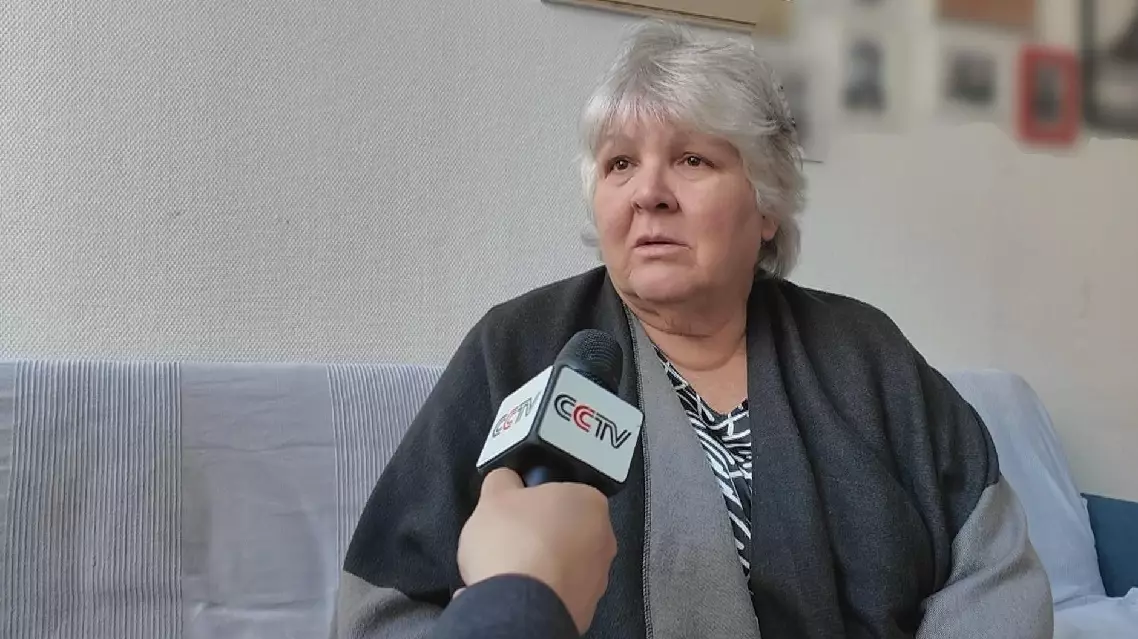
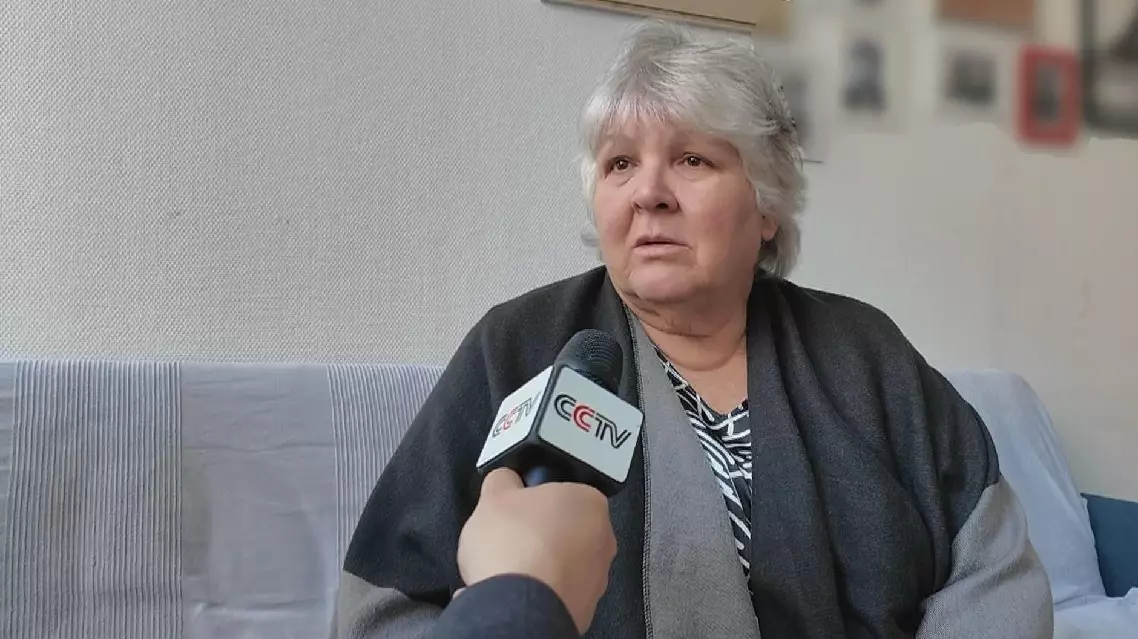
The U.S. embargo against Cuba is violating fundamental rights and worsening shortages of food and medicine, Aleida Guevara, daughter of revolutionary leader Ernesto "Che" Guevara, said Monday in an interview.

Her comments came on the sidelines of an international solidarity conference in Berlin, where activists warned that the United States' decades-long blockade has shifted from a political tool to a humanitarian crisis, cutting off basic supplies and isolating Cuba from global trade.

"The blockade is one of the worst things that a country can experience, causing years of severe suffering for the Cuban people. The embargo should not affect food and medicine, but it hit those basic needs first -- food and medicine for the people. So for many years, we have faced constant shortages of supplies," she said.

Guevara, a pediatrician at a Havana children’s hospital, said U.S. sanctions prevent pharmaceutical companies from selling medicines to Cuba, directly harming public health. She added that Washington’s measures, imposed in the name of democracy and human rights, have instead created a humanitarian crisis.

"It is unacceptable that the U.S. is trying to prevent other countries in the world from engaging in free trade with Cuba. This is damaging every aspect of our lives. People's lives are affected. Food, medicine, and transportation -- everything is impacted," she said.

The embargo dates back more than half a century. Rooted in the Trading with the Enemy Act of World War I, it was formally codified when President John F. Kennedy signed an executive order in 1962, launching an economic, commercial and financial blockade that has survived 11 successive U.S. administrations.

Today, Cuba is enduring one of its worst economic crises since the 1990s. The island has suffered three nationwide blackouts in March, while gasoline shortages have crippled hospitals, slashed public transport, and strained essential services. Since January, the Trump administration has imposed new oil restrictions and repeatedly issued military threats, further tightening pressure on Havana.

Aleida Guevara’s comments carry symbolic weight given her father’s legacy. Born in Argentina in 1928, Ernesto "Che" Guevara trained as a doctor before joining Fidel Castro’s insurgency in 1956 to overthrow Cuban dictator Fulgencio Batista. After playing a leading role in the rebel victory, he left Cuba to pursue revolutionary struggles abroad, eventually being killed in Bolivia in 1967.

Guevara's daughter warns US embargo deepening Cuba’s humanitarian crisis

Guevara's daughter warns US embargo deepening Cuba’s humanitarian crisis

Guevara's daughter warns US embargo deepening Cuba’s humanitarian crisis

Guevara's daughter warns US embargo deepening Cuba’s humanitarian crisis

Recommended Articles