AFCD lays charges against local coxswain and four Mainland fishermen deckhands suspected of using snake cages for fishing
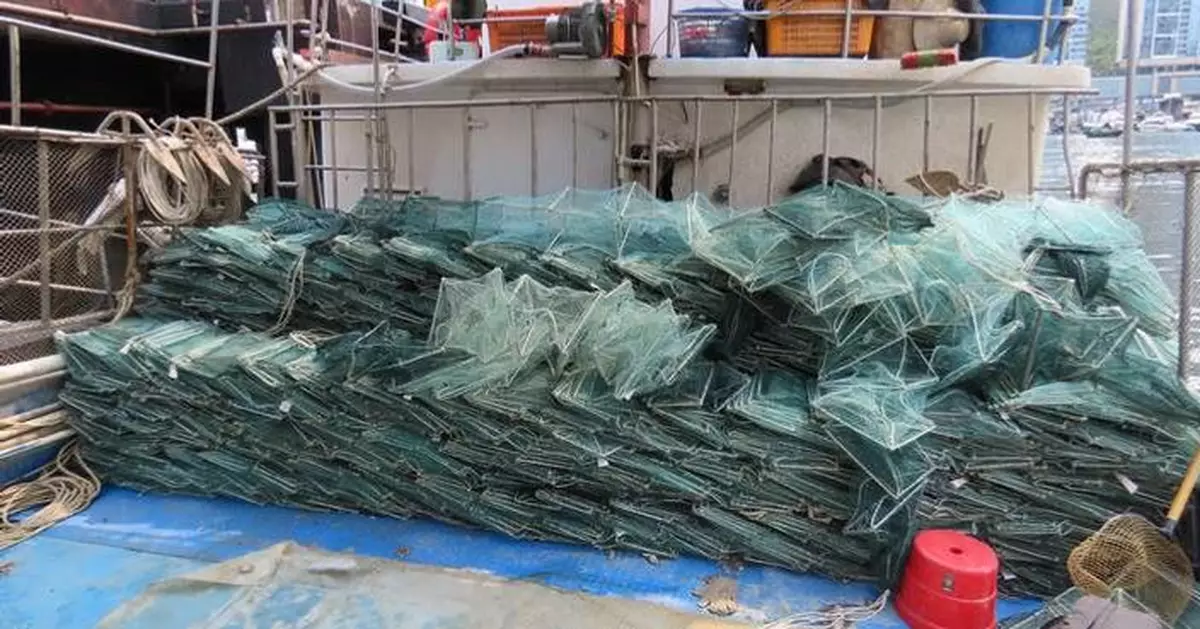
The Agriculture, Fisheries and Conservation Department (AFCD) today (April 16) laid charges against a local coxswain and four Mainland fishermen deckhands suspected of engaging in fishing using snake cages on a local vessel in waters off Lamma Island.
During a joint operation with the Police yesterday (April 15), the AFCD intercepted a local vessel suspected of engaging in fishing using snake cages at around 9pm for investigation. Some fishing gear, including snake cages and winches, was seized by the AFCD officers from the vessel.
After investigation, the five persons were charged with contravening the Fisheries Protection Ordinance (Cap. 171). They will appear at the Eastern Magistrates' Courts tomorrow (April 17).
Only a vessel registered under the Ordinance can be used for fishing in Hong Kong waters and only the fishing methods listed on its Certificate of Registration of Local Fishing Vessel can be employed for fishing by the vessel. The conditions of the Certificate of Registration of Local Fishing Vessel regarding cage traps also stipulate that any collapsible cage traps should not be connected in any way to another; or should not exceed five metres in any of its extended dimensions. Hence, it is unlawful to fish using snake cages. Offenders are liable to a maximum fine of $100,000 and six months' imprisonment upon conviction.
An AFCD spokesman stressed, "The Government is committed to combating illegal fishing activities in Hong Kong waters. The AFCD will continue to step up patrols and take stringent enforcement action."
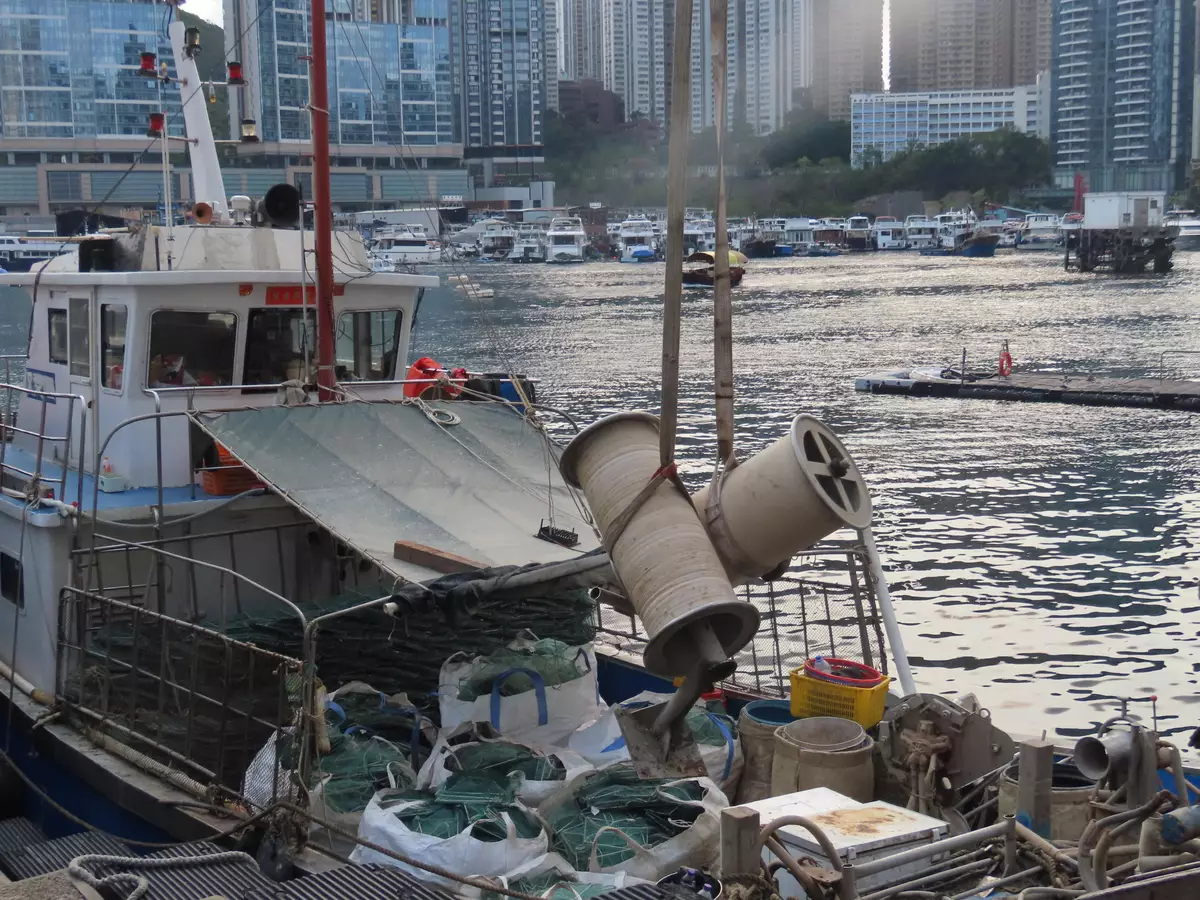
AFCD lays charges against local coxswain and four Mainland fishermen deckhands suspected of using snake cages for fishing Source: HKSAR Government Press Releases
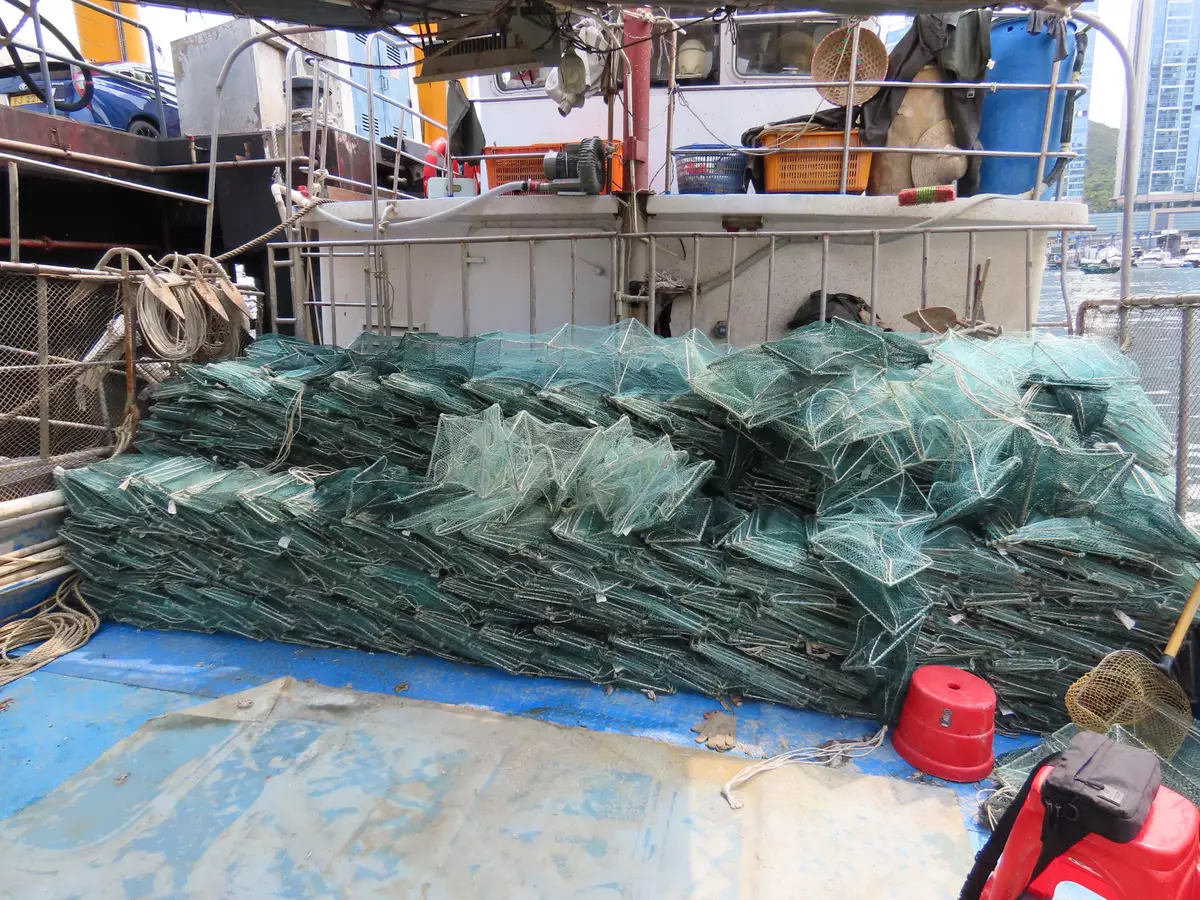
AFCD lays charges against local coxswain and four Mainland fishermen deckhands suspected of using snake cages for fishing Source: HKSAR Government Press Releases
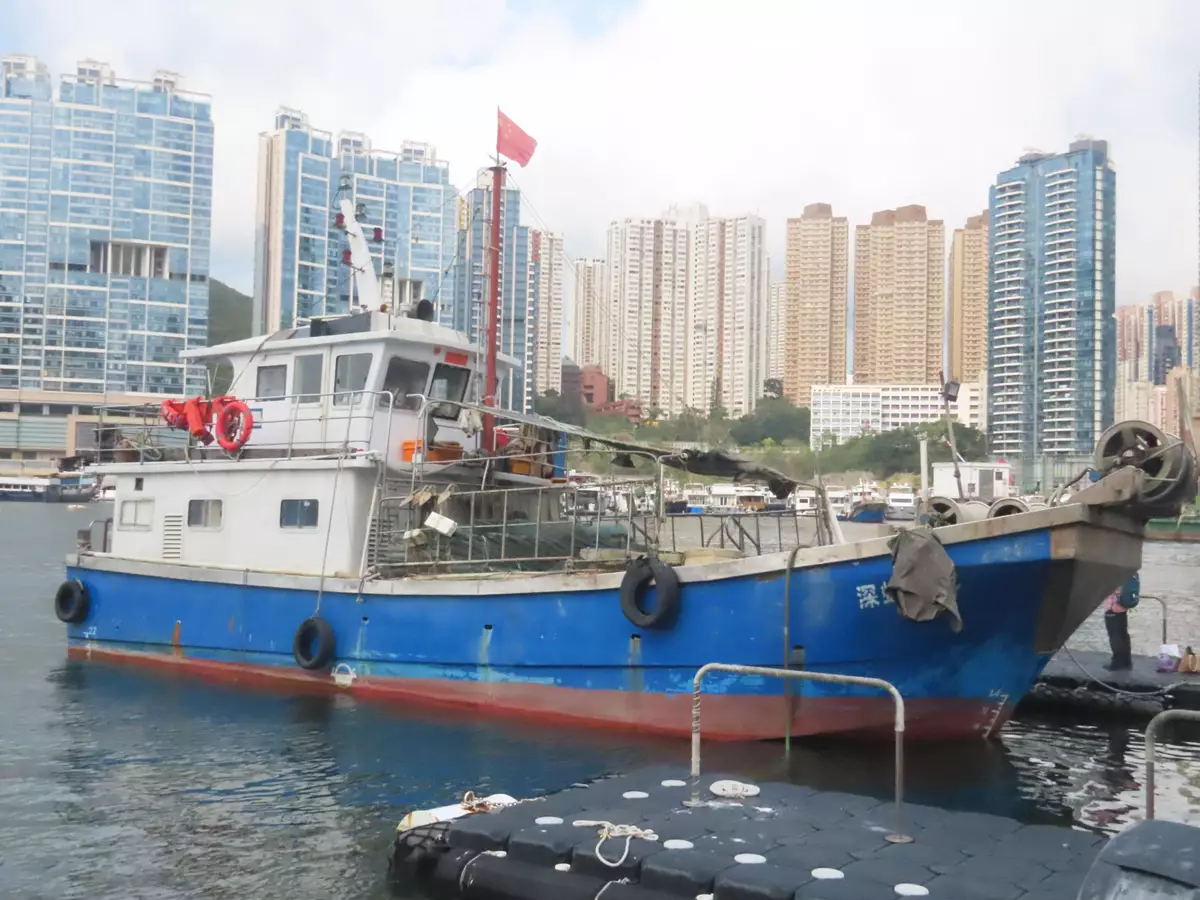
AFCD lays charges against local coxswain and four Mainland fishermen deckhands suspected of using snake cages for fishing Source: HKSAR Government Press Releases
CHP investigates imported measles case
The Centre for Health Protection (CHP) of the Department of Health (DH) today (April 16) is investigating an imported measles case and reminds members of the public that vaccination is the most effective way to prevent measles.
The case involves a 39-year-old female who developed a fever, cough with sputum and a sore throat on April 5. She developed a rash on April 7 and sought medical attention at the Accident and Emergency Department of Pamela Youde Nethersole Eastern Hospital (PYNEH) and at a private clinic. Due to persistent symptoms, she returned to PYNEH on April 9 and was admitted for treatment. Her clinical specimen tested positive for measles virus upon nucleic acid testing. The patient has been discharged following her recovery.
An epidemiological investigation revealed that the patient did not receive measles vaccination. She travelled alone to Indonesia during the incubation period. As measles outbreaks are ongoing in Indonesia, the case has been classified as an imported case.
During her communicable period (i.e. between April 3 and 11), in addition to visiting PYNEH and the private clinic between April 7 and 9, the patient also attended Tung Wah Eastern Hospital daily from April 3 to 5 as a visitor. The CHP has contacted the abovementioned clinic and hospitals to identify close contacts and determine whether any high-risk individuals were involved. As of 5pm today, a total of 187 people have been identified as close contacts of the patient, including one household contact living with the patient, and two others who accompanied the patient to the hospitals or clinic for medical care. The remaining close contacts were present in the same clinic or hospital ward as the patient during the same time period. So far, none of the close contacts have developed measles symptoms, and the CHP will continue to conduct medical surveillance for the identified close contacts.
The CHP will continue to investigate and follow up on the case.
"Measles outbreaks are currently occurring in many regions around the world. North America (including the United States, Canada and Mexico) and Southeast Asia (including Indonesia, Cambodia and the Philippines) have seen persistent measles outbreaks in recent years due to low vaccination coverage rates. In the first three months of this year, over 1 700 cases have been recorded in the United States, a figure far higher than the same period last year. In Europe, the number of measles cases in the United Kingdom and Italy has increased recently, with 371 and 84 cases recorded respectively since January this year. In Asia, the incidence of measles remains high in the Philippines, Indonesia and Cambodia. Japan has also seen a substantial rise in cases this year, with 236 cases recorded as of April 8, which is higher than in the same period for the past six years. Singapore and Australia have reported 27 and 89 measles cases respectively this year, also higher than in the same period last year. Most of the overseas cases have affected people who were not vaccinated against measles or had an unknown vaccination status, which highlights the importance of maintaining a high vaccination rate and herd immunity within the community," said the Controller of the CHP, Dr Edwin Tsui.
In response to the global rise in measles cases and the risk of imported cases, the CHP has sent a letter to all doctors in Hong Kong to inform them of the latest situation regarding measles and urged them to remain vigilant and report any suspected cases. At the same time, the CHP has also sent letters to foreign domestic helper agencies and the aviation industry, encouraging foreign domestic helpers and airport staff to receive the measles vaccine to protect their health and prevent the spread of the virus in the community.
The incubation period of measles (i.e. the time from infection to onset of illness) is seven to 21 days. Symptoms include fever, skin rash, cough, runny nose and red eyes. If travellers returning from places with a high incidence or an outbreak of measles develop symptoms of measles (e.g. fever and rash), they should seek medical advice immediately and avoid contact with non-immune persons, especially pregnant women and infants under 1 year old. They should also report their symptoms and prior travel history to healthcare workers so that appropriate infection control measures can be implemented at the healthcare facilities to prevent any potential spread.
"Under the Hong Kong Childhood Immunisation Programme, the overall immunisation coverage in Hong Kong has been maintained at a very high level through the immunisation services provided by the DH's Maternal and Child Health Centres and School Immunisation Teams. As evidenced by the findings on vaccination coverage of primary school students and the territory-wide immunisation surveys conducted regularly by the DH, the two-dose measles vaccination coverage has remained consistently high, well above 95 per cent, and the local seroprevalence rates of measles virus antibodies reflect that most people in Hong Kong are immune to measles. However, Hong Kong, as a city with a high volume of international travel, still faces the potential risk of importation of the measles virus and its further spread in the local community. Hence, a small number of people who have not completed a measles vaccination (such as non-local-born people including new immigrants, foreign domestic helpers, overseas employees and people coming to Hong Kong for further studies) are still at risk of being infected and spreading measles to other people who do not have immunity against measles, such as children under 1 year old who have not yet received the first dose of the measles vaccine," Dr Tsui said.
People born before 1967 could be considered to have acquired immunity to measles through natural infection, as measles was endemic in many parts of the world and in Hong Kong at that time. People born in or after 1967 who have not yet completed the two doses of measles vaccination, or whose measles vaccination history is unknown, should consult their family doctors as soon as possible to complete the vaccination and ensure adequate protection against measles.
Besides being vaccinated against measles, members of the public should take the following measures to prevent infection:
Maintain good personal and environmental hygiene;
Maintain good indoor ventilation;
Keep hands clean and wash hands properly;
Wash hands when they are dirtied by respiratory secretions, such as after sneezing;
Cover the nose and mouth while sneezing or coughing and dispose of nasal and mouth discharge properly;
Clean used toys and furniture properly; and
Persons with measles should be kept out of school till four days from the appearance of a rash to prevent the spread of the infection to non-immune persons in school.
For more information on measles, the public may visit the CHP'smeasles thematic page. Members of the public who are going to travel can visit the website of the DH'sTravel Health Servicefor news of measles outbreaks outside Hong Kong.