Skip to Content Facebook Feature Image

Traffic and trepidation in the Persian Gulf could keep gasoline prices from dropping quickly

News

Traffic and trepidation in the Persian Gulf could keep gasoline prices from dropping quickly
News

News

Traffic and trepidation in the Persian Gulf could keep gasoline prices from dropping quickly

2026-04-18 05:30 Last Updated At:05:41

NEW YORK (AP) — After U.S. President Donald Trump and Iran’s foreign minister said the Strait of Hormuz was fully open to commercial vessels after almost seven weeks of war, oil prices plunged 10% and the stock market rallied Friday.

Motorists, hoping for relief at the pump, wondered how quickly gasoline prices might fall once oil tankers stuck in the Persian Gulf were moving again. A gallon of regular gasoline cost $4.08 on average in the U.S. Friday, which was 37% more than before U.S. and Israel attacked Iran but down a few cents from a week ago.

More Images
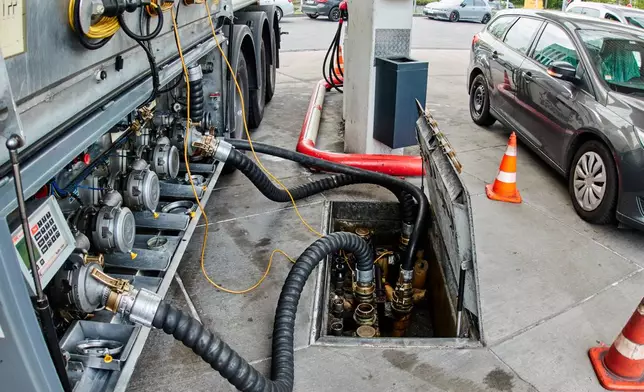
Fuel is filled from a fuel tanker to a gas station in Frankfurt, Germany, Thursday, April 16, 2026. (AP Photo/Michael Probst)
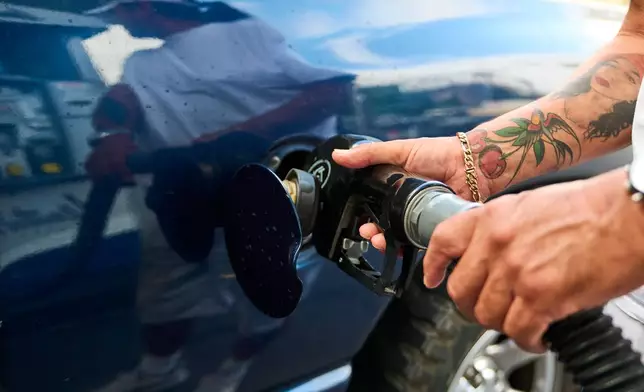
Fuel is filled from a fuel tanker to a gas station in Frankfurt, Germany, Thursday, April 16, 2026. (AP Photo/Michael Probst)

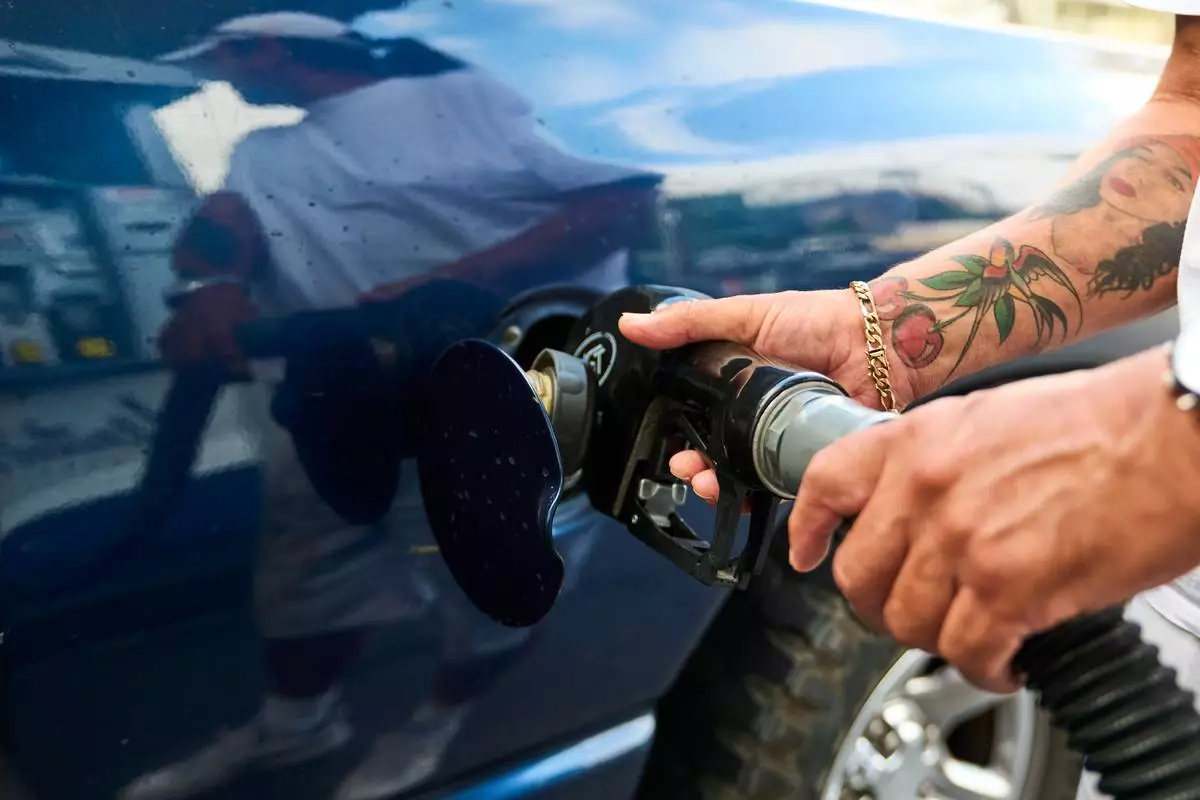
A motorist fills up his truck for over a $100 at a gas station in Los Angeles on Friday, April 17, 2026. (AP Photo/Damian Dovarganes)
A motorist fills up his truck for over a $100 at a gas station in Los Angeles on Friday, April 17, 2026. (AP Photo/Damian Dovarganes)

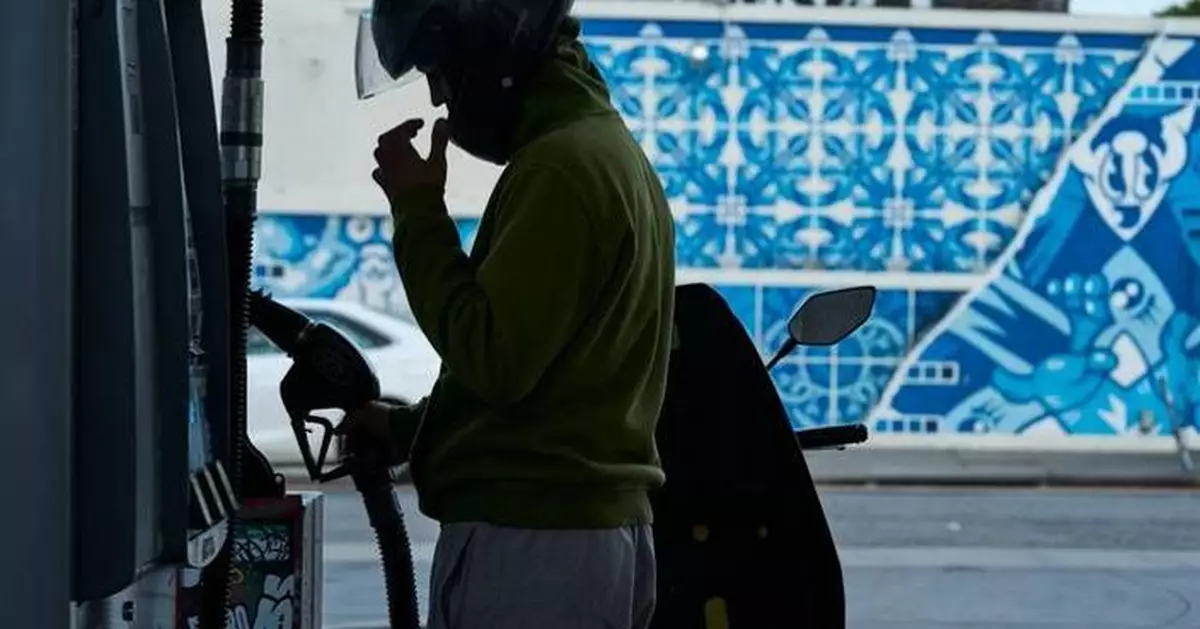
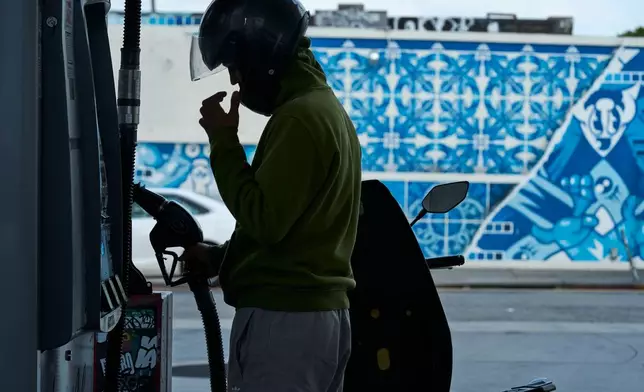
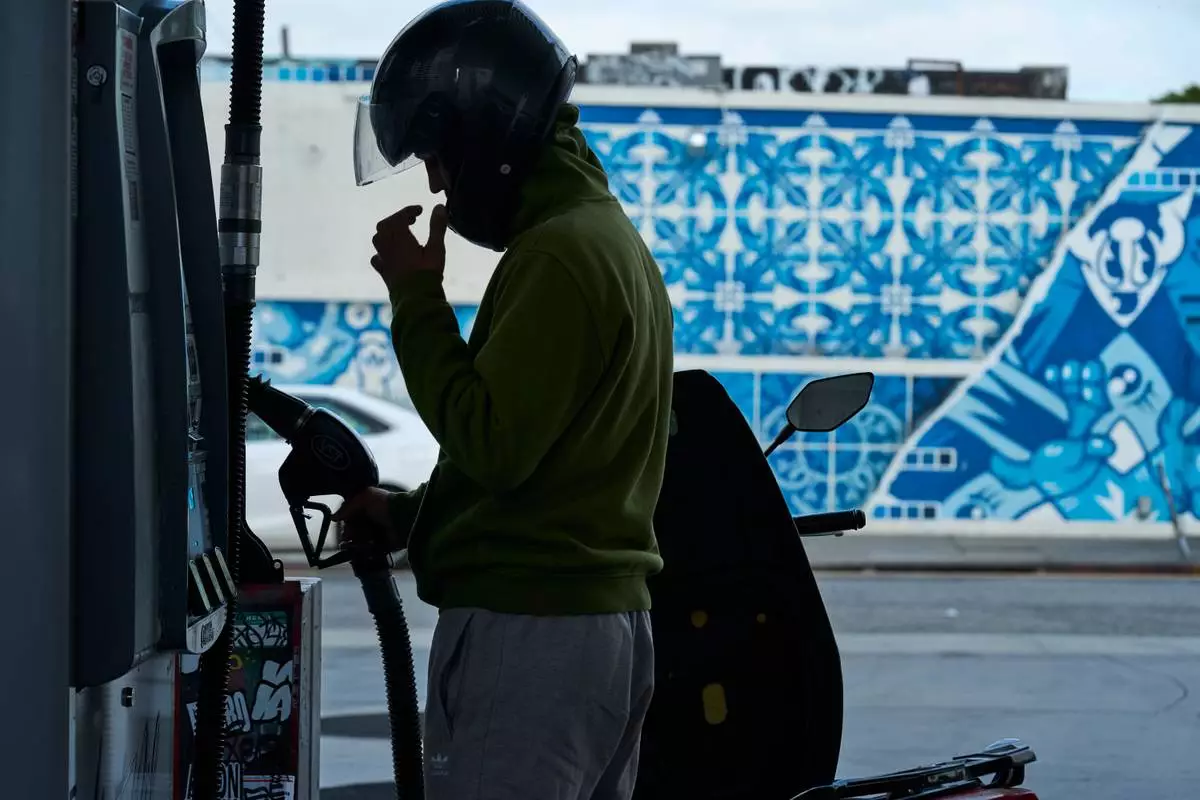
Neer Malik fills up just one gallon of gasoline to ride approximately 100 miles on his motorcycle at a gas station in Los Angeles on Friday, April 17, 2026. (AP Photo/Damian Dovarganes)
Neer Malik fills up just one gallon of gasoline to ride approximately 100 miles on his motorcycle at a gas station in Los Angeles on Friday, April 17, 2026. (AP Photo/Damian Dovarganes)

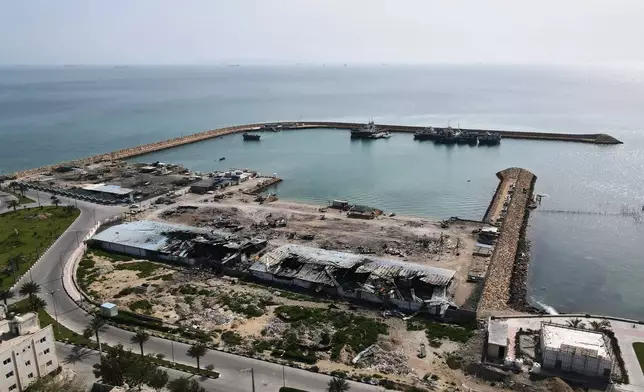
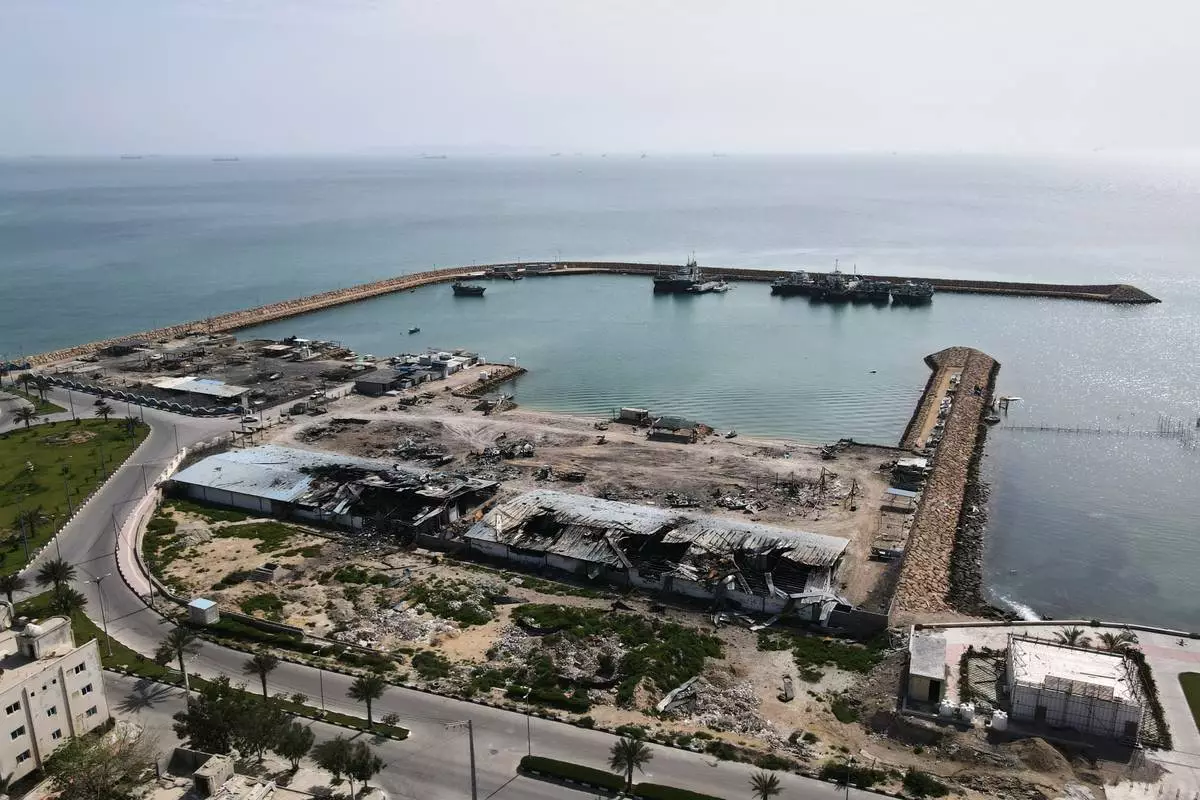
Backdropped by ships in the Strait of Hormuz, damage, according to local witnesses caused by several recent airstrikes during the U.S.-Israel military campaign, is seen on a fishing pier in the port of Qeshm island, Iran, Monday, April 13, 2026. (AP Photo/Asghar Besharati)

Backdropped by ships in the Strait of Hormuz, damage, according to local witnesses caused by several recent airstrikes during the U.S.-Israel military campaign, is seen on a fishing pier in the port of Qeshm island, Iran, Monday, April 13, 2026. (AP Photo/Asghar Besharati)

But when gas prices spike, they don’t typically drop as quickly as the cost of crude. Even if Iran keeps the waterway open in the face of a U.S. blockade of its vessels, it still could take months for fuel prices to return to levels resembling those enjoyed before the war began Feb. 28, energy experts said.

The slow speed at which oil tankers travel from ports to refineries, lingering security concerns, traffic in the strait and damage to energy infrastructure in the Middle East are all playing a role in the elevated price of gasoline.

“The historical observation is that gasoline prices rise quickly but fall slowly, regardless of the particular causes of the increase,” said Mark Barteau, a professor in the department of chemical engineering at Texas A&M University.

“In this case, one has to take into account the time it takes for the steps that have to happen once tankers sail through the straits – for example, sailing time to refineries on other continents, time to ramp up refinery operations, and time to transport some refined products by tanker to the continent where they will be used,” Barteau said. “There is also tendency to hedge bets because of doubts about whether and how quickly that restoration might occur, and whether further disruptions are possible along the way.”

Nevertheless, some energy analysts were optimistic that gas prices would gradually decline.

Gasoline prices were already falling slightly after last week’s announcement of a two-week ceasefire between the U.S. and Iran, according to motor club federation AAA.

Following the Strait of Hormuz announcement, oil prices fell by $10 to $12 per barrel, which generally translates into a decrease of 25 or 30 cents per gallon of gas, said Michael Lynch, distinguished fellow at Energy Policy Research Foundation, a non-partisan research institution focused on energy and economics.

“That doesn’t happen overnight, but within a week or two, we could be down 50 cents a gallon easily, if this holds,” Lynch said. “And part of it is, there’s a lot of tankers ready to go. And if they all come out, then that balances the market very quickly.”

In the wake of Friday's news, “every state will start seeing gas price decreases accelerate at a pace of probably 1 to 3 cents a gallon for every day or two,” said Patrick De Haan, head of petroleum analysis at GasBuddy, in a webcast. “And that could continue for at least a couple of weeks.”

DeHaan estimated that the national average for a gallon of regular gas could reach $3.45 to $3.65 by Memorial Day. But he acknowledged that returning to lower prices could take a while.

“It might take until later this year or early next year to really fully normalize and for some of these surcharges and impacts to reverse and disappear," De Haan said.

If an agreement to end the war is reached, it could take at least four months for shipping through the Strait of Hormuz to go back to normal, said Patrick Penfield, professor of supply chain practice at Syracuse University.

“Right now, you still have potential mines that have to be removed or detonated, you have over 150 tankers that have been anchored in and around the strait, which is causing a traffic jam, and we still have shipping rates that are still high because of lack of shipping capacity and war rate insurance,” he said.

The leaders of France and the U.K. welcomed word of the strait's reopening but said they would keep pushing for a way to permanently restore freedom of navigation for vessels that rely on the narrow passage off Iran's coast, through which about one-fifth of the world's oil typically travels.

Ship owners would have to be convinced to trust the Americans and Iranians, "and that seems like it’s a hard hill to climb,” Lynch, of the Energy Policy Research Foundation, said. “I certainly wouldn’t want to do it. I wouldn’t wanna be the first ship through or even the first five ships through, but somebody will do it. There’s a lot of money on the table and somebody’s going to grab it.”

If the Iranians are cooperating, the mines should not be a problem, because Iran has a sense of where the mines are, Lynch said.

"Now, that raises the issue, are the Iranians going to cooperate, or what do they want to cooperate?” he asked. “Are they going to demand a couple-million dollars a ship, as is talked about? Or is Trump going to say ‘that’s not acceptable,’ and then what’s the next step after that?”

If the strait remains open, and ships loaded with oil leave the Persian Gulf, it could take weeks for those heavy, slow-moving ships to reach their destinations.

“People think that once the strait opens, it’s fine. We’re done. It’ll be better really fast,” said Richard Joswick, global head of near-term oil analysis at S&P Global Energy. “If you open the strait today to get a ship and bring it around and take it to Europe and run a refinery, turn it into products, you’re talking 10 weeks of a lag time here. It will be two to three months before things can start to get back to normal after the straight re-opens.”

Many oil production facilities were damaged in the Middle East, including refineries in Saudi Arabia and Kuwait and oil tanker terminals in the United Arab Emirates and Iran. Some repairs has been made, but damage remains.

In addition, some countries slowed down or halted production during the war, because without the ability to ship crude through the Strait of Hormuz, their ships and storage tanks filled up with stranded oil.

“It’s not a light switch. Everyone’s impatient and saying, ‘Go, go go,’” De Haan said. “But it will take time to get these flows of oil through the Middle East fired back up again.”

Once an oil well is turned off, the pressure within the well could change, and it can take time to restart the flow. But that might not be a problem in some Middle East oil fields, where production can be resumed quickly, Lynch said.

“The Saudis have done that a bunch of times. They ramp up by 2 or 3 million barrels a day, almost overnight, and there’s no problem with the wells that have been shut in for months and sometimes years,” Lynch said.

Mae Anderson in New York contributed to this report.
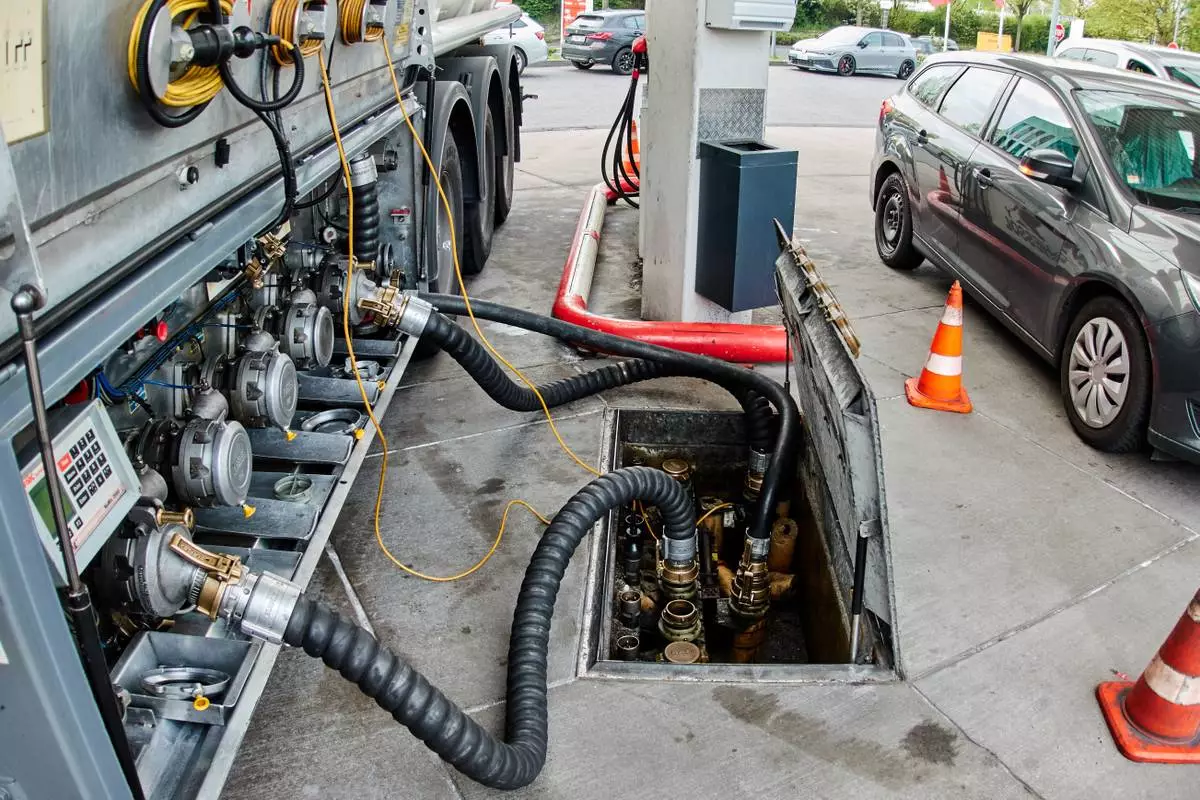
Fuel is filled from a fuel tanker to a gas station in Frankfurt, Germany, Thursday, April 16, 2026. (AP Photo/Michael Probst)
Fuel is filled from a fuel tanker to a gas station in Frankfurt, Germany, Thursday, April 16, 2026. (AP Photo/Michael Probst)

A motorist fills up his truck for over a $100 at a gas station in Los Angeles on Friday, April 17, 2026. (AP Photo/Damian Dovarganes)
A motorist fills up his truck for over a $100 at a gas station in Los Angeles on Friday, April 17, 2026. (AP Photo/Damian Dovarganes)

Neer Malik fills up just one gallon of gasoline to ride approximately 100 miles on his motorcycle at a gas station in Los Angeles on Friday, April 17, 2026. (AP Photo/Damian Dovarganes)
Neer Malik fills up just one gallon of gasoline to ride approximately 100 miles on his motorcycle at a gas station in Los Angeles on Friday, April 17, 2026. (AP Photo/Damian Dovarganes)

Backdropped by ships in the Strait of Hormuz, damage, according to local witnesses caused by several recent airstrikes during the U.S.-Israel military campaign, is seen on a fishing pier in the port of Qeshm island, Iran, Monday, April 13, 2026. (AP Photo/Asghar Besharati)
Backdropped by ships in the Strait of Hormuz, damage, according to local witnesses caused by several recent airstrikes during the U.S.-Israel military campaign, is seen on a fishing pier in the port of Qeshm island, Iran, Monday, April 13, 2026. (AP Photo/Asghar Besharati)
PROVO, Utah (AP) — A defense witness in the prosecution of the man accused of killing Charlie Kirk said Friday that conjecture in the media about his courtroom demeanor and alleged confessions are making it impossible for Tyler Robinson to get a fair trial.

The testimony from defense team consultant Bryan Edelman came as Robinson’s attorneys pressed a Utah judge to ban cameras from his case. They say live broadcasts of the proceedings are feeding into speculative stories and tainting potential jurors.

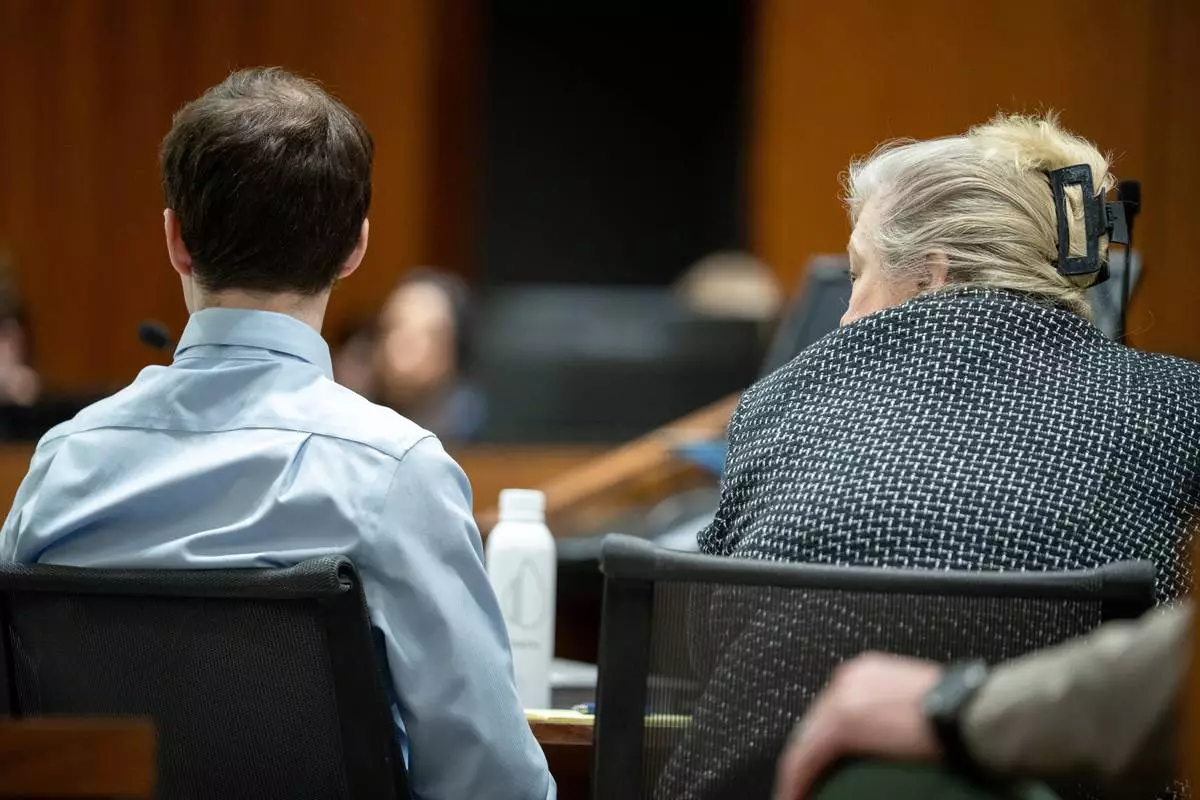
Robinson’s parents sat behind him in the half-full courtroom. His father lowered his head and stared at his hands while prosecutors played a Fox News clip in which a commentator identified as a former FBI agent opined that Robinson was a sociopath.

“It's creating outside the courtroom a reality TV show,” said Edelman, a social psychologist who has a California-based trial consulting business. “I think it creates pressure on everybody to have cameras in here, from the jury to everyone involved."

Media organizations, prosecutors and Kirk’s widow, Erika Kirk, want the court to allow cameras. They argue transparency is the best way to guard against the misinformation and conspiracy theories that concern Robinson’s defense team.

Prosecutors intend to seek the death penalty for Robinson if he's convicted in the Sept. 10 shooting of Kirk, 31, a conservative activist who was addressing a crowd of thousands on the Utah Valley University campus in Orem when he was shot in the neck.

Robinson, who turned 23 on Thursday, has not yet entered a plea. A trial date has not been set.

Media sensationalism around the case has cut both ways. In a March 30 headline, the U.K.-based Daily Mail reported the bullet that killed Kirk “did NOT match” a rifle allegedly used by Robinson. The story was based on an inconclusive, preliminary finding by ballistics experts and led to speculation about Robinson's possible exoneration. The FBI is running additional tests, according to court documents.

Utah County prosecutor Chad Grunander noted that nearly all of the clips Edelman showed as examples of media bias did not actually include material from the courtroom livestream.

Still, livestreaming by media outlets has tested the patience of Judge Tony Graf.

During a December hearing, Graf temporarily stopped the livestream after it showed the defendant’s shackles in violation of a courtroom decorum order.

A January hearing was interrupted when Robinson's attorneys said close-up shots of Robinson being livestreamed by a local television station could again lead to claims based on lip reading. That, too, was a violation of Graf's decorum order. The judge ordered the camera operator not to film Robinson for the remainder of the hearing.

In recent hearings and again Friday, pool cameras for the media were stationed at the rear of the courtroom, behind Robinson. Graf also made camera operators come before him to acknowledge they understand the rules.

Mike Judd, a lawyer for a coalition of media organizations including The Associated Press that are fighting to preserve access, said Graf so far has focused on whether his rules inside the courtroom are being followed, not what the media is saying outside of court.

“The court can do all of that in order to try to control what gets fed into that media ecosystem,” Judd said. “You reduce the likelihood of somebody publishing things that you think may be of potentially biasing concern later on.”

Policies on cameras and livestreaming vary among states. Cameras are generally prohibited in federal courts.

“There's Supreme Court precedent that says courts generally need to be open to the public, but that's not an absolute right,” said University of Utah law professor Teneille Brown. “Even if they allow public access, that does not equal a right to broadcast or record.”

The preliminary hearing scheduled for May is for prosecutors to show they have enough evidence to proceed to trial. Authorities have said DNA consistent with Robinson’s was found on the trigger of the rifle, the fired cartridge casing, two unfired cartridges and a towel used to wrap the rifle.

But the defense argued Friday it cannot move forward with the hearing until law enforcement agencies turn over more details about their DNA analysis of evidence.

Prosecutors responded that they have sufficient proof beyond DNA to tie Robinson to Kirk's killing. That includes surveillance video of Robinson near the university from the morning of the shooting wearing the same clothes as when he turned himself in. Robinson left a handwritten note for his romantic partner confessing to the crime before it happened, and also confessed to friends on the chatroom platform Discord, prosecutors said.

Rescheduling the preliminary hearing could delay the proceedings six months, Deputy Utah County Attorney Ryan McBride said.

“Justice delayed is justice denied,” he added.

Brown reported from Billings, Montana.

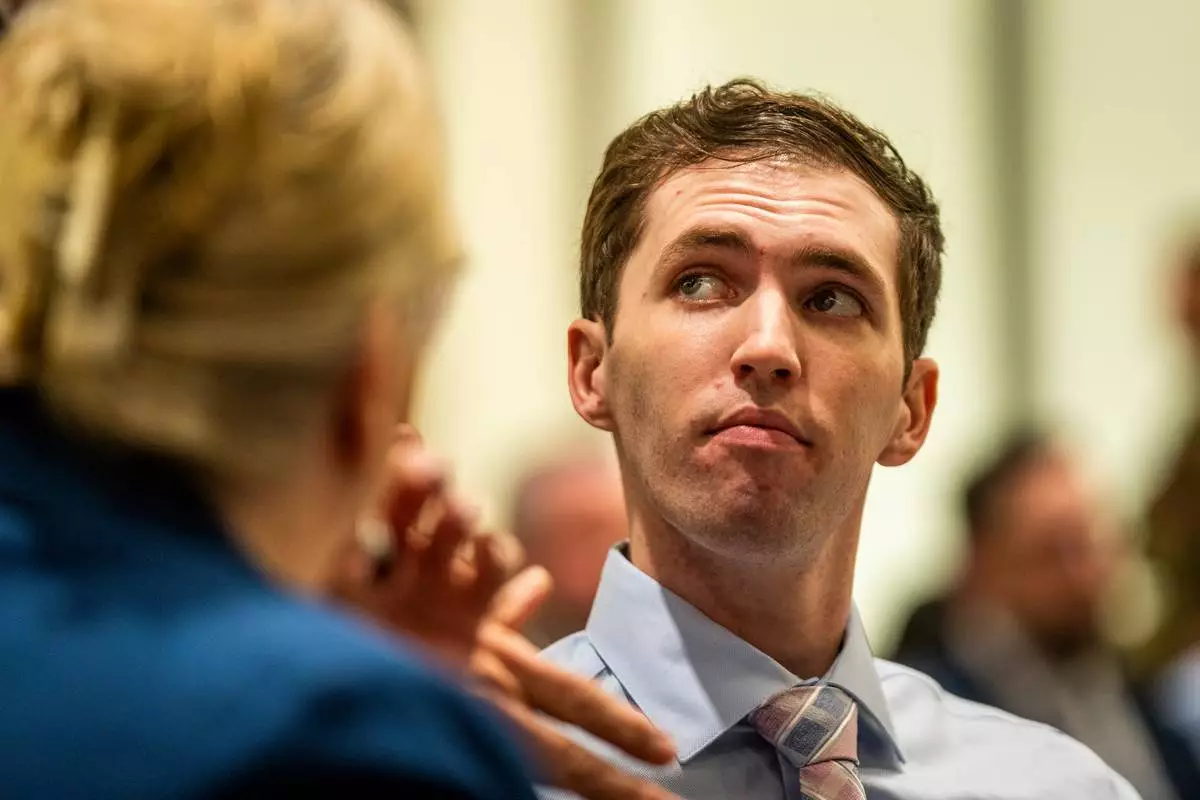
Tyler Robinson, accused in the fatal shooting of Charlie Kirk, and defense attorney Kathryn Nester attend a hearing in 4th District Court in Provo, Utah, on Friday, April 17, 2026. (Trent Nelson /The Salt Lake Tribune via AP, Pool)

Tyler Robinson, accused in the fatal shooting of Charlie Kirk, and defense attorney Kathryn Nester attend a hearing in 4th District Court in Provo, Utah, on Friday, April 17, 2026. (Trent Nelson /The Salt Lake Tribune via AP, Pool)

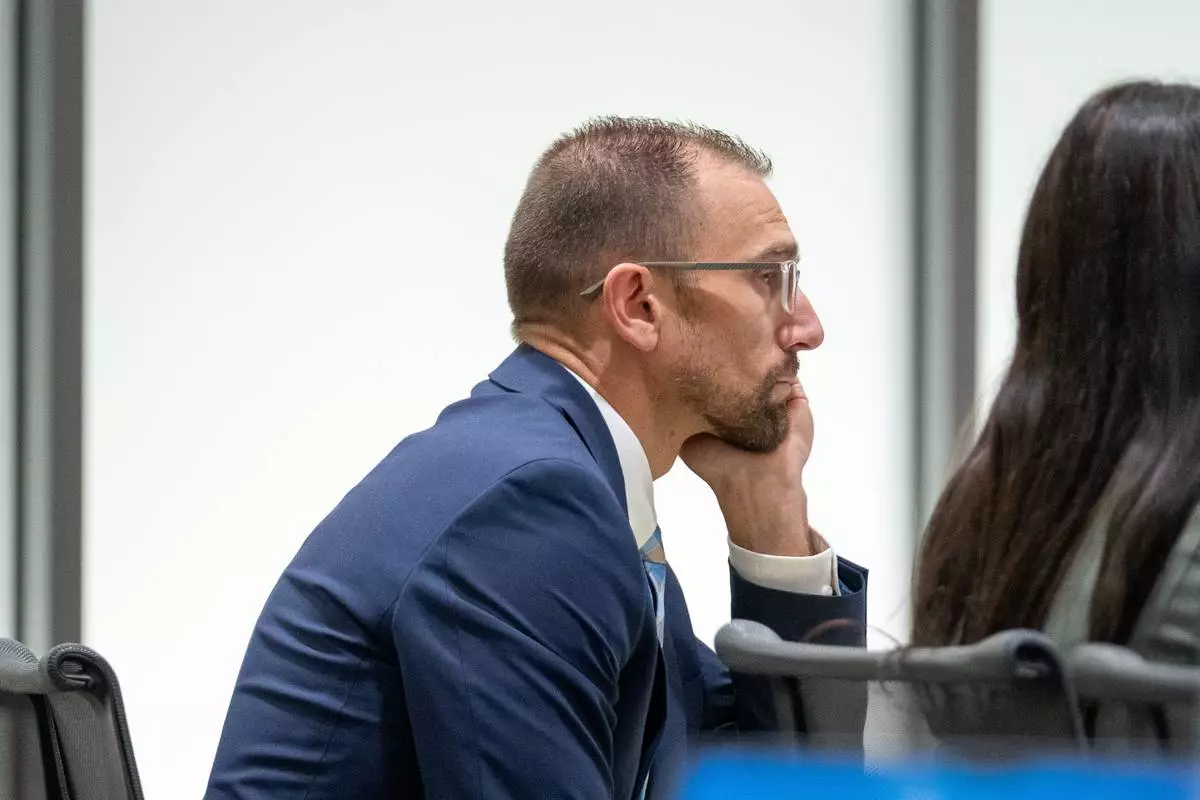
Deputy Utah County Attorney Ryan McBride attends a hearing for Tyler Robinson, accused in the fatal shooting of Charlie Kirk, in 4th District Court in Provo, Utah, on Friday, April 17, 2026. (Trent Nelson /The Salt Lake Tribune via AP, Pool)

Deputy Utah County Attorney Ryan McBride attends a hearing for Tyler Robinson, accused in the fatal shooting of Charlie Kirk, in 4th District Court in Provo, Utah, on Friday, April 17, 2026. (Trent Nelson /The Salt Lake Tribune via AP, Pool)

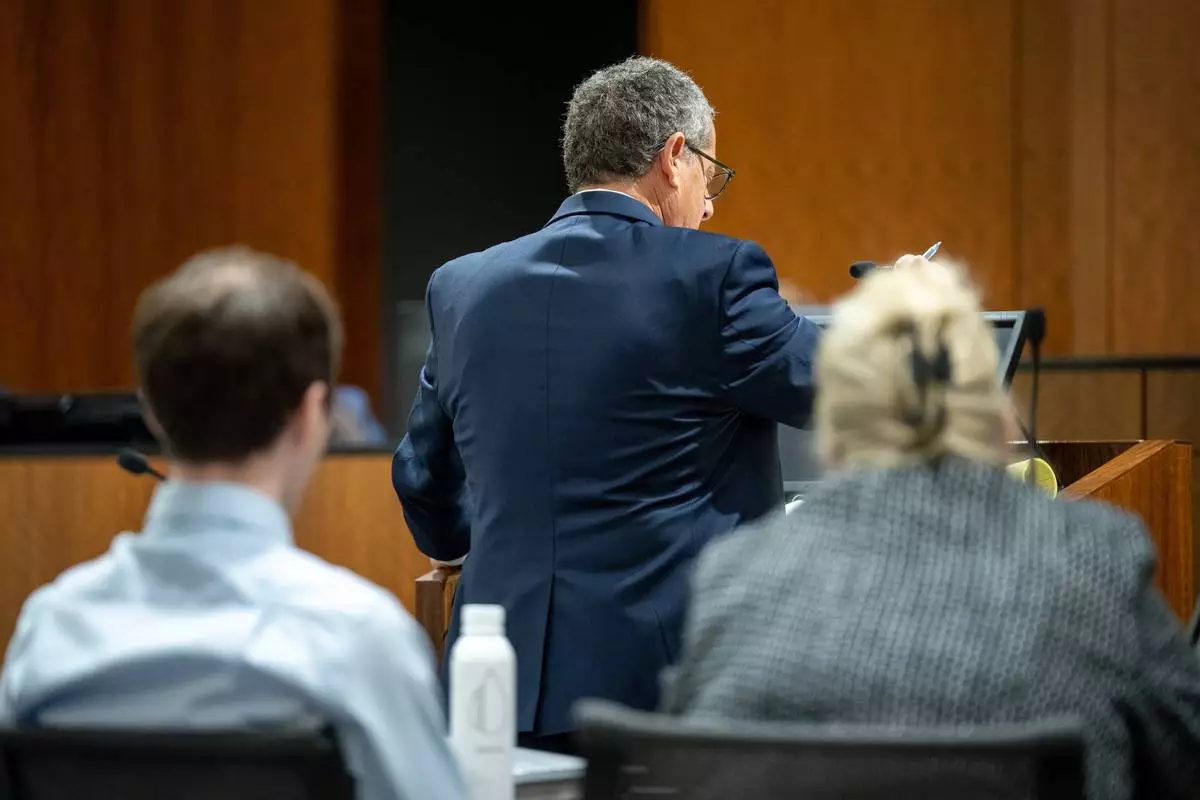
Defense attorney Richard Novak attends a hearing for Tyler Robinson, accused in the fatal shooting of Charlie Kirk, in 4th District Court in Provo, Utah, on Friday, April 17, 2026. (Trent Nelson /The Salt Lake Tribune via AP, Pool)

Defense attorney Richard Novak attends a hearing for Tyler Robinson, accused in the fatal shooting of Charlie Kirk, in 4th District Court in Provo, Utah, on Friday, April 17, 2026. (Trent Nelson /The Salt Lake Tribune via AP, Pool)

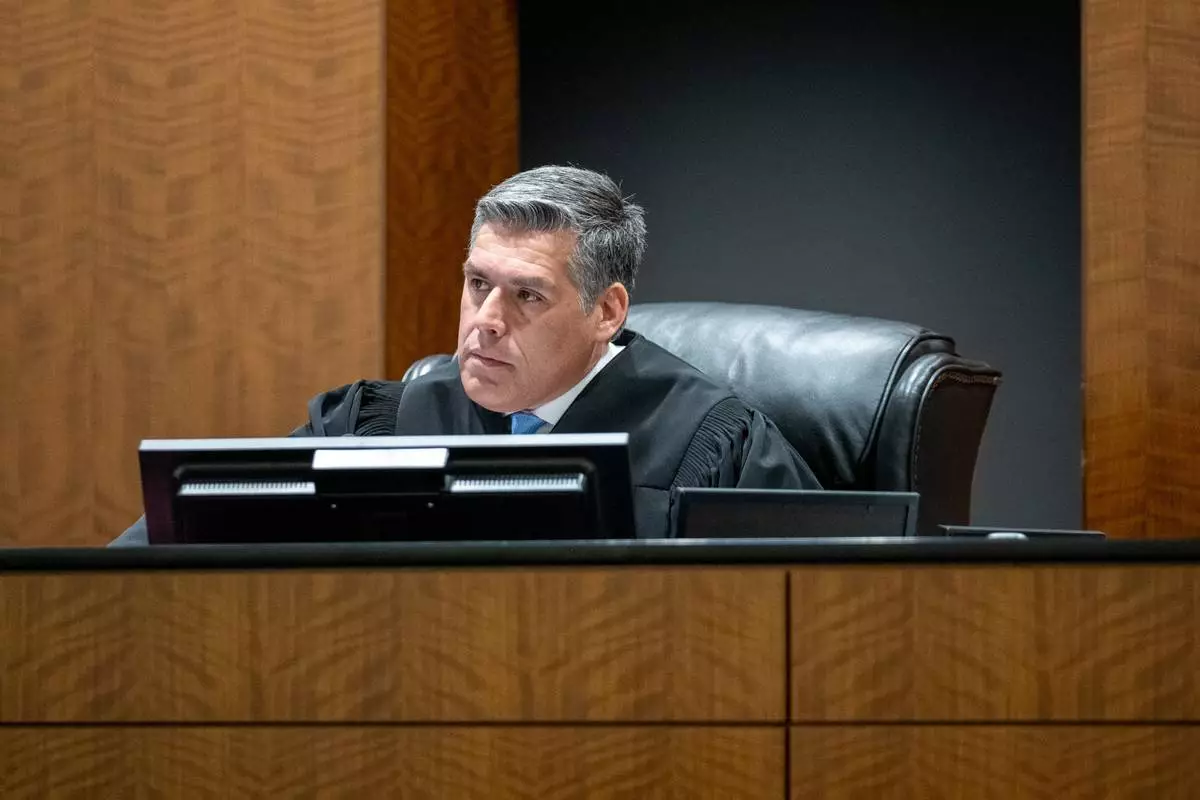
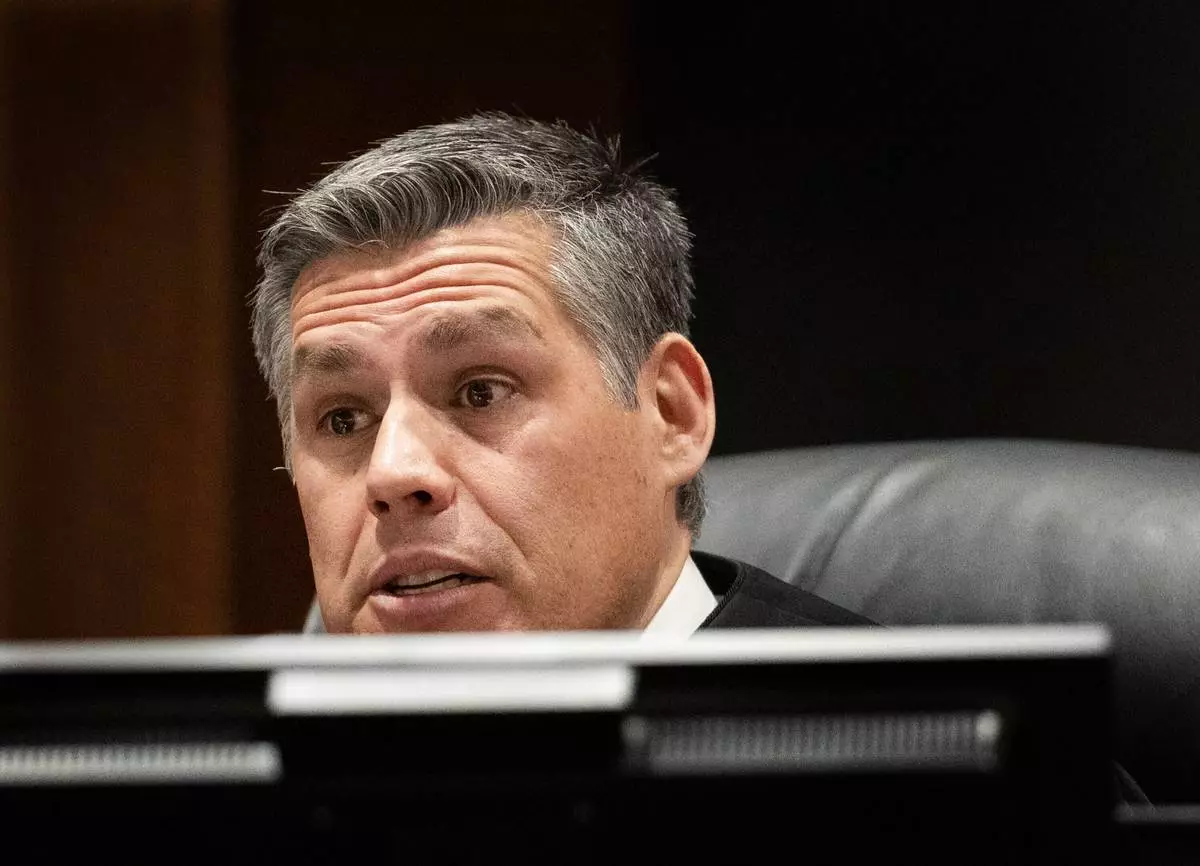
Judge Tony Graf in 4th District Court presides over a hearing for Tyler Robinson, accused in the fatal shooting of Charlie Kirk, in 4th District Court in Provo, Utah, on Friday, April 17, 2026. (Trent Nelson /The Salt Lake Tribune via AP, Pool)

Judge Tony Graf in 4th District Court presides over a hearing for Tyler Robinson, accused in the fatal shooting of Charlie Kirk, in 4th District Court in Provo, Utah, on Friday, April 17, 2026. (Trent Nelson /The Salt Lake Tribune via AP, Pool)

FILE - Tyler Robinson, who is accused of fatally shooting Charlie Kirk, appears during a hearing in Fourth District Court in Provo, Utah, on Dec. 11, 2025. (Rick Egan/The Salt Lake Tribune via AP, Pool, File)

FILE - Tyler Robinson, who is accused of fatally shooting Charlie Kirk, appears during a hearing in Fourth District Court in Provo, Utah, on Dec. 11, 2025. (Rick Egan/The Salt Lake Tribune via AP, Pool, File)

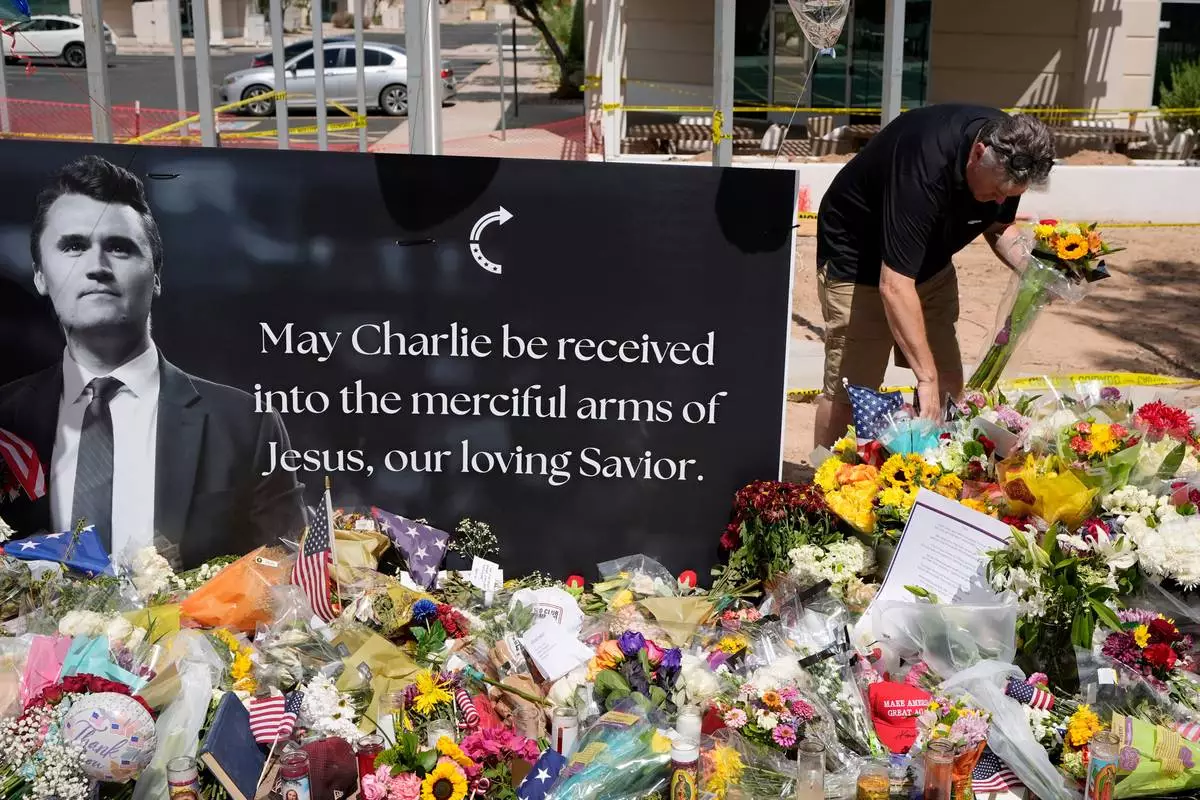
FILE - A well-wisher places flowers at a makeshift memorial set up for Charlie Kirk at Turning Point USA headquarters, Sept. 11, 2025, in Phoenix. (AP Photo/Ross D. Franklin, File)

FILE - A well-wisher places flowers at a makeshift memorial set up for Charlie Kirk at Turning Point USA headquarters, Sept. 11, 2025, in Phoenix. (AP Photo/Ross D. Franklin, File)

FILE - Fourth District Court Judge Tony Graf speaks during a hearing for Tyler Robinson, who is accused of fatally shooting Charlie Kirk, in 4th District Court, March 13, 2026, in Provo, Utah. (Laura Seitz/The Deseret News via AP, Pool, File)

FILE - Fourth District Court Judge Tony Graf speaks during a hearing for Tyler Robinson, who is accused of fatally shooting Charlie Kirk, in 4th District Court, March 13, 2026, in Provo, Utah. (Laura Seitz/The Deseret News via AP, Pool, File)

Recommended Articles