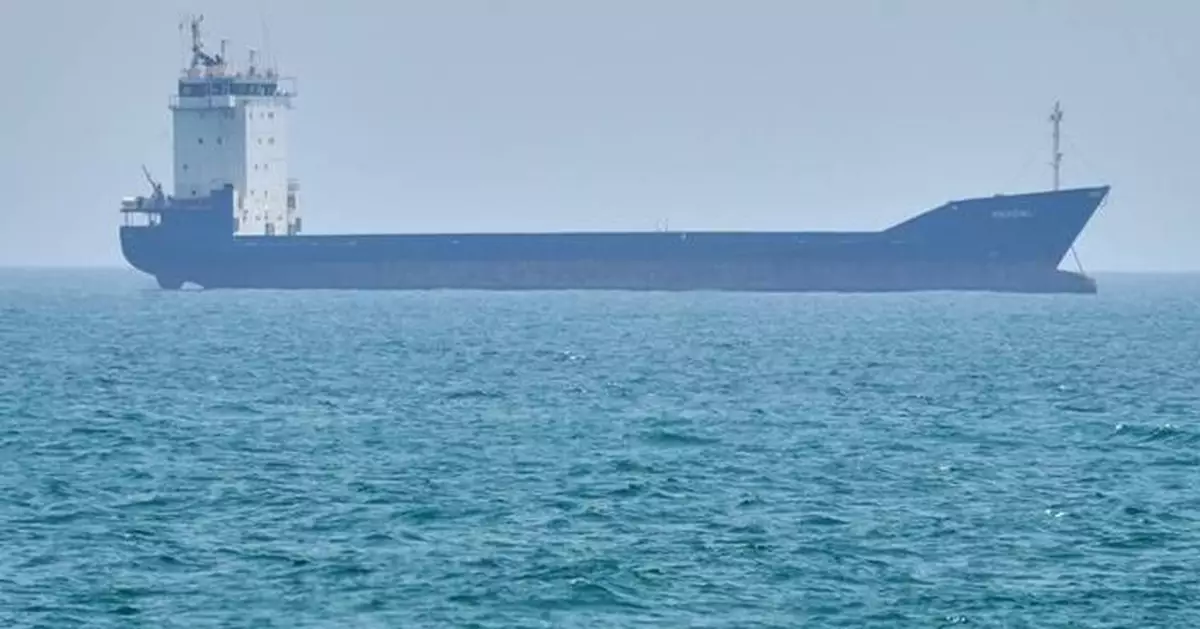
NEW YORK (AP) — Oil prices rose in early trading Sunday as a standoff between Iran and the U.S. prevented tankers from using the Strait of Hormuz, the Persian Gulf waterway that is crucial to global energy supplies.
The price of U.S. crude oil increased 6.4% to $87.90 per barrel an hour after trading resumed on the Chicago Mercantile Exchange. The price of Brent crude, the international standard, climbed 5.8% to $95.64 per barrel.
The market reaction followed more than two days of lifted hopes and dashed expectations involving the strait. Crude prices plunged more than 9% Friday after Iran said it would fully reopen the strait, which it effectively controls, to commercial traffic.
Tehran reversed that decision and fired on several vessels Saturday after President Donald Trump said a U.S. Navy blockade of Iranian ports would remain in effect. On Sunday, Trump said the U.S. attacked and forcibly seized an Iranian-flagged cargo ship that allegedly tried to get around the blockade. Iran’s joint military command vowed to respond.
Sunday's higher prices wiped out much of the declines seen Friday, signaling renewed doubts about how soon ships will again transport the vast amounts oil the world gets from the Middle East.
The US-Israeli war against Iran, now in its eighth week, has created one of the worst global energy crises in decades. Countries in Asia and Europe that import much of their oil from the Gulf have felt the most impact of halted supplies and production cuts, although rapidly rising gasoline, diesel and jet fuel prices are affecting businesses and consumers worldwide.
Asked when he thought U.S. motorists would again see gas cost less than $3 a gallon on average, Energy Secretary Chris Wright said prices at the pump might not go down that much until next year.
“But prices have likely peaked, and they’ll start going down,” Wright told CNN’s “State of the Union” on Sunday.
The price of crude oil — the main ingredient in gasoline — has fluctated dramatically since the U.S. and Israel attacked Iran on Feb. 28, and as Iran retaliated with airstrikes on other Gulf states. Crude traded at roughly $70 a barrel before the conflict, spiked to more than $119 at times, and previously closed Friday at $82.59 for U.S. oil and $90.38 for Brent.
Industry analysts have repeatedly warned that the longer the strait is closed, the worse prices could get.
A fragile, two-week ceasefire between the U.S. and Iran is set to expire Wednesday, while escalating tensions in the Strait of Hormuz puts the fate of new talks to end the war into question.
Even if a lasting deal to reopen the Strait of Hormuz emerges, analysts say it could take months for oil shipments to return to normal levels and for fuel prices to go down. Backed-up tanker traffic, shipowners concerned about another sudden escalation, and energy infrastructure damaged during the war are factors that could impede production and shipment volumes from returning to pre-war levels.
A gallon of regular gas cost an average of nearly $4.05 a gallon in the U.S. on Sunday, according to motor club federation AAA. That’s about 8 cents lower than a week ago, but far higher than $2.98 before the war.
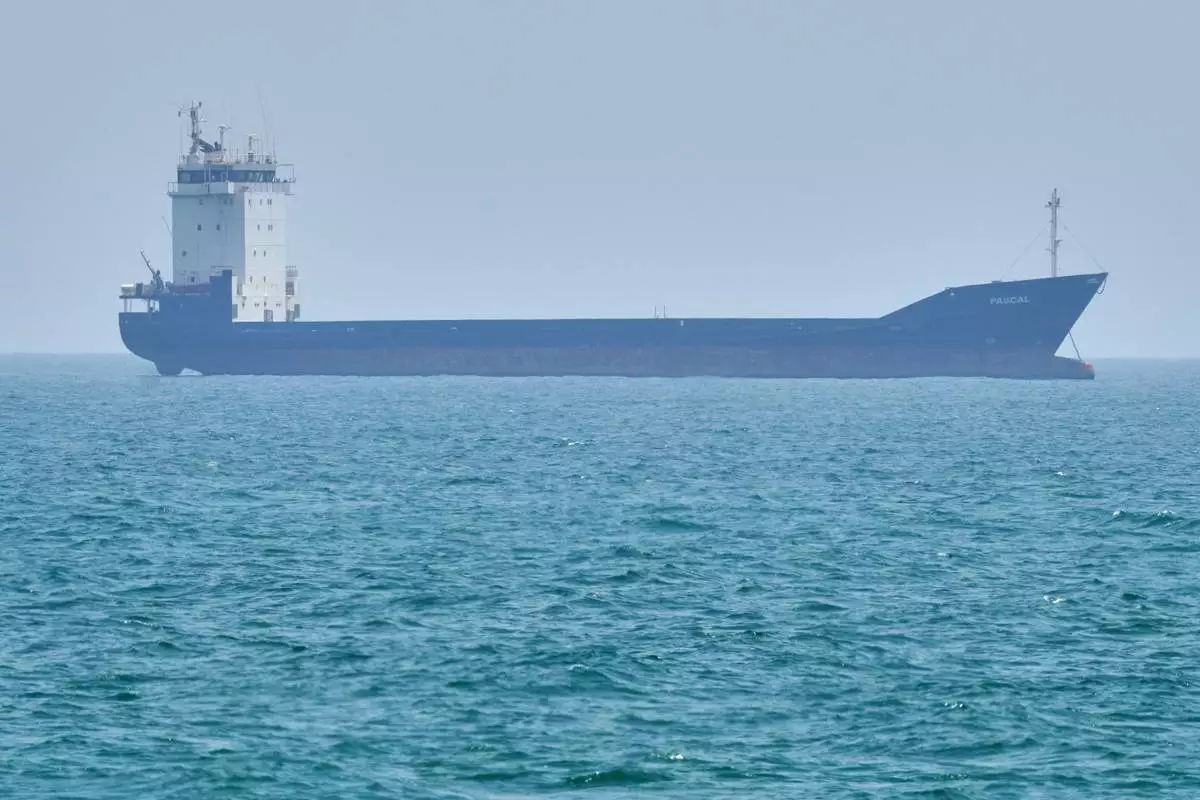
A tanker sits anchored in the Strait of Hormuz off the coast of Qeshm Island, Iran, Saturday, April 18, 2026. (AP Photo/Asghar Besharati)
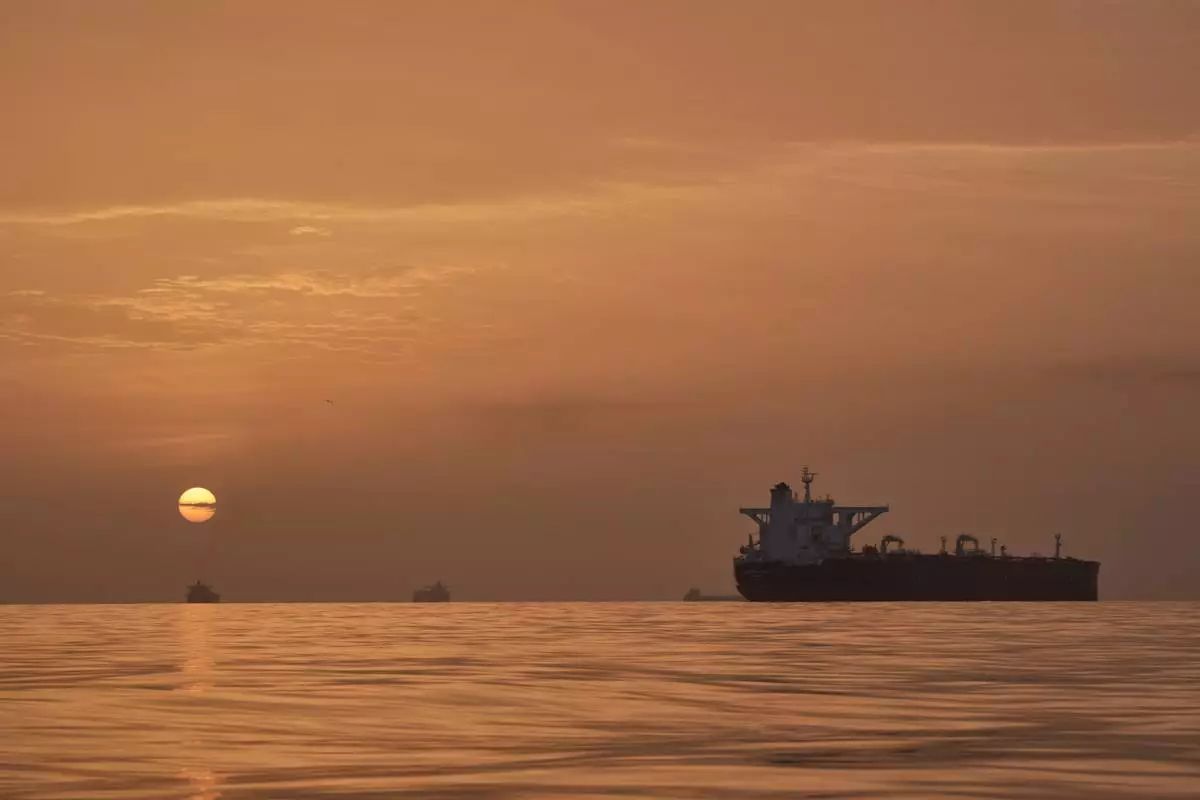
The sun rises behind tankers anchored in the Strait of Hormuz off the coast of Qeshm Island, Iran, Saturday, April 18, 2026. (AP Photo/Asghar Besharati)
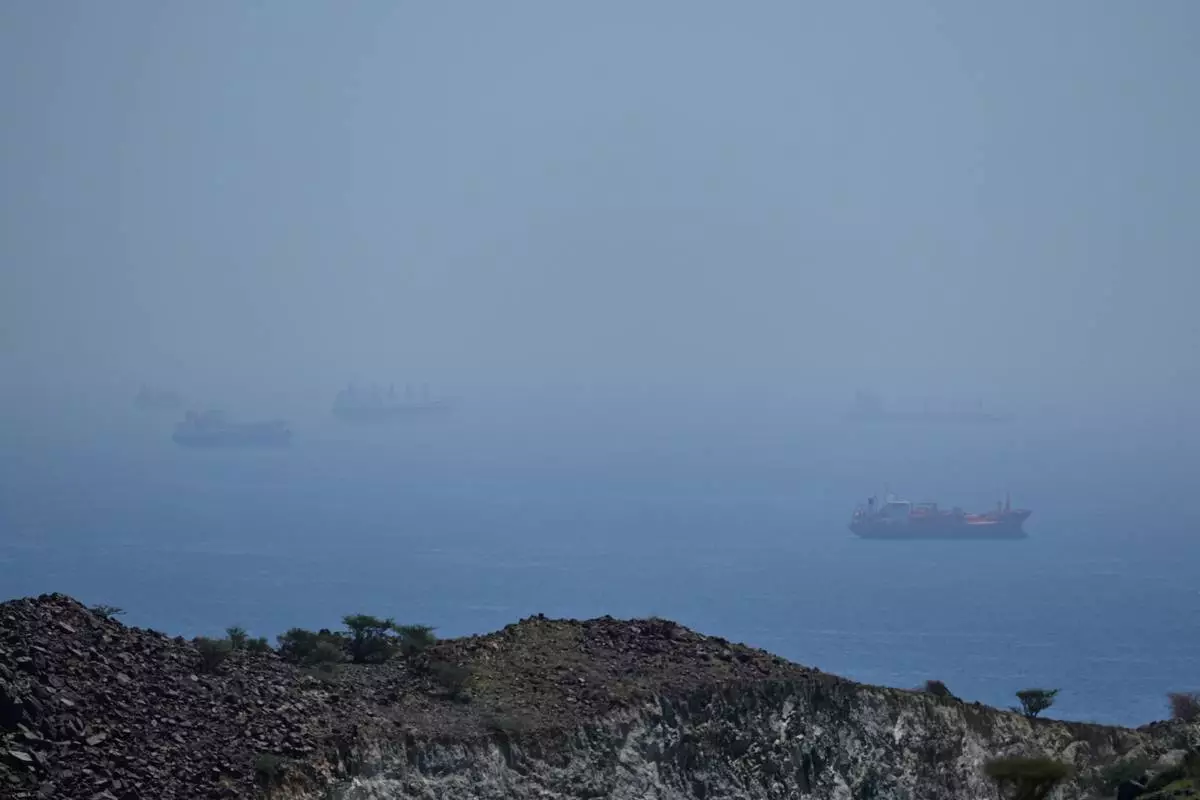
Tankers and bulk carriers anchored in the Strait of Hormuz, Saturday, April 18, 2026. (AP Photo)
NASHVILLE, Tenn. (AP) — Emergency help for Christa Pike was delayed by confusion among first responders and Tennessee prison officials following her failed execution last month, according to 911 dispatch recordings.
The recordings, obtained Monday by The Associated Press through a public records request, show that precious minutes elapsed as officials and responders tried to figure out whether a request for emergency help in the execution chamber was legitimate.
The initial 911 call came in at 8:40 p.m. on Sept. 30, just over an hour after the attempted lethal injection got underway. But the caller was unable to provide a code that would help verify the legitimacy of the request.
“Per supervisors here at the DEC (Department of Emergency Communications) we have been informed it is a false call,” a dispatcher says at 9:03 p.m. “There is no medical assistance needed at Riverbend Prison.”
It wasn’t until about half an hour after the initial call — close to 9:11 p.m. — that prison officials affirmed it was real and began letting responders through the gates.
Neither the Tennessee Department of Correction nor Pike’s legal team immediately responded to requests for comment.
Pike, 50, was hospitalized after surviving two doses of pentobarbital as the state tried to execute her for the 1995 stabbing death of classmate Colleen Slemmer. She was 18 when she tortured and killed Slemmer with her boyfriend, becoming one of the youngest women to be sentenced to death.
State protocol calls for a second dose of pentobarbital if the first doesn’t result in death, but it doesn’t spell out what to do if an inmate survives the second injection.
The first 911 call, released only as a written transcript, reported that Pike was unconscious and not breathing normally.
After being taken to a hospital, Pike was on a ventilator for several days. At one point, her attorneys did not expect her to survive. She regained consciousness last Tuesday and began talking limitedly and walking with assistance, they said. Pike was discharged from the hospital and returned to the women’s prison where she was housed for 30 years, her lawyers said Saturday.
The initial call came from a person whose name and title were redacted. The caller told a dispatcher that they were at the Riverbend Maximum Security Institution where they had tried to execute someone, but she was still alive.
As emergency responders worked to verify the call, they were in touch with representatives of the prison’s Central Control, who said they “would have been the ones to call in" and they "did not make that call,” according to a recording time-stamped at 9:07 p.m.
Around the same time, a first responder could be heard over the radio saying, “Somebody is outside the gate at the prison telling us that it’s real and demanding us to go in. They say they are some sort of state official. I need somebody to get out to the gate and talk to those people.”
Central Control confirmed the call was legitimate a few minutes later, clearing the way for responders to enter through the gates at about 9:11 p.m. An AP reporter witnessed an ambulance and fire trucks pull up to the building inside the prison campus at 9:14 p.m.
At 9:34 p.m., as medics were transporting Pike to a hospital, one asked dispatch to make sure the prison knew where they were taking her.
"Just ’cause there’s been so much other confusion, I want to make sure they are aware of this,” the responder said.
The Nashville Department of Emergency Communications released with some redactions the batch of audio recordings from dispatchers. Police said the audio from the first 911 call was exempt from public disclosure under state law.
Two subsequent emergency calls were made, including one at 9:08 p.m. by one of Pike’s attorneys, Kelly Gleason.
“My client, Christa Gail Pike, is undergoing a state execution. She has completed the stages of the protocol and last we knew from the attorney who is present, she is still alive and breathing and needs immediate life-saving care,” Gleason said on the call.
The Tennessee Department of Correction has not said what went wrong in the attempted execution. Gov. Bill Lee paused further execution attempts pending a review. It’s unclear whether the state will try executing Pike again.
Medical experts have raised a few possibilities that could explain how Pike was able to survive, including potential drug quality issues and the placement of IV lines causing the drug to pool in her tissue.
Before the execution attempt, Pike’s attorneys told courts and prison officials that she had a blood disorder that could cause clotting at injection sites.
Johnson reported from Seattle and Schoenbaum from Salt Lake City.

Media witnesses recount the moments before the execution of Christa Pike was halted Wednesday, Sept. 30, 2026, in Nashville, Tenn. (AP Photo/George Walker IV)
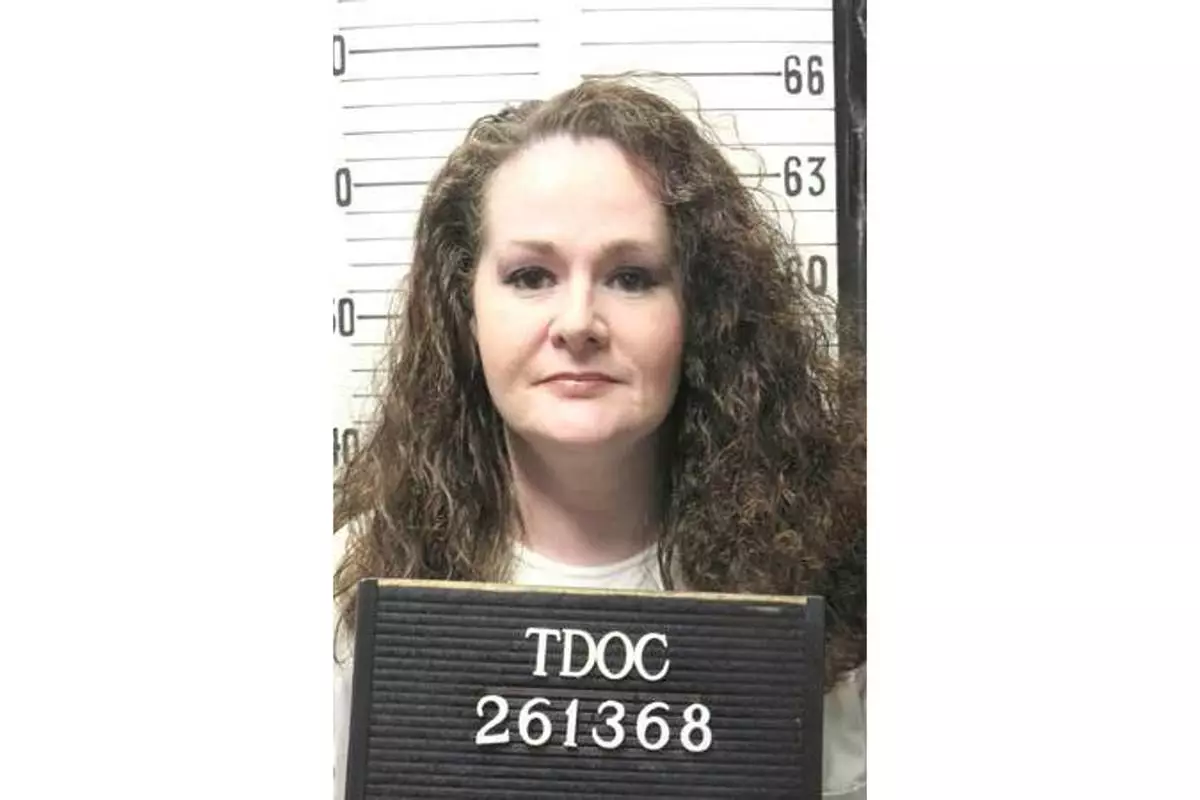
This photo provided by the Tennessee Department of Correction shows Christa Pike on Jan. 12, 2023. (TDOC via AP)
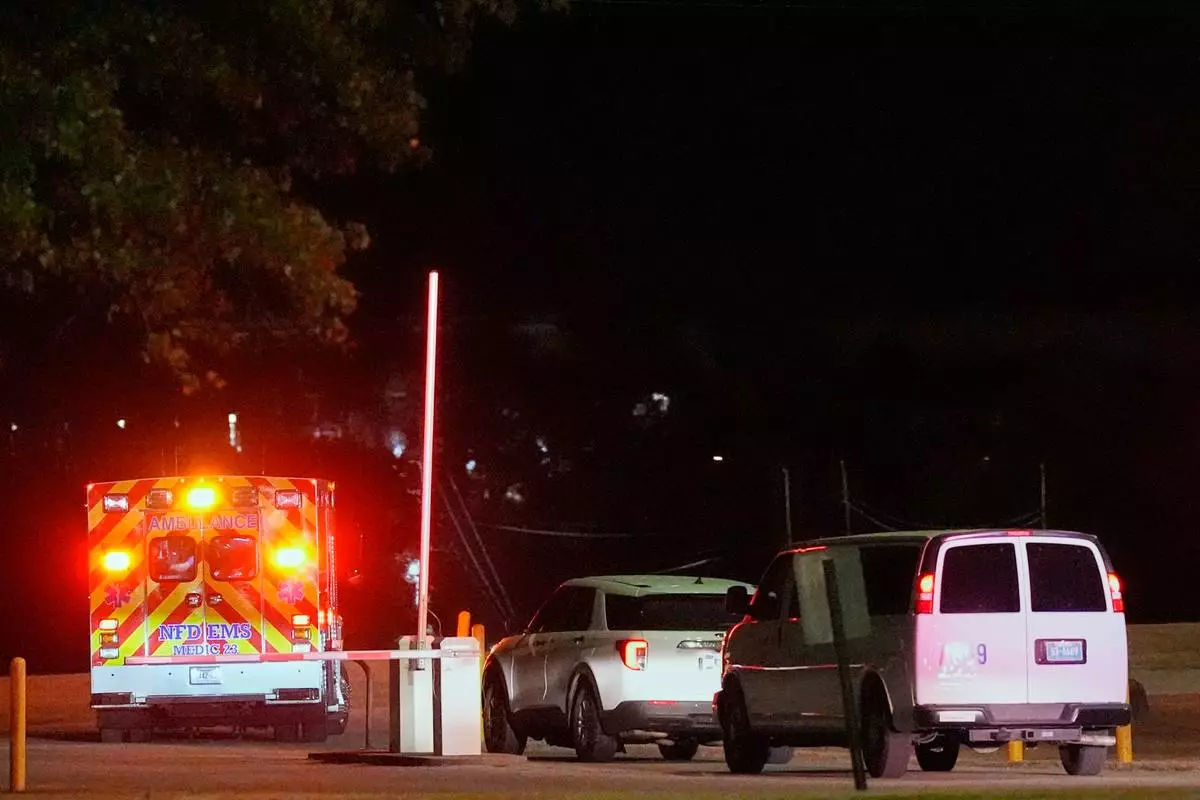
Emergency vehicles leave Riverbend Maximum Security Institution after the execution of Christa Pike was halted Wednesday, Sept. 30, 2026, in Nashville, Tenn. (AP Photo/George Walker IV)
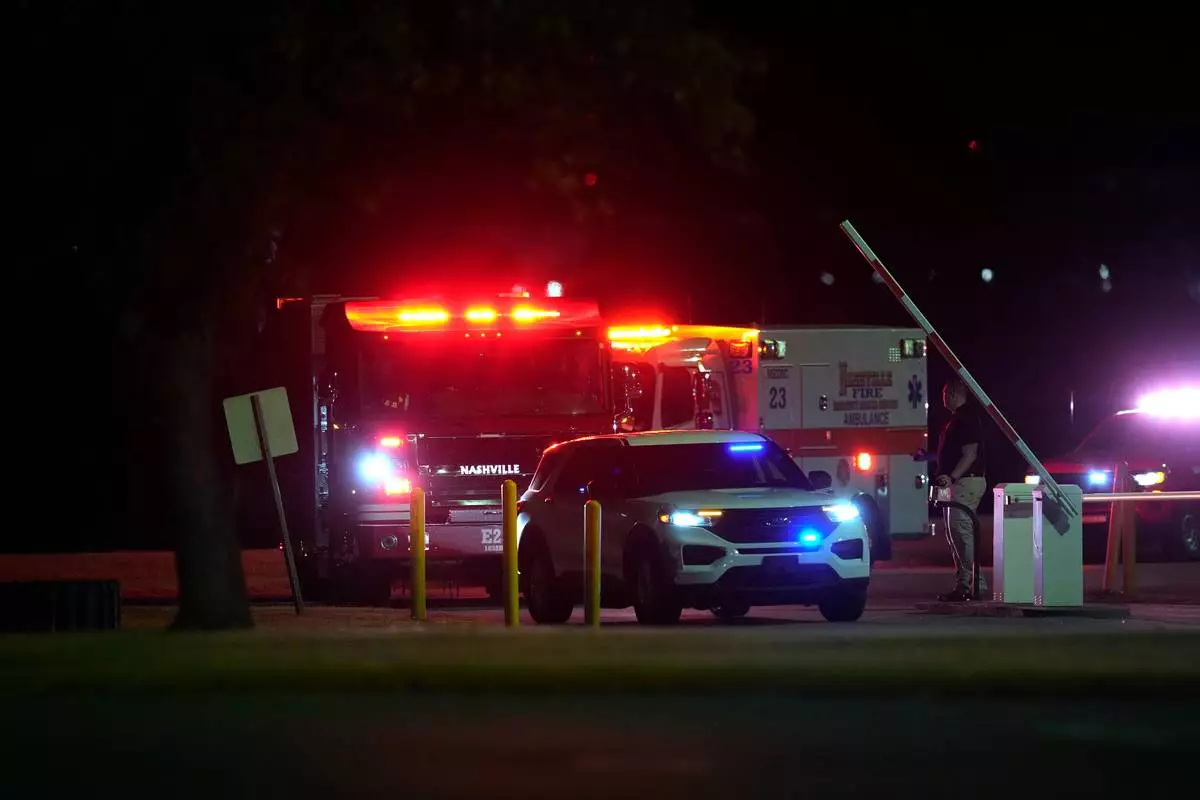
Emergency vehicles arrive at Riverbend Maximum Security Institution after the execution of Christa Pike was halted Wednesday, Sept. 30, 2026, in Nashville, Tenn. (AP Photo/George Walker IV)