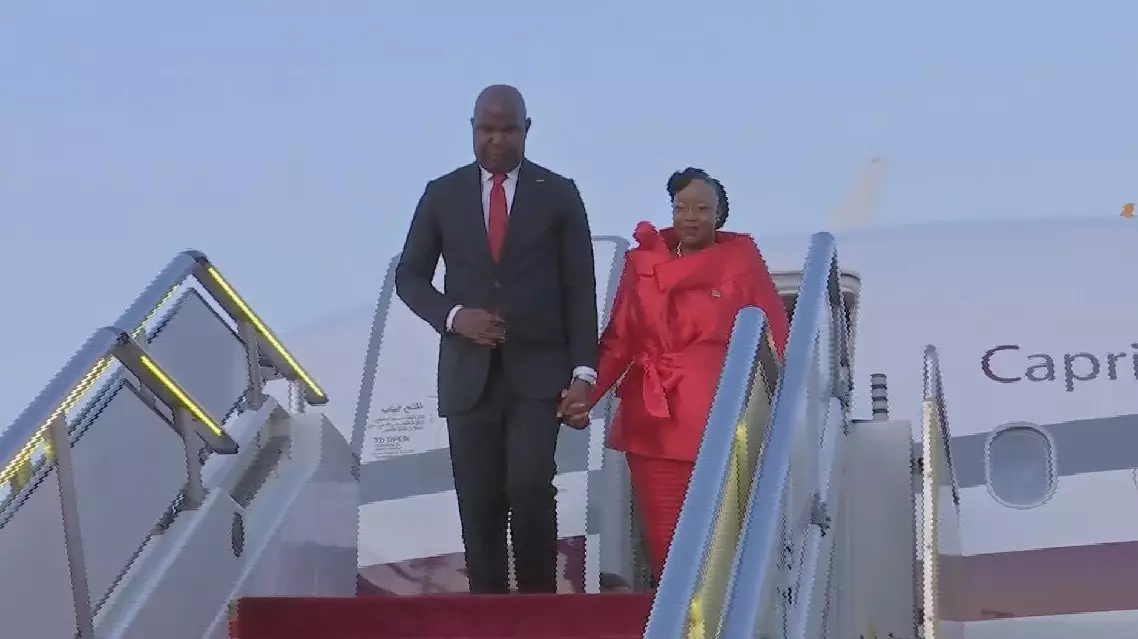
Mozambican President Daniel Chapo arrived in Beijing on Monday to continue his China trip after visiting central China's Hunan Province and northwest China's Qinghai Province.
At the invitation of Chinese President Xi Jinping, Chapo is on a state visit to China from April 16 to 21. It is President Chapo's first visit to China since he took office.
During Chapo's visit, Xi will hold a welcome ceremony and a welcome banquet for him, and the two heads of state will hold talks. Chinese Premier Li Qiang and Chairman of the National People's Congress Standing Committee Zhao Leji will meet respectively with Chapo.
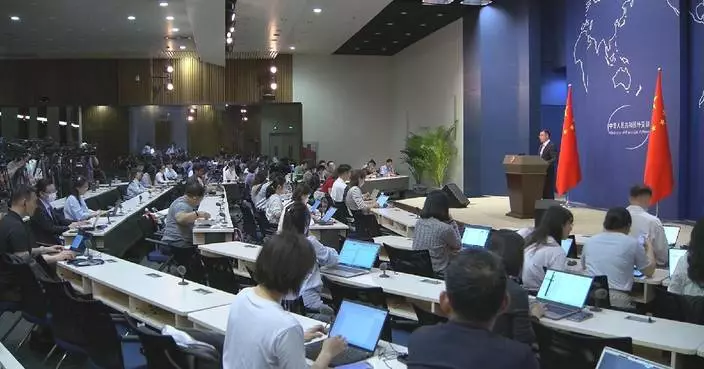
China and Mozambique enjoy long-standing friendship. For over half a century since the establishment of diplomatic ties and amid the changing international landscape, China-Mozambique friendship has been growing stronger, said Guo Jiakun, a spokesman for the Chinese Ministry of Foreign Affairs.
Now, political mutual trust between the two countries is deepening with fruitful outcomes in cooperation in various fields and close cooperation on international and regional issues, Guo said.
It is believed that this visit will promote the in-depth development of China-Mozambique comprehensive strategic cooperative partnership, and make contributions to building the all-weather China-Africa community with a shared future for the new era and reinforcing the solidarity and cooperation in the Global South, said the spokesman.
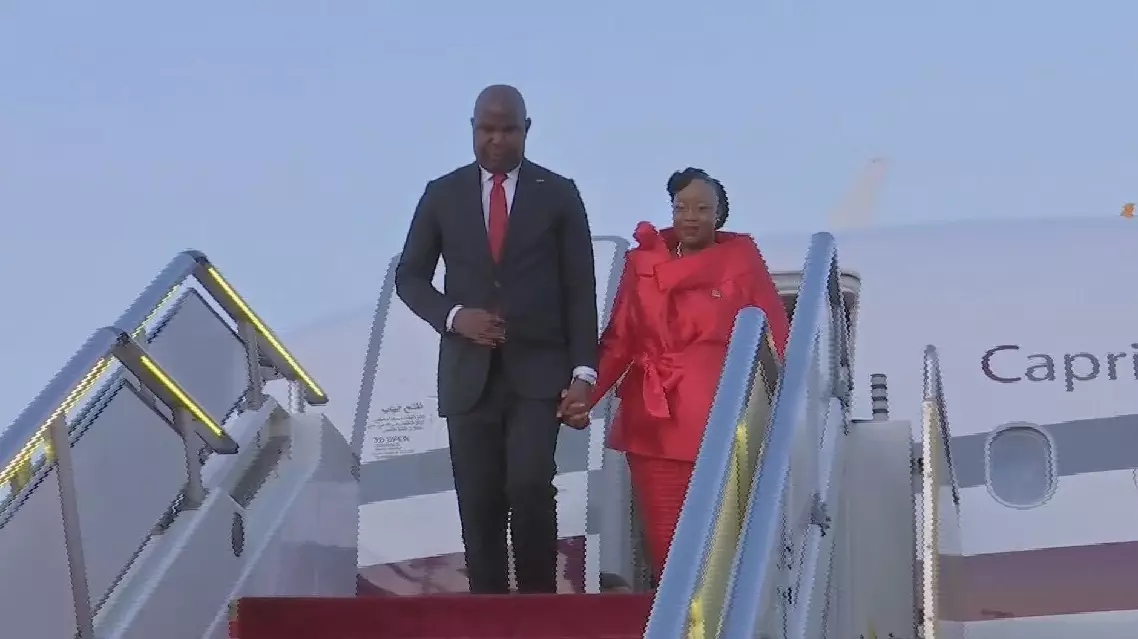
Mozambican president arrives in Beijing to continue China trip
A Chinese mainland spokesperson on Wednesday slammed Taiwan leader Lai Ching-te over his latest remarks on cross-Strait relations, accusing him of promoting secessionism and escalating tensions across the Taiwan Strait.
Chen Binhua, spokesperson for the Taiwan Affairs Office of the State Council, said in a press release that Lai's speech marking his second anniversary in office was "filled with lies and deception, hostility and confrontation."
Chen accused Lai of stubbornly adhering to a secessionist stance in pursuit of "Taiwan independence," while exaggerating the so-called threats from the mainland and intensifying confrontation across the Strait.
Lai played an old trick of advocating the secessionist agenda on one hand and, on the other, calling insincerely for dialogue and exchanges with the mainland, attempting to mislead people in Taiwan and deceive the international community, he said.
Chen said that these common tricks have been seen through by more and more Taiwanese people. Their deceptive and provocative actions will be met with firm opposition from compatriots on both sides and the international community, and are doomed to fail.
Reaffirming the mainland's position on the Taiwan question, Chen said Taiwan has never been a country, is not one now, and will never become one in the future.
He described the Taiwan question as a historical issue left over from a Chinese civil war in the 1940s.
No election result in Taiwan could alter the fact that Taiwan is part of China or sever the historical and legal bonds linking the two sides of the Strait, according to Chen.
The mainland would never allow any person or force to pursue secessionist activities under any pretext, he added.
Calling secessionists "the chief culprit" who undermines cross-Strait peace, Chen said the mainland would continue to uphold the one-China principle and the 1992 Consensus, unite broadly with Taiwan compatriots, combat secessionist activities, and safeguard peace and stability across the Strait.
Central government spokesperson refutes Lai Ching-te's latest remarks, warns against secessionist moves