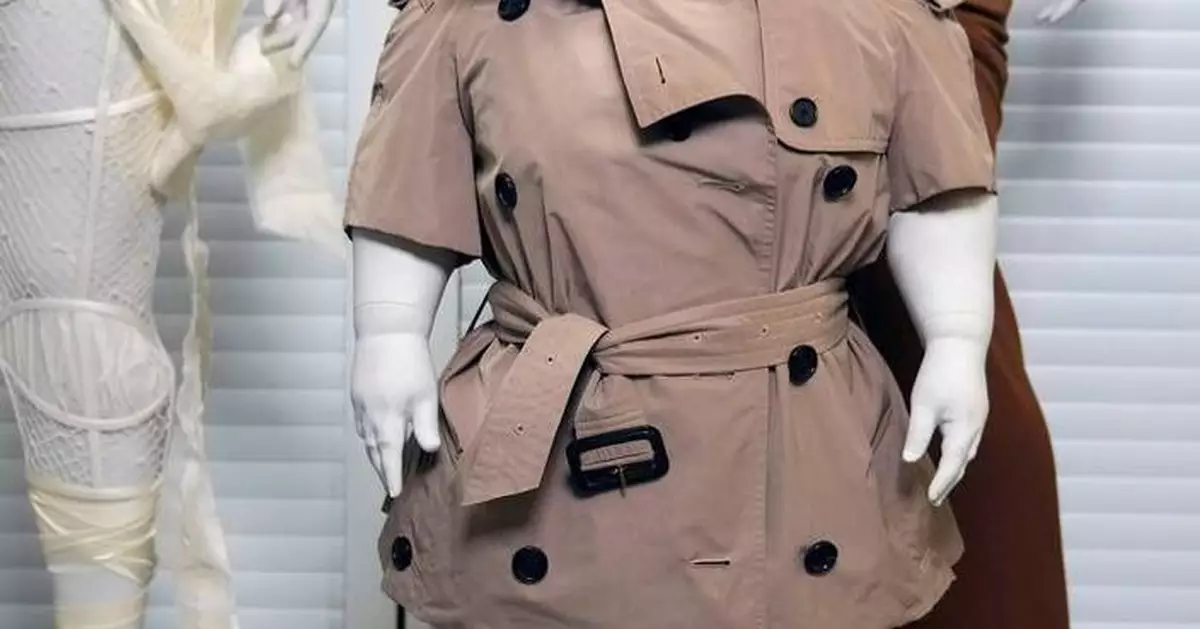
NEW YORK (AP) — On a sultry summer day in Brooklyn last year, artist and couture designer Michaela Stark found herself in a studio surrounded by 175 cameras, for a photo shoot unlike any she’d done before.
Clad only in her signature corsetry that binds the flesh, Stark stood in the midst of a circle as the cameras captured all angles of her body, simultaneously — part of an intricate process known as photogrammetry. The goal: to scan her body and build a mannequin — three, actually — for display in one of the world’s top museums, the Metropolitan Museum of Art. And at the Met Gala, no less.
Click to Gallery
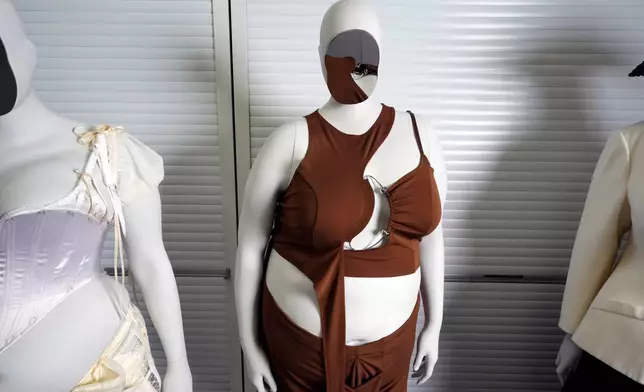
Mannequins are pictured during preparations for the Met Gala exhibit "Costume Art" on Tuesday, April 14, 2026, in New York. (Photo by Charles Sykes/Invision/AP)
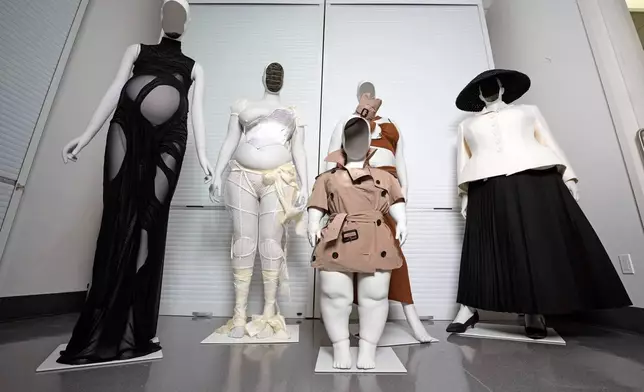
Mannequins are pictured during preparations for the Met Gala exhibit "Costume Art" on Tuesday, April 14, 2026, in New York. (Photo by Charles Sykes/Invision/AP)
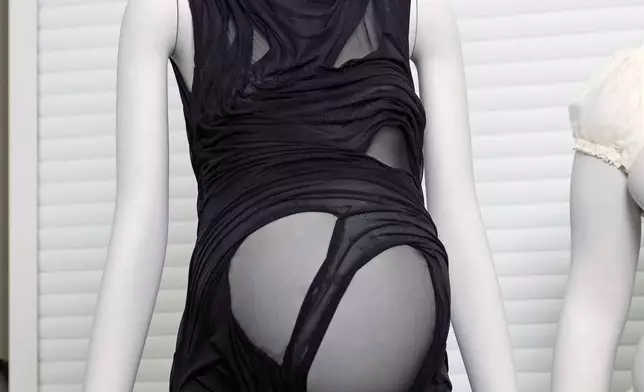
A mannequin is pictured during preparations for the Met Gala exhibit "Costume Art" on Tuesday, April 14, 2026, in New York. (Photo by Charles Sykes/Invision/AP)
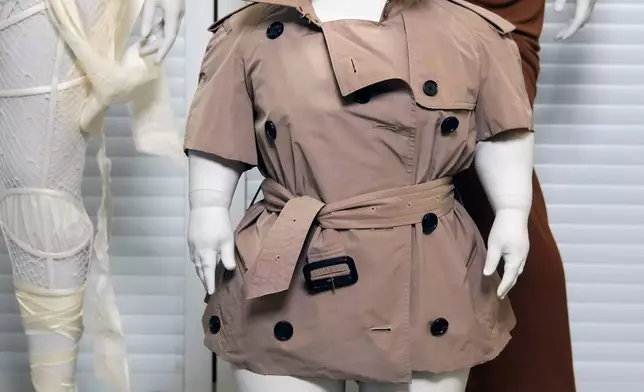
A mannequin is pictured during preparations for the Met Gala exhibit "Costume Art" on Tuesday, April 14, 2026, in New York. (Photo by Charles Sykes/Invision/AP)
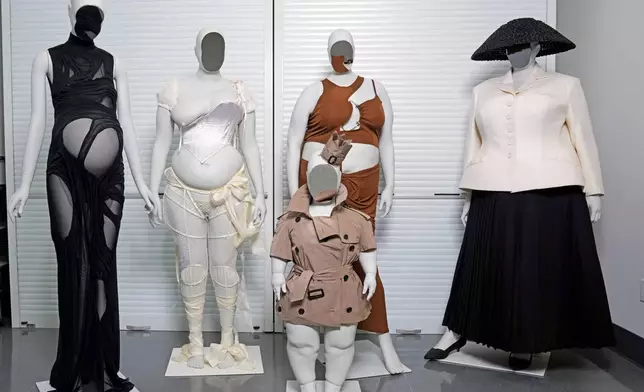
Mannequins are pictured during preparations for the Met Gala exhibit "Costume Art" on Tuesday, April 14, 2026, in New York. (Photo by Charles Sykes/Invision/AP)
“It was definitely a bit nerve-wracking,” recalls Stark of the “intimate and vulnerable” experience. But, she quips, “something about being naked on a 40-degree (Celsius) day in a corset that isn’t hiding anything kind of takes the awkwardness away from the situation, actually.”
The mannequins, and others based on real-life models like Stark, will be featured in “Costume Art,” the upcoming spring exhibit at the museum’s Costume Institute that's launched by the starry May 4 gala. It’s part of an effort to add an element of body positivity to a show that examines the dressed body in art over the centuries, says curator Andrew Bolton.
Bolton notes that the classic fashion mannequin is usually around a women’s size 2. The idea of these new mannequins, which will accompany the more traditional ones, is to stress that in the history of art, certain body types have been ignored or excluded — the corpulent body, the disabled body or the aging body, for example. But they, too, are part of the story. (The show comprises about 400 items — half art objects, and half garments from the museum’s collection, displayed in pairs.)
The aim was “to challenge a history of museum mannequin display that’s very much characterized by thin, abled and standardized bodies,” Bolton says. Rather than simply adapt existing mannequins, curators wanted to base the new mannequins “on a diverse range of real bodies with real, lived experiences.”
So, along with Stark, Bolton recruited models like Sinéad Burke, the Irish disability activist who was born with dwarfism; Aimee Mullins, the athlete, actor, model and activist who wears prosthetic lower legs; and Aariana Rose Philip, a musician and model who uses a wheelchair, among others. Nine real-life models were used to create 18 new mannequins. Seven additional mannequins represent shapes like the pregnant body and the thin male body but aren’t based on real people.
And these 25 new mannequins will not be consigned — as some are — to retirement after the show, which opens to the public May 10. When “Costume Art” ends in January 2027, they'll join the museum’s permanent collection, for future use.
This element of permanence is exciting to Stark, who has created looks for Beyoncé and has her own, body-positive line of lingerie called Panty. Her three mannequins will be wearing her own designs, and will appear in the Reclaimed Body and Corpulent Body sections.
Stark has long used corsetry techniques in unconventional ways. While corsets have traditionally been used to mold the body to classic ideas of beauty, Stark uses the same techniques “to actually emphasize those parts of the body that we’ve been conditioned to hide. It’s using the corsets to bring back power to the female form.”
The designer feels her participation in the Met’s exhibit could not come at a more crucial moment — a time when the industry’s commitment to body positivity appears to be fading.
“It’s a really interesting moment in time for the Met to be doing this show because obviously we’ve seen the complete rapid decline of the body positivity industry,” she says. “Designers left, right, and center are just starting more and more to refuse to work with plus-size models.” Her own experience is backed up by a recent Vogue Business Size Inclusivity Report, which cited a decline in plus sizes on the runways of four major Fashion Week cities for the Fall/Winter 2026 season.
Burke concurs, calling that decline “shameful and embarrassing.”
Her organization, Tilting the Lens, aims to place disabled people in positions of power and leadership across the industry — “whether they are creative directors and designers, whether they’re CEOs, whether they are chief marketing officers,” she says.
Burke, who will attend the Met Gala as a member of the host committee, modeled for two mannequins, both to be shown in the Disabled Body section — one in a Burberry trench coat made for her, and the other in a dress by Vivienne Westwood and Malcolm McLaren.
“You stood in this cage of cameras,” she said of the modeling experience. “It’s deeply uncomfortable and really vulnerable in the sense that you are in your skin and in very little else ... your body is photographed, observed, recorded from every angle, angles which you yourself may not even be familiar with.”
Nonetheless, she welcomes participation in the show, and especially the opportunity to consult with the museum on ways to present disabled people. That includes the language used. “There’s so many ways in which we could have called the disabled body something else, using euphemisms that create a distance from being disabled,” she said.
Burke is also involved in training the guides and volunteers at the museum, who can help to “make people feel seen, challenge people gently, and have a broader conversation about the connection between embodiment, fashion and art.”
The scanning process for models like Stark and Burke, at a Brooklyn company called New York Capture, was just the beginning. Artist Frank Benson then used the scans to create a sort of digital clay, molded to better display the garments. Then, the digital information went to a company in Italy, Bonaveri, to create the actual mannequins.
And there's another unique aspect to all the mannequins — just over 200 — in “Costume Art”: They've been fitted with a polished steel surface akin to a mirror, in which visitors can see themselves.
The idea, Bolton says, is that you’re looking not only at the person the mannequin is meant to embody, but also yourself.
In addition, about a third of the mannequins are placed on pedestals, with the others at ground level. Burke’s mannequin is one of those placed on a pedestal, and Bolton says that’s intentional.
“Andrew, my entire life, I’ve been looked down on, both literally and metaphorically,” he says the activist told him. She was, he said, very humbled at the idea that people would now — literally — look up to her.
The exhibit will include plenty of classical body shapes, of course, and Bolton stresses that the idea “is not to reject what came before.”
“We’re using it as an opportunity to add new voices and new silhouettes and new presences,” he says. “The figures don’t deny the past, but in a way, I suppose they complete the picture.”
For more coverage of the 2026 Met Gala, visit https://apnews.com/hub/met-gala.
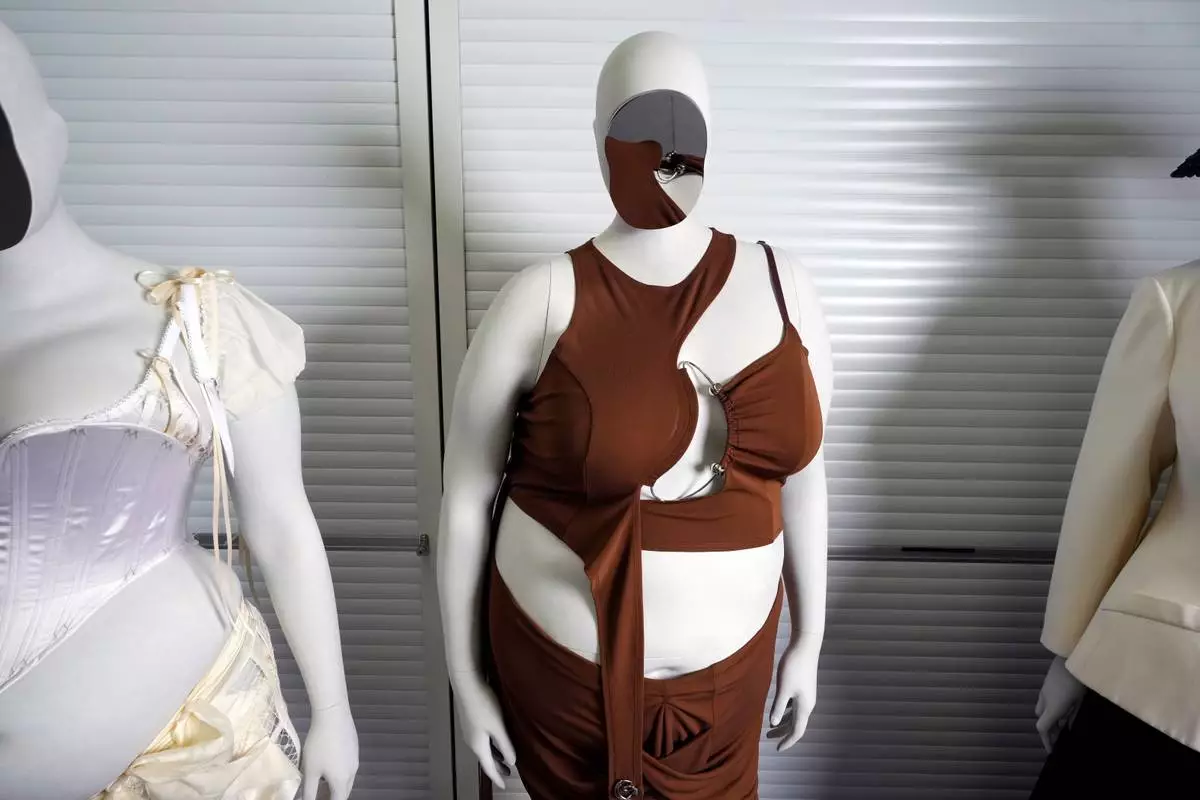
Mannequins are pictured during preparations for the Met Gala exhibit "Costume Art" on Tuesday, April 14, 2026, in New York. (Photo by Charles Sykes/Invision/AP)
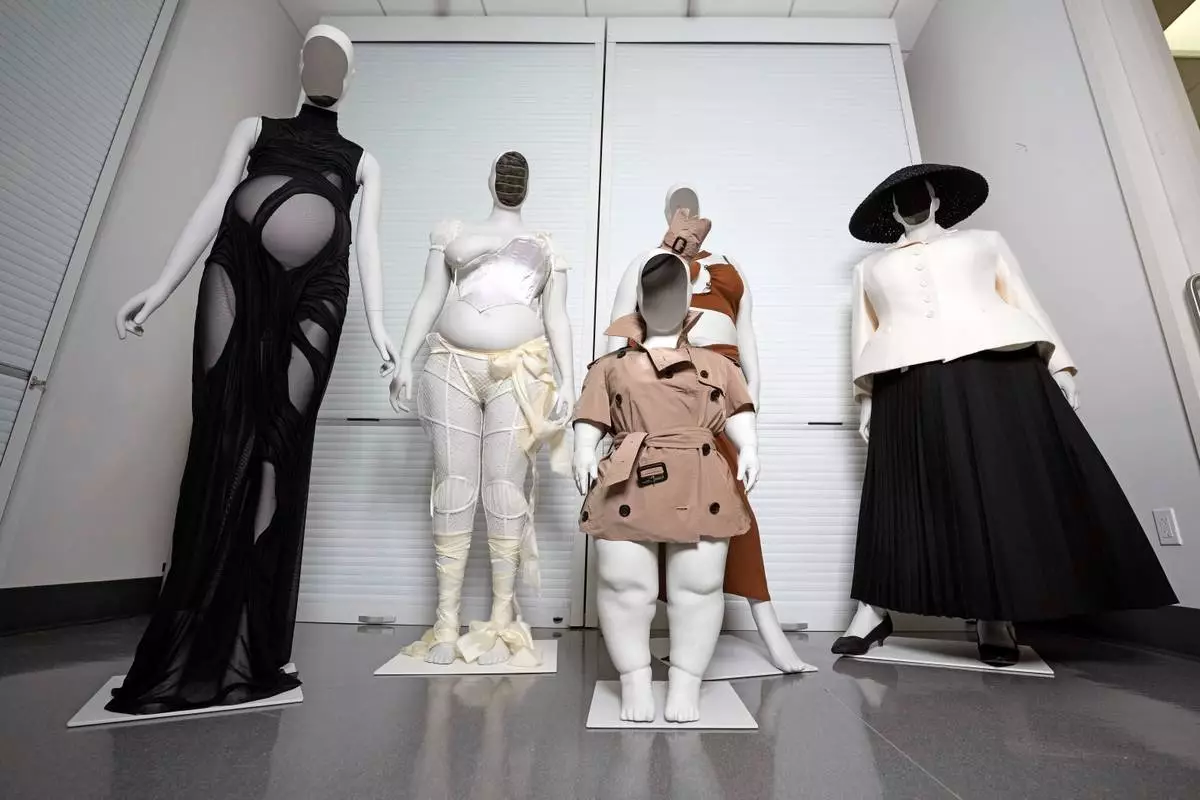
Mannequins are pictured during preparations for the Met Gala exhibit "Costume Art" on Tuesday, April 14, 2026, in New York. (Photo by Charles Sykes/Invision/AP)
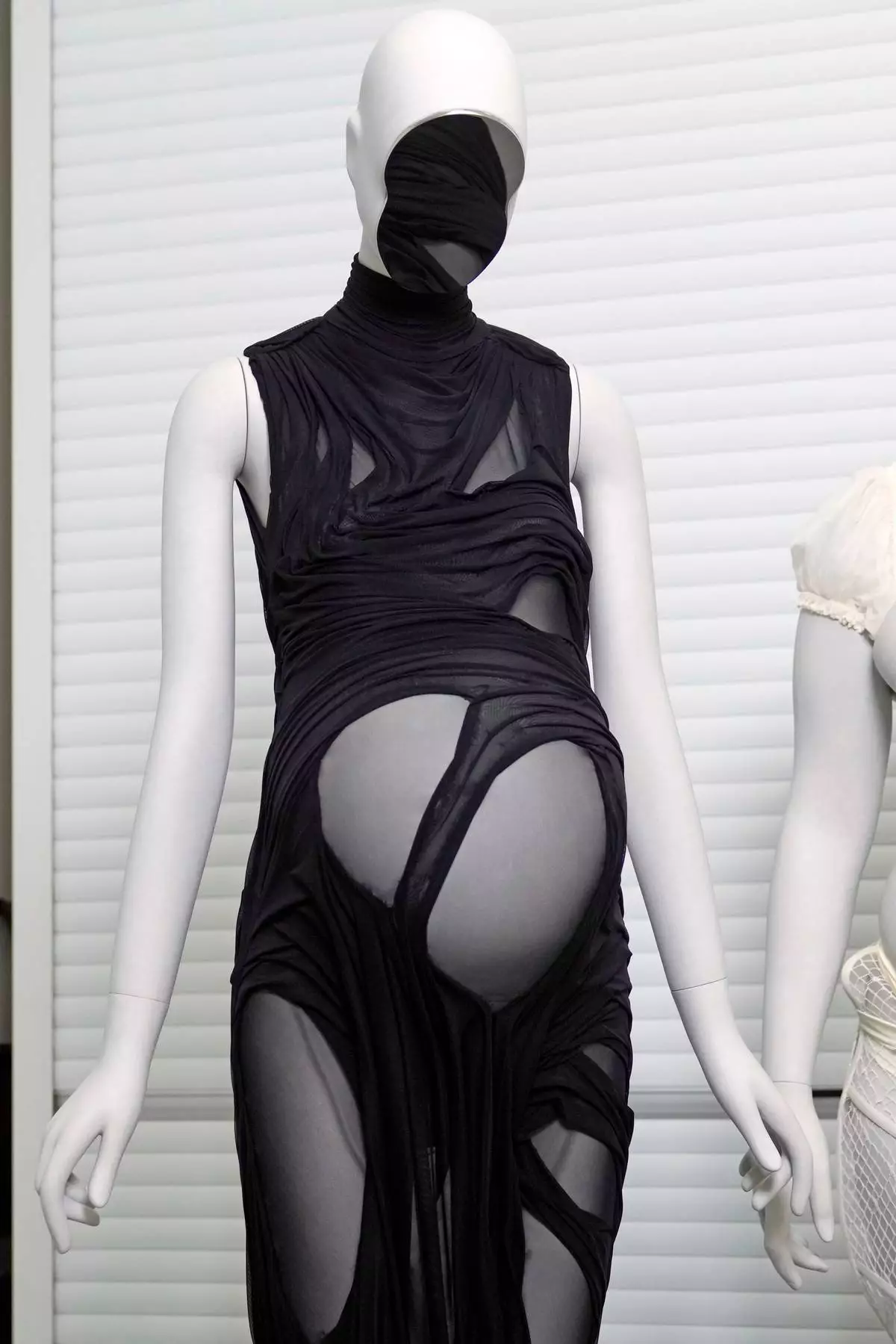
A mannequin is pictured during preparations for the Met Gala exhibit "Costume Art" on Tuesday, April 14, 2026, in New York. (Photo by Charles Sykes/Invision/AP)
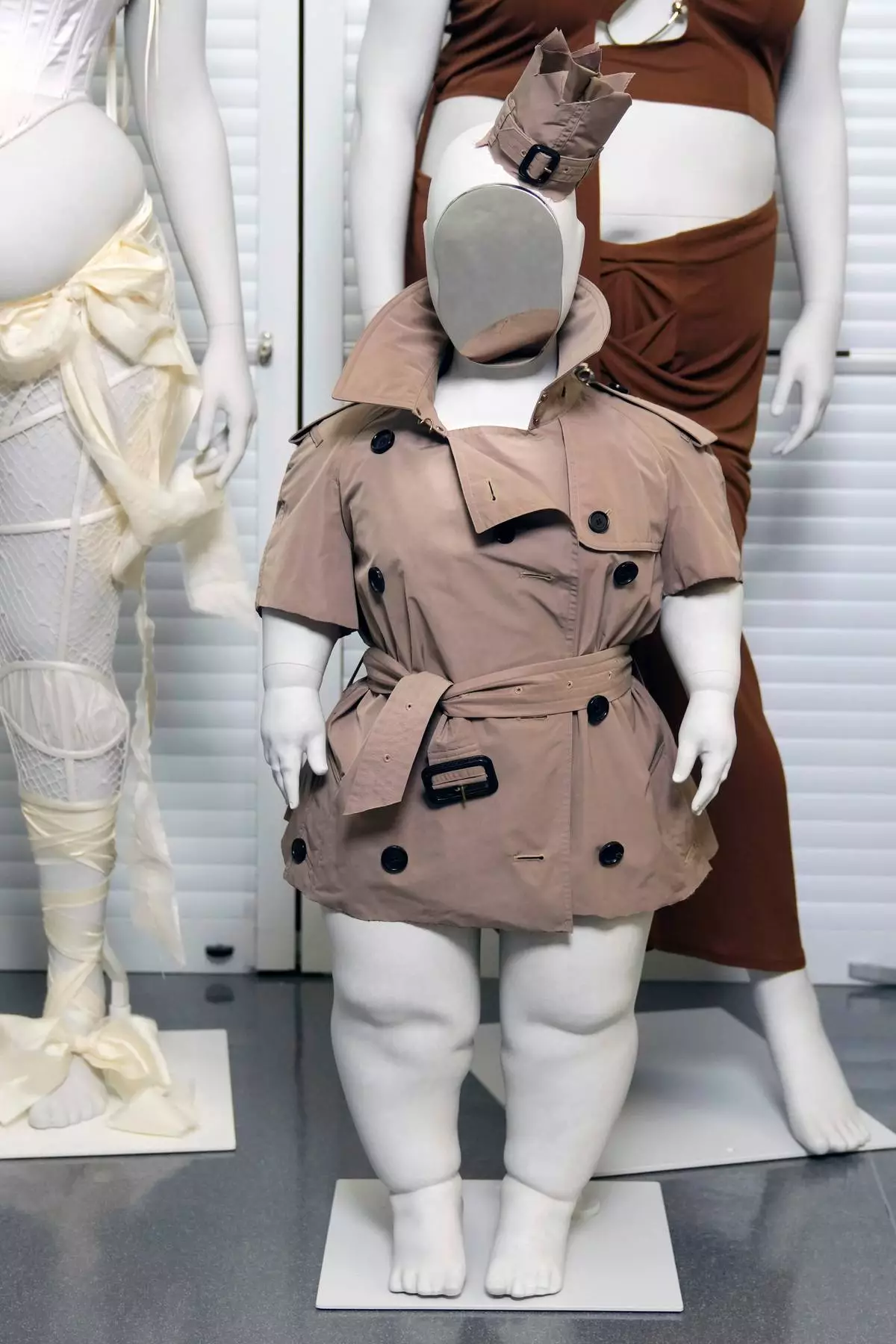
A mannequin is pictured during preparations for the Met Gala exhibit "Costume Art" on Tuesday, April 14, 2026, in New York. (Photo by Charles Sykes/Invision/AP)
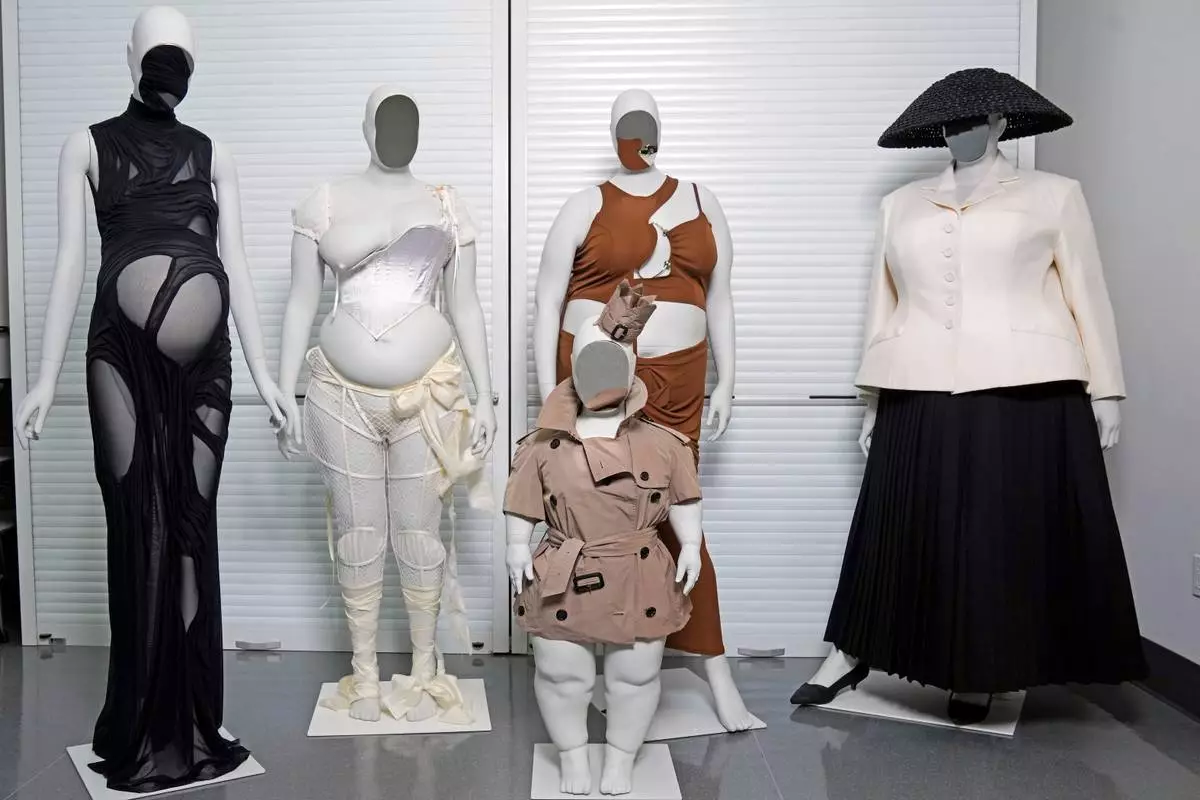
Mannequins are pictured during preparations for the Met Gala exhibit "Costume Art" on Tuesday, April 14, 2026, in New York. (Photo by Charles Sykes/Invision/AP)