The remains of 12 Chinese People's Volunteers (CPV) martyrs who fell in action during the 1950-1953 War to Resist U.S. Aggression and Aid Korea, or the Korean War, were returned to China from the Republic of Korea (ROK) on Wednesday.
A Chinese Air Force Y-20B large transport aircraft carrying the remains of the fallen soldiers and 146 of their personal effects landed at the Taoxian International Airport in Shenyang, capital of northeast China's Liaoning Province.
After it entered China's airspace, the Y-20B transport aircraft was escorted by four J-20 fighter jets.
The aircraft was given a "water salute" at the airport.
Since 2014, China and the ROK have completed 13 consecutive handovers involving the remains of 1,023 CPV martyrs in the ROK. Wednesday's mission also marks the first time the Y-20B has been deployed for the repatriation duties.
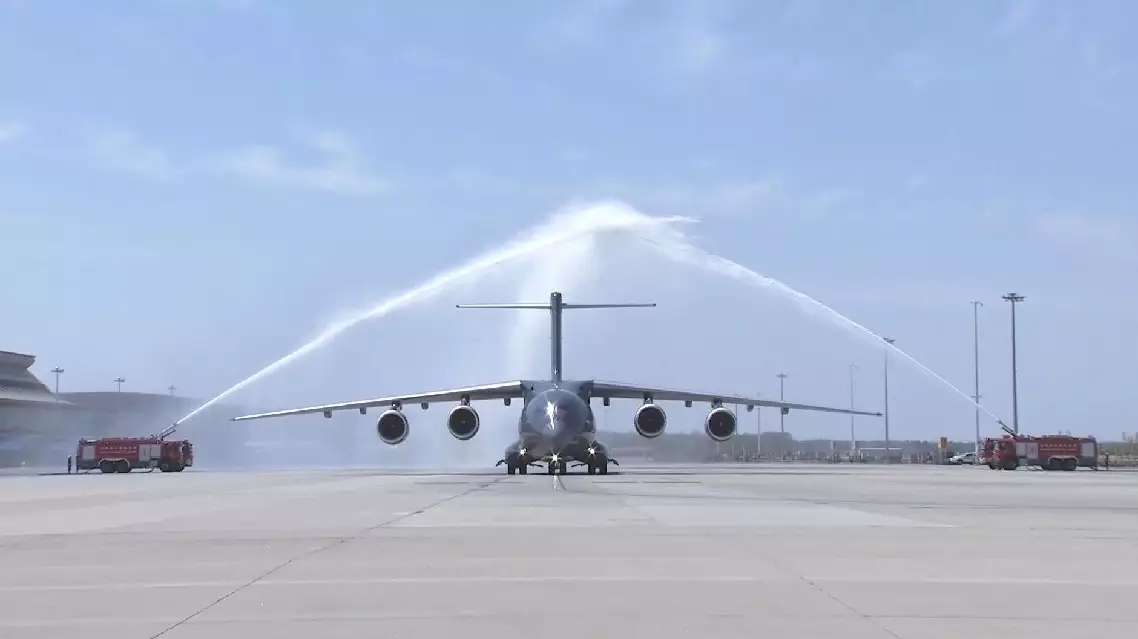
Remains of 12 Chinese martyrs in Korean War returned to homeland from South Korea
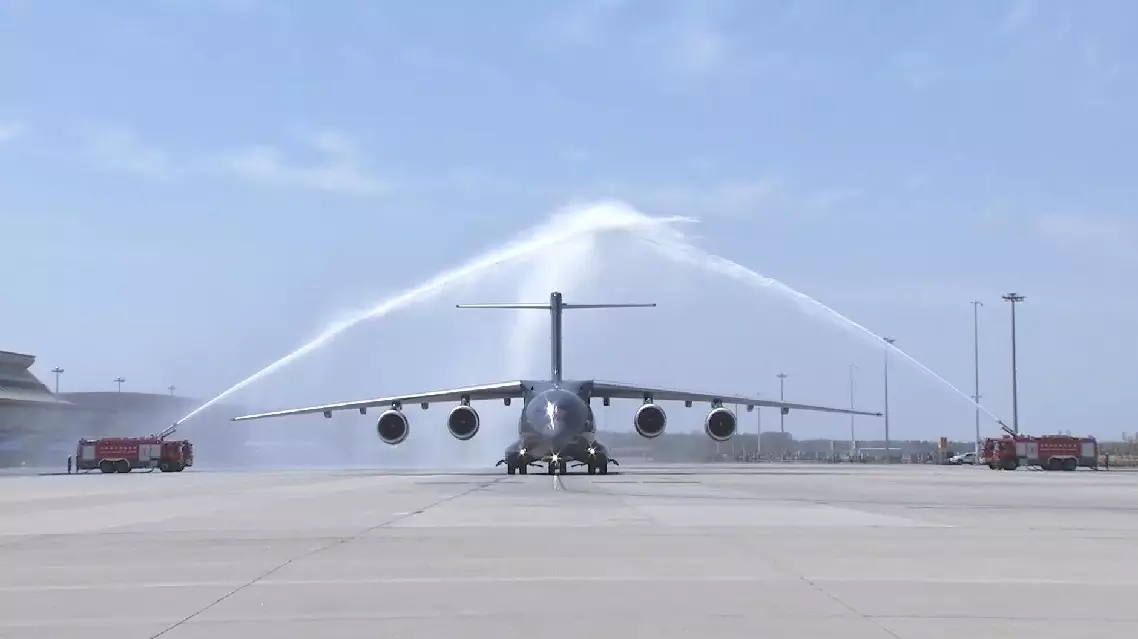
Remains of 12 Chinese martyrs in Korean War returned to homeland from South Korea
Japan's House of Representatives approved a bill to establish a national intelligence committee on Thursday, prompting widespread public questions and concerns. In March, the Japanese government approved a resolution to submit the relevant bill to the Diet, proposing a new intelligence mechanism centered on a national intelligence council with the national intelligence committee serving as its executive body.
According to the bill, the new committee will be tasked with coordinating "important intelligence activities" in areas such as national security and counter-terrorism, as well as "overseas intelligence activities" involving foreign espionage.
The bill also states that the committee's secretariat will "comprehensively coordinate" intelligence work across government ministries and agencies, with the authority to request that they share information.
The bill now moves to the upper house for review.
The bill and a series of reckless moves by the Takaichi administration have fueled deep public concern. Protesters gathered to voice their opposition to the legislation before its passage.
"Right now, the Takaichi administration is trying to drag Japan into war, through actions like promoting weapons imports and exports, provoking China, and failing to offer the apologies it should have made afterward. Against this backdrop, opposition voices are actually quite strong, but these remarks will be regulated. Once such a bill passes, not even opposing voices will be able to speak out. This is something I do not want to see," said a protester.
These grave concerns were widely echoed by other rally attendees, who said they cannot accept a string of radical moves by the Japanese government and the Takaichi administration, including the lifting of the ban on lethal weapons exports and the relentless push to amend Japan's pacifist constitution.
"Takaichi is forcing all of these moves through. Promoting this bill and lifting the ban on arms exports mean heading towards war," said another rally participant.
"I believe amending the Constitution is completely unacceptable. The Constitution is not something that members of the National Diet can revise on a whim, and it should never be revised in the first place," said another protester.
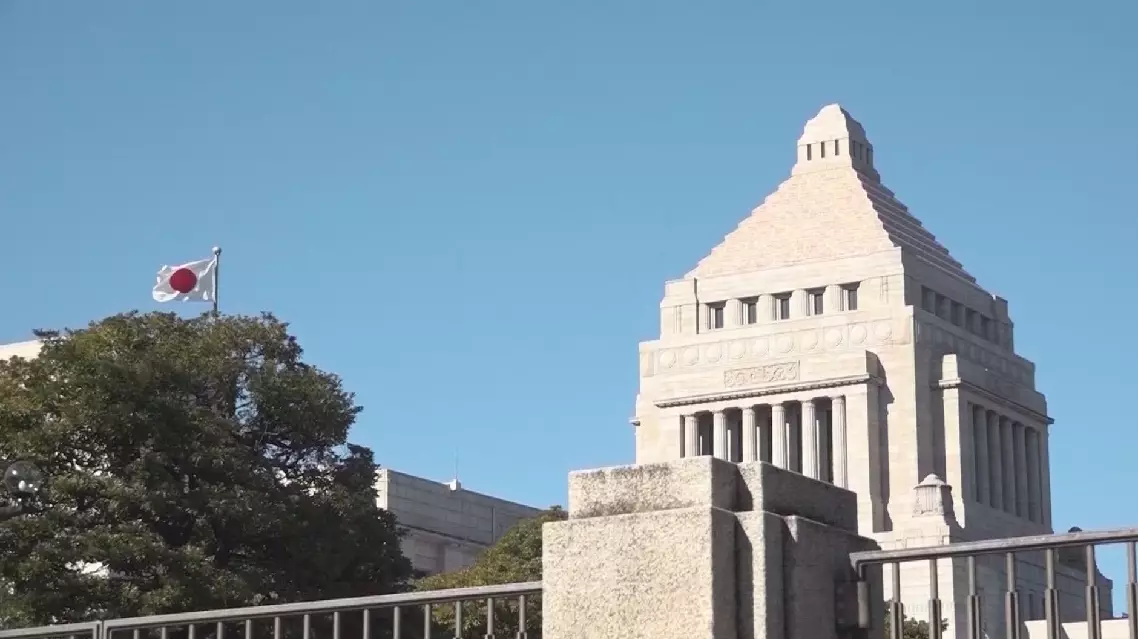
Japanese lower house approves bill to establish national intelligence committee, sparking protests