Skip to Content Facebook Feature Image

Johnson & Johnson Announces CE Mark Approval for the New ETHICON™ 4000 Stapler

Business

Johnson & Johnson Announces CE Mark Approval for the New ETHICON™ 4000 Stapler
Business

Business

Johnson & Johnson Announces CE Mark Approval for the New ETHICON™ 4000 Stapler

2026-04-22 16:00 Last Updated At:16:21

NEW BRUNSWICK, N.J.--(BUSINESS WIRE)--Apr 22, 2026--

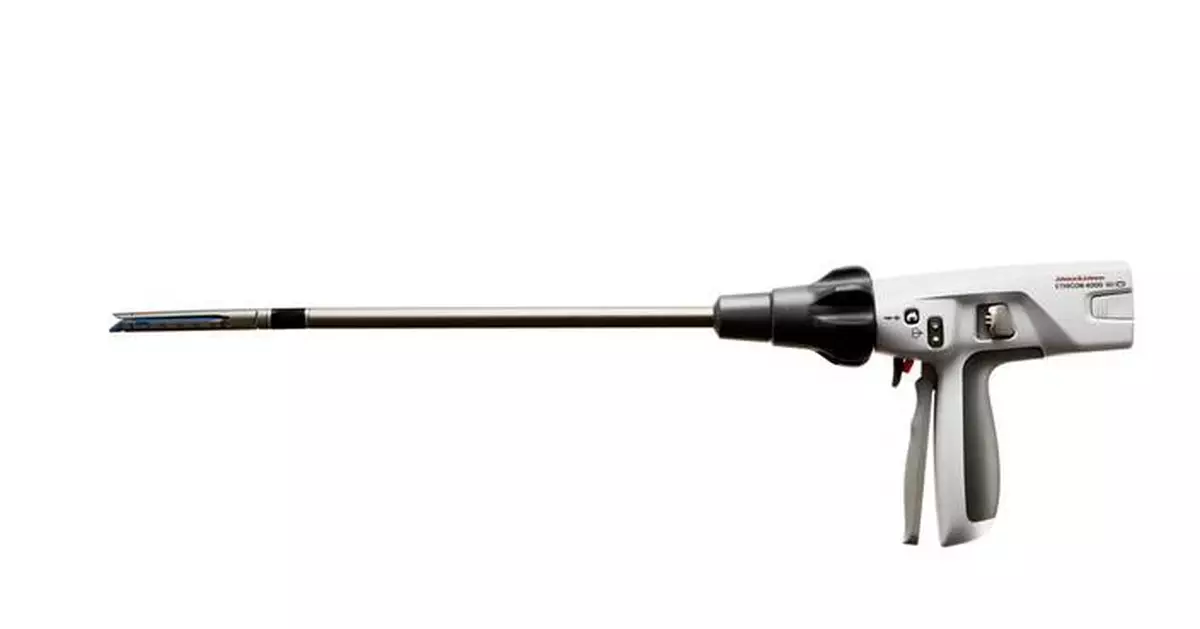
Johnson & Johnson today announced that it has received European CE Mark approval for its new ETHICON™ 4000 Stapler, an advanced surgical stapler designed to deliver reliable staple line integrity across a wide range of tissue thickness. 1*

This press release features multimedia. View the full release here: https://www.businesswire.com/news/home/20260422430835/en/

With proprietary 3D Stapling Technology, a redesigned end-effector and streamlined reload options, the ETHICON™ 4000 and ETHICON™ 3D Reloads are certified for use in open and laparoscopic surgery across the European Union. The new advanced stapling technology and reloads are also planned for future use on the OTTAVA™ Robotic Surgical System.

“Surgical complications, including leaks and bleeding events, can impact surgical outcomes, causing distress to both patients and surgeons, and are associated with significant cost implications,” said François Gaudemet, President, Surgery EMEA, MedTech, Johnson & Johnson. “We are building on a long legacy of supporting surgeons and driving innovation for consistent and reliable experiences across open, minimally invasive and robotic surgery.”

Addressing surgical complications across specialties

Thick, fragile and inconsistent tissue present complex variables that can compromise staple line integrity and consequently, patient outcomes. As a result, surgeons are routinely intervening to mitigate complications, with one study finding that bariatric surgeons reinforced the staple line through oversew, buttress or a combination of both, in 77% of laparoscopic sleeve gastrectomy cases. 3

As well as affecting patient outcomes, complications such as leaks or bleeding events can be costly. In the UK, for example, prolonged air leaks were found to occur in 27% of patients undergoing thoracic surgery, at an average additional 90-days postoperative cost of €5,200 per patient. 4 Another Swiss study found that bleeding events affected 8% of thoracic surgery cases, at an average additional cost of over €26,000. 5

Surgical stapling technology backed by real-world evidence

Since 2017, the use of Johnson & Johnson's Surgical Stapling devices has been associated with improved clinical and economic outcomes — across tissue types, patient populations and countries — in bariatric, thoracic and colorectal procedures. 6,7,8,9

The OTTAVA™ Robotic Surgical System is under development and is not authorized to be marketed or sold in any market. CE marking pending.

About Surgical Solutions from Johnson & Johnson MedTech

Across Johnson & Johnson, we are tackling the world’s most complex and pervasive health challenges. For over 100 years, we have helped advance surgical care through our innovative portfolio across wound closure, adjunctive hemostats, surgical stapling and instruments, robotics and digital solutions. Together, with clinicians and healthcare experts around the world we are progressing what’s next in surgery to better solve patient needs in metabolic and cardiovascular disease, cancer, and aesthetics and reconstruction.

About Johnson & Johnson

At Johnson & Johnson, we believe health is everything. Our strength in healthcare innovation empowers us to build a world where complex diseases are prevented, treated, and cured, where treatments are smarter and less invasive, and solutions are personal. Through our expertise in Innovative Medicine and MedTech, we are uniquely positioned to innovate across the full spectrum of healthcare solutions today to deliver the breakthroughs of tomorrow, and profoundly impact health for humanity. Learn more about our MedTech sector’s global scale and deep expertise in cardiovascular, orthopaedics, surgery and vision solutions at jnjmedtech.com. Follow us at @JNJMedTech and on LinkedIn. Ethicon, Inc. is a Johnson & Johnson company.

Cautions Concerning Forward-Looking Statements

This press release contains “forward-looking statements” as defined in the Private Securities Litigation Reform Act of 1995 regarding the ETHICON™ 4000 Stapler. The reader is cautioned not to rely on these forward-looking statements. These statements are based on current expectations of future events. If underlying assumptions prove inaccurate or known or unknown risks or uncertainties materialize, actual results could vary materially from the expectations and projections of Johnson & Johnson. Risks and uncertainties include, but are not limited to: competition, including technological advances, new products and patents attained by competitors; uncertainty of commercial success for new products; the ability of the company to successfully execute strategic plans; impact of business combinations and divestitures; challenges to patents; changes in behavior and spending patterns or financial distress of purchasers of health care products and services; and global health care reforms and trends toward health care cost containment. A further list and descriptions of these risks, uncertainties and other factors can be found in Johnson & Johnson’s most recent Annual Report on Form 10-K, including in the sections captioned “Cautionary Note Regarding Forward-Looking Statements” and “Item 1A. Risk Factors,” and in Johnson & Johnson’s subsequent Quarterly Reports on Form 10-Q and other filings with the Securities and Exchange Commission. Copies of these filings are available online at www.sec.gov, www.jnj.com, www.investor.jnj.com or on request from Johnson & Johnson. Johnson & Johnson does not undertake to update any forward-looking statement as a result of new information or future events or developments.

Important Information: Please refer to the latest Instructions for Use and/or Package Insert provided by the manufacturer of the device for the details such as indications, contraindications, side effects, warnings, and precautions.

© Johnson & Johnson and its affiliates 2026. EM_SRG_STAP_414135

References
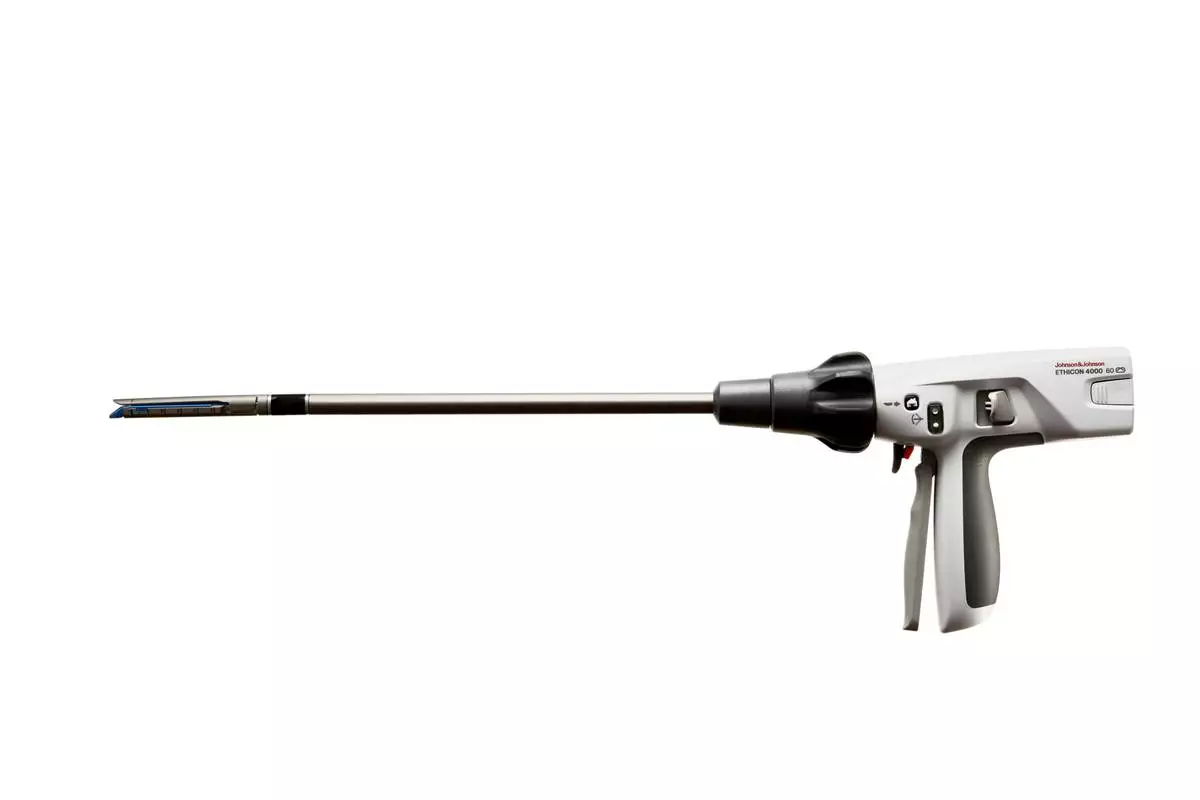
 

ETHICON™ 4000 Stapler
ETHICON™ 4000 Stapler

ISTANBUL (AP) — Sadri Haghshenas spends her days selling borek — a layered, savory pastry — at a shop in Istanbul, but her mind is on her daughter in Tehran.

The family had to send her home to Iran after they ran into difficulties renewing her visa, despite fears that a shaky ceasefire could soon collapse.

For years, short-term residency permits have allowed tens of thousands of Iranians to pursue economic opportunities and enjoy relative stability in neighboring Turkey. But it's a precarious situation, and the war has raised the stakes.

“I swear, I cry every day,” Haghshenas said, raising her hands from behind the counter of the pastry shop. “There is no life in my country, there is no life here, what shall I do?”

Haghshenas and her husband moved to Turkey five years ago with their then-teenage daughters and have been living on tourist visas renewable every six months to two years.

They could not afford a lawyer this year, because her husband is out of work due to health problems. As a result, they missed the deadline to apply for a new visa for their 20-year-old daughter, Asal, who is still in her final year of high school.

Asal was detained at a checkpoint earlier this month and spent a night at an immigration facility. Her mother found a friend to take her back to Tehran rather than face deportation proceedings that could complicate her ability to return to Turkey. They hope she can come back on a student visa.

Haghshenas has been unable to talk to her daughter since she left because of a monthslong internet blackout in Iran.

Turkey has not seen an influx of refugees, as most Iranians have sought safety within their country. Many who have crossed the land border were transiting to other countries where they have citizenship or residency.

Nearly 100,000 Iranians lived in Turkey in 2025, according to the Turkish Statistical Institute. Around 89,000 have entered Turkey since the start of the war, while around 72,000 have departed, according to the United Nations' refugee agency.

Some Iranians have used short-term visa-free stays to wait out the war, but there are few options for those who want to stay longer.

Sedat Albayrak, of the Istanbul Bar Association’s Refugee and Migrant Rights Center, said that getting international protection status can be difficult, and the system encourages Iranians to apply for short-term permits instead.

“There are people who have lived on them for over 10 years," he said.

Nadr Rahim came to Turkey for his children’s education 11 years ago. Now, the war may force him to go home.

Because of the difficulty of getting a permit to start a business or work legally in Turkey, he lived off the profits of his motorcycle salesroom in Iran. But there have been no sales since the war started, and international sanctions — and the internet outage — make it extremely difficult to transfer funds.

His family only has enough money to stay in Turkey a few more months. His children grew up in Turkey and don't read Farsi or speak it fluently. He worries about how they would adapt to living in Iran, but said “if the war continues, we will have no choice but to return.”

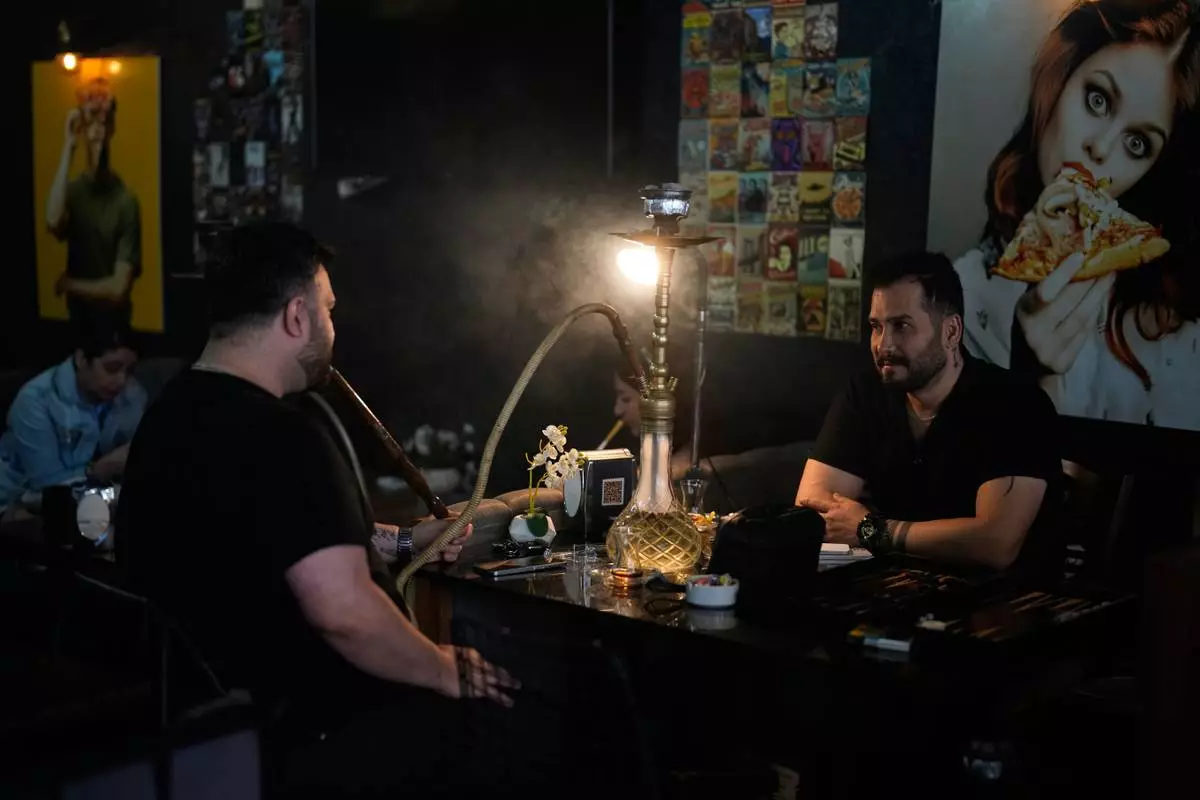
In the meantime, he spends most of his days scrolling on his phone, waiting for news from his parents in Tehran or discussing the war over waterpipes with Iranian friends.

A 42-year-old Iranian woman came to Turkey eight months ago, hoping to make money to support her family. She and her daughter registered as university students to get study visas. She attends classes in the morning to keep her legal status before rushing to service jobs, sometimes working until 3 a.m.

They share a room with six other people at a women's boarding house, she said, speaking on condition of anonymity out of fear for her security should she return to Iran.

“I truly love Iran. If necessary, I would even go and defend it in war,” she says. But she sees no future there, while in Turkey, she’s barely scraping by and only able to send small amounts of money to her parents.

“I have a bad life in Turkey, and my parents have a bad life in Iran,” she said. “I came to Turkey with so much hope, to support my parents and build a future. But now I feel hopeless.”

A 33-year-old freelance architect from Tehran traveled to Turkey during Iran's violent crackdown on mass protests in January. She had planned to return after the situation calmed down, but then the United States and Israel went to war with Iran at the end of February.

“I started to believe that it’s a very bad situation, worse than I expected,” she said, speaking on condition of anonymity for fear of persecution if she returns to Iran.

She has been unable to work for her usual clients back in Iran because of the internet blackout. With the end of her 90-day visa-free window approaching, she can't afford to apply for a longer stay in Turkey.

Instead, she has decided to go to Malaysia, where she will get free accommodation in return for building shelters during a month of visa-free stay.

She has no plan for what comes next.

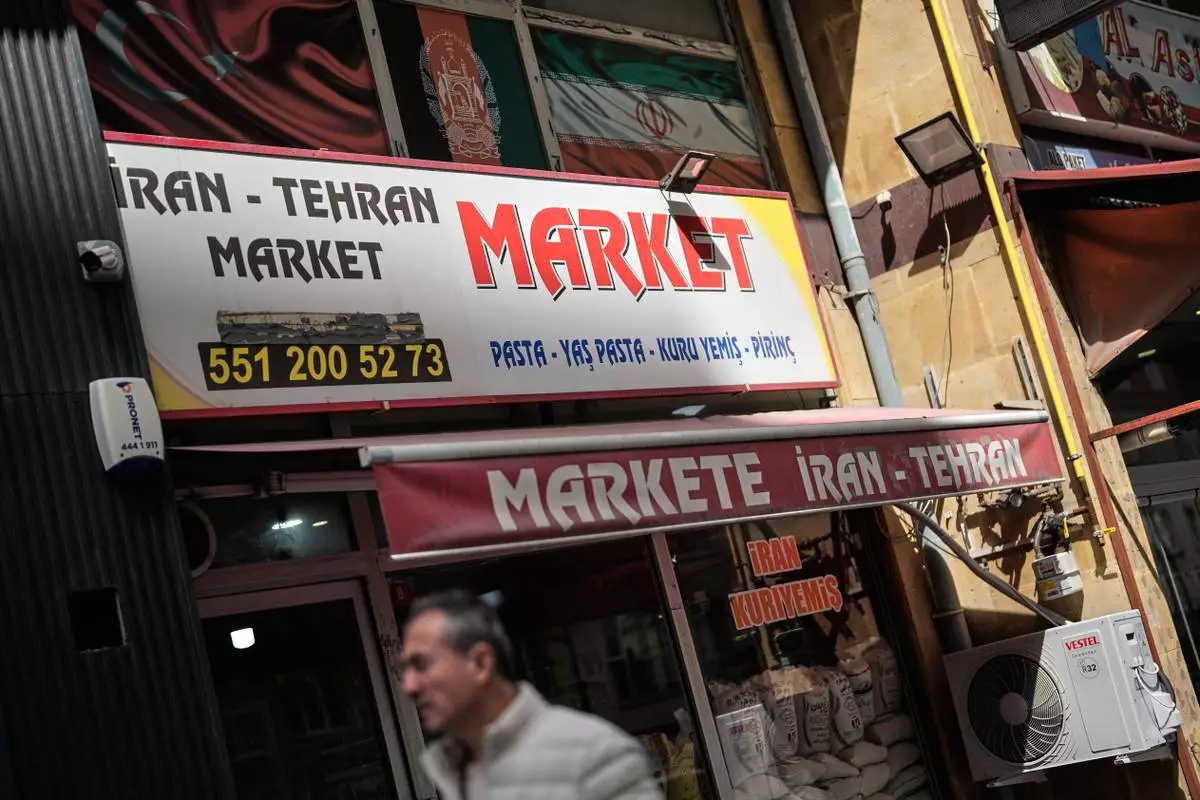
A man walks past an Iranian grocery shop in Istanbul on Tuesday, April 14, 2026. (AP Photo/Khalil Hamra)

A man walks past an Iranian grocery shop in Istanbul on Tuesday, April 14, 2026. (AP Photo/Khalil Hamra)

Nadr Rahim, right, sits with a friend at an Iranian coffee shop in Istanbul on Tuesday, April 14, 2026. (AP Photo/Khalil Hamra)

Nadr Rahim, right, sits with a friend at an Iranian coffee shop in Istanbul on Tuesday, April 14, 2026. (AP Photo/Khalil Hamra)

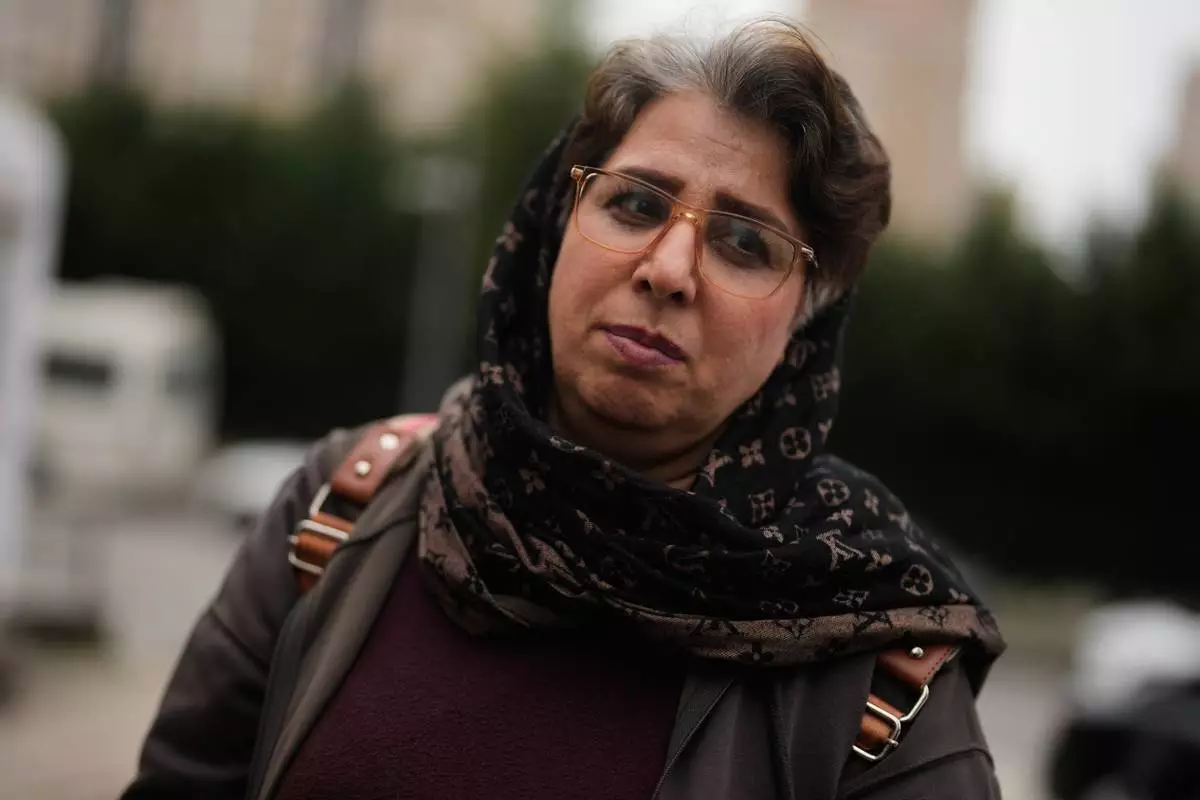
Sadri Haghshenas, a 47-year-old Iranian woman who works at a borek shop, walks in Istanbul on Tuesday, April 14, 2026. (AP Photo/Khalil Hamra)

Sadri Haghshenas, a 47-year-old Iranian woman who works at a borek shop, walks in Istanbul on Tuesday, April 14, 2026. (AP Photo/Khalil Hamra)

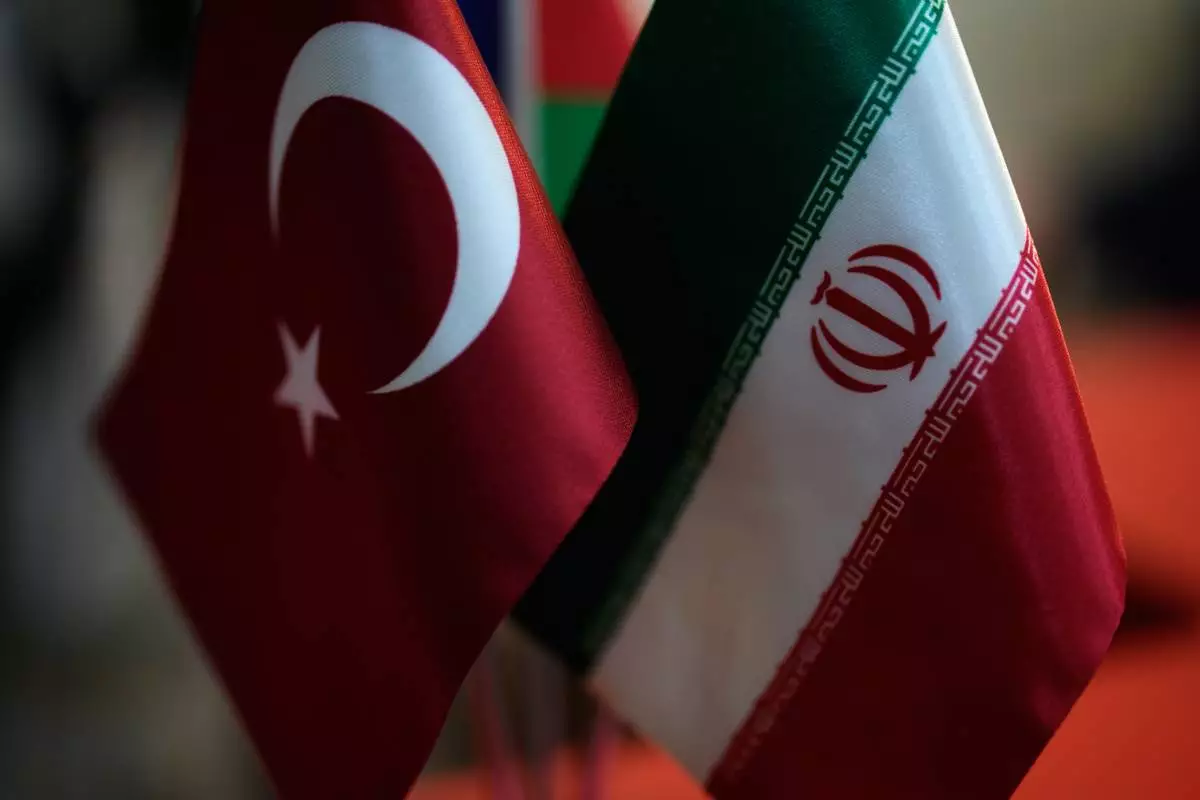
Turkish and Iranian flags are seen in an Iranian currency exchange business in the Aksaray district of Istanbul on Monday, April 13, 2026. (AP Photo/Khalil Hamra)

Turkish and Iranian flags are seen in an Iranian currency exchange business in the Aksaray district of Istanbul on Monday, April 13, 2026. (AP Photo/Khalil Hamra)

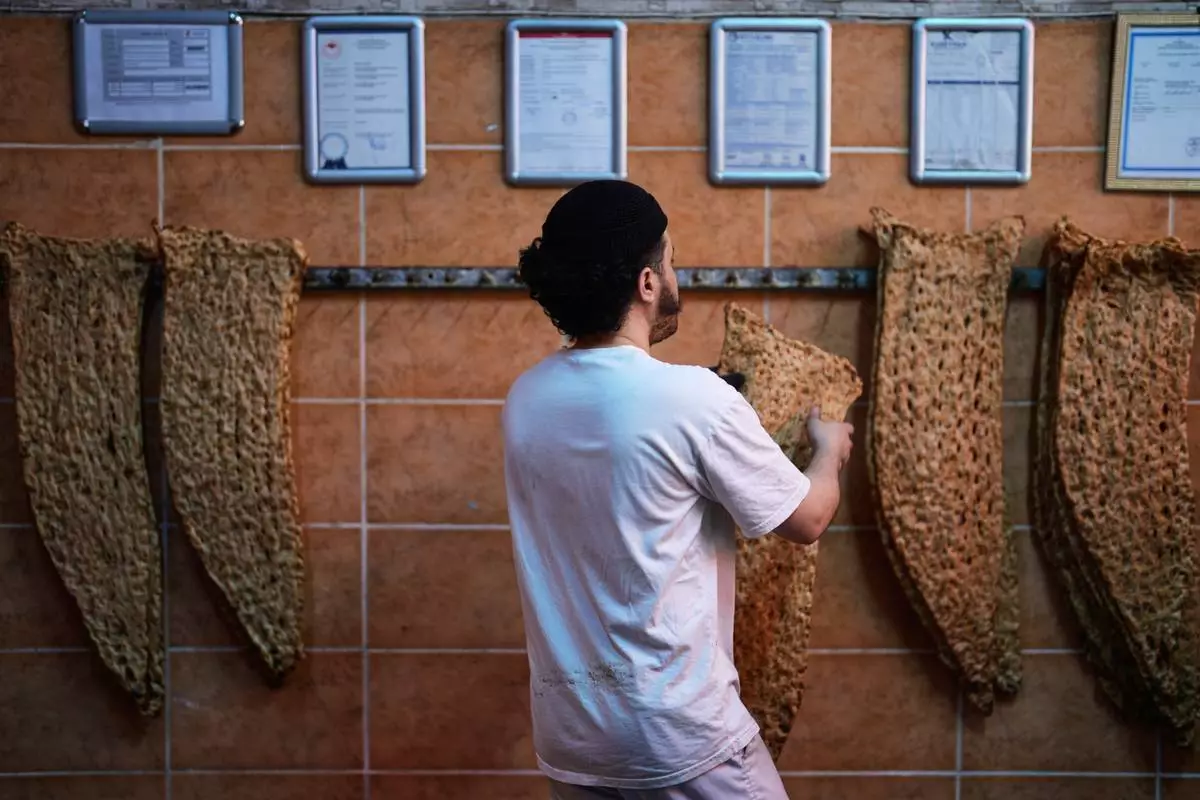
A baker hangs bread in an Iranian bakery in Istanbul on Tuesday, April 14, 2026. (AP Photo/Khalil Hamra)

A baker hangs bread in an Iranian bakery in Istanbul on Tuesday, April 14, 2026. (AP Photo/Khalil Hamra)

Recommended Articles