PARIS (AP) — French-Algerian author Kamel Daoud said Wednesday that he has been sentenced to three years in prison in Algeria for his book “Houris,” a recipient of France’s most prestigious literary award.
The writer, who lives in France, announced on X that the verdict was delivered on Tuesday. He said that he was also fined 5 million Algerian dinars ($38,000).
“Houris” (Virgins, in English) focuses of the victims of what Algerians call the “black decade,” when tens of thousands of people were killed as the army fought an Islamist insurgency. The conflict erupted in 1991 after Islamists won a first round of legislative elections, prompting the military-backed government to cancel the second round of voting.
It was awarded the Goncourt Prize, France's top literary award, in 2024.
Daoud said that he was convicted under what is known as the Charter for Peace and National Reconciliation, a text adopted by referendum in 2005 that offered widespread pardons to both armed Islamists and security forces.
“The text punishes any public mention of the civil war,” Daoud said. “Ten years of war, nearly 200,000 dead according to estimates, thousands of terrorists granted amnesty … and only one guilty party: a writer.”
In addition to the legal action brought by the court in the Algerian city of Oran, Daoud is the target of two international arrest warrants issued by Algeria in May 2025 and is also under threat of being stripped of his Algerian nationality.
Another French-Algerian writer, Boualem Sansal, has faced similar problems.
The author — whose works have been critical of Islam, colonialism and contemporary Algerian leaders — was convicted of undermining national unity and insulting public institutions and was sentenced to five years in prison under Algeria’s anti-terrorism laws.
He was granted a humanitarian pardon in Algeria after an appeal by Germany's president, and returned to France last year after serving a year in prison.
Daoud's book “Houris” tells the story of Aube, a young girl who miraculously survives a nighttime terrorist attack in her village of Had Chekala in western Algeria, despite having her throat slit. Following the novel’s publication, an Algerian woman, Saâda Arbane, accused Daoud of “stealing” her story and using it as the basis for his book.
Arbane previously had been treated by Aicha Dahdouh, Daoud’s wife, a psychiatrist at Oran University Hospital and a specialist in trauma linked to violence during the civil war.
“Kamel Daoud and his wife asked for my permission to use my story, and I refused every time,” she said during several appearances on Algerian television, adding that it constituted “an invasion of her privacy.”
A collective of lawyers was subsequently formed in solidarity to defend Arbane, invoking provisions of the Charter for Peace and National Reconciliation, which prohibits even the mere mention of this painful period in Algeria’s history.

FILE - Algerian-French novelist Kamel Daoud holds his book Houris after being awarded with the Goncourt, France's most prestigious literary prize, Monday, Nov. 4, 2024 in Paris. (AP Photo/Aurelien Morissard, File)
MIAMI (AP) — Isaias strengthened into a Category 2 hurricane as it barreled toward the U.S. Gulf Coast on Thursday, prompting orders for tourists to abandon beaches for safer spots inland, sending locals scurrying for gas and groceries and leading fishing crews to secure their boats before the potentially destructive storm’s arrival.
The first hurricane of the Atlantic season was forecast to intensify rapidly and cause dangerous conditions in the Florida Panhandle, southern Alabama and southern Mississippi when it makes landfall late Friday or early Saturday. Heavy rain and flooding were possible into the weekend as far north as Tennessee and North Carolina.
“We are expecting Isaias to be a dangerous hurricane when it makes landfall,” said Michael Brennan, director of the National Hurricane Center in Miami.
He added: “Today is the day to prepare and get ready and be in your safe place by tomorrow as conditions will rapidly deteriorate along the northern Gulf Coast as Isaias approaches.”
Isaias had maximum sustained winds of 100 mph (155 kph), according to the hurricane center, surpassing the 96 mph (154 kph) threshold for a Category 2 storm.
Isaias was headed northeast at 12 mph (19 kph) and was centered about 325 miles (525 kilometers) south of the mouth of the Mississippi River.
Coastal communities moved quickly to prepare, as Alabama Gov. Kay Ivey ordered non-residents to immediately evacuate Gulf Shores, Orange Beach and Dauphin Island. Videos on social media showed traffic at a standstill on a highway leading out of Gulf Shores, where double-red beach flags signaled water access was closed.
At least four Florida school districts canceled late-week classes, while several counties announced mandatory evacuations for some coastal areas. The governors of Florida and Alabama declared states of emergency for dozens of counties, with Florida's Ron DeSantis saying about 5,000 National Guard troops were expected to mobilize by Friday.
On Dauphin Island, a 15-mile (24-kilometer) barrier island off the Alabama coast, officials encouraged voluntary evacuations, particularly on its popular western section, which is vulnerable to storm surge.
Mayor Jeff Collier said he did not anticipate substantial damage, “but at the same time, these things are very fickle and a little jog here or there, or some last-minute increase in strength — we just have to be prepared for the worst.”
Water from the storm surge and high tide could reach heights of 5 to 7 feet (1.5 to 2 meters) in parts of Alabama and Mississippi, forecasters said. Isaias also could dump up to 15 inches (38 centimeters) of rain on coastal areas and spawn tornadoes overnight Friday into Saturday from Alabama to the Florida Panhandle and southwestern Georgia. The hurricane is expected to quickly weaken after coming ashore.
The National Weather Service told communities from Ocean Springs, Mississippi, to Gulf County, Florida, to prepare for the possibility of “long-duration power outages.”
Isaias developed more than four months into the Atlantic hurricane season and was one day short of tying a 121-year-old record for the area’s latest-forming hurricane. That record dates to 1905, when the year’s first Atlantic hurricane formed on Oct. 8.
The Atlantic hurricane season has been unusually quiet this year because of a strong El Niño, which disrupts storm formation over the Atlantic. Storm activity has been above average in the Pacific, where Tropical Storm Simon formed Wednesday off Mexico and was forecast to strengthen into a Category 4 hurricane. Farther north, Tropical Storm Rachel was expected to reach Baja California, Mexico, and Southern California this weekend.
Isaias is expected to strike a swath of coastline that’s familiar with major hurricanes.
One of the 20th century’s worst storms, Hurricane Camille, killed more than 250 people after hitting land near Waveland, Mississippi, in 1969. Hurricane Katrina in 2005 razed neighborhoods in Mississippi, flooded New Orleans and killed nearly 1,400 people. And Hurricane Michael leveled homes and buildings near Panama City, Florida, in 2018.
Ahead of the storm, oil and gas producers shut down a significant share of offshore production in the Gulf, which accounts for almost 15% of crude pumped annually in the U.S.
As of Thursday, about 63% of the oil production in the region had been temporarily halted, taking nearly 1.3 million barrels a day off the market, according to the Marine Minerals Administration. It said 121 of the Gulf’s 371 manned oil platforms had been evacuated.
With oil prices already high, the production cuts are steep enough to affect markets, though other Gulf hurricanes have caused larger disruptions, said Jim Burkhard, global head of crude oil market research for S&P Global Energy. More concerning, he said, is whether Isaias strikes as a powerful storm near refineries.
As it moves inland, Isaias might also disrupt Saturday’s college football showdown between rivals Georgia and Alabama, a game President Donald Trump planned to attend.
In Loxley, a small Alabama community where county officials urged voluntary evacuations, Nichole Eubanks and her husband prepared to ride out the storm on their farm, which is home to dozens of animals, including pigs, donkeys and about 20 rescued cats.
They planned to put contact information on the hooves of their goats, donkeys and pigs in case they got loose.
“It’s definitely scary, and you never really know where these storms are going to go and how bad it’s going to be until it gets there,” said Eubanks, 35.
In the Alabama fishing village of Bayou La Batre, Tony Rice and Lance Connor installed doors on their fishing boat Thursday to protect the vessel. The boat was one of many moored there, and Rice said they planned to move it to a less-crowded spot to decrease the chances of it bumping into others.
In Pensacola, Florida, officials said the airport will close to commercial flights Friday morning. Mayor D.C. Reeves urged residents to check on older adult neighbors and others who might need help.
“Obviously no need to panic at this point,” Reeves told a news conference. “This is really about preparation.”
Rico reported from Atlanta and Collins reported from Hartford, Connecticut. Also contributing were Associated Press reporters Kim Chandler in Montgomery, Alabama; Hallie Golden in Seattle; Kathy McCormack in Concord, New Hampshire; John Raby in Charleston, West Virginia; Laura Turbay in Little Rock, Arkansas; and Julie Walker in New York.
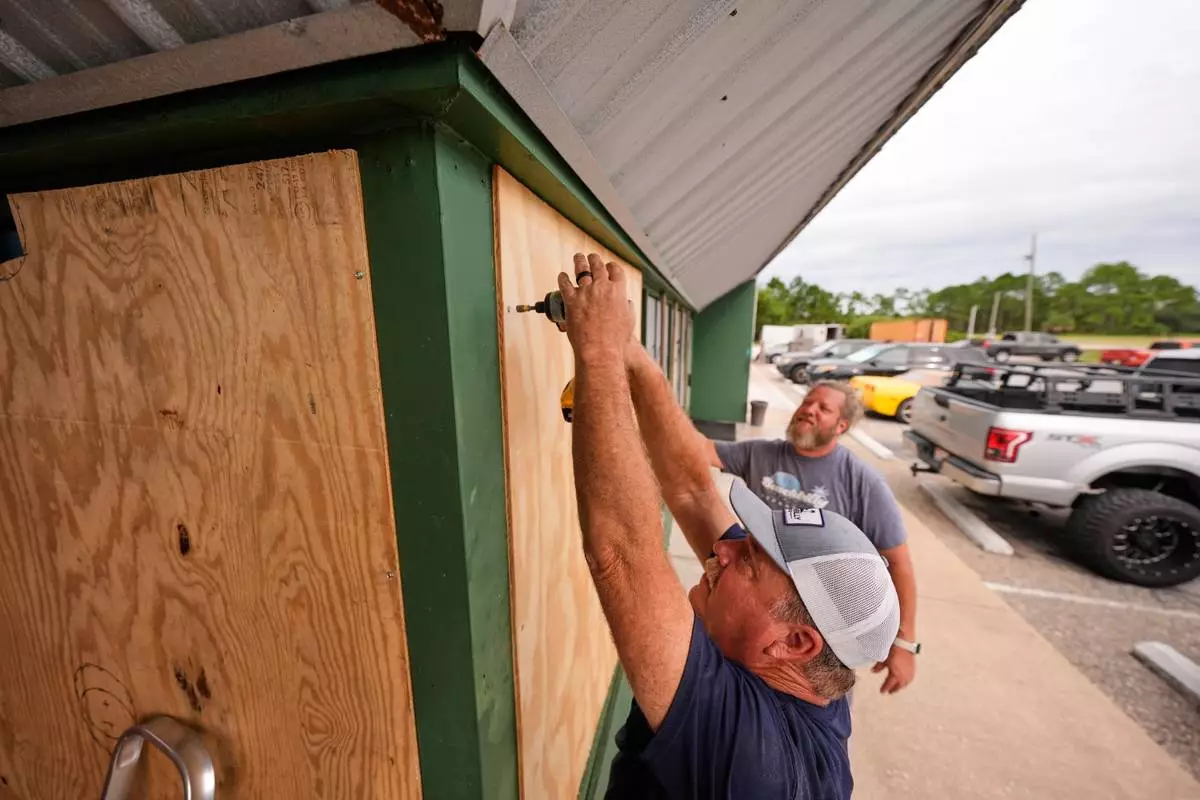
Mike Howard, foreground, and Joshua Brown board up Perdido Key Sports Bar as Hurricane Isaias approaches Perdido Key, Fla., Thursday, Oct. 8, 2026. (AP Photo/Gerald Herbert)
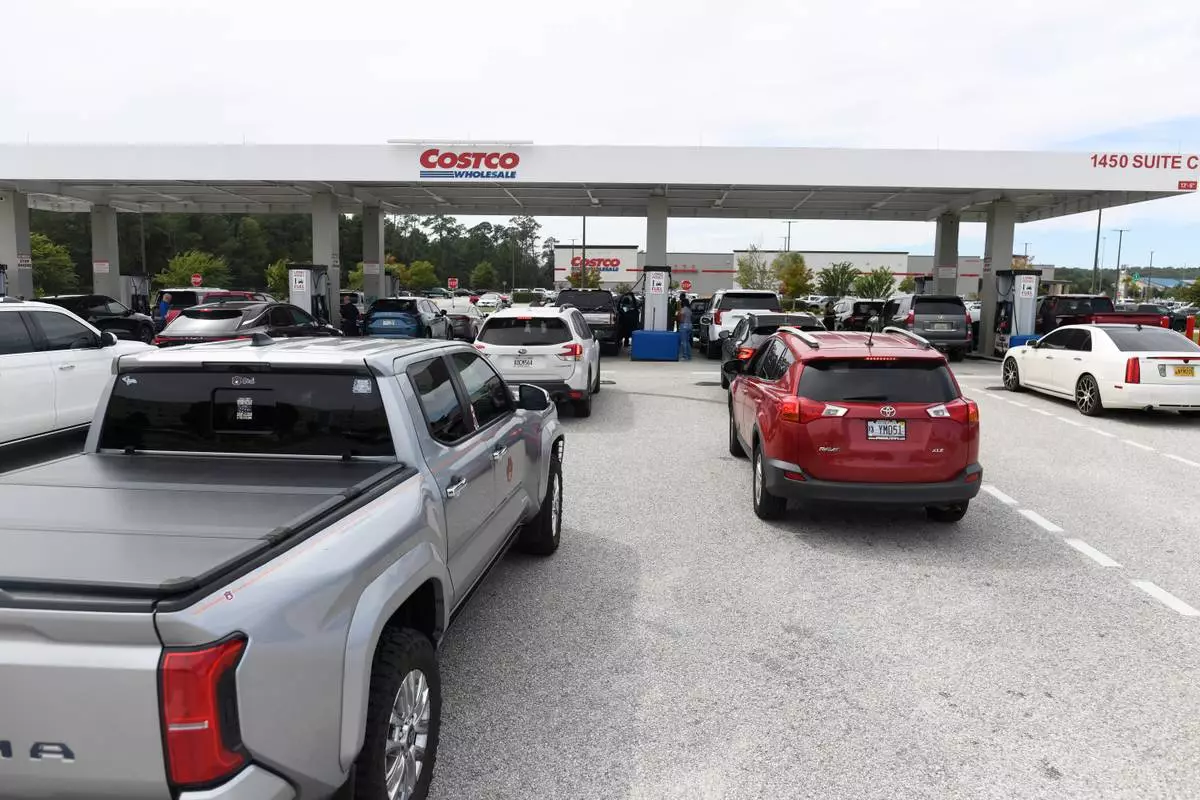
Residents line up to refuel at Costco Wholesale Gas Station ahead of Hurricane Isaias' expected landfall along the Gulf Coast in Mobile, Alabama, Thursday, Oct. 8, 2026. (AP Photo/Octavio Jones)
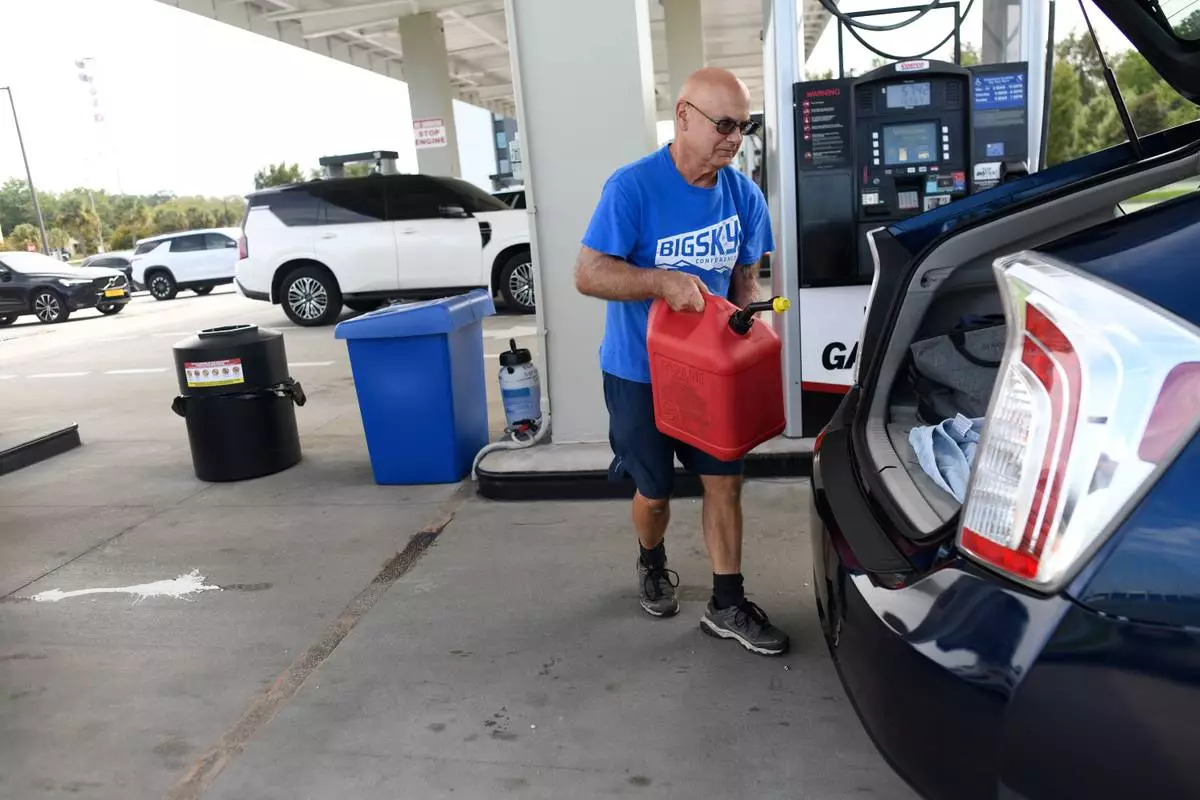
A resident walks to his vehicle after filling up a gas container at the Costco Wholesale Gas Station ahead of Hurricane Isaias' expected landfall along the Gulf Coast in Mobile, Alabama, Thursday, Oct. 8, 2026. (AP Photo/Octavio Jones)
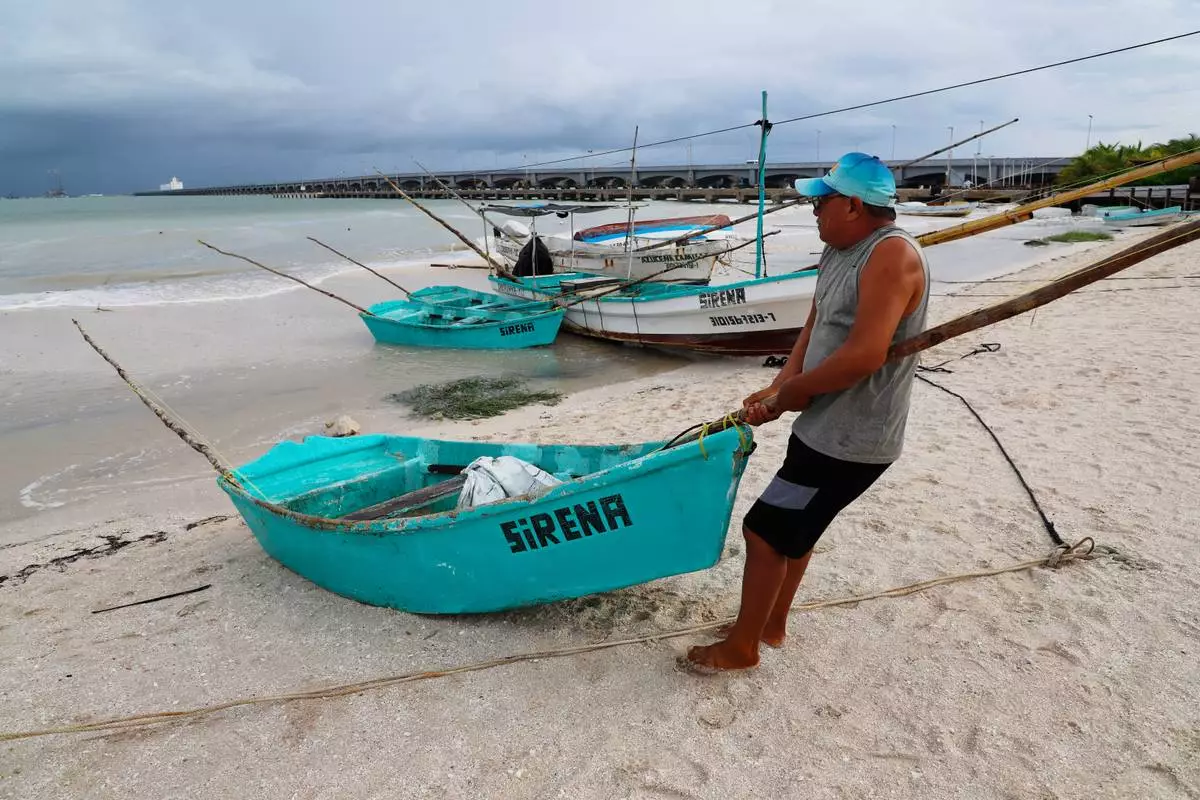
Gaspar Amalla pulls his boat out of the water as Hurricane Isaias passes through the Gulf of Mexico, north of Progreso, Yucatan state, Mexico, Thursday, Oct. 8, 2026. (AP Photo/Martin Zetina)
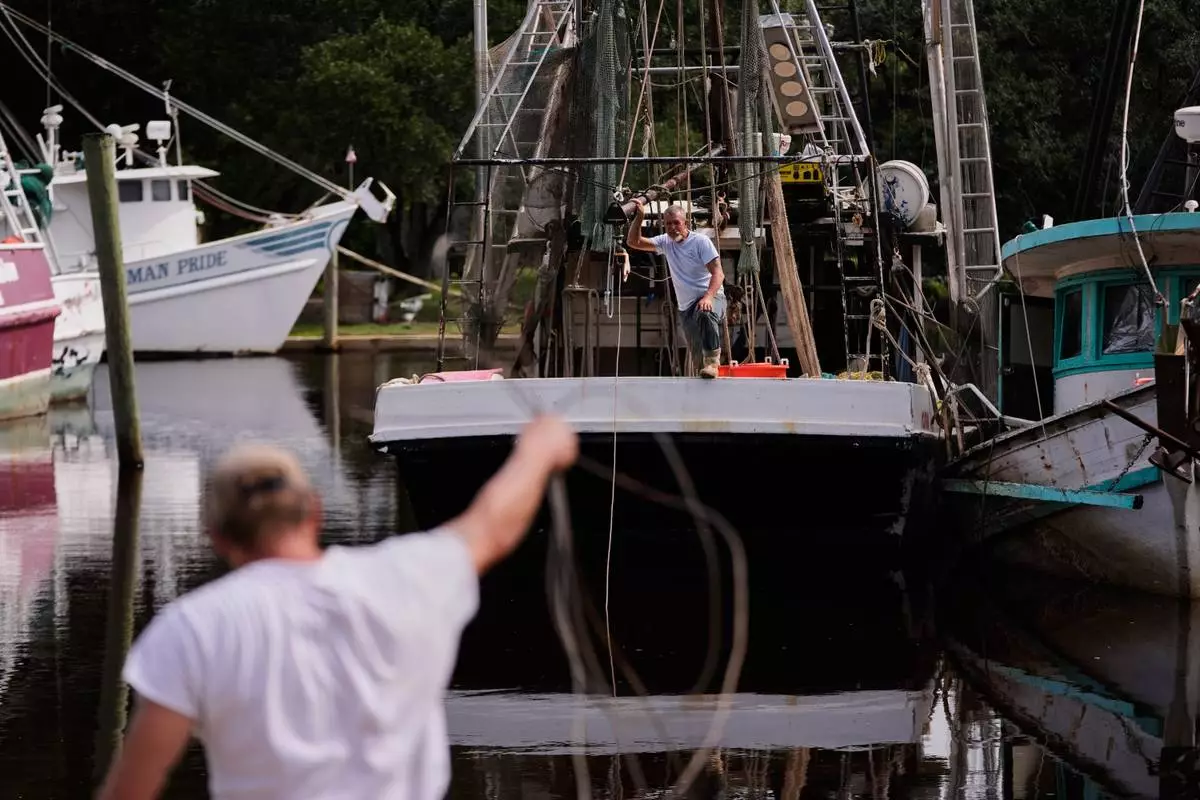
Boat owner Tony Rice, foreground, and his friend Lance Connor haul doors onto his boat to secure it as Hurricane Isaias approaches Bayou La Batre, Ala., Thursday, Oct. 8, 2026. (AP Photo/Gerald Herbert)
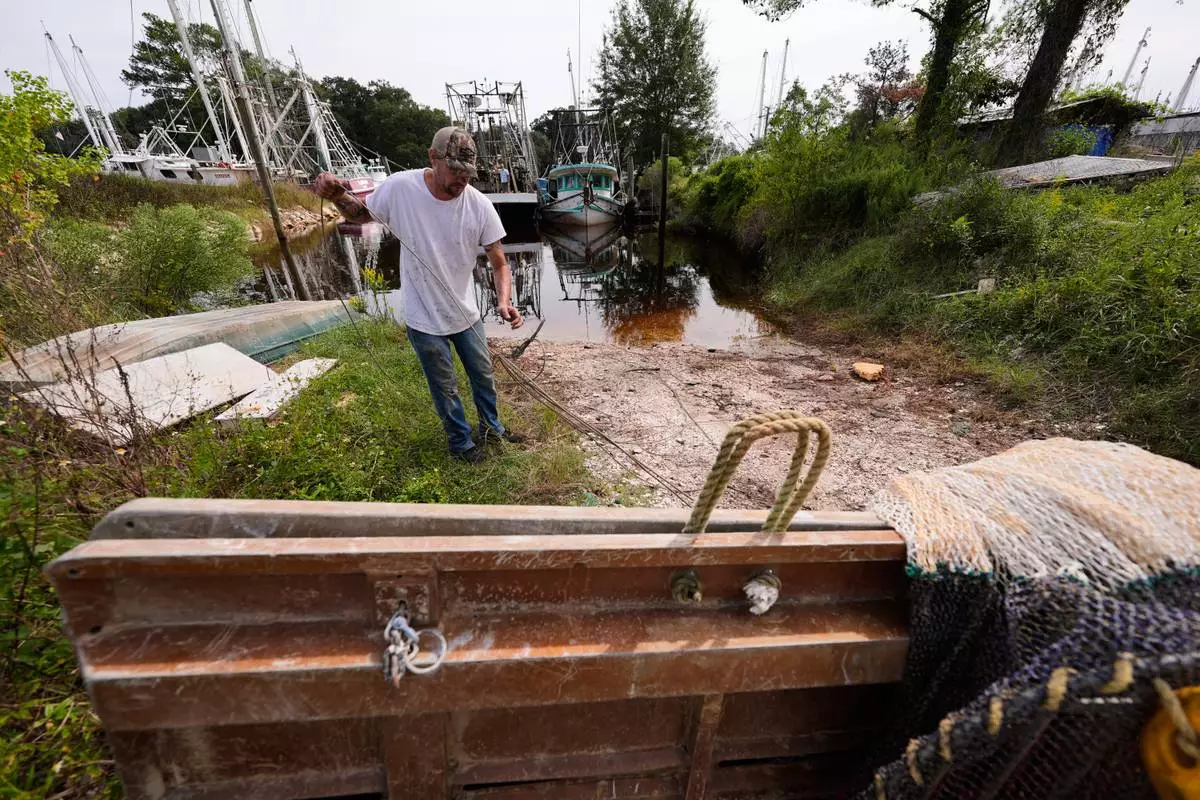
Boat owner Tony Rice prepares to haul doors onto his boat to secure it as Hurricane Isaias approaches Bayou La Batre, Ala., Thursday, Oct. 8, 2026. (AP Photo/Gerald Herbert)
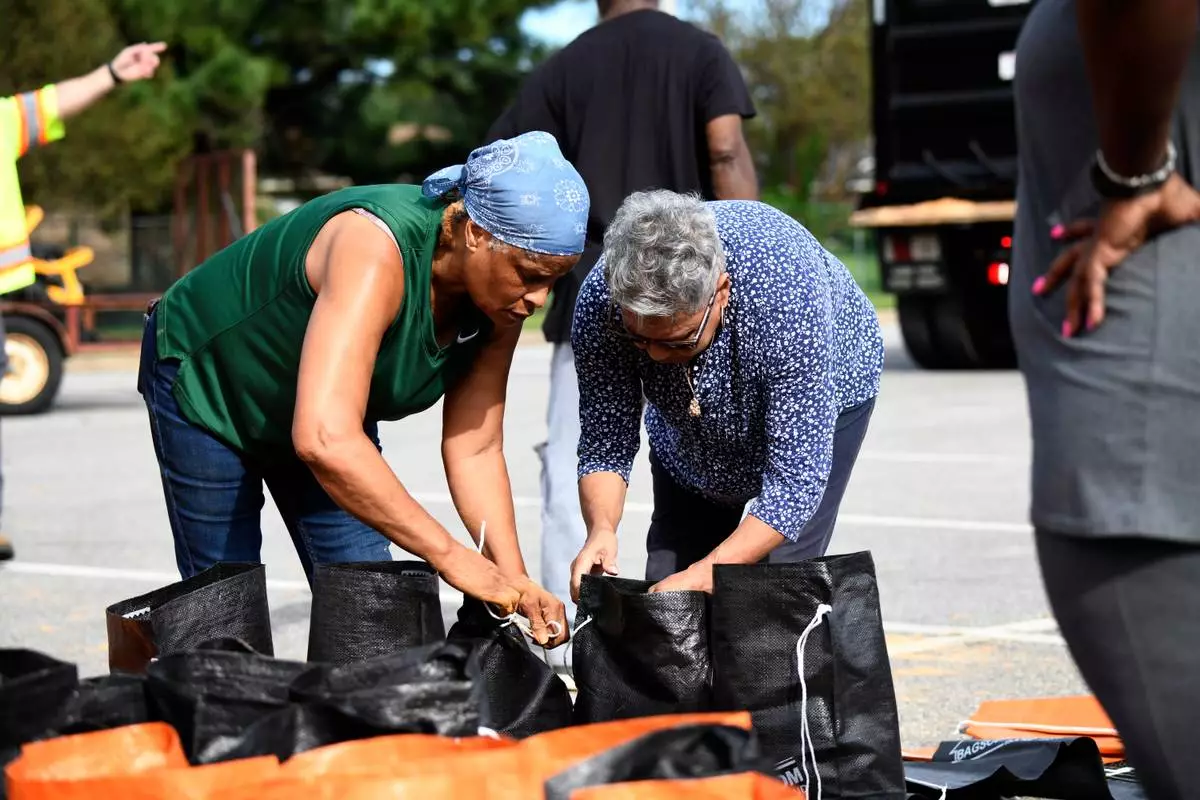
Residents pick up sandbags for storm preparation at the James Seals Jr. Parks & Recreation Center ahead of Hurricane Isaias' expected landfall along the Gulf Coast, Thursday, Oct. 8, 2026, in Mobile, Ala. (AP Photo/Octavio Jones)
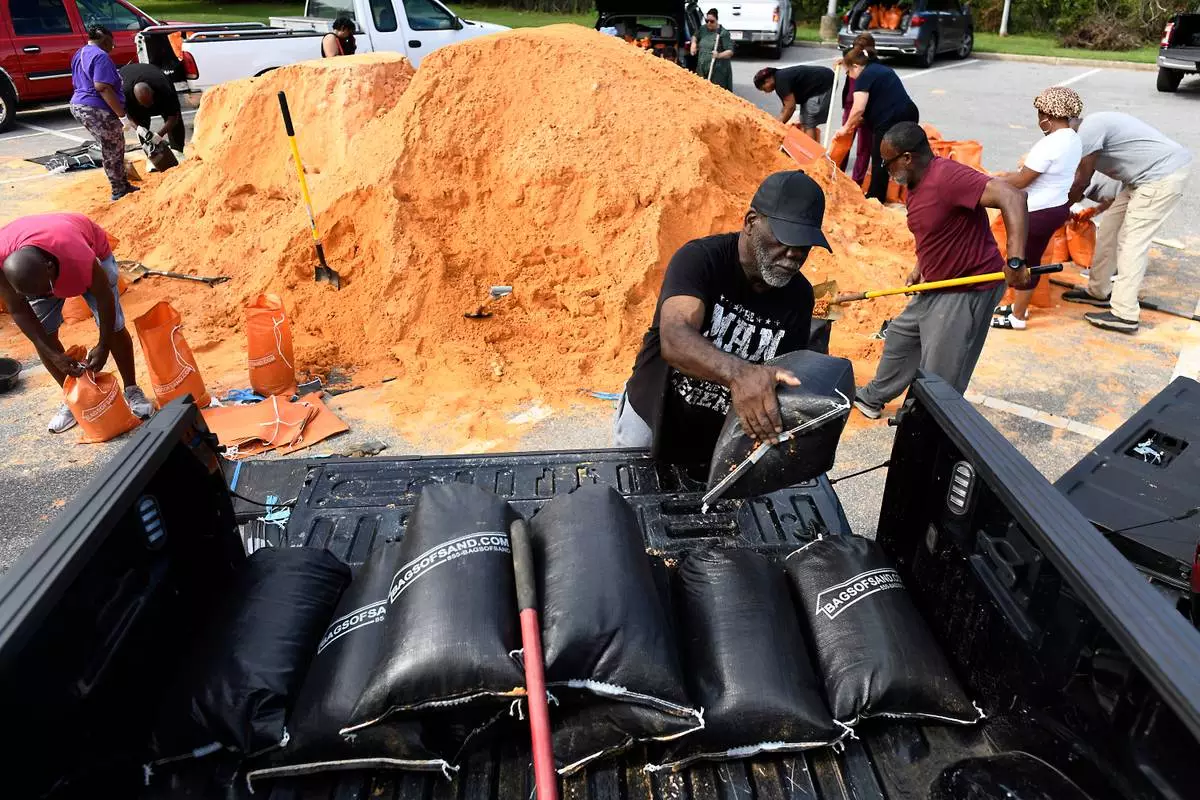
Residents pick up sandbags for storm preparation at the James Seals Jr. Parks & Recreation Center ahead of Hurricane Isaias' expected landfall along the Gulf Coast, Thursday, Oct. 8, 2026, in Mobile, Ala. (AP Photo/Octavio Jones)
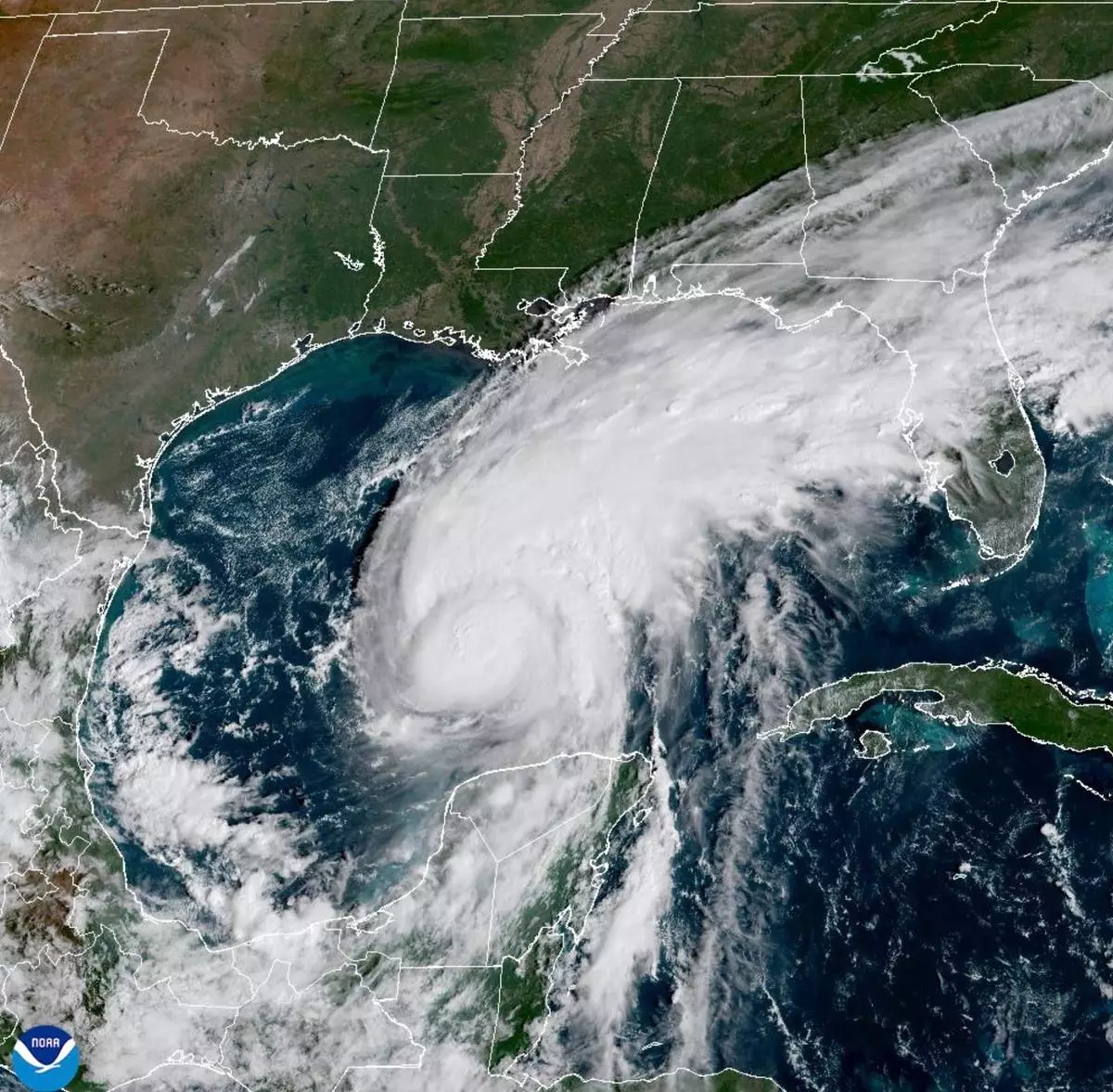
This satellite image from the National Oceanic and Atmospheric Administration shows Hurricane Isaias surging toward the U.S. Gulf Coast on Thursday, Oct. 8, 2026. (National Oceanic and Atmospheric Administration via AP)
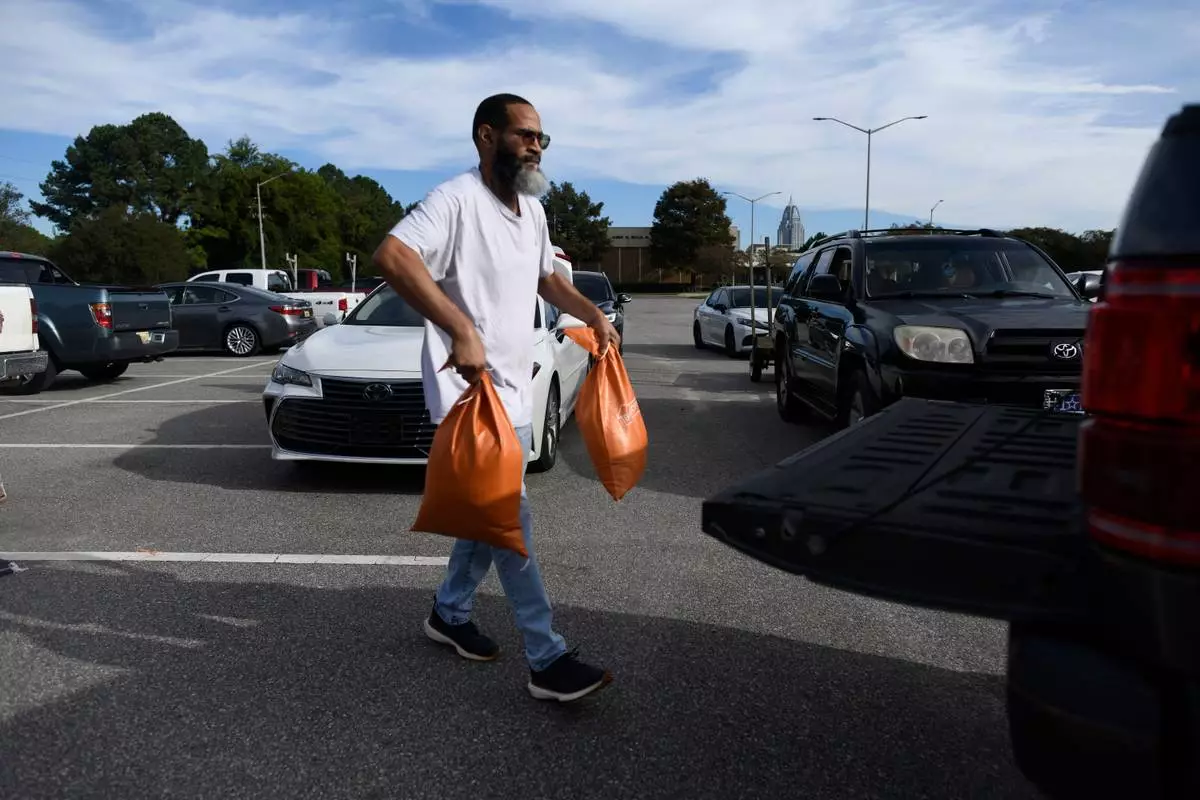
Residents pick up sandbags at the James Seals Jr. Parks & Recreation Center as they prepare for Hurricane Isaias expected landfall along the Gulf Coast, Thursday, Oct. 8, 2026, in Mobile, Ala. (AP Photo/Octavio Jones)
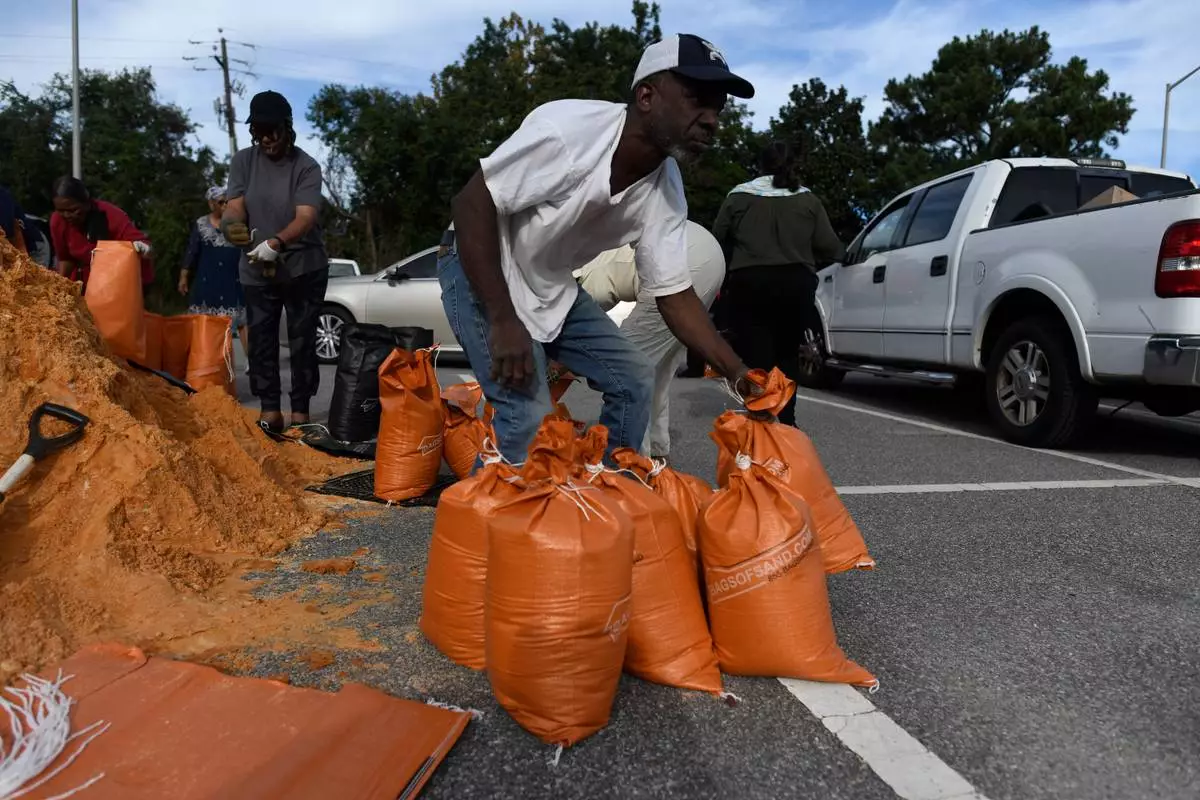
Residents pick up sandbags for storm preparation at the James Seals Jr. Parks & Recreation Center ahead of Hurricane Isaias, expected landfall along the Gulf Coast, Thursday, Oct. 8, 2026, in Mobile, Ala. (AP Photo/Octavio Jones)
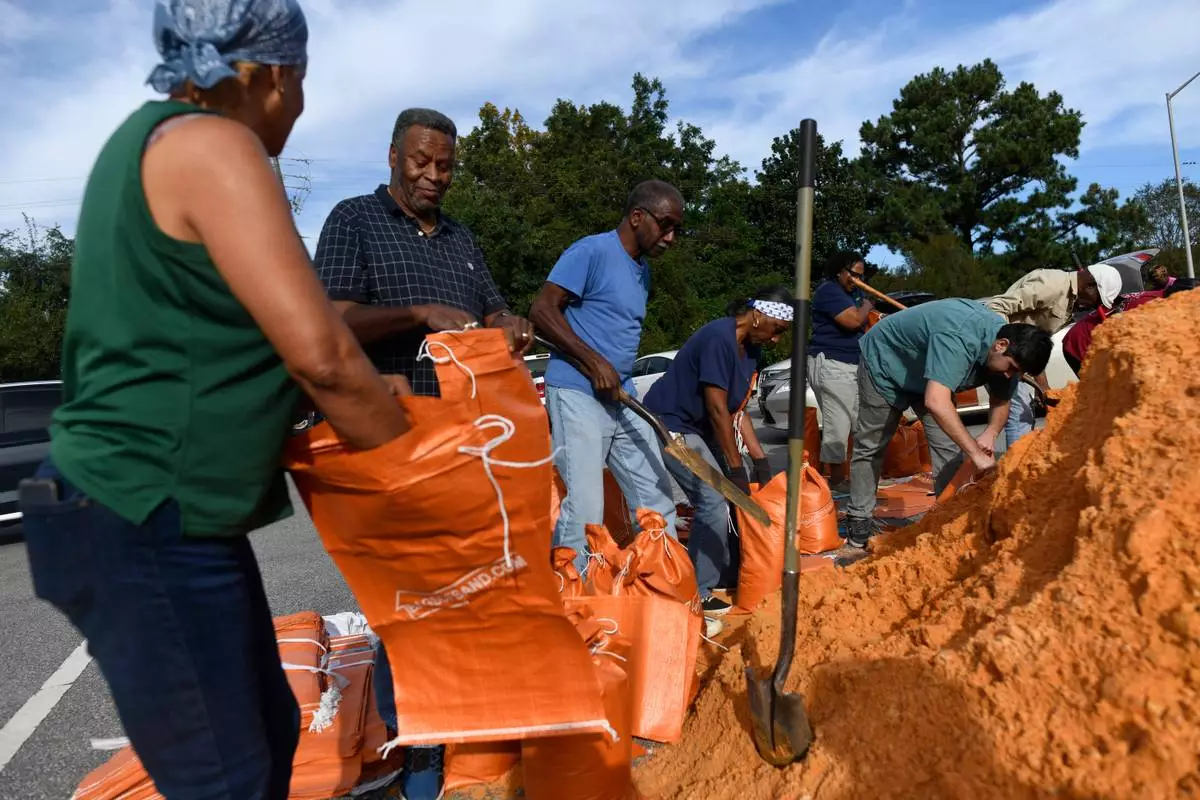
Residents pick up sandbags for storm preparation at the James Seals Jr. Parks & Recreation Center ahead of Hurricane Isaias' expected landfall along the Gulf Coast, Thursday, October 8, 2026, in Mobile, Alabama (AP Photo/Octavio Jones)
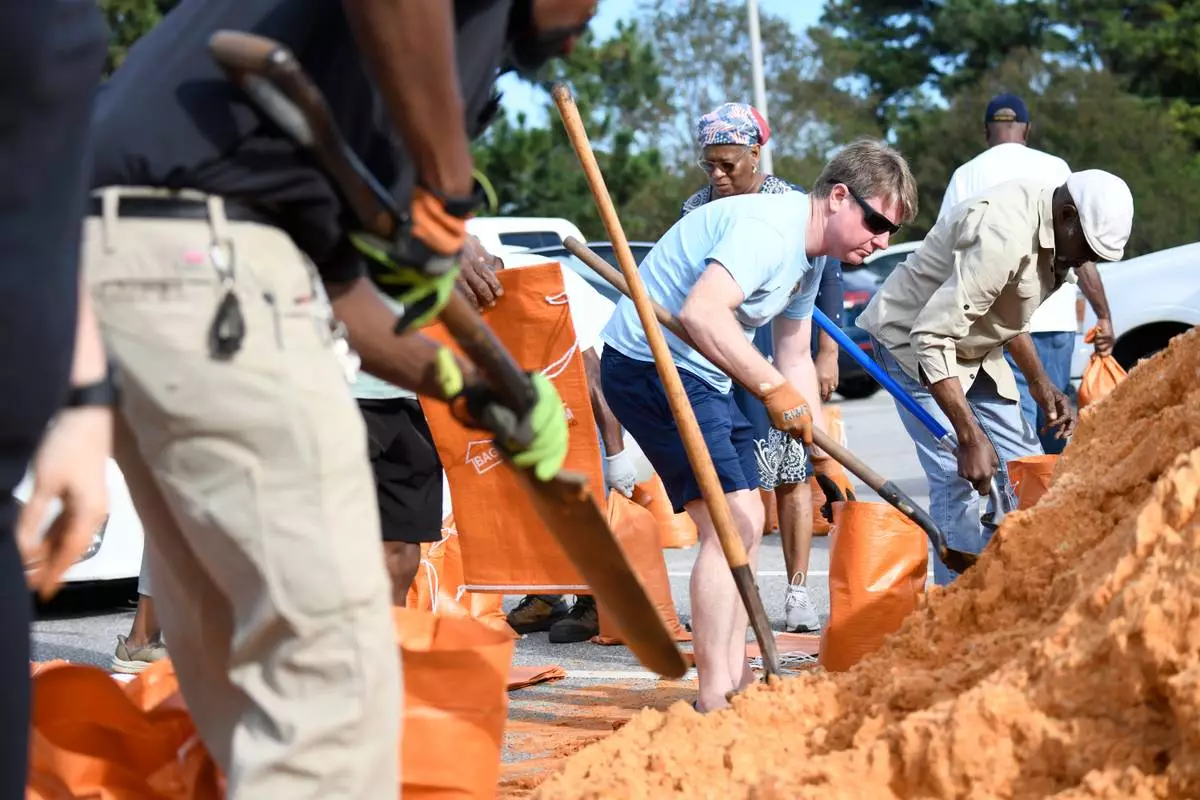
Residents pick up sandbags at the James Seals Jr. Parks & Recreation Center as they prepare for Hurricane Isaias expected landfall along the Gulf Coast, Thursday, Oct. 8, 2026, in Mobile, Ala. (AP Photo/Octavio Jones)
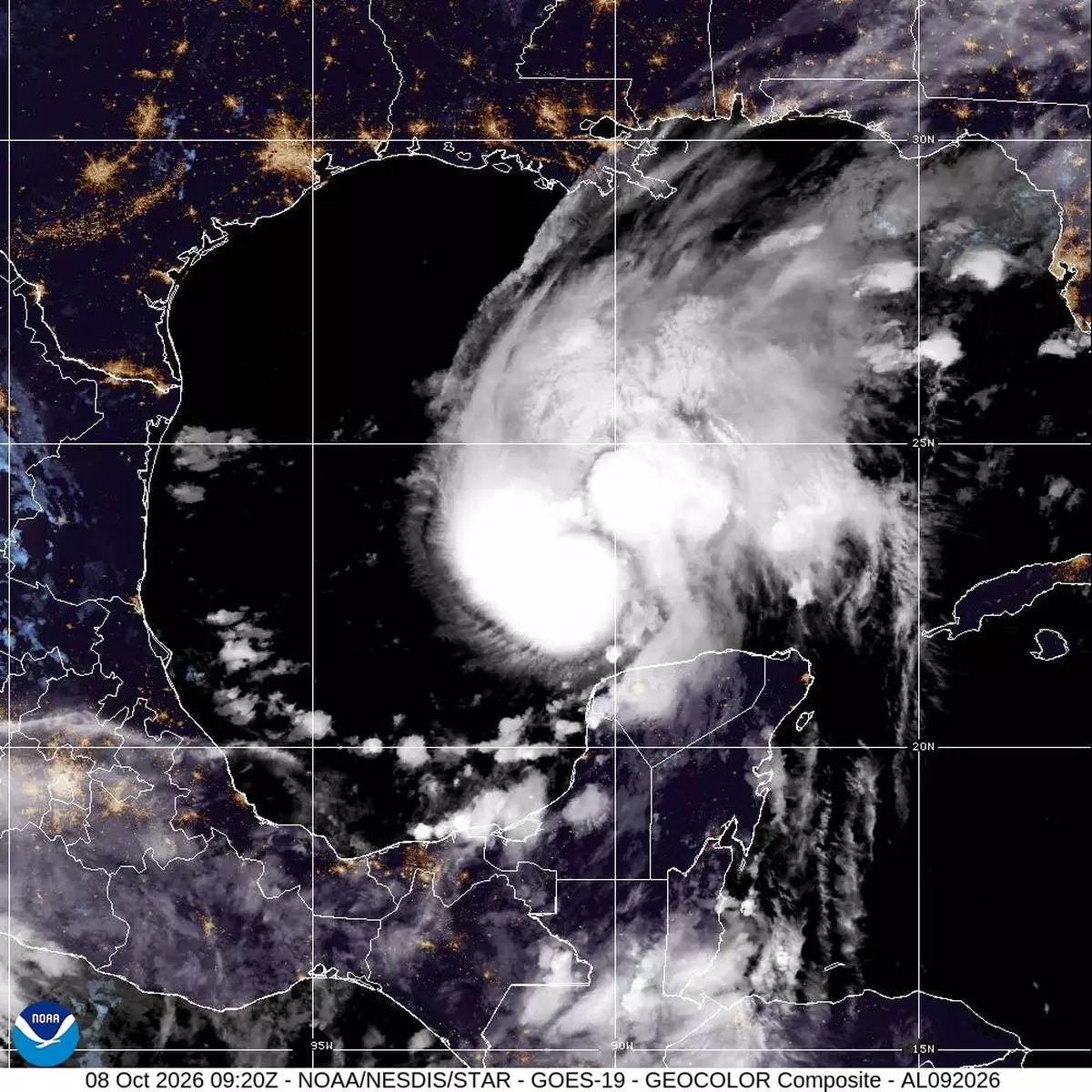
This satellite image from the National Oceanic and Atmospheric Administration shows Hurricane Isaias in the Gulf of Mexico, Thursday, Oct. 8, 2026. (National Oceanic and Atmospheric Administration via AP)
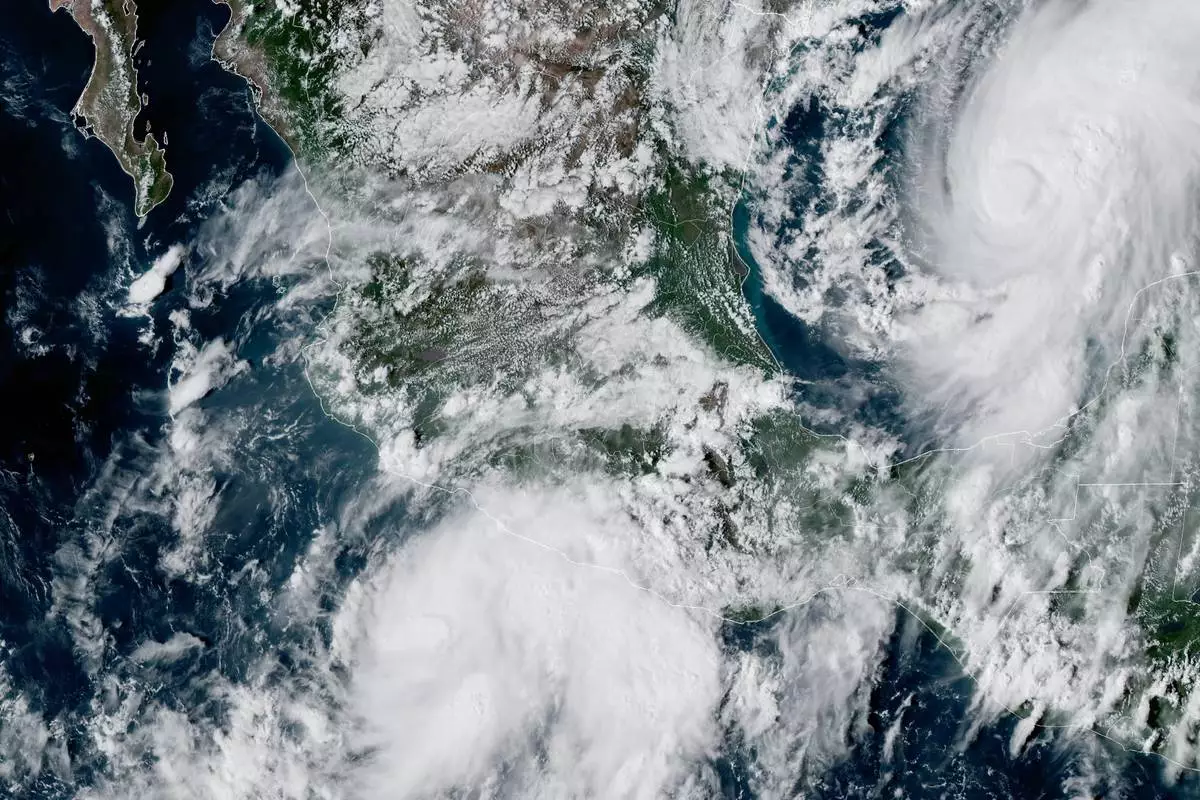
This GOES-19 GeoColor satellite image provided by the National Oceanic and Atmospheric Administration (NOAA) and taken at 4:57 p.m. EDT, Wednesday, Oct. 7, 2026, shows Tropical Storm Simon, bottom center, in the Pacific Ocean, off the southwestern coast of Mexico, and Tropical Storm Isaias, upper right, east of Mexico in the Gulf of Mexico. (NOAA via AP)
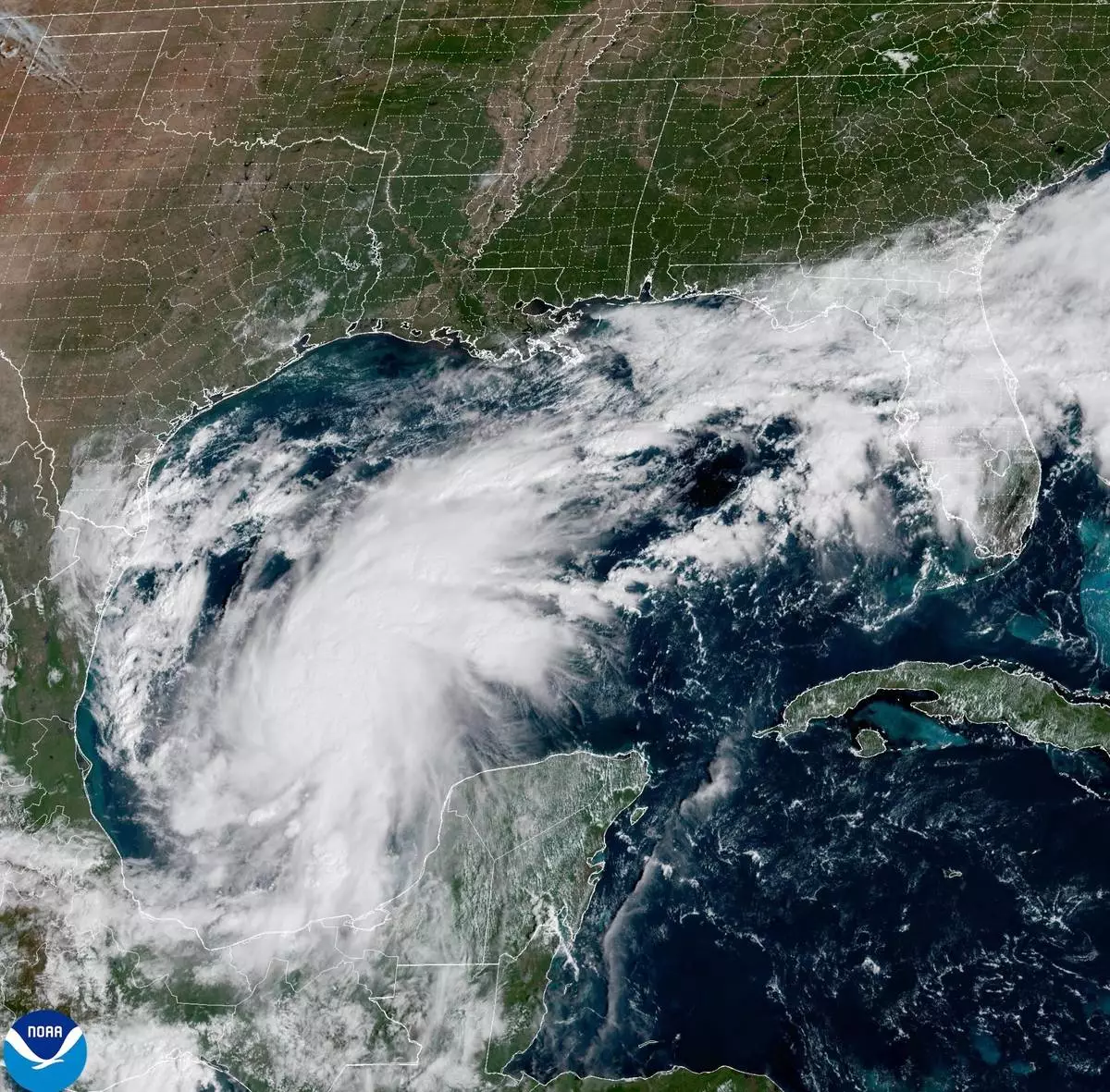
This satellite image from the National Oceanic and Atmospheric Administration shows Tropical Storm Isaias off the eastern coast of Mexico on Wednesday, Oct. 7, 2026. (National Oceanic and Atmospheric Administration via AP)