The trilateral negotiations among Russia, the United States and Ukraine, aimed at ending the prolonged Russia-Ukraine conflict, are currently at a standstill, Russia’s military intelligence chief Igor Kostyukov said on Wednesday.
Also on Wednesday, Ukrainian President Volodymyr Zelensky indicated that he was open to a ceasefire with Russia, but said that he did not foresee progress in negotiations until the conflict in Iran is "closed" or a fundamental ceasefire is reached among the United States, Israel, and Iran.
In 2026, delegations from Russia, the United States and Ukraine have held three rounds of peace talks, with the first two taking place in Abu Dhabi on Jan. 23-24 and on Feb. 4-5, and the last one in Geneva on Feb. 17-18.
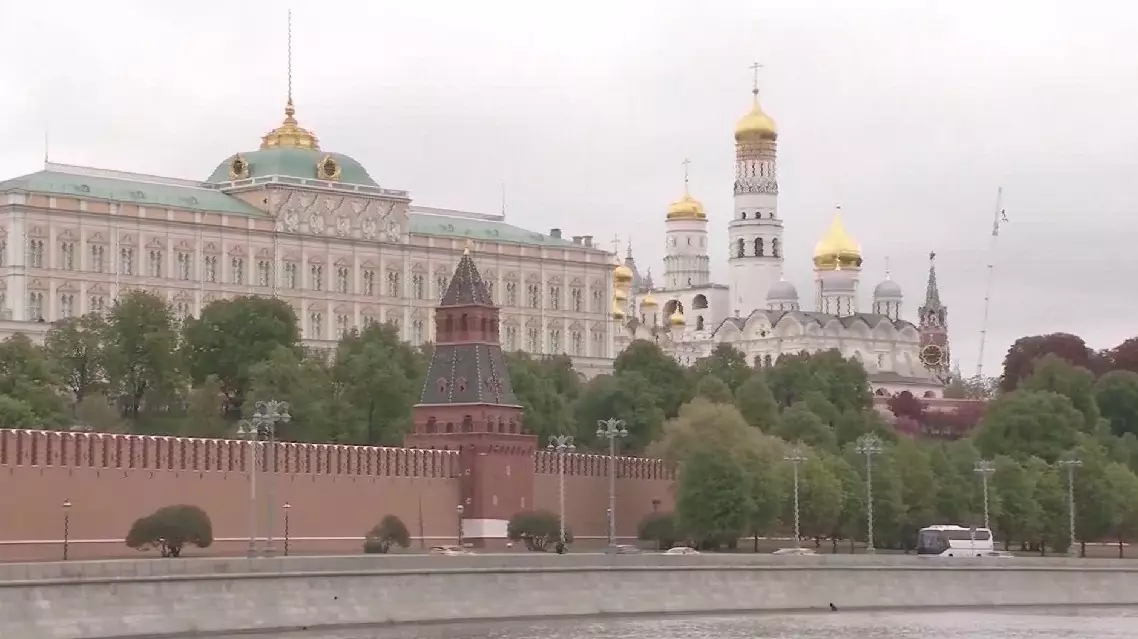
Trilateral talks on ending Ukraine crisis at standstill: Russian intelligence chief
Iranian President Masoud Pezeshkian said on Wednesday that Iran has always welcomed resolving issues through dialogue and agreement and will continue to do so.
In a post on social media platform X, the Iranian president said breaches of commitments, blockades and threats constitute the main obstacles to genuine negotiations, adding that "world sees your endless hypocritical rhetoric and contradiction between claims and actions," in reference to the United States.
Also on Wednesday, Iranian Parliament Speaker Mohammad Bagher Ghalibaf said a comprehensive ceasefire would only be meaningful if it is not accompanied by maritime blockades or what he described as "holding the global economy hostage," and if Israel halts its military actions on all fronts.
He added that the reopening of the Strait of Hormuz would be impossible if there were serious violations of a ceasefire.
Meanwhile, Iranian Foreign Minister Abbas Araghchi said on Wednesday that the current situation in the Strait of Hormuz is a direct result of military strikes launched by the United States and Israel against a member state of the United Nations.
As a key coastal state along the Strait of Hormuz, Iran has taken measures in accordance with international law to safeguard national security against U.S.-Israeli aggression and threats, he said.
Araghchi emphasized that the consequences on the global economy should be borne by the aggressors.
He also said that the U.S.-Israeli strikes targeting Iran's peaceful nuclear facilities are unacceptable, and the silence of some European countries regarding such actions is undermining international law and non-proliferation mechanisms.
U.S. President Donald Trump announced to extend the two-week ceasefire with Iran on Tuesday, just one day before its expiration.
Trump said that he would "extend the ceasefire until such time as their proposal is submitted, and discussions are concluded, one way or the other."
White House press secretary Karoline Leavitt told reporters on Wednesday that President Trump has not set a clear deadline for receiving Iran's proposals.
She said while the United States awaits Iran's response, the U.S. military has halted strikes against Iran.
However, the U.S. "Operation Economic Fury" and maritime blockade against Iran are continuing.
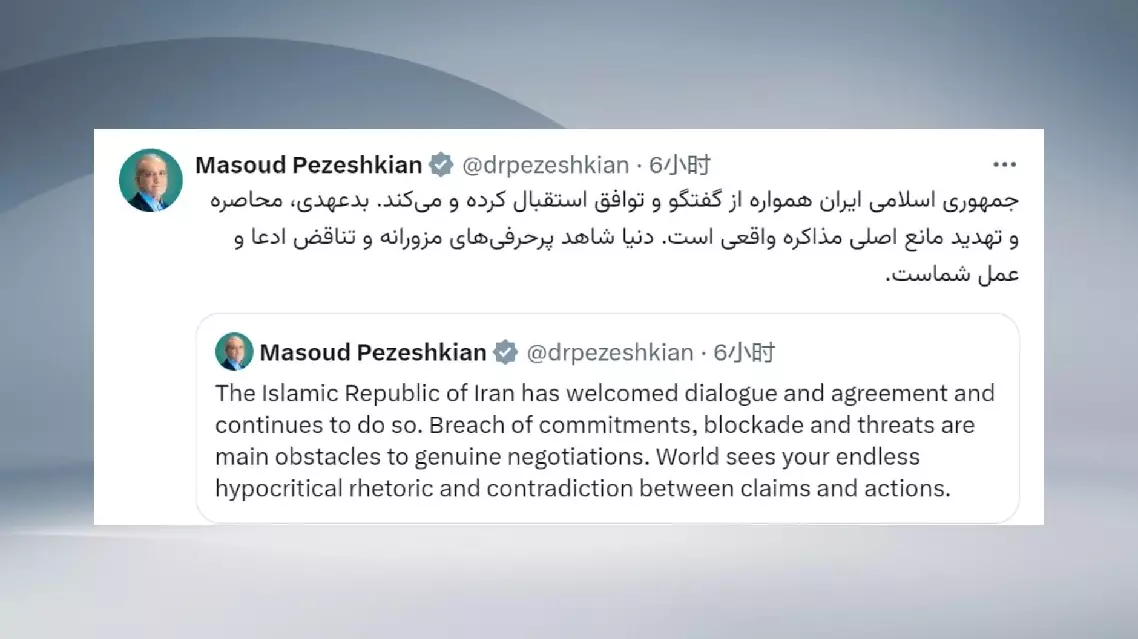
Iran stresses dialogue, criticizes Washington's "double standards" in negotiations