Latin America's largest e-commerce platform, Mercado Libre, is stepping up its efforts to recruit sellers from China, offering them a critical gateway to 650 million consumers across 18 Latin American countries as a key diversification strategy amid ongoing global trade challenges.
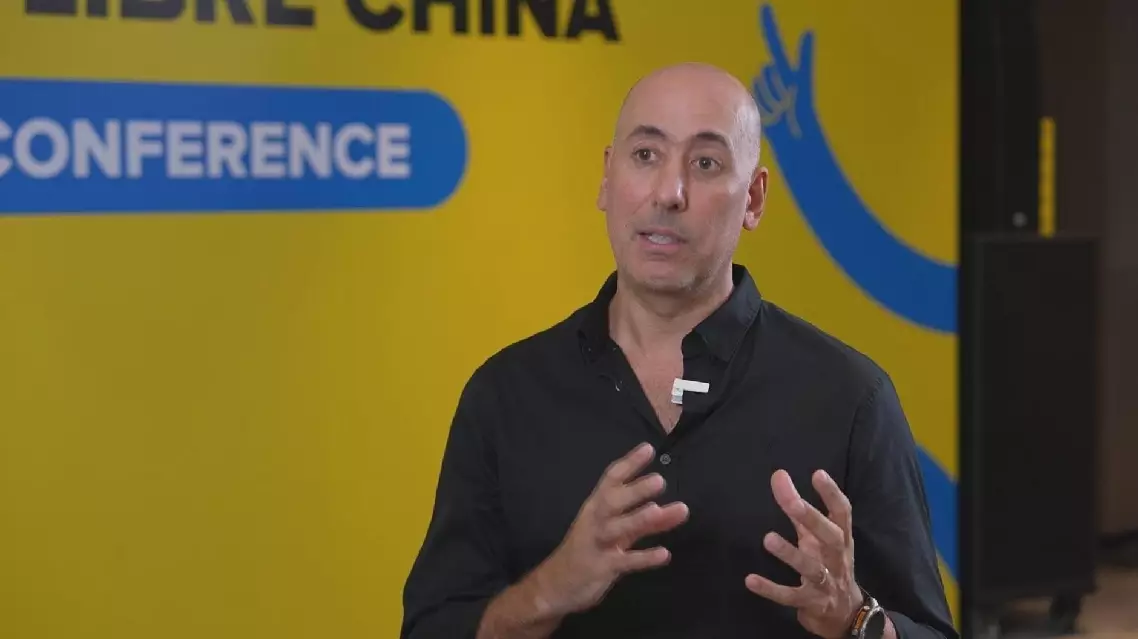
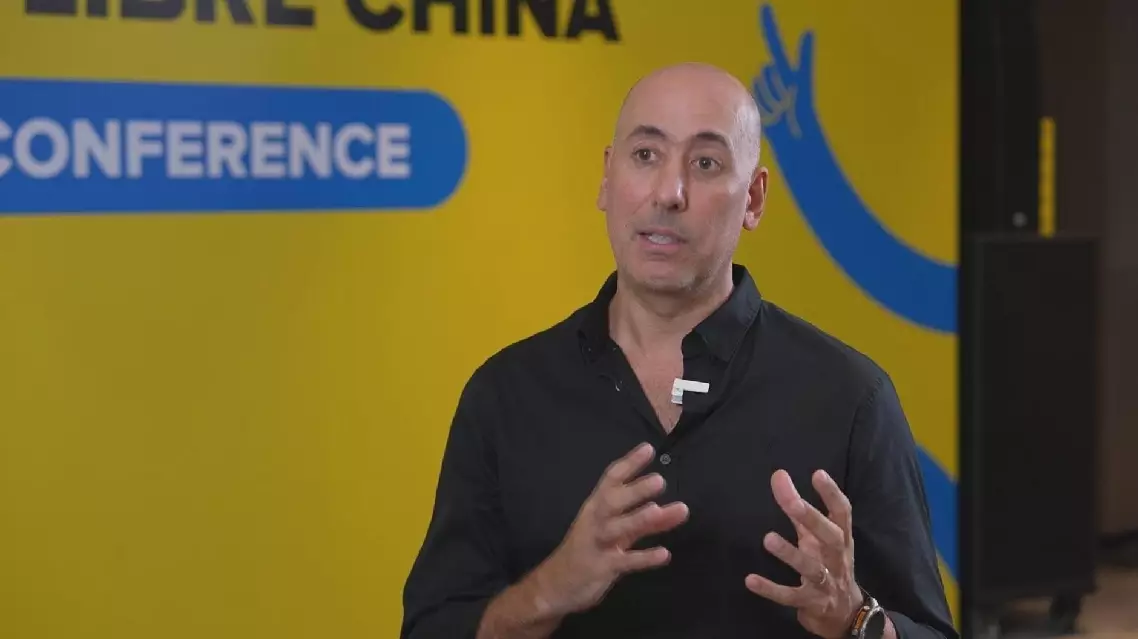
In an exclusive interview with China Global Television Network (CGTN) during the Mercado Libre 2026 seller growth summit in Shenzhen, Fernando Yunes, Executive VP of Commerce and Country Lead for Brazil, outlined the platform’s ambitious goal to expand its China-based seller base tenfold within three years. He also shared in-depth insights into the development and opportunities of Latin America’s e-commerce sector.
Yunes highlighted the massive untapped potential in Latin America's e-commerce market, noting the region's low penetration rate leaves significant room for sustained growth.
"I think it's an important moment for Latin America. The penetration, as you said, is at 13 percent, 14 percent compared to China that is around 40 percent and US almost 30 percent. A lot of countries in Europe also above 30 percent and Latin America has the potential to keep growing. And in the past two years, the penetration rose very rapidly. In the past quarters and months, it has accelerated," he said.
As the dominant player in the region, Mercado Libre holds around 40 percent of Latin America's e-commerce market share, and Chinese sellers have emerged as a high-growth driver for the platform, outpacing its overall growth rate by a substantial margin.
"At first, on the market share, as you mentioned, we have around 40, 41 or 42 percent market share and we are growing very fast. In our Q4, we delivered over 34 percent growth. The Chinese sellers grew 65 percent, are growing faster and there's a big opportunity because up to now Mercado Libre had a limited assortment of Chinese products. So now is the moment to bring the assortment because the people in Latin America want the products, they want the solutions. Then when you bring to LATAM, the consumers will see and say, whoa, I want this product. So that's why the Chinese products are growing basically at two times the rate of Mercado Libre," he noted.
He elaborated on the irreplaceable value of Chinese sellers to Mercado Libre's ecosystem, highlighting their unique strengths in both cost competitiveness and innovative product development.
"The capacity of China to produce items at a very low cost and be able to deliver this product at a low price is higher than other regions. For fashion, electronics, home decor, the price competitiveness is very high. There's also another segment with the branded Chinese companies that are very creative, very innovative. With the electronics, for example, the two fold, three fold telephones, the tablets that you can fold and they look like a TV, but when you fold them they're still very thin," he said.
Mercado Libre has rolled out a tailored logistics and fulfillment model for Chinese sellers to shorten delivery times, including enabling next-day delivery for top-selling products.
"What we are thinking with the Chinese sellers is we can start at Mercado Libre in a simple way. In China, publishing the products at our website. After you try the market, let's identify what are the hero products, the products that sell a lot and frequently. And for those products, let's open a Chinese account for this seller in Brazil, in Mexico. And let's bring this product via ship, because it's cheaper, to the country and to the fulfilment centre and when we sell, we get much faster to the customer," he explained. Founded in 1999 and headquartered in Buenos Aires, Argentina, Mercado Libre is Latin America’s leading technology firm and a core driver of the region’s digital economy. Boasting a diversified business portfolio spanning e-commerce, digital payment service, advertising platform, logistics solution, it holds a dominant market position across 18 Latin American countries and regions.
The company entered the Chinese market in 2019, with its local team focusing on three core business lines: cross-border trade e-commerce, advertising and marketing solutions, and payment services.
Having served tens of thousands of Chinese brands and sellers via its five core marketplaces in Mexico, Chile, Brazil, Colombia and Argentina, Mercado Libre will continue to deepen its presence in China, optimize its end-to-end cross-border e-commerce solutions, and empower more Chinese brands to expand their footprint in Latin America.
Mercado Libre 2026 seller growth summit and the executive media closed-door meeting took place in Shenzhen on Tuesday.
Latin America's largest e-commerce platform eyes Chinese sellers to tap fast growing market
Latin America's largest e-commerce platform eyes Chinese sellers to tap fast growing market