SAN FRANCISCO--(BUSINESS WIRE)--Apr 23, 2026--
Ouster, Inc. (Nasdaq: OUST) (“Ouster” or the “Company”), a leader in sensing and perception for Physical AI, today announced that its turnkey traffic management solution, Ouster BlueCity, will be deployed at more than 30 intersections across the greater Atlanta area. This initiative is a collaborative effort with the Georgia Department of Transportation (GDOT) and Ouster BlueCity distributor, Southern Lighting & Traffic Systems, to modernize the region’s traffic infrastructure.
This press release features multimedia. View the full release here: https://www.businesswire.com/news/home/20260423314636/en/
The expansion follows the deployment of Ouster BlueCity at an initial 6 intersections in downtown Atlanta on a high-traffic and pedestrian corridor near the Georgia World Congress Center. As one of the largest and fastest-growing metropolitan areas in the United States, Atlanta is prioritizing data-driven solutions to manage increasing traffic density and vulnerable road user safety. By integrating Ouster BlueCity, which combines Ouster’s 3D digital lidar sensors with proprietary AI perception software, GDOT aims to:
"Ouster’s continued expansion into the greater Atlanta area represents a significant milestone in our mission to scale AI-powered intelligent infrastructure," said Asad Lesani, VP of Smart Infrastructure Products at Ouster. “Ouster BlueCity is bringing Physical AI to smart cities around the world with over 700 contracted site deployments across intersections, mid-blocks and highways. We are excited to continue our partnership with GDOT to improve mobility and safety for all road users attending the FIFA World Cup and beyond.”
The deployment illustrates the continued and accelerating adoption of Ouster BlueCity by agencies and municipalities that include large-scale deployments of 100+ intersections each in Utah, and Chattanooga and Nashville in Tennessee. The Atlanta expansion reinforces Ouster BlueCity's position as a leading solution for transportation departments seeking to transition from legacy inductive loops and 2D sensors to a single, integrated, 3D lidar-powered traffic management solution for actuation, analytics, and alerts.
To learn more visit ouster.com/bluecity.
About Ouster
Ouster (Nasdaq: OUST) is a leader in sensing and perception for Physical AI across industrial, robotics, automotive, and smart infrastructure. With a unified platform of high-performance digital lidar, cameras, AI compute, sensor fusion and perception software, and AI models, Ouster delivers solutions that improve quality of life in the physical world. Headquartered in San Francisco, CA, Ouster has a global presence serving thousands of customers with offices in the Americas, Europe, and Asia-Pacific. For more information about our products, visit www.ouster.com, contact our sales team, or connect with us on X or LinkedIn.
Forward-Looking Statements
This press release contains forward-looking statements within the meaning of the Private Securities Litigation Reform Act of 1995. The Company intends such forward-looking statements to be covered by the safe harbor provisions for forward-looking statements contained in Section 27A of the Securities Act of 1933, as amended and Section 21E of the Securities Exchange Act of 1934, as amended. Such statements are based upon current plans, estimates and expectations of management that are subject to various risks and uncertainties that could cause actual results to differ materially from such statements. The inclusion of forward-looking statements should not be regarded as a representation that such plans, estimates and expectations will be achieved. Words such as “expect,” “will”, “may,” “anticipate,” “intend,” “reflect,” “should,” “plan,” “can,” “could,” “offer,” “estimate,” “possible,” “potential,” “pursue,” “demonstrate,” and the negative of these terms and similar expressions are intended to identify forward-looking statements, though not all forward-looking statements use these words or expressions. All statements, other than historical facts, including statements regarding the capabilities of Ouster’s products, including the opportunity to improve transportation safety and reduce traffic congestion with BlueCity, uses for physical AI, Ouster’s competitive position, and Ouster’s business objectives and plans, all constitute forward-looking statements. All forward-looking statements are subject to risks and uncertainties that may cause actual results to differ materially from those that we expected, including, but not limited to, the possibility of cancellation or postponement of contracts or unsuccessful implementations; risks related to the adoption of Ouster’s products, inaccurate forecasts of market growth and customer demand; Ouster’s ability to respond to evolving regulations and standards; and other important risk factors discussed in the Company’s Annual Report on Form 10-K for the year ended December 31, 2025, and as may be further updated from time to time in the Company’s other filings with the SEC. Readers are urged to consider these factors carefully and in the totality of the circumstances when evaluating these forward-looking statements, and not to place undue reliance on any of them. Any such forward-looking statements represent management’s reasonable estimates and beliefs as of the date of this press release. While Ouster may elect to update such forward-looking statements at some point in the future, it disclaims any obligation to do so, other than as may be required by law, even if subsequent events cause its views to change.
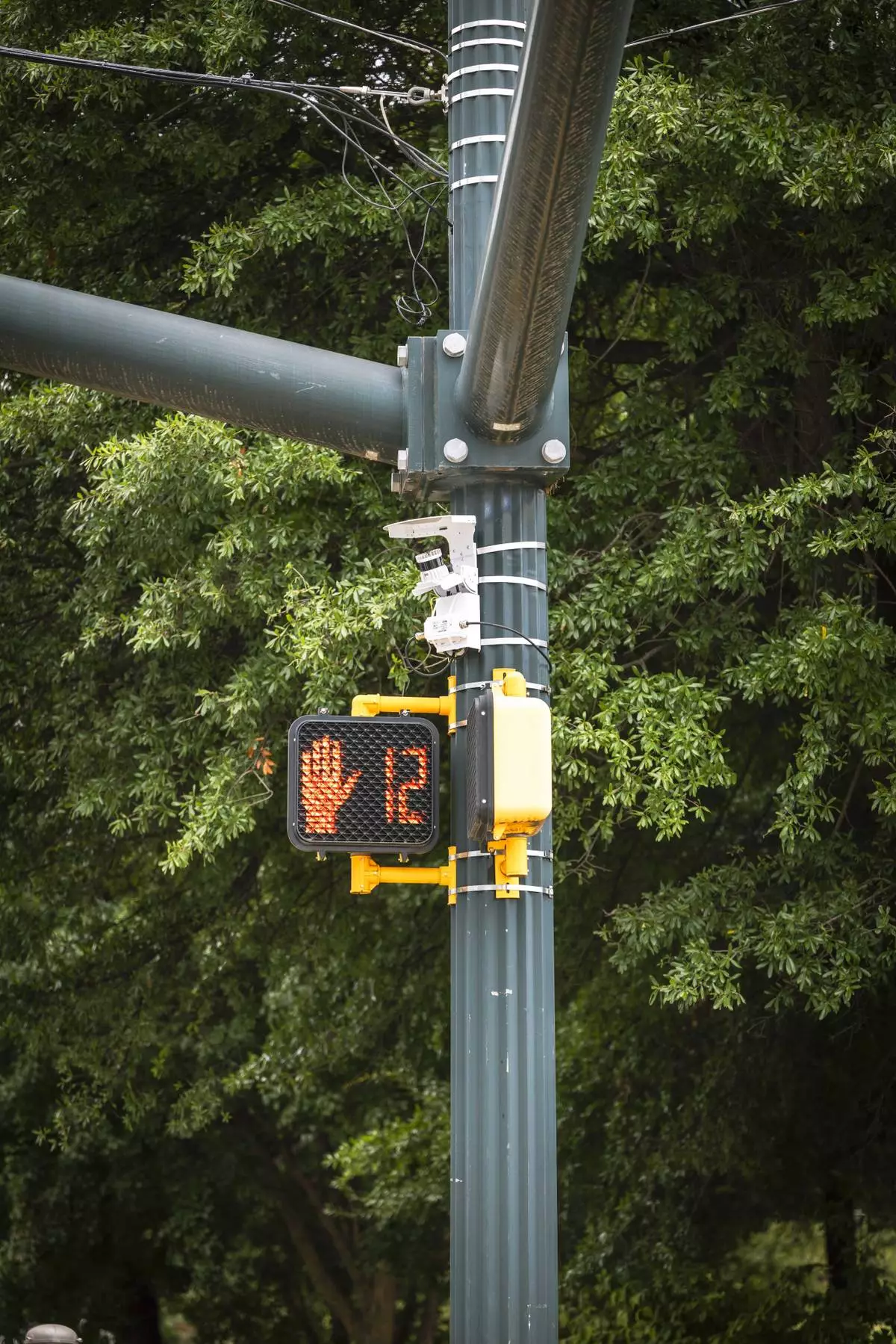
Ouster BlueCity deployed in Atlanta, GA.
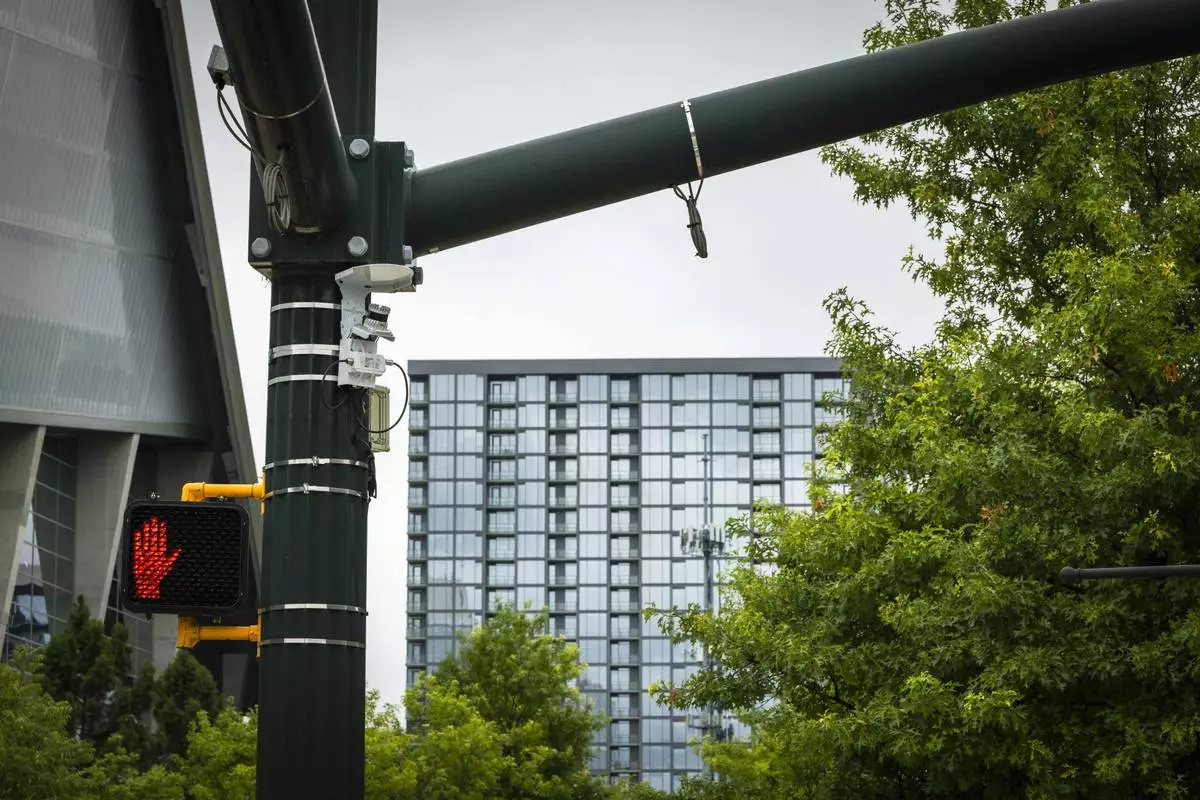
Ouster BlueCity deployed in Atlanta, GA.
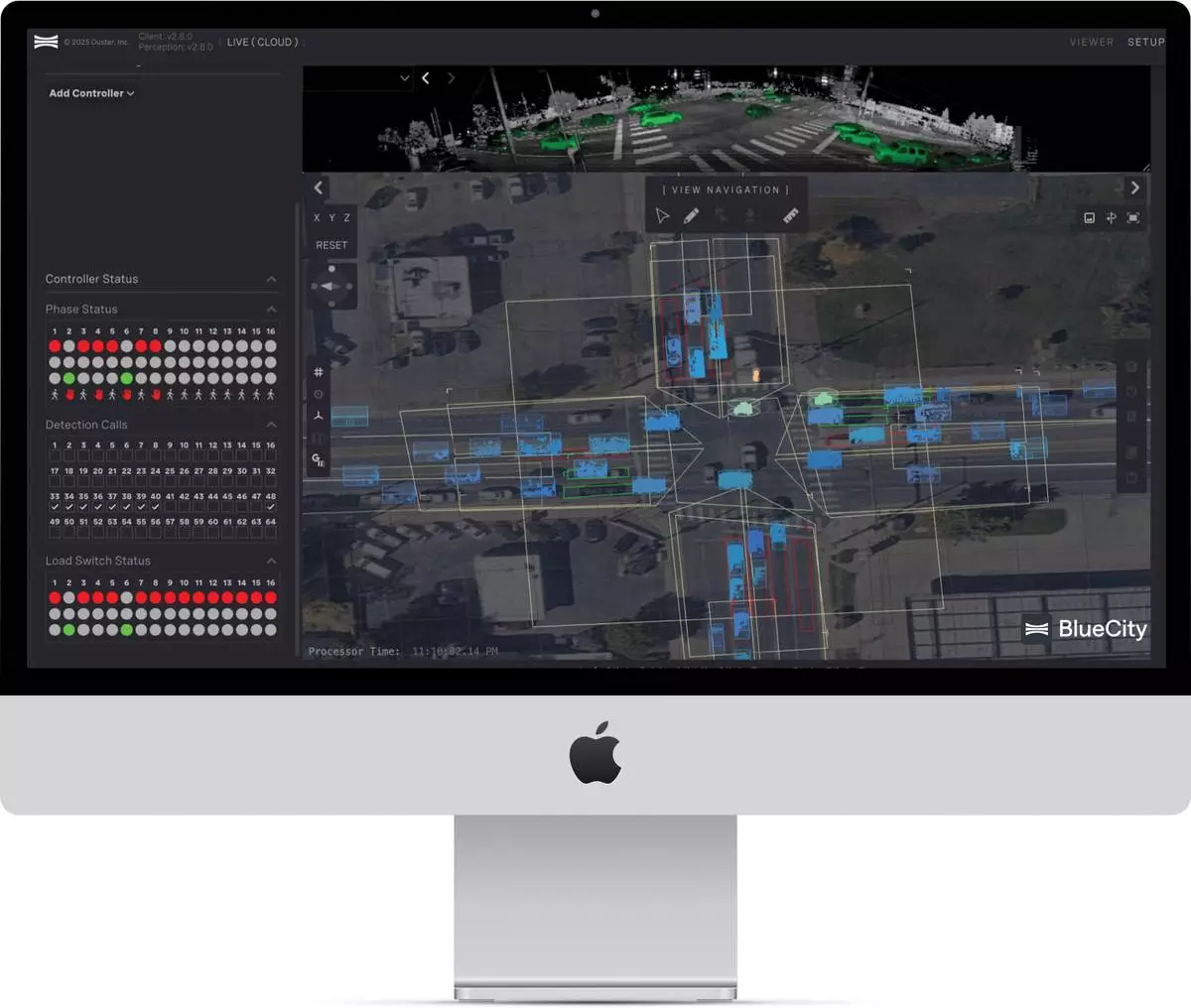
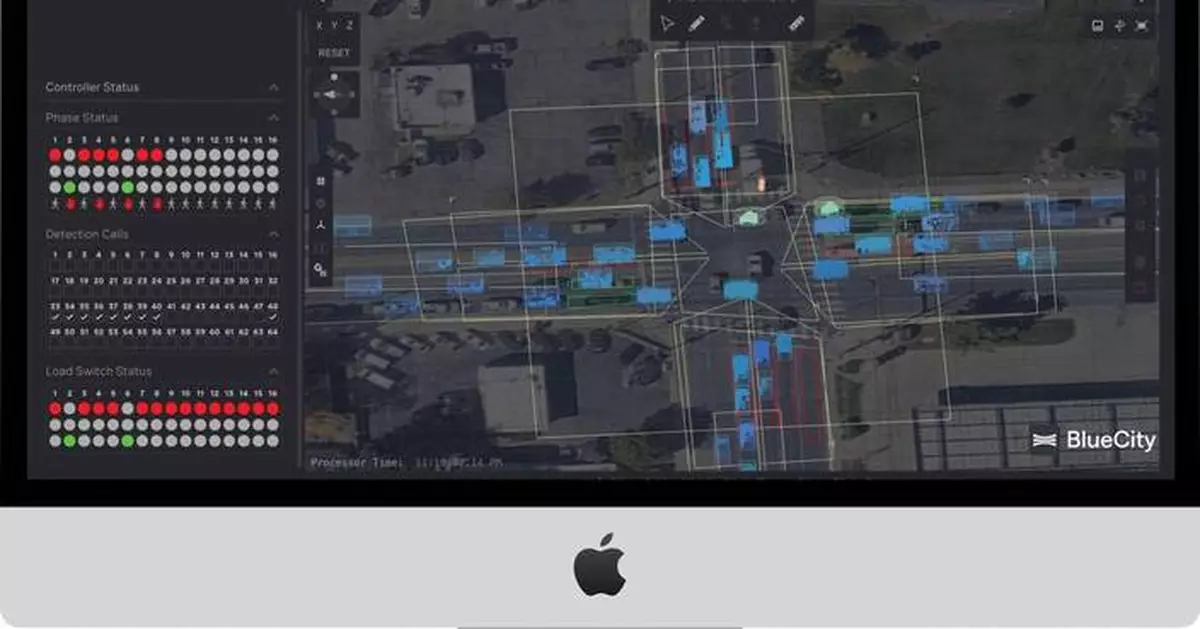
Ouster BlueCity for traffic actuation.