NEW YORK (AP) — All-Star shortstop Francisco Lindor was put on a the 10-day injured list by the New York Mets on Thursday, a day after straining his left calf, and manager Carlos Mendoza said “he’s going to be down for quite a bit here."
Lindor was hurt Wednesday when the Mets beat Minnesota 3-2 and stopped a 12-game losing streak, their longest since 2002. Left fielder Juan Soto returned from a strained right calf that had sidelined him since April 3 and went 1 for 3 with a walk. Soto had missed 15 games.
Lindor labored around the bases while scoring from first on Francisco Alvarez’s one-out double. An MRI Thursday determined the stain was more severe than Soto's.
“We knew right away with Juan that it was kind of the best-case scenario. He was going to be on the short side of things,” Mets manager Carlos Mendoza said. “I don’t think we’re dealing with the same thing here.”
“One of those things where you start running and you know that your body’s not 100%” Lindor said. “Once I passed third base, I felt something. And after that, I knew that I’ve got something in my lower leg.”
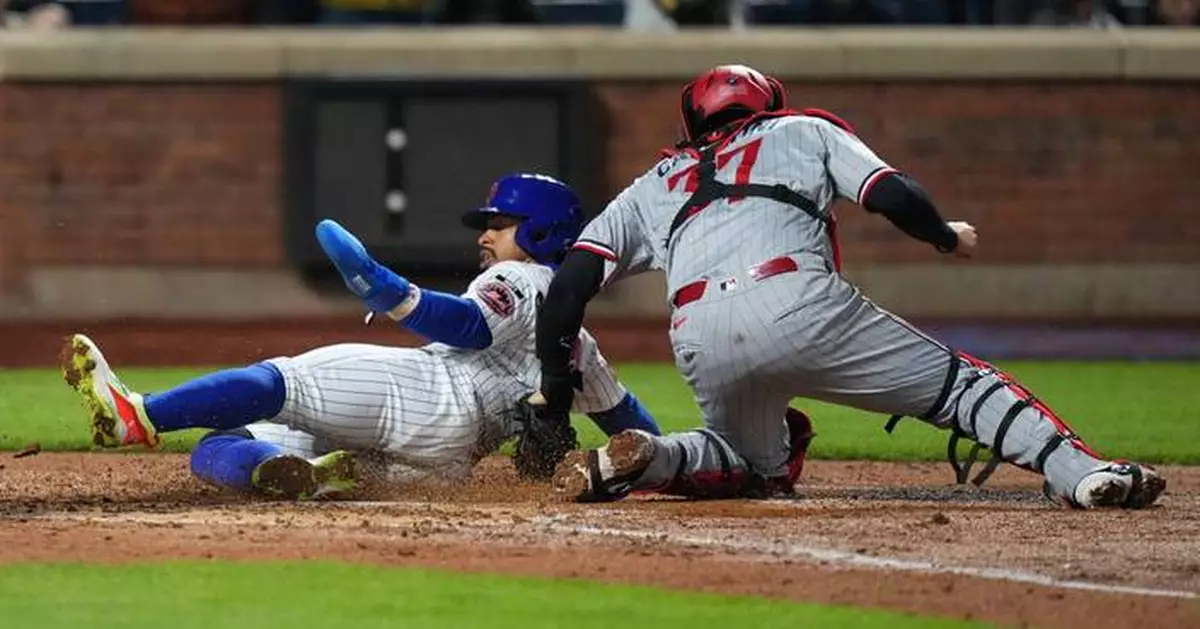
Lindor grimaced as he rounded third and paused for a moment. He beat the relay throw with a feet-first slide.
“I was in pain,” Lindor said. “But you’ve got to score.”
Asked if he thought he would return this season, Lindor said “100%” and repeated it for emphasis.
“This kills me, not being on the field but I trust the trainers and I know they have good care here,” Lindor said. “I’ll be back I’ll be back. Hopefully sooner rather than later.”
This is just the third big league IL stint for Lindor, who missed the first 19 games of the 2019 season with Cleveland due to a right calf strain. He was sidelined 36 games in 2021, his first season with the Mets — due to a right oblique strain.
Lindor had elbow surgery following last season and missed most of spring training after surgery on his left hamate bone.
Bo Bichette moved to shortstop from third base for Thursday's series finale against the Twins. The Mets recalled Ronny Mauricio from Triple-A Syracuse to take Lindor’s roster spot and plan to give him regular playing time at shortstop while Bichette continues to get used to playing third.
Mauricio, a longtime prospect who has struggled to reignite his career after missing the 2024 season with a knee injury, hit five homers in his last five games for Syracuse, including three on Tuesday.
AP MLB: https://apnews.com/hub/mlb
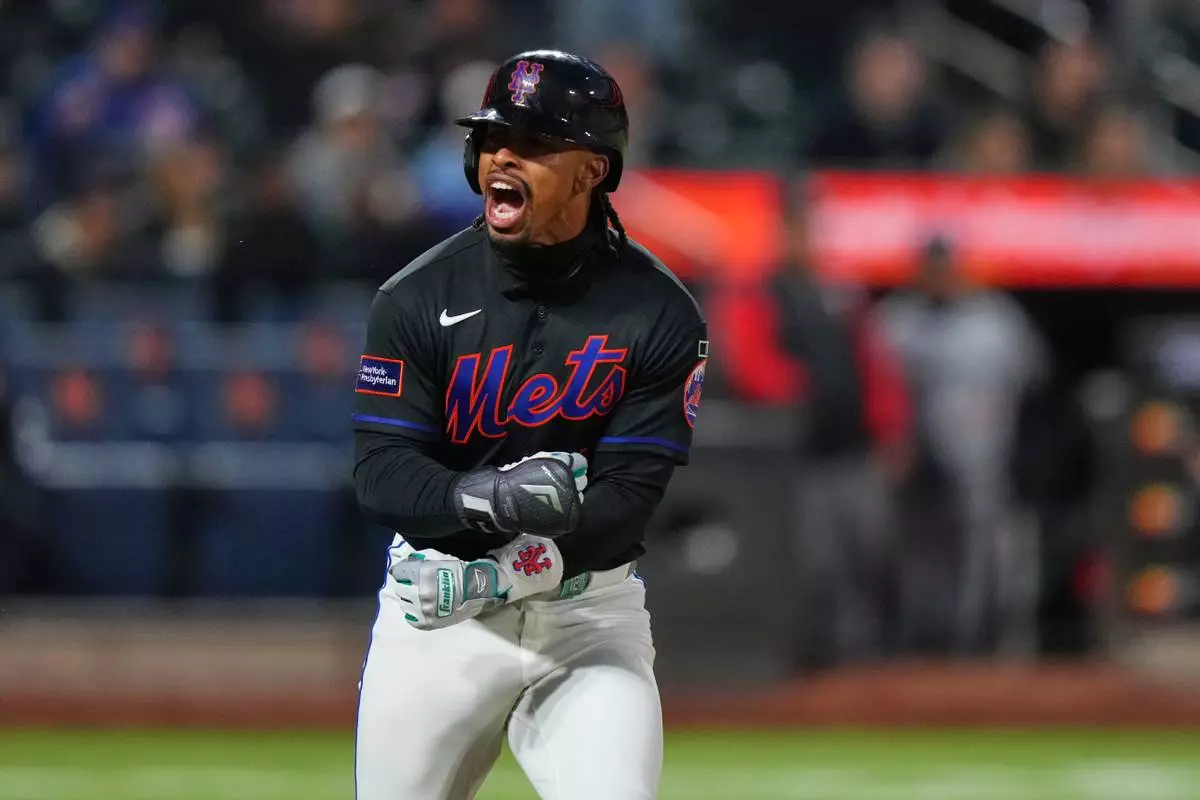
New York Mets' Francisco Lindor celebrates after hitting a three-run home run during the third inning of a baseball game against the Minnesota Twins Tuesday, April 21, 2026, in New York. (AP Photo/Frank Franklin II)

New York Mets' Francisco Lindor (12) runs toward home plate to score on a double by Francisco Alvarez during the fourth inning of a baseball game against the Minnesota Twins Wednesday, April 22, 2026, in New York. (AP Photo/Frank Franklin II)
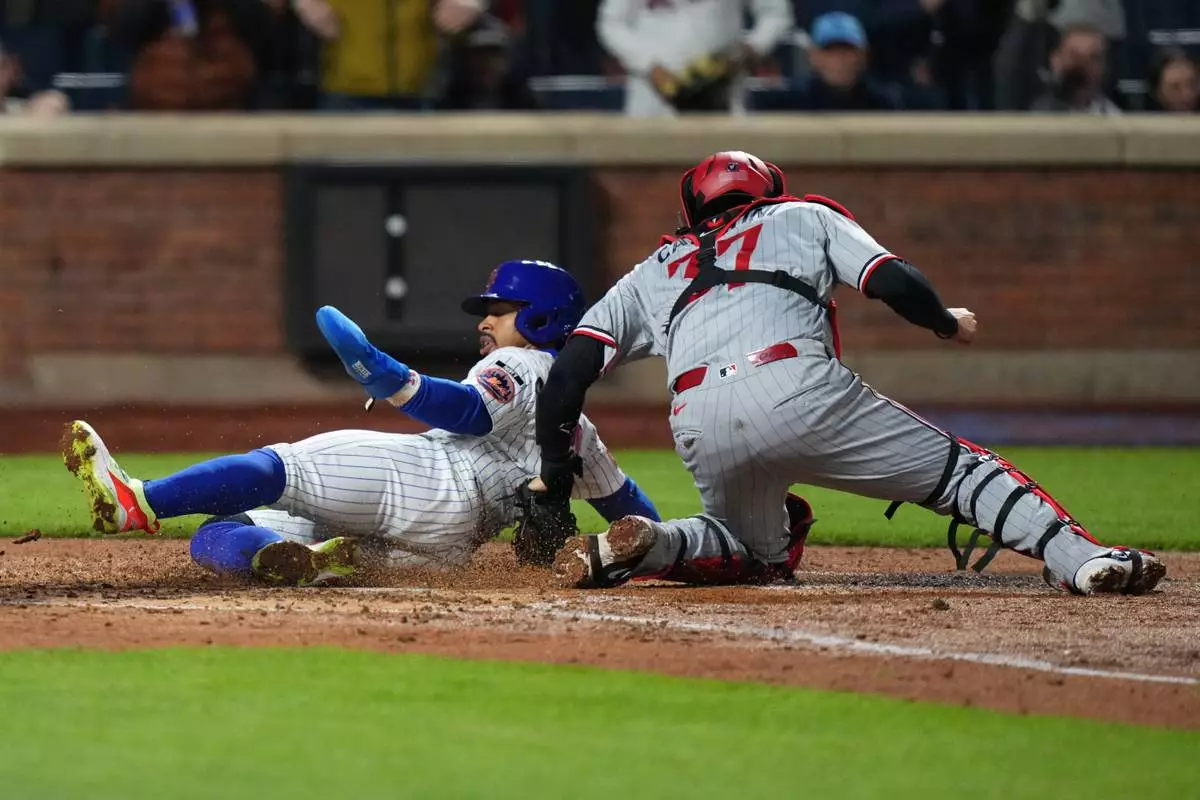
New York Mets' Francisco Lindor, left, slides past Minnesota Twins catcher Victor Caratini to score on a double by Francisco Alvarez during the fourth inning of a baseball game Wednesday, April 22, 2026, in New York. (AP Photo/Frank Franklin II)
After a school bus rolled on a West Virginia highway two years ago, forcing one boy to have his leg amputated and seriously injuring two other children aboard, police quickly discovered the driver was drunk.
But the National Transportation Safety Board then discovered something even more troubling: School bus drivers driving impaired was not an isolated problem.
That’s why the NTSB on Thursday recommended for the first time that all new school buses be equipped with alcohol detection systems that can disable the bus if they detect the driver might be impaired. Similar systems are already used on school buses in parts of Europe.
“There’s a higher expectation for school bus drivers than many other types of drivers,” said Kris Poland, deputy director of the NTSB’s Office of Highway Safety. “We expect that the drivers are attentive, not fatigued, not impaired and are driving as safely as possible.”
The agency didn’t estimate the cost of adding the detection systems to buses or say who would foot the bill. The kind of ignition interlock device that people charged with DUIs are routinely required to get costs about $75 to $150 to install and roughly $100 a month to monitor.
Federal regulators or states could require the technology, but Congress would have to pass legislation to ensure widespread adoption. The NTSB recommendation focuses on alcohol and not drugs because they determined that was the probable cause of this crash and there aren't similar tests available for other drugs like marijuana. There also aren't clear legal standards for exactly how much of other drugs is enough to impair a driver.
It follows a previous recommendation by NTSB that Congress adopted to require alcohol detection systems in all new passenger vehicles. But that rule has yet to be rolled out because it is still caught up in the rulemaking process.
The NTSB has long been concerned about drunken driving because alcohol is a factor in one-third of the roughly 37,000 traffic deaths each year. Investigators struggled to nail down exact stats on how common a problem this is among school bus drivers, but they found enough evidence to convince them that alcohol detection systems are needed.
A report by the news service Stateline.org in 2020 showed at least 118 school bus drivers had been accused of driving under the influence of alcohol or other drugs over the five previous years, said Meg Sweeny, the primary author of the NTSB report on the West Virginia bus crash.
In that crash, the driver lost control of the bus after hitting a driveway culvert off the right side of a rural road. All 19 children aboard were hurt, but most had only minor injuries. The driver was sentenced last year to up to 110 years in prison.
Data from the National Highway Traffic Safety Administration shows that 407 school bus drivers were involved in fatal crashes between 2020 and 2024. Only two of those tested positive for alcohol, and only one of them had a blood alcohol level above the legal limit.
The number of drunken driving cases among bus drivers alarmed even though it remains a small portion of all drivers, Peter Kurdock, who is general counsel for Advocates for Highway and Auto Safety.
“Children going to and from the schoolhouse are America’s most precious passengers,” Kurdock said. “So we should be doing all we can to make the bus as safe as possible.”
But Kurdock predicted it will likely face pushback from the owners of the nation’s half-million school buses, much like the industry has opposed the NTSB’s longstanding recommendation to add seat belts to school buses.
Several states have required seat belts, but most school buses do not have them partly because the buses are regarded as quite safe already. But even when seat belts have been installed, the NTSB said students might not wear them, so they issued an urgent recommendation last fall after a Texas crash for districts to take steps to ensure their use.
None of the three biggest school bus companies that transport kids on some 80,000 buses each day or the primary bus manufacturers responded to phone calls and emails seeking comment about the NTSB recommendation. The National School Boards Association and two of the biggest busing trade groups didn’t immediately have comment.
Most school bus trips remain safe, the NTSB says.
Of the nearly 1,000 fatal crashes involving school buses in the decade leading up to 2023, 70% of the nearly 1,100 people who died were in other vehicles and not the buses, according to the National Highway Traffic Safety Administration’s latest statistics.
Only 113 school bus passengers were killed in that timeframe, showing how the massive yellow vehicles are generally safe as long as the children aren’t thrown out of their seats. That is where the NTSB believes installing seat belts and making sure kids are wearing them would make a significant difference.
Attorney Todd Spodek, whose New York law firm has handled tens of thousands of drunken driving cases, doesn't think the recommendation would violate the rights of bus drivers. He doesn’t think drivers would be able to make any argument that being screened for alcohol use is too onerous.
Spodek said the safety benefits of ensuring bus drivers are not impaired far outweighs any concerns about hassles for the drivers.
“If you’re in a position of control of something like that, you should be held to a higher scrutiny," Spodek said. “It’s a minor inconvenience with a tremendous upside."
AP Writer John Raby contributed to this report from Charleston, West Virginia.
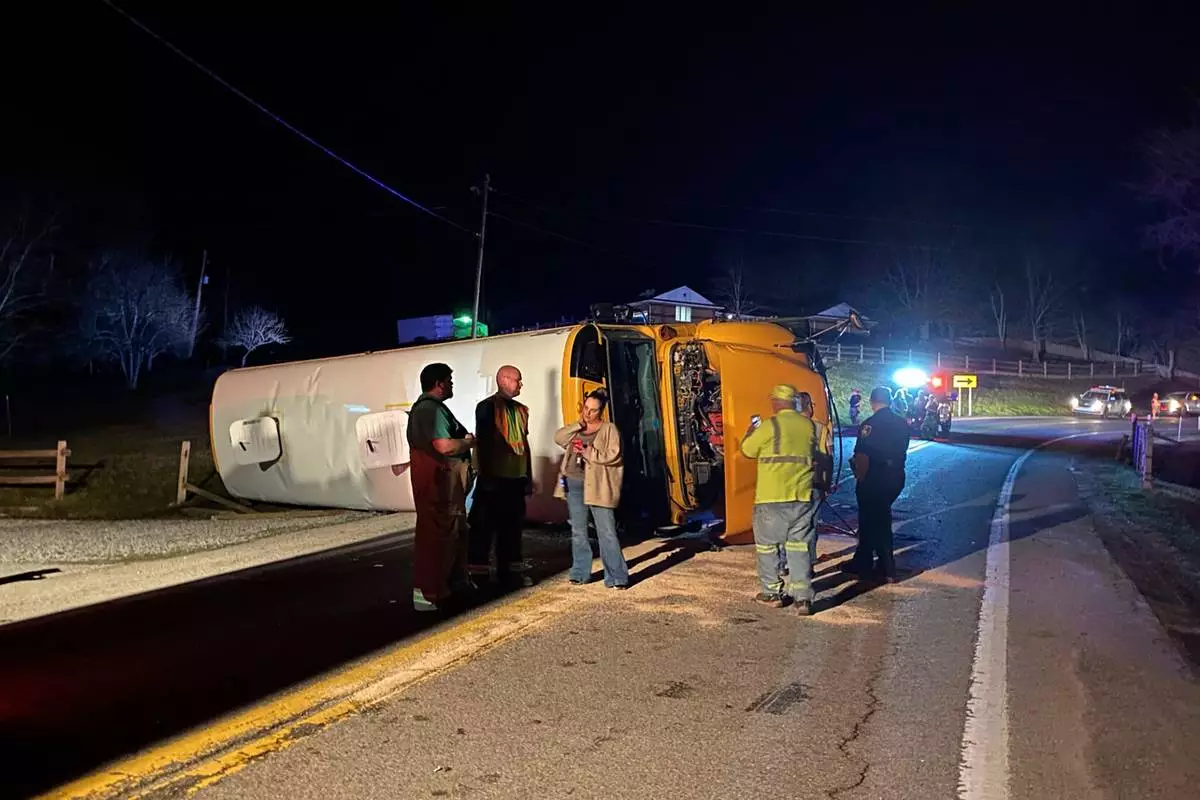
FILE - Emergency personnel respond to the scene of a bus crash, March 4, 2024, on West Virginia Route 16 in Calhoun County, W.Va. (WCHS TV via AP, File)