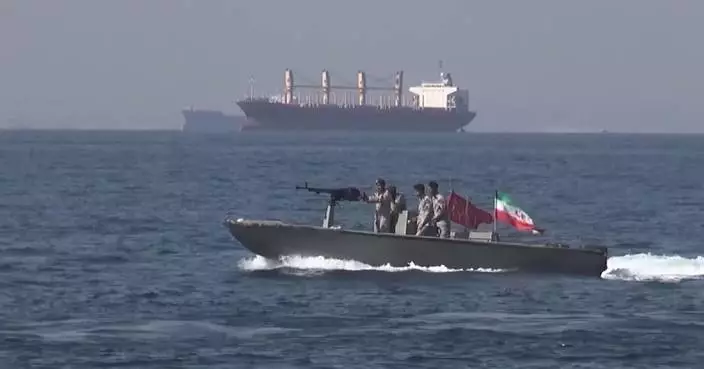
Ali Nikzad, deputy speaker of Iran's Islamic Consultative Assembly, said that Supreme Leader Mojtaba Khamenei has explicitly ordered that the Strait of Hormuz must not return to its pre-war status, according to a report by Iran's Tasnim News Agency on Sunday.
In a social media post on Saturday night, Khamenei urged neighboring Gulf countries to make the correct judgment and remain vigilant against the "false promises of evil".
Meanwhile, Behnam Saeedi, a member of the Islamic Consultative Assembly, said that Iran has developed a comprehensive plan for managing the Strait of Hormuz, Iran's Mehr News Agency reported on Saturday.
Saeedi said that all vessels and ships navigating within this area must obtain permission from Iran, adding that sovereignty over the Strait of Hormuz will be entirely under Iran's control, with Israeli vessels being absolutely prohibited from traversing the area.
Iranian Foreign Minister Seyed Abbas Araghchi has concluded his trip to Pakistan, a mediator between Iran and the United States.
In a post on X, Araghchi described his visit to Pakistan as "very fruitful", and said Iran appreciated Pakistan's "good offices and brotherly efforts to bring back peace to our region".
He said he had shared Iran's position on a framework for permanently ending the war, adding: "Have yet to see if the U.S. is truly serious about diplomacy".
After Araghchi left Pakistan, U.S. President Donald Trump said he had canceled a planned visit to Pakistan by special envoy Steve Witkoff and his son-in-law Jared Kushner.
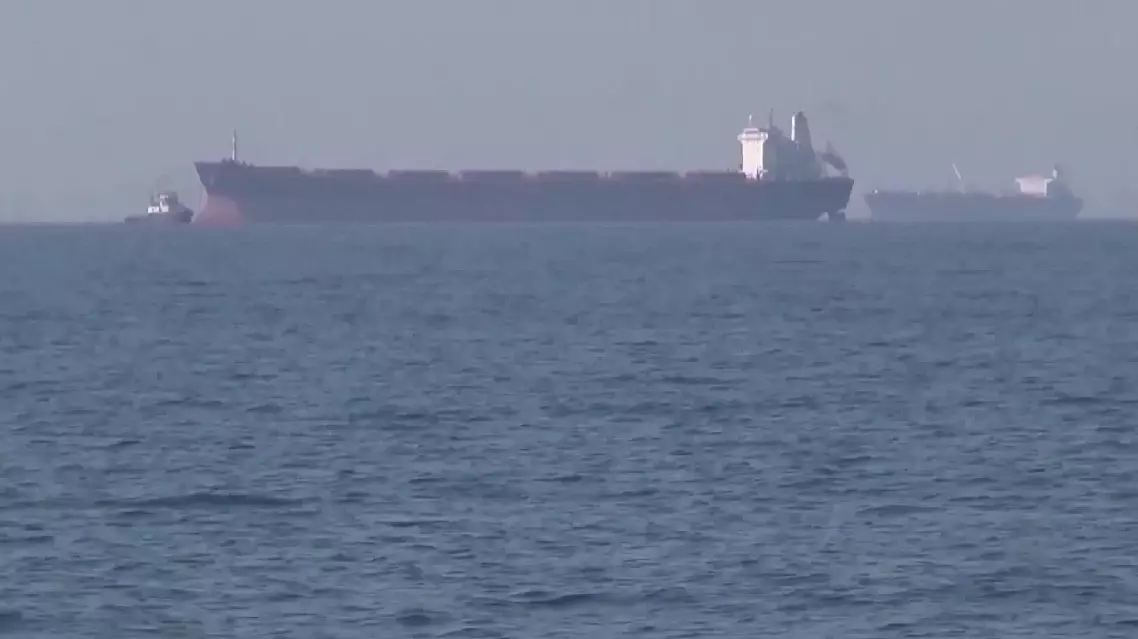
Iran's supreme leader orders Strait of Hormuz must not return to pre-war status
Displaced people in Gaza face perilous living conditions as they huddle inside destroyed buildings that serve as both shelter and risk.
These buildings, partially destroyed due to Israeli strikes, are no longer fit for habitation, yet remain the only option for those who have lost everything.
Aml Masoud, a displaced Palestinian, returned to her home in western Gaza City after the ceasefire, only to find it severely damaged and on the verge of collapse. Having nowhere else to go, she secured sheets to the edge of the crumbling wall, forming a makeshift refuge.
"We have no space to pitch a tent, so we were forced to live between these walls. But this house is extremely dangerous. We live in fear and panic. The cracks are getting worse over time, and we cannot repair anything because the house is leaning, as you can see," said Masoud.
In the absence of safe alternatives, humanitarian pressure and lack of shelter options are forcing families to take the risk of staying in unsafe homes.
"We are scared. This wall might fall on us at any moment while we are talking. Nothing here is safe, everything is destroyed, the walls and pillars are all damaged. Look at these columns; most of them are destroyed. We are afraid it could collapse on us suddenly. Last time, we ran away at midnight in terror because the house was shaking as if it was about to fall," said Fouad Moqatt, another displaced Palestinian.
Gaza has recently witnessed a rise in fatalities caused by collapsing buildings, reaching 25 victims, including women and children. The escalating humanitarian disaster is this time not caused by direct airstrikes, but by their aftermath.
"The Civil Defense's capacity to deal with these unstable buildings is almost nonexistent due to lack of resources. We are talking about more than 1,200 buildings in Gaza that must be demolished immediately with our equipment to prevent danger to civilians," said Mahmod Basal, spokesperson of Palestinian Civil Defense in Gaza.
The United Nations and European Union issued a joint warning on April 20 that human development across Gaza has been set back by a staggering 77 years, with 71.4 billion U.S. dollars needed over the next decade for recovery and reconstruction.
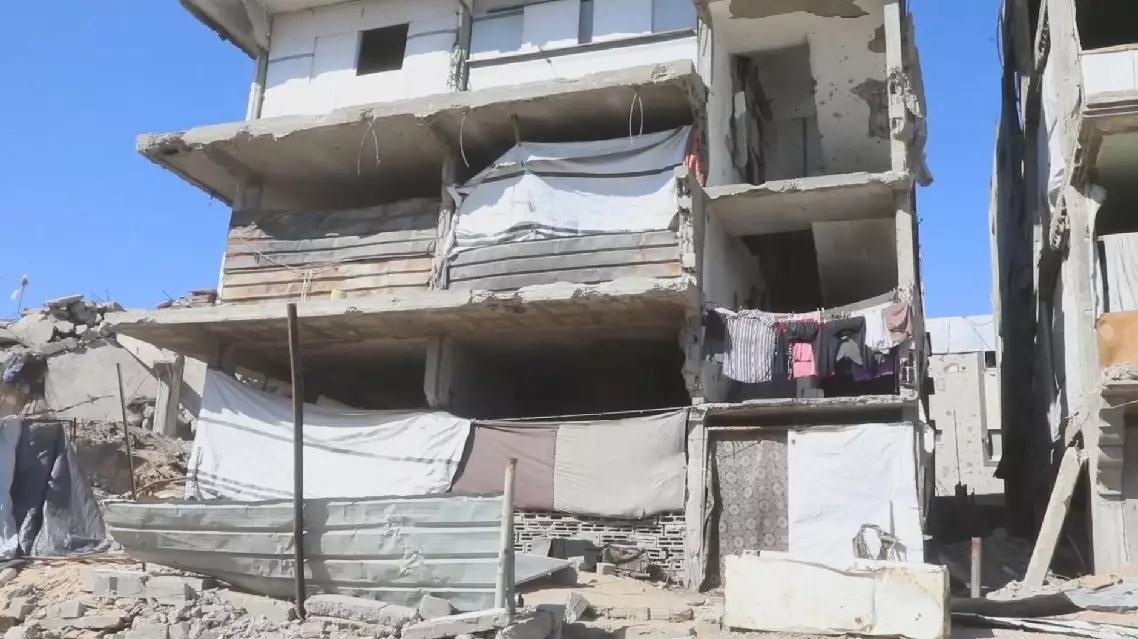
Displaced Palestinians in Gaza forced to shelter in destroyed buildings