With its picturesque views of cloud-wreathed mountains against blooming peach blossoms, the Yarlung Zangbo Grand Canyon in southwest China's Xizang Autonomous Region is nothing short of a wonderland.
From March through April each year, thousands of peach trees burst into full bloom, blanketing the hillsides with seas of pink and white flowers beneath the clouds.
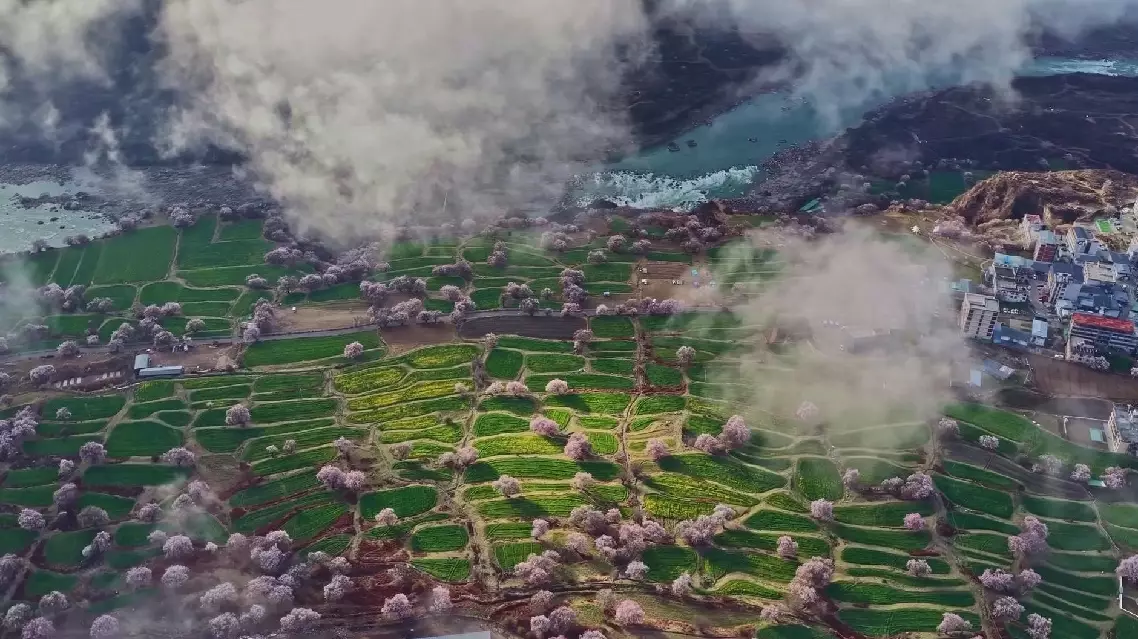
Picturesque peach blossoms turn Yarlung Zangbo Grand Canyon into wonderland
Japanese public have warned against artificial intelligence (AI)-generated disinformation targeting China, after a recent report by Japanese newspaper Asahi Shimbun exposed that some creators in Japan used AI to mass-produce anti-China videos on social media platforms.
Many people expressed concern about the spread of misinformation and urged people to be more cautious online.
"I think identifying a specific country and producing a critical video about it is inherently problematic. From my point of view, such content will inevitably reach audiences, making it essential to exercise caution. Of course, I personally would not do it, but if there were a possibility of producing that kind of content, I think we would need to be careful about those points," said Hajime Tsuchiya, a company employee.
Some residents in Japan stressed the importance of verifying sources before trusting what they see, and also warned against using AI and social media to fuel hostility between countries.
"Yes, I have seen fake videos related to China circulating [on social media platforms]. But there are so many videos being made with AI now, so I do not really trust whether they are true or not," said another company employee Kiho Kamizono.
"When videos are made with AI, it becomes really hard to know what to believe. I think there are people nowadays who make them for profit and for various other reasons, but it means that people who watch media really have to be careful. I think we need to avoid simply seeing one thing and believing it. Instead, we need to look at things from different angles, and properly check who made it and where it was made. That is necessary in this day and age," added Kamizono.
"Because people cannot distinguish between the two, it is deeply concerning that some are producing items that could spark conflict between countries. After all, we are people born on the same planet. Just now, I was having a meal with people from various countries, and I think it is important for people to connect directly and communicate with each other. It would be good if social media platforms were used in a positive way, but I think it is concerning when it is misused and goes in the opposite direction from contributing to world peace," said Kazuko Sakamoto, a tourist guide.
"Those who produce such videos also bear responsibility. The issue is not their technical skill in making the videos. Once created, the content is released into the world. So ideally, the creator should take responsibility and think about whether it is really something that should be released to the public or not. Even when journalists receive various pieces of news, they would check the background and verify whether it is really accurate before making it public, don't they? Without that process, all kinds of information just overflow, and we have to start by asking whether the information is really true or not. Adults have the skills to do that, but children tend to believe what they see exactly as they see it," said Yuriko Tsuchiya, a school teacher.
A recent report by Asahi Shimbun revealed a disturbing trend of creators in Japan using AI to mass-produce videos with anti-China content, further inflaming anti-China sentiment in the country.
The report says Japan's online staffing agency CrowdWorks openly recruited creators to fabricate stories featuring Chinese individuals engaging in disruptive behavior.
One former civil servant told Asahi Shimbun that he made anti-China videos for more money. The man also admitted he has never been to China nor interacted with any Chinese people. Another part-time creator told the Japanese newspaper that he initially made videos with positive messages about Japan, but gradually noticed a significant increase in orders for negative contents about China.
An expert said the phenomenon reflects a structural issue about the attention economy: the more a video inflames negative emotions, the more revenue it generates.
Experts warn that the use of AI to mass-produce fake anti-China videos shows how technology can be manipulated to systematically stigmatize another nation, and such videos could erode Japanese society's understanding of China, and further limit the possibility of improving bilateral relations.
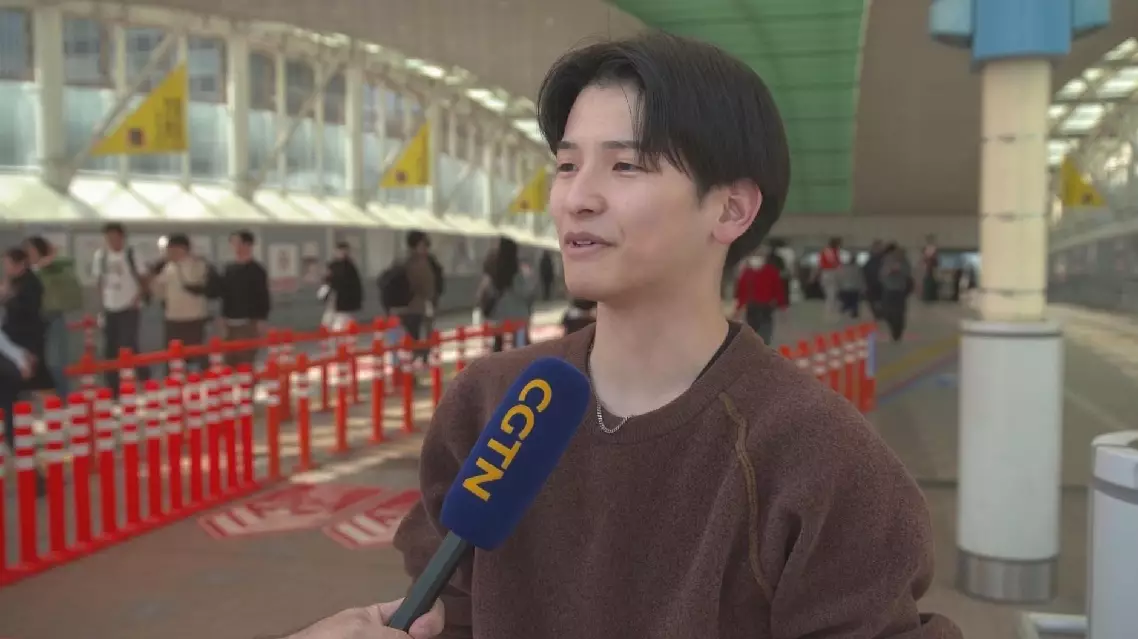
Japanese public warn against AI disinformation targeting China