CHICAGO (AP) — A robbery suspect now faces murder and attempted murder charges along with a long list of other felony counts in the shooting death of a Chicago police officer and the wounding of another at a hospital where they took him for treatment.
Alphanso Talley, 26, was scheduled to make his first appearance Monday in Cook County Circuit Court, the state’s attorney’s office said.
Click to Gallery
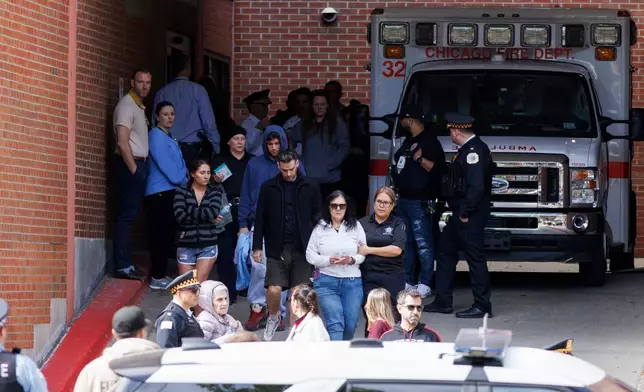
People walk outside of Illinois Masonic Hospital Advance Care in Lake View after a shooting Saturday, April 25, 2026, in Chicago. (Anthony Vazquez/Chicago Sun-Times via AP)
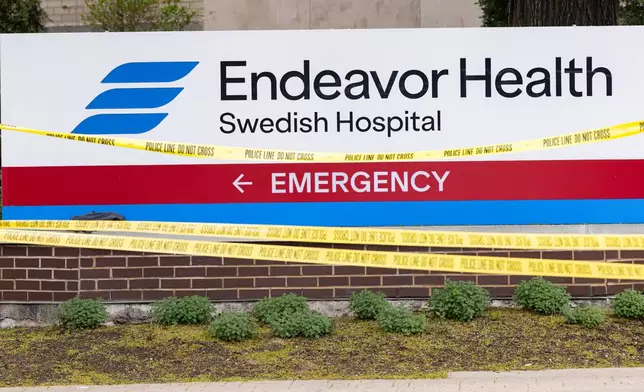
Tape covers the area outside of Endeavor Health Swedish Hospital in Chicago, Saturday, April 25, 2026, after a shooting. (Anthony Vazquez/Chicago Sun-Times via AP)
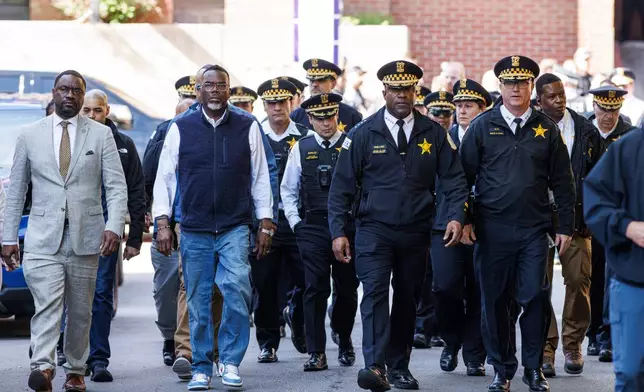
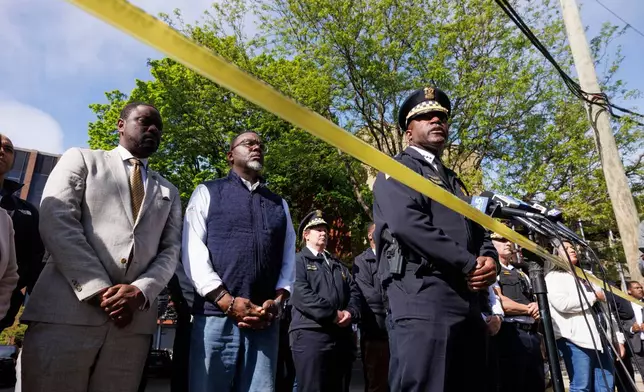
Mayor Brandon Johnson and Chicago Police Dept. Superintendent Larry Snelling are joined by other officials as they walk to address media outside of Illinois Masonic Hospital Advance Care in Lake View after a shooting Saturday, April 25, 2026, in Chicago. (Anthony Vazquez/Chicago Sun-Times via AP)
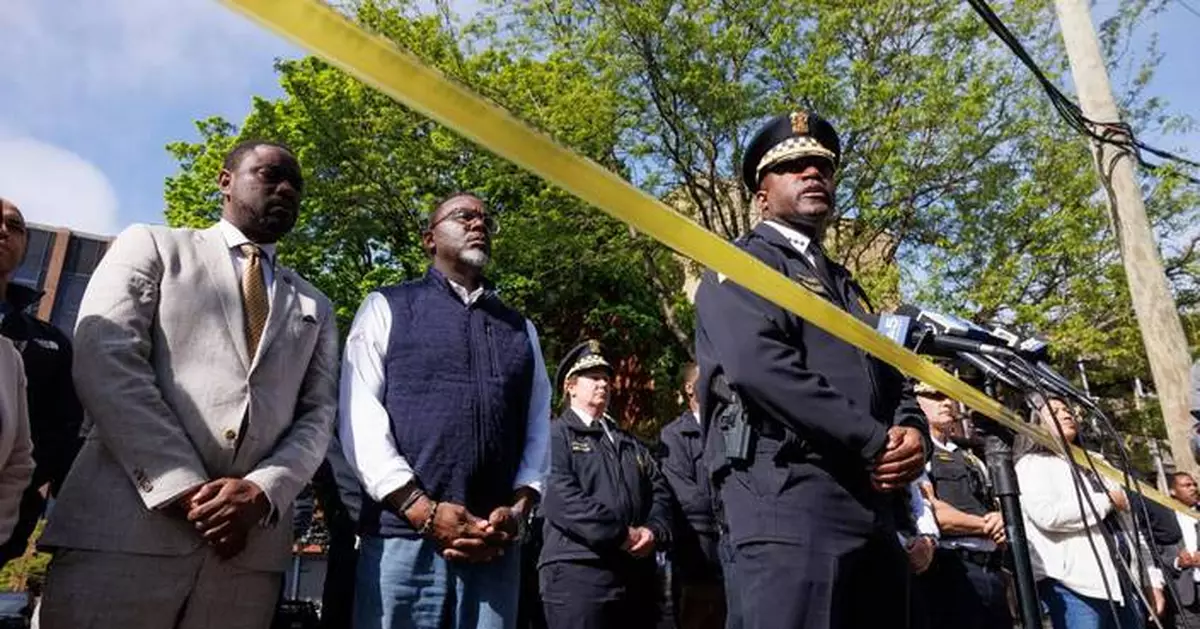
Chicago Police Dept. Superintendent Larry Snelling addresses media outside of Illinois Masonic Hospital Advance Care in Lake View after a shooting Saturday, April 25, 2026, in Chicago. (Anthony Vazquez/Chicago Sun-Times via AP)
Officer John Bartholomew, 38, a 10-year veteran of the force, was pronounced dead just before 1 p.m. Saturday after being shot at Endeavor Health Swedish Hospital, according to the Cook County Medical Examiner’s Office.
A second officer was critically wounded in the Saturday morning shooting, police said. His name was not immediately released. Chicago police Superintendent Larry Snelling said in a statement Monday that the wounded officer — 57 years old with 21 years of service — was “still fighting for his life.”
“Though this does not bring solace to this tragedy, it does bring the first step in accountability,” Snelling said of the charges.
Talley doesn't appear to have a listed phone number. There were no listed numbers for any of his relatives, and a spokesman for the public defender’s office said it couldn’t comment on his behalf ahead of Monday's hearing because no attorney had yet been appointed.
The officers had taken Talley, who had been arrested for suspicion in an armed robbery that morning, to the hospital for observation. He fled after the shooting — a surveillance photo obtained by the Chicago Sun-Times appeared to show him running naked, with electrodes on his chest — and was arrested less than two hours later.
Police have not said how the suspect was able to get a gun. Snelling said investigators ultimately recovered three weapons.
“This shooting was a stark and heartbreaking reminder of the dangers our officers face all too often on this job,” Snelling said.
The hospital said in a Facebook posting that an individual in custody of law enforcement had been brought to the emergency department for treatment and was “wanded upon arrival” in a search for any weapons, following protocol. He was escorted by law enforcement at all times, the hospital said.
According to Illinois Department of Corrections records, Talley’s criminal record includes convictions for aggravated battery of a peace officer and for aiding, abetting, possessing or selling a stolen motor vehicle in 2023, as well as previous robbery and firearms convictions. A Cook County public defender represented Talley in that case.
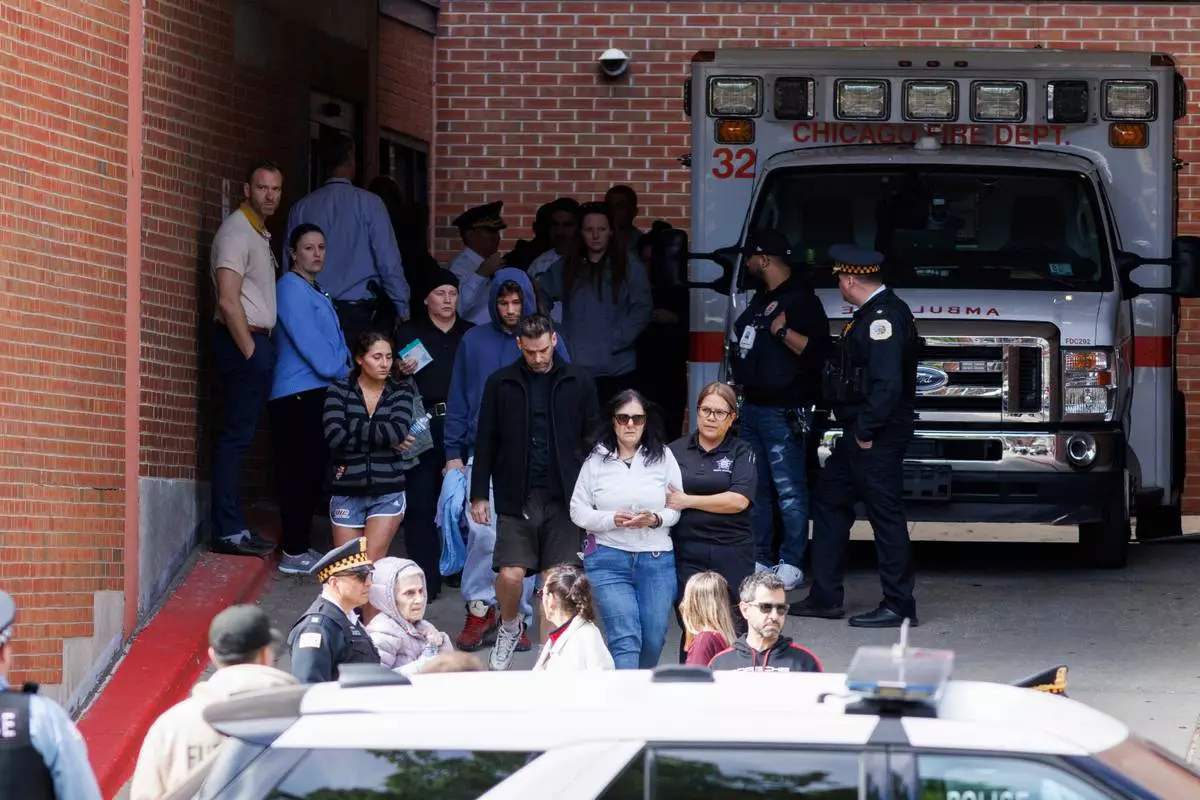
People walk outside of Illinois Masonic Hospital Advance Care in Lake View after a shooting Saturday, April 25, 2026, in Chicago. (Anthony Vazquez/Chicago Sun-Times via AP)
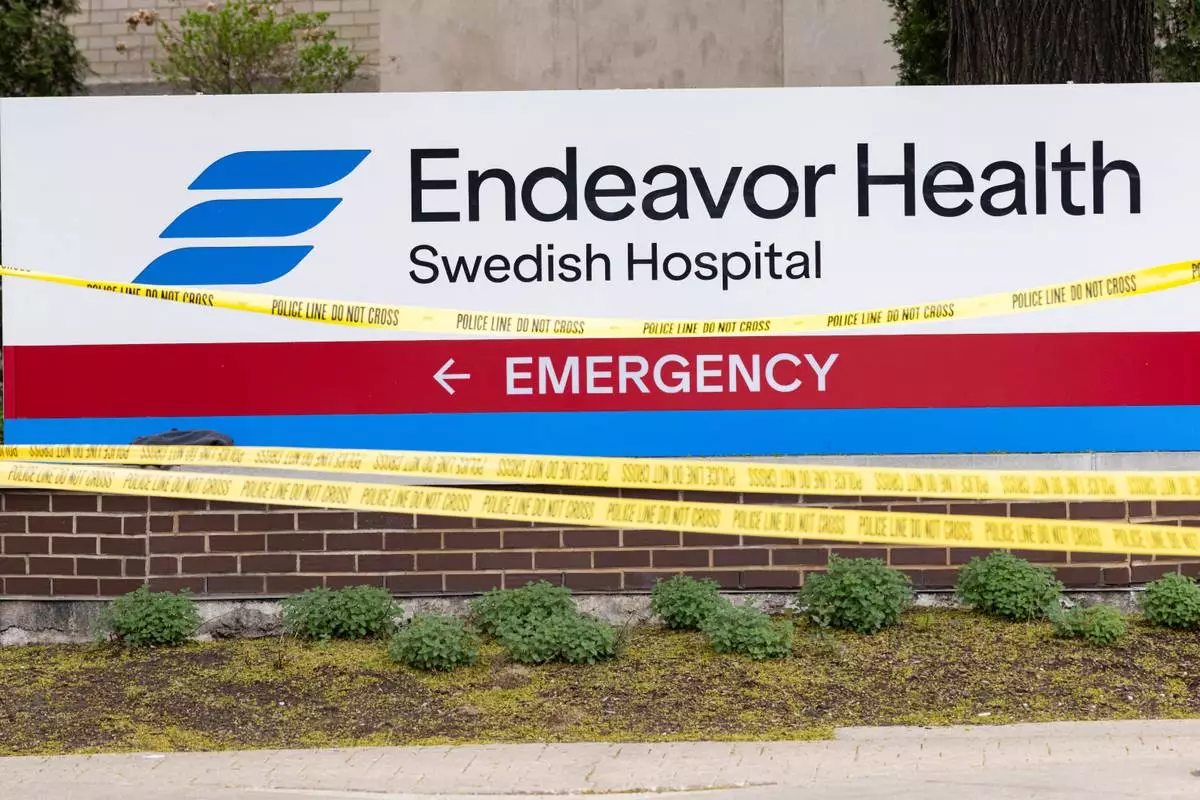
Tape covers the area outside of Endeavor Health Swedish Hospital in Chicago, Saturday, April 25, 2026, after a shooting. (Anthony Vazquez/Chicago Sun-Times via AP)
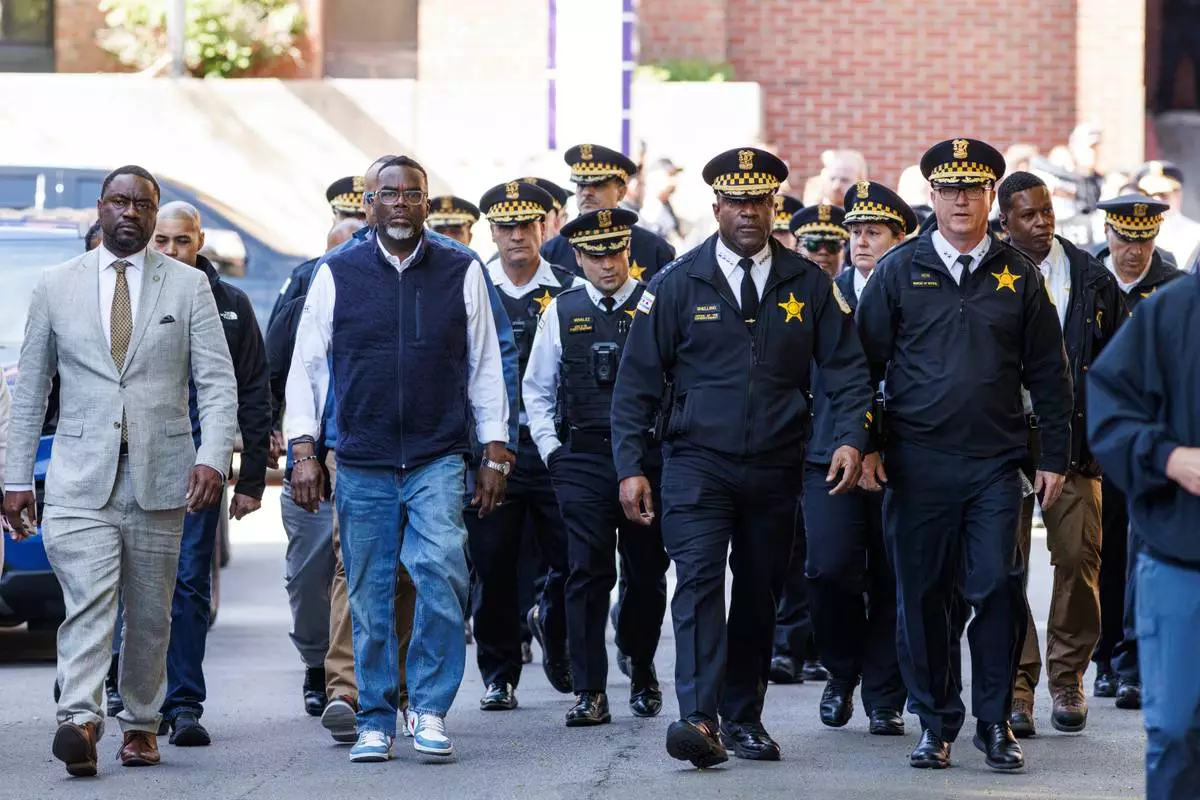
Mayor Brandon Johnson and Chicago Police Dept. Superintendent Larry Snelling are joined by other officials as they walk to address media outside of Illinois Masonic Hospital Advance Care in Lake View after a shooting Saturday, April 25, 2026, in Chicago. (Anthony Vazquez/Chicago Sun-Times via AP)
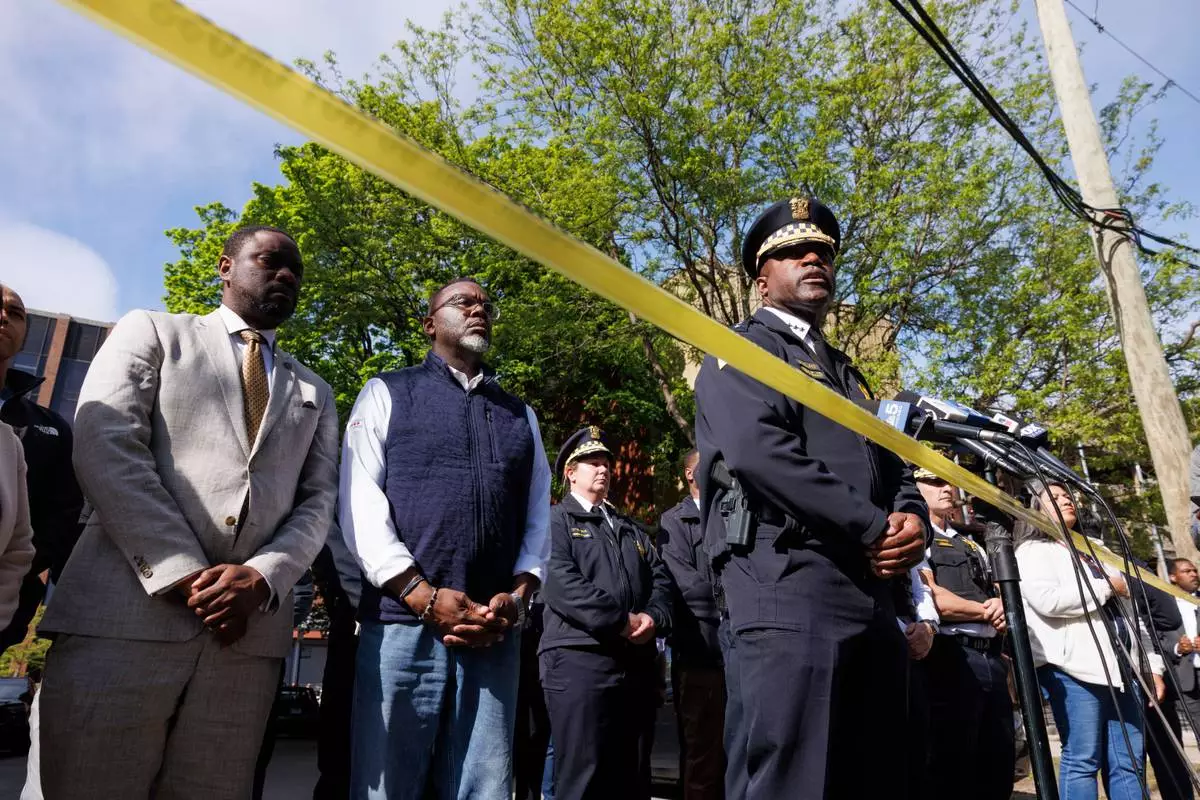
Chicago Police Dept. Superintendent Larry Snelling addresses media outside of Illinois Masonic Hospital Advance Care in Lake View after a shooting Saturday, April 25, 2026, in Chicago. (Anthony Vazquez/Chicago Sun-Times via AP)
RICHMOND, Va. (AP) — Virginia Supreme Court justices on Monday questioned whether the state's Democratic-led legislature complied with constitutional requirements when it sent a congressional redistricting plan to voters, in a case that carries high stakes for the balance of power in the U.S. House.
The new districts, which could net Democrats four additional seats, won narrow voter approval last week. But a Republican legal challenge contends the General Assembly violated procedural rules by placing the constitutional amendment before voters to authorize the mid-decade redistricting. If the court agrees that lawmakers broke the rules, it could invalidate the amendment and render last week's statewide vote meaningless.
The Virginia court proceedings mark the latest twist in a national redistricting battle between Republicans and Democrats seeking an advantage in a November midterm election that will determine whether Republicans maintain their narrow majority in the U.S. House.
President Donald Trump kicked off a tit-for-tat round of gerrymandering last summer when he urged Texas Republicans to redraw districts to their favor in an attempt to win several additional House seats. That set off a chain reaction of similar moves in other states, leading to the voter approval last week of Virginia's new map.
Next up is Florida, where Republican Gov. Ron DeSantis has included congressional redistricting on the agenda for a special session of the GOP-controlled Legislature beginning Tuesday.
During Monday's arguments, the Virginia Supreme Court focused on whether the new congressional districts should be invalidated because of the process used by lawmakers. The justices issued no immediate ruling.
Because the state’s redistricting commission was established by a voter-approved constitutional amendment, lawmakers had to propose an amendment to redraw the districts. That required approval of a resolution in two separate legislative sessions, with a state election sandwiched in between, to place the amendment on the ballot.
The legislature's first vote occurred last October — while early voting was underway but before it concluded on the day of the general election. Judicial questioning focused on whether that was too late, because early voting already had begun.
Attorney Matthew Seligman, who defended the legislature, argued that the “election” should be defined narrowly to mean the Tuesday of the general election. In that case, the legislature's first vote on the redistricting amendment occurred before the election and was constitutional, he told judges.
But an attorney arguing for the plaintiffs, Thomas McCarthy, said “election” means the entire period during which people can cast ballots, which lasts several weeks in Virginia. If that's the case, then the legislature's initial endorsement of the redistricting amendment came too late to comply with the state constitution, he said.
The purpose of Virginia's two-step amendment process, with an intervening election, is so voters can know whether legislative candidates support or oppose a proposed constitutional amendment, McCarthy said.
He pointed to the case of Democratic voter Camilla Simon, one of the plaintiffs in the lawsuit alongside Republican state lawmakers, who cast an early vote last fall for Democratic Del. Rodney Willett. After she voted, Willett sponsored the Democratic redistricting amendment, and Simon wished she could have undone her vote, McCarthy said.
“None of these voters had any idea this was coming, and that’s not how this process is supposed to work,” McCarthy told the justices.
Those defending the Democratic redistricting plan also contend that the voters' will should be respected.
The people voted to ratify the constitutional amendment, “and the challengers are asking to overturn that democratic result,” Seligman told reporters after the arguments.
So far, the two major parties have battled to a near draw in the states that have redrawn their congressional maps for this year's midterms.
Republicans think they could win up to nine more seats under revised districts in Texas, Missouri, North Carolina and Ohio. Democrats think they could win as many as 10 additional seats under new districts in California, Utah and Virginia. But legal challenges remain in both Virginia and Missouri.
Virginia currently is represented in the U.S. House by six Democrats and five Republicans who were elected from districts imposed by a court after a bipartisan redistricting commission failed to agree on a map after the 2020 census. The new districts, which narrowly won voter approval last Tuesday, could give Democrats an improved chance to win 10 districts.
Some candidates already have begun campaigning based on the new districts in advance of the state's Aug. 4 primary election.
In January, a judge in rural Tazewell County, in southwestern Virginia, ruled that lawmakers failed to follow their own rules for adding the redistricting amendment to a special session last fall. Circuit Judge Jack Hurley Jr. also ruled that lawmakers failed to initially approve the amendment before the public began voting in last year’s general election and that the state had failed to publish the amendment three months before the election, as required by law. As a result, he said, the amendment is invalid and void.
The Virginia Supreme Court placed Hurley's order on hold and allowed the redistricting vote to proceed before hearing arguments on the case.
During Monday's arguments, justices also raised questions about the ability of lawmakers to expand the agenda for their special session and whether the three-month public notice requirement was important enough to thwart a voter-approved amendment.
Republicans have filed at least two additional legal challenges, which also are winding their way through the courts.
Lieb reported from Jefferson City, Missouri. Associated Press writers Allen G. Breed in Richmond and Nicholas Riccardi in Denver contributed to this report.
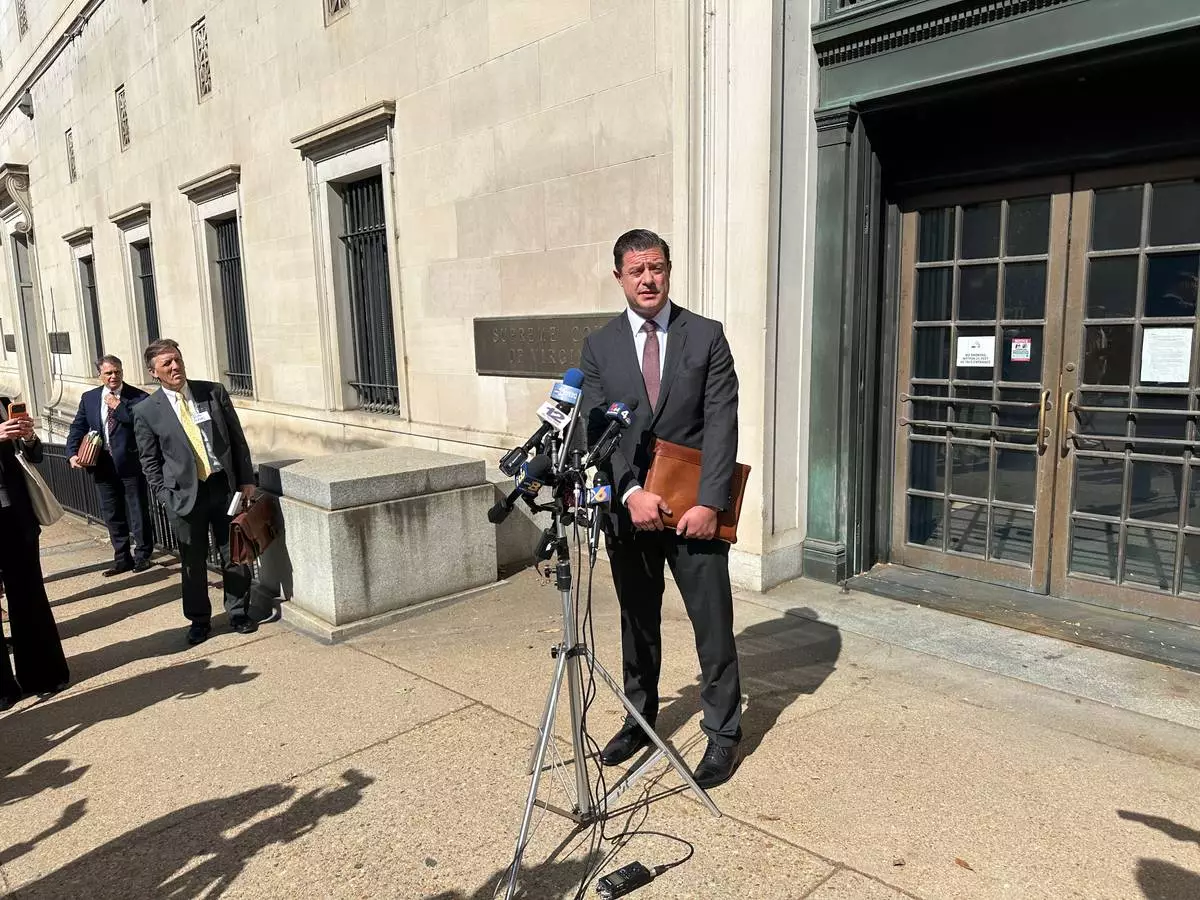
Attorney Matthew Seligman, representing Democratic state legislators, speaks with the media following a hearing on new congressional maps before the state Supreme Court in Richmond, Va., on Monday, April 27, 2026. (AP Photo/Allen G. Breed)
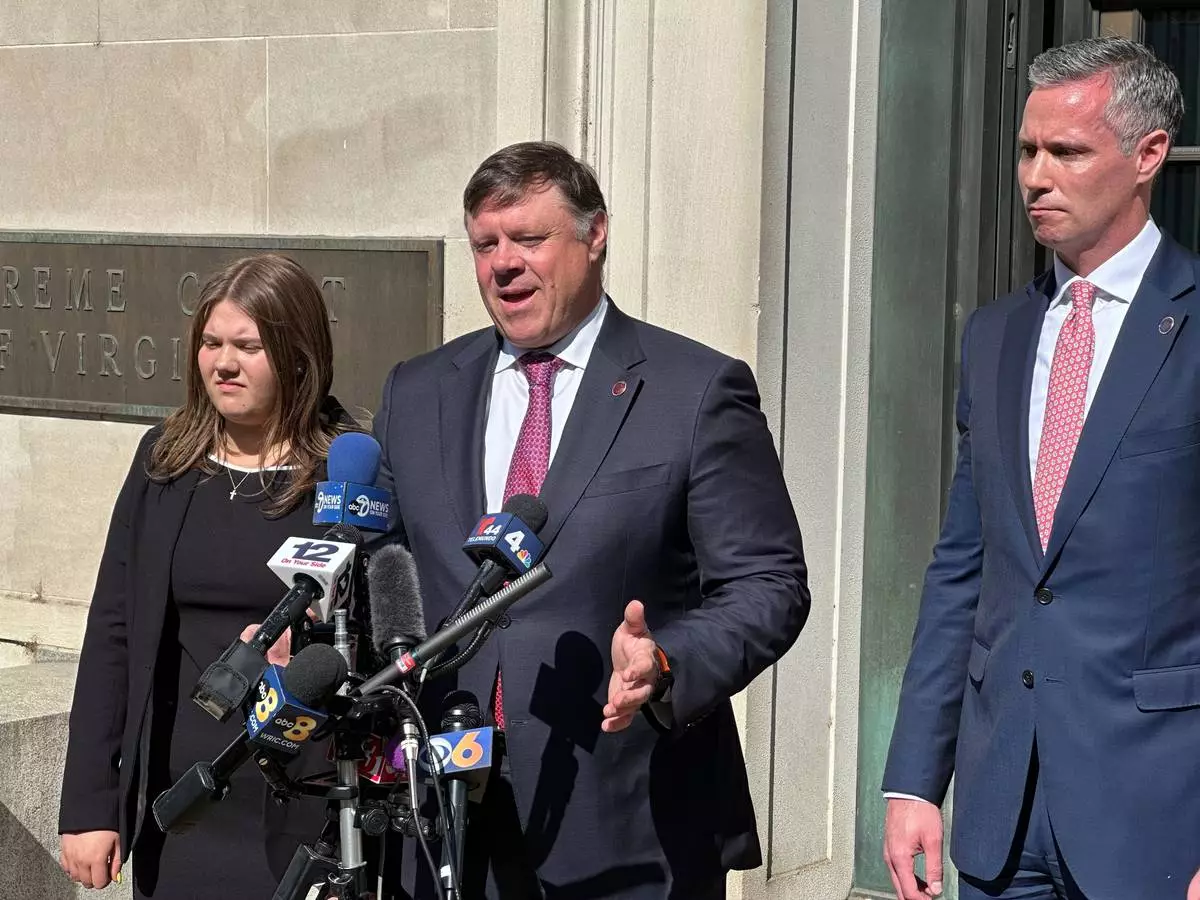
State Senate Minority Leader Ryan McDougle, center, speaks with the media following a hearing on new congressional maps before the state Supreme Court in Richmond, Va., on Monday, April 27, 2026. (AP Photo/Allen G. Breed)
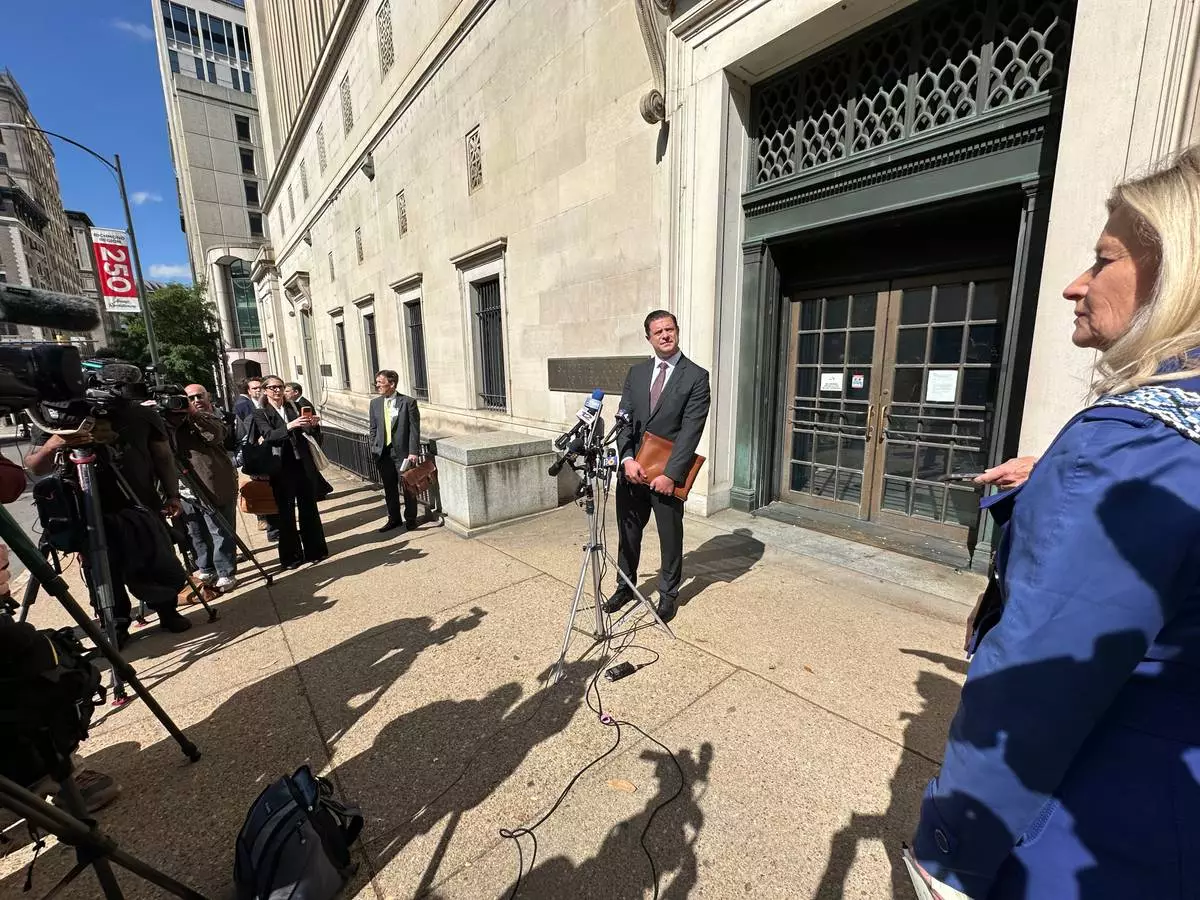
Attorney Matthew Seligman, representing Democratic state legislators, speaks with the media following a hearing on new congressional maps before the state Supreme Court in Richmond, Va., on Monday, April 27, 2026. (AP Photo/Allen G. Breed)
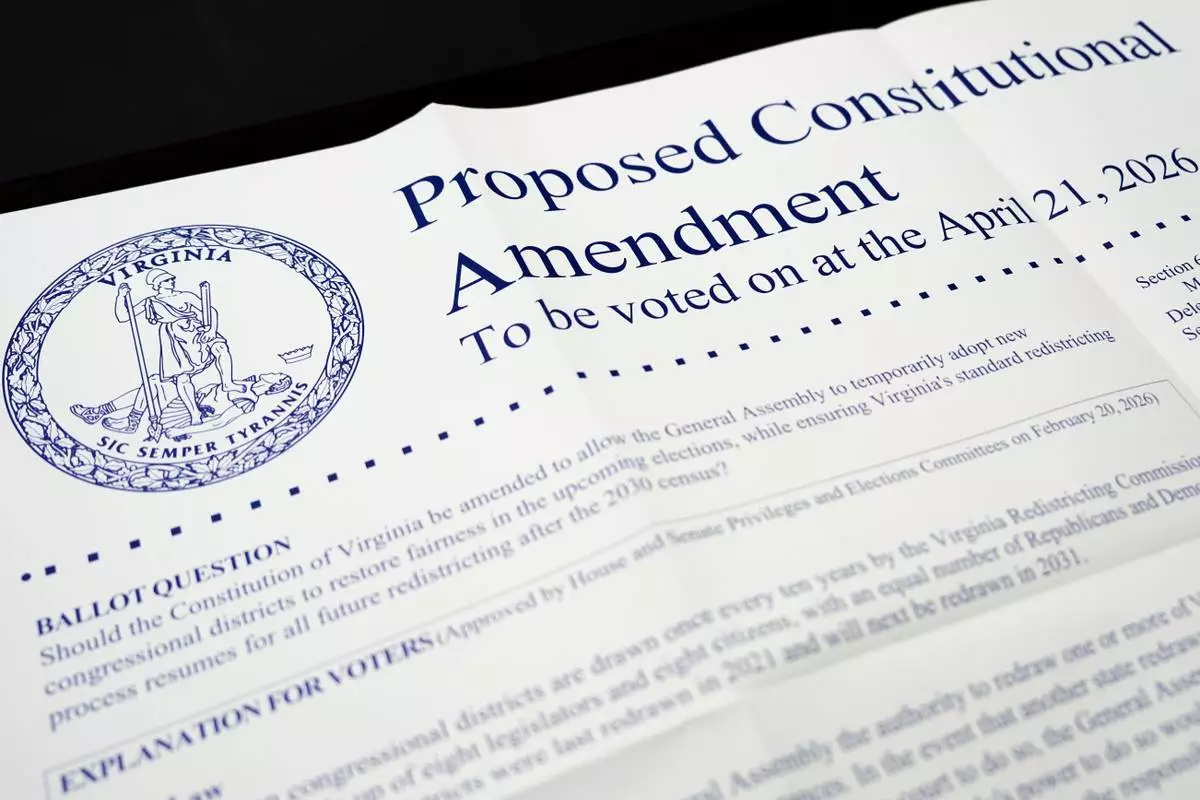
A poster on the Virginia redistricting referendum is seen during voting at Mason Square, Tuesday, April 21, 2026, in Alexandria, Va. (AP Photo/Julia Demaree Nikhinson)
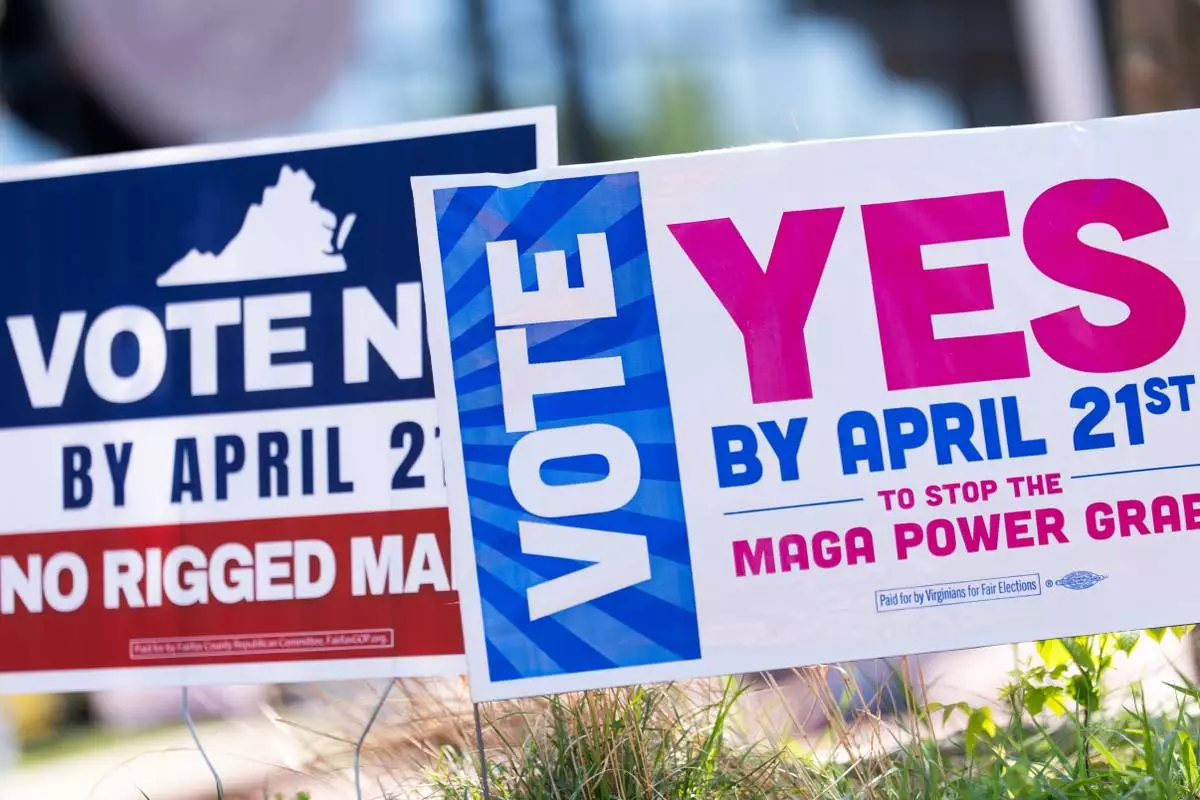
Signs are seen outside Fairfax Government Center during the Virginia redistricting referendum, Tuesday, April 21, 2026, in Fairfax, Va. (AP Photo/Julia Demaree Nikhinson)