A former Israeli government negotiator says public sentiment in the United States on wars in the Middle East has undergone a "sea change", as Americans remain unconvinced that the conflict with Iran serves their national security interests and are inclined to see Israel as having dragged the U.S. in to a "war of choice".
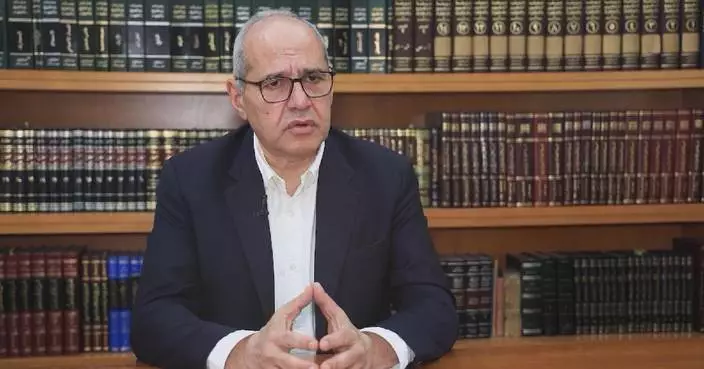
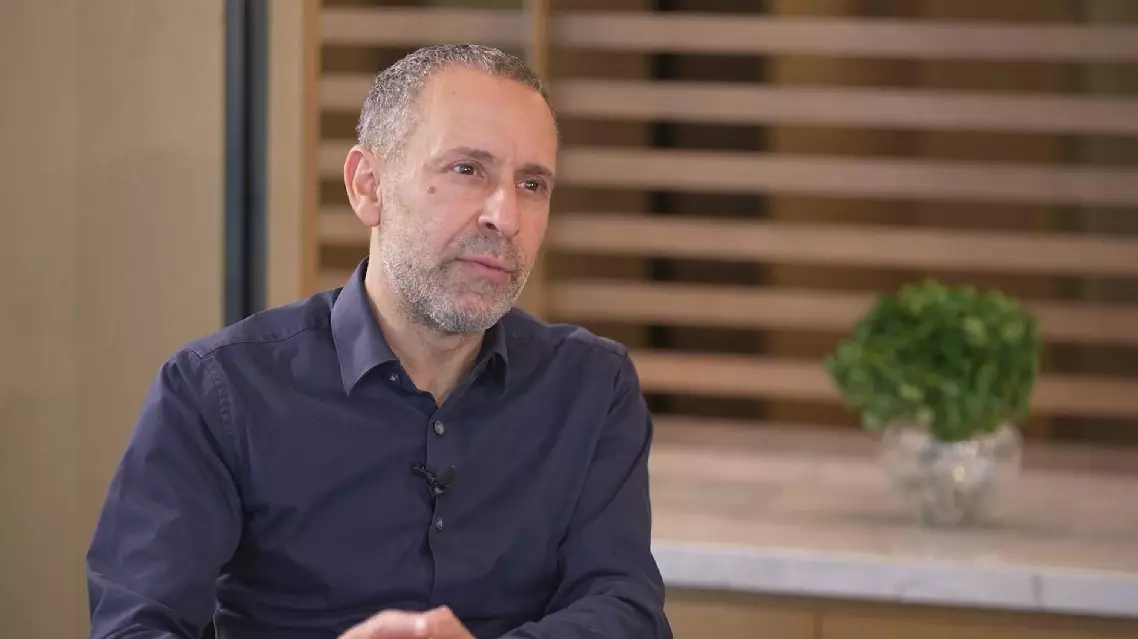
In an exclusive interview with China Global Television Network (CGTN), Daniel Levy, former advisor to the Israeli Prime Minister's Office, said that the lack of a credible American interest in the current hostilities has led to a fundamental shift in how tensions in the Middle East are viewed by the U.S. public.
"The U.S. likes to see things more often than not through a quite Manichean lens. There's the good guys and the bad guys. There's lots of bad guys in the Middle East. America keeps finding itself stuck in Middle Eastern quagmires. We thought that was over. We may be back to one. What is unusual this time around is that Israel and its supporters managed to pull America into such a war of choice that has had these massive spillover consequences, that they did so with a really flimsy layer, a really thin layer of American national security interest justification. But most of the American public are struggling to see the imminent threat and the vital American national security interest in this war, and therefore the transparency of this being primarily about Israel is much more visible for people to see this time. There has been a sea change in American public opinion, partly because Israel has done this in such a transparent fashion," he said.
Levy described the complex dynamics of U.S.-Israeli relations, explaining how Israel has "tested the boundaries" of ceasefire agreements to end the conflict with Iran.
"One has to understand a very basic part of this equation, which is once America tells Israel to do something and says if not, we will use our leverage, it's game over essentially. So if America says stop, Israel stops. Israel tries to prevent that moment of stop. If that moment of stop happens, then what you tend to see is an Israel that tests the boundaries. What could we still do? Maybe we can't do certain things in the context of the war with Iran. Maybe we have to do those covertly rather than overtly, and what about the other theaters of war," he said.
U.S. public opinion on war in Middle East undergoing 'sea change': analyst