Skip to Content Facebook Feature Image

Starting April 30, Possession or Use of Alternative Smoking Products Prohibited in Public Places across Hong Kong

HK

Starting April 30, Possession or Use of Alternative Smoking Products Prohibited in Public Places across Hong Kong
HK

HK

Starting April 30, Possession or Use of Alternative Smoking Products Prohibited in Public Places across Hong Kong

2026-04-29 12:20 Last Updated At:12:20

Starting tomorrow (April 30), Hong Kong will enforce a new ban on the possession and use of alternative smoking products, including e-cigarettes, heated tobacco products, and herbal cigarettes in public places across the city. Even carrying these items without using them is illegal. Offenders face a minimum fine of HKD$ 3,000 and a maximum fine of HKD$50,000, and up to six months in prison.
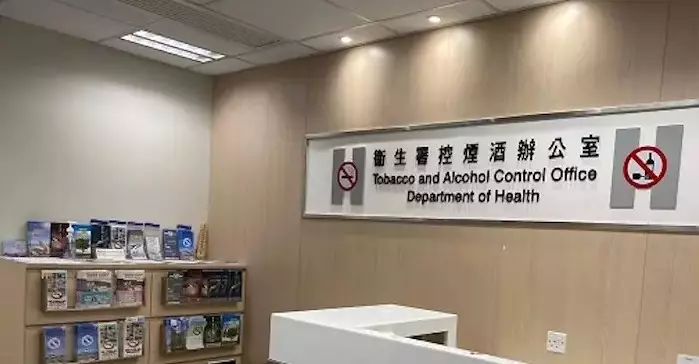
The Tobacco and Alcohol Control Office, Photo source: reference image

The Tobacco and Alcohol Control Office, Photo source: reference image

Dr. Lam Man Chung, Head of the Tobacco and Alcohol Control Office of the Department of Health, said today (April 29) that with the upcoming May Day Golden Week holiday, authorities have enhanced publicity at various border crossings to remind incoming visitors of the new rules. He noted that the Tobacco and Alcohol Control Office has cooperated with Hong Kong Customs to display promotional materials introducing the new regulations at control points. At the same time, the Office has partnered with the Hong Kong Tourism Board to display posters and distribute leaflets at visitor information centres, ensuring visitors can be informed as soon as they arrive in Hong Kong.

In addition to local outreach, authorities have obtained the assistance of the Shenzhen Municipal Health Commission and the Shenzhen Port Office to broadcast Hong Kong's new measures on large electronic displays within the Mainland areas of the control points. Dr. Lam said the initiative aims to ensure that visitors can fully understand the relevant prohibitions before entering Hong Kong, helping them avoid unwittingly breaking the law.
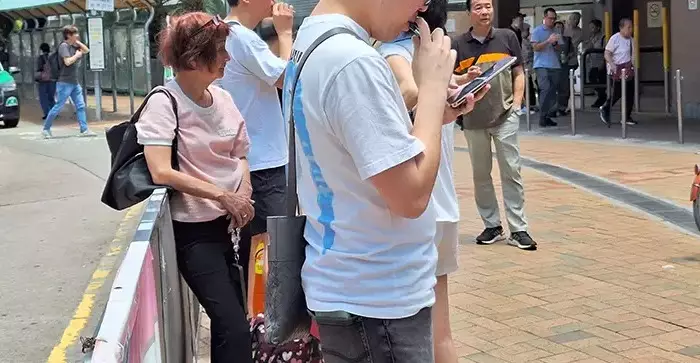
The initiative aims to ensure that visitors can fully understand the relevant prohibitions before entering Hong Kong, helping them avoid unwittingly breaking the law. Photo source: reference image


The initiative aims to ensure that visitors can fully understand the relevant prohibitions before entering Hong Kong, helping them avoid unwittingly breaking the law. Photo source: reference image

Public urged to guard against repeated fake messages on Guangdong-Hong Kong Regular Quotas for vehicles

A spokesman for the Transport Department (TD) today (April 29) again reminded members of the public not to be misled by recent fake messages in social media and messaging groups that claim Hong Kong residents can directly apply for valid permanent Guangdong-Hong Kong Regular Quotas for their vehicles and use various boundary control points (BCPs). The case will be referred to law enforcement agencies for follow-up.

A spokesman for the TD clarified that applicants for the Regular Quotas must meet the application requirements stipulated by the Mainland authority and submit the specified documents (such as business registration documents of both Guangdong and Hong Kong) to the Mainland authority. Upon receipt of the Mainland Approval Notice from the Mainland authority, applicants may then apply to the TD of the HKSAR Government for Closed Road Permits for the designated land-based boundary control points.

The spokesman added, "Similar false information has from time to time appeared in local and Mainland social media and messaging groups. Such messages repeatedly impersonate government announcements, falsely claiming that quotas are not subject to BCPs or eligibility criteria to solicit clients. Members of the public should heighten vigilance."

The HKSAR Government stressed that the arrangements for the Regular Quotas and the use of BCPs are serious issues which must be jointly deliberated by the governments of the two places holistically. Citizens should refer to official announcements, verify messages carefully and stay alert against deception to avoid disruption to their travel plans.

Source: AI-found images

Source: AI-found images

Recommended Articles