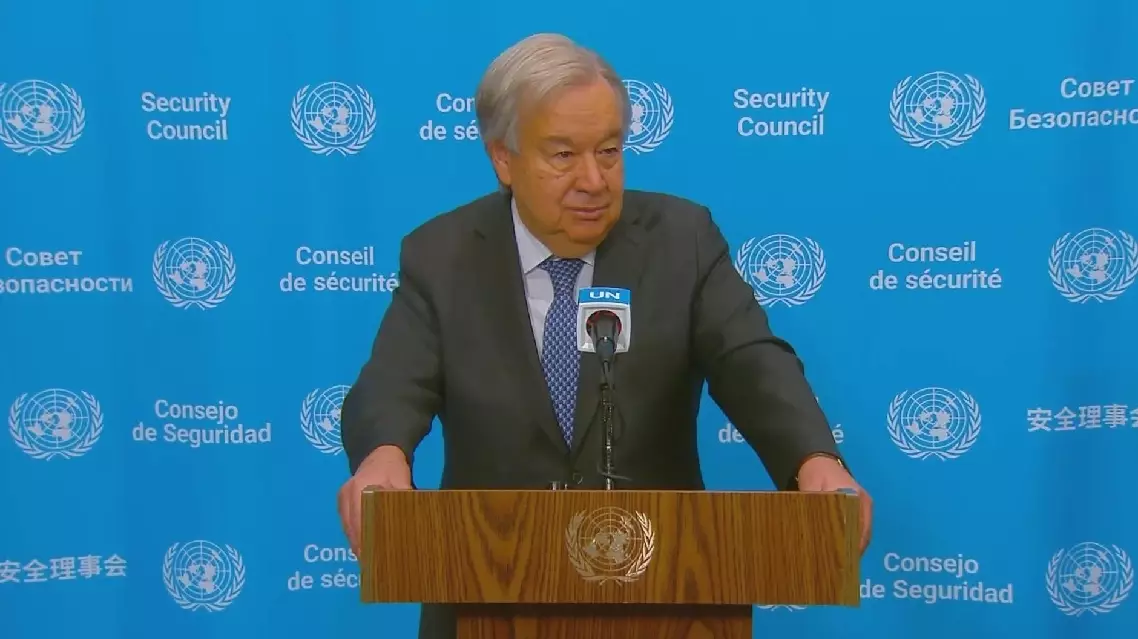
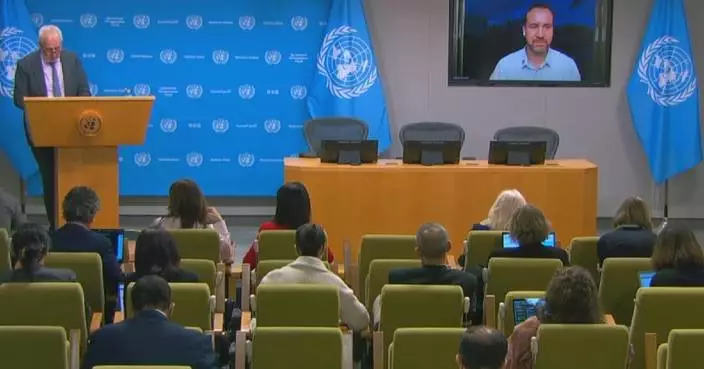
Officials and business leaders in South Africa and Kenya welcomed China's zero‑tariff policy for 53 African countries, saying the measure will expand trade opportunities, lower costs for small enterprises, and strengthen bilateral cooperation.
In June 2025, Xi Jinping wrote in a congratulatory letter to the FOCAC coordinators' meeting, noting that China was prepared to negotiate and sign a China‑Africa Economic Partnership for Shared Development, extending zero‑tariff treatment on all tariff lines to 53 African countries with diplomatic ties to Beijing.
Starting May 1 this year, the zero‑tariff treatment for products from the 53 African countries will take effect. South African officials said the move will open new opportunities for trade and cooperation.
"That's a great opportunity. Starting from the first of May, we will take advantage of that. Going forward, products that we're sending into China duty-free will be increasing," said Parks Tau, the Minister of Trade, Industry and Competition of South Africa.
"First of all, we want to thank President Xi Jinping for the great initiative that he has implemented of initiating the zero-tariff for African countries. I think this is a huge milestone for us as a country, specifically for our traders in the city of Johannesburg. Such an announcement will obviously open up more opportunities for us to trade with China," said Amukelani Kubayi, acting director for Trade and Investment Promotion for the City of Johannesburg.
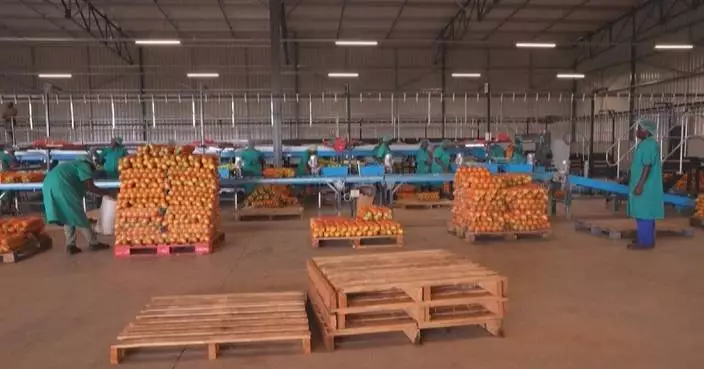
Kubayi noted that small and medium-sized enterprises (SMEs) will be the first beneficiaries. South African agricultural products, such as citrus fruits, wine, and aloe-based products, are expected to expand their export scale to China, supported by the zero-tariff policy.
South African businessmen who have long maintained trade ties with China have expressed similar expectations.
"It's going to be so important that things are zero rated for us, it means that there will be notable savings for us as an SME. We as a South African company welcome what the President of China, Xi Jinping, has done for South Africa. We are creating cooperation between the two countries and be able to do more from an innovation and from technology within South Africa," said Manelisa Bane, a South African businessman.
On Monday, the Embassy of China in Kenya, together with Kenya's Ministry of Foreign and Diaspora Affairs, hosted a seminar titled "Zero Tariffs, Infinite Opportunities." During the event, a Kenyan official expressed anticipation for the implementation of China's zero-tariff policy, stating that Kenya will seize this valuable opportunity to continuously improve product quality and the business environment, ultimately bringing tangible benefits to the Kenyan people. "Kenya-China partnership is permanent, versatile and resilient in an increasingly turbulent global, political and economic environment," said Josphat Maikara, director general for Political and Diplomatic Affairs at the Ministry of Foreign and Diaspora Affairs (of Kenya).
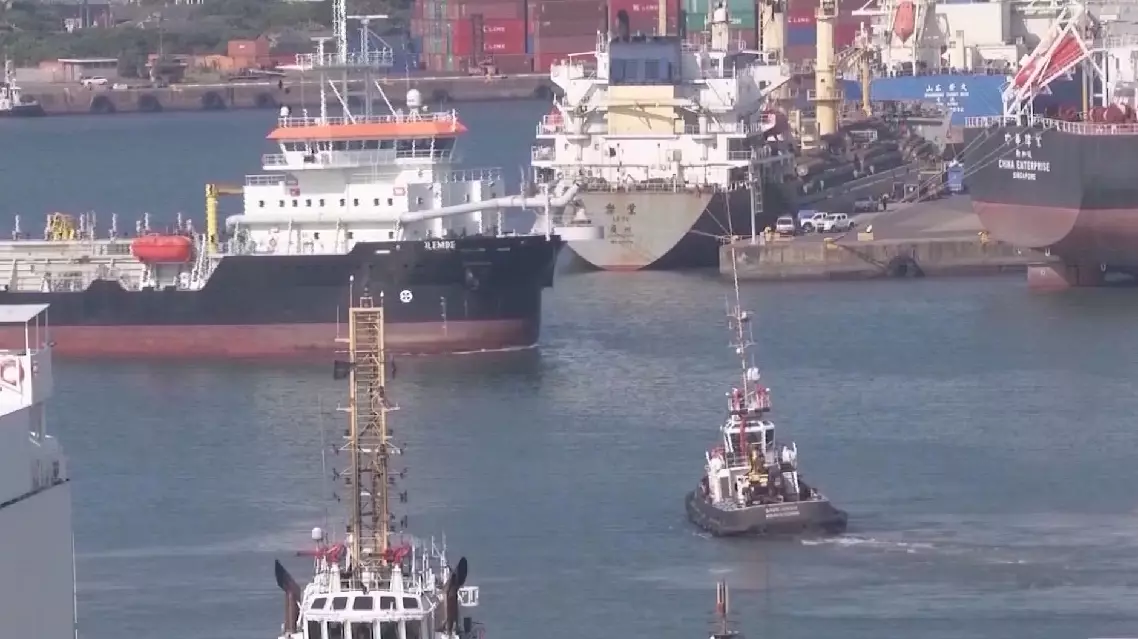
African trade officials, SMEs eye gains from China's zero‑tariff policy
African trade officials, SMEs eye gains from China's zero‑tariff policy