KYIV, Ukraine (AP) — Rapid military adoption of artificial intelligence is becoming essential to Ukraine's survival, even as full integration across the battlefield may still be several years away, according to a senior AI official.
Danylo Tsvok said AI is already helping Ukraine hold territory, while reducing risks to its soldiers as it faces a larger, better-resourced adversary.
“We need to be faster than the enemy in decision-making,” he told The Associated Press, adding that AI is “not only a competitive advantage. It’s about our survival.”
Tsvok, 35, leads the Defense Artificial Intelligence Center, which was established last month by the Defense Ministry. He previously served in the government’s top civilian AI role.
Ukraine and Russia are locked in an intensifying race to deploy increasingly automated systems — from aerial drones to ground and maritime platforms. At the center of that race is the ability to maintain operations under heavy electronic warfare.
Many newer systems are designed to shift toward autonomous functionality, maintaining target focus even under hostile jamming.
Ukraine’s rapidly expanding domestic arms sector now includes more than 2,000 manufacturers and military technology firms. Developers are testing tools that enable coordinated drone swarms, aiming to boost efficiency while easing the burden on human operators.
“We need to understand that the future belongs to autonomous systems,” Tsvok said. “AI makes it possible to automate parts of the kill chain.”
In its more mature form, he said, AI could underpin a networked battlefield in which smart weapons operate in coordination under a unified assessment platform.
“That could happen within three to five years,” he said. “Within that time frame, front lines could be secured by tightly integrated hardware and software systems.”
In the nearer term, he pointed to wider deployment of autonomous interceptors, expanded use of ground-based robotic systems, and an escalation in electronic warfare capabilities.
Some elements are already in place. Unmanned ground platforms are increasingly used in logistics, evacuation and combat roles.
President Volodymyr Zelenskyy recently said land drones supported more than 20,000 battlefield missions — including medical evacuations, supply runs and direct combat — over a three-month period this year. Among them, he said, was a successful attack carried out without any human soldiers.
Tsvok insisted the objective is not fully autonomous ‘killer robots,’ but a more coordinated system that accelerates decision-making and integrates more closely with Western partners.
“It’s not about reaching 100% autonomy, it’s about being efficient on the battlefield,” he said.
Ukraine is deepening partnerships with Western allies and Gulf states to secure funding, scale production and embed itself in security alliances, while also opening access to its extensive battlefield data.
Tsvok’s department receives financial support from the U.K. Ministry of Defence — the type of relationship he described as both militarily and politically significant.
“Democracies must develop strong defensive capabilities,” he said. “Without AI, they cannot effectively protect peace. This is not only about Ukraine. It’s about global security.”
Volodymyr Yurchuk and Vasilisa Stepanenko in Kyiv, Ukraine contributed.
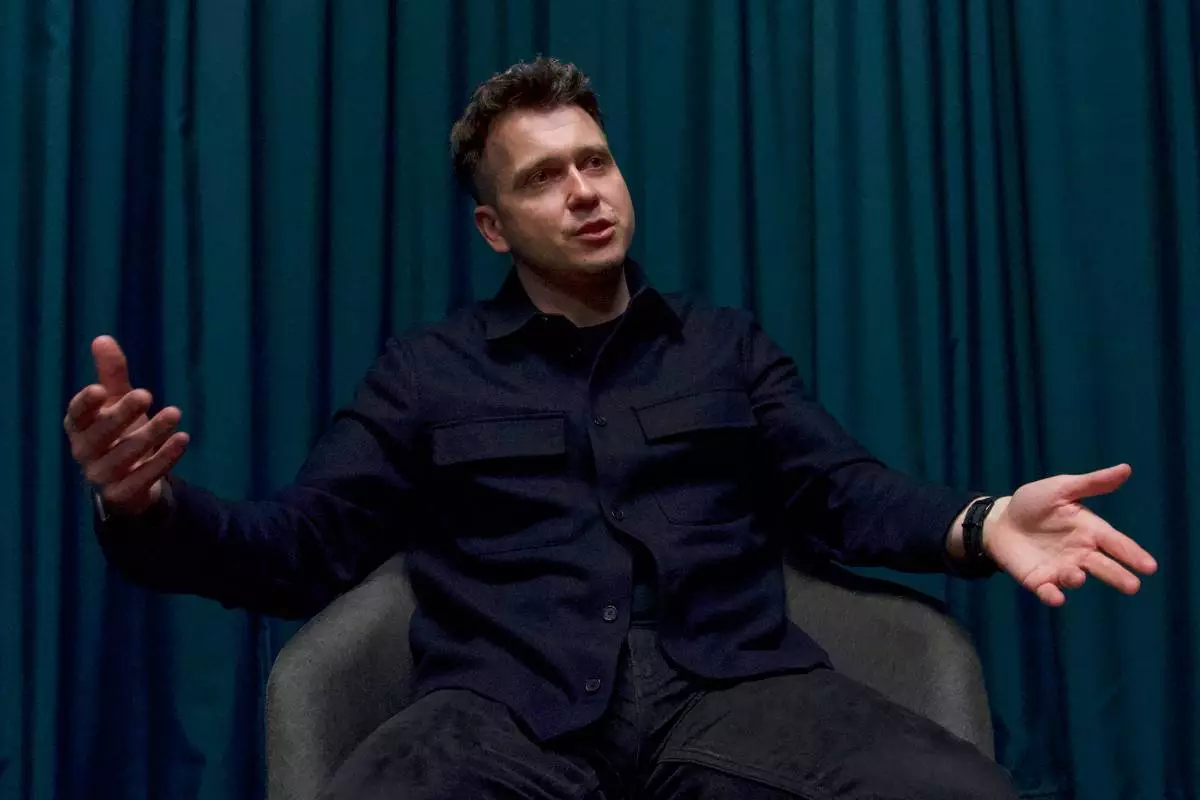
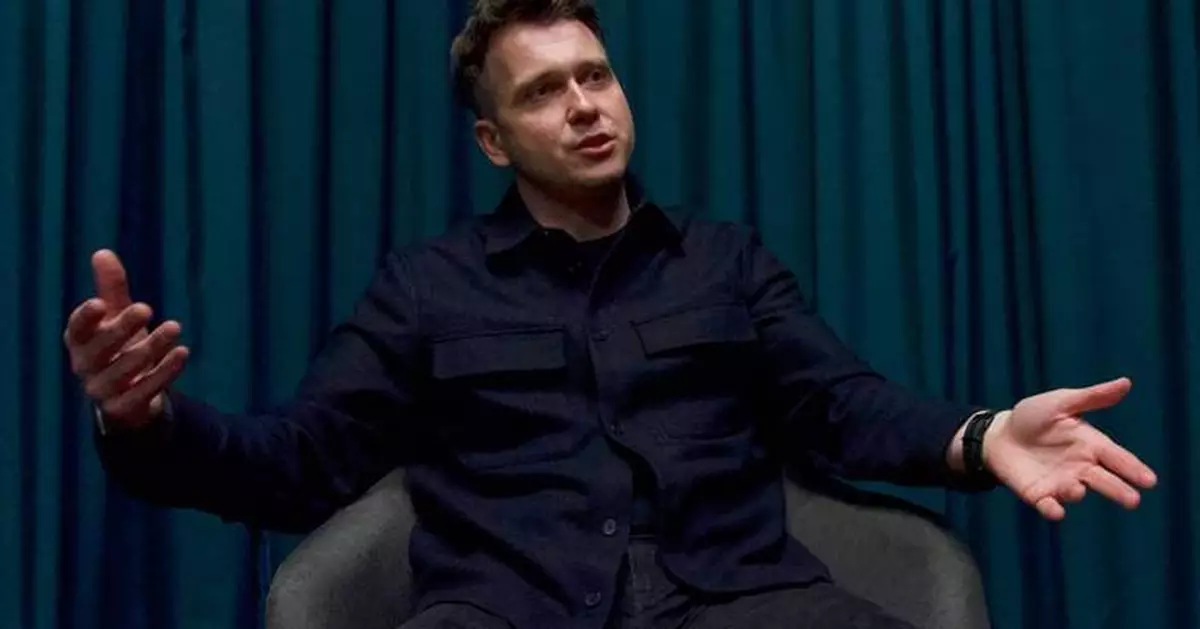
Danylo Tsvok, head of the Defense Artificial Intelligence Center of Ministry of Defence of Ukraine, speaks during an interview with The Associated Press in Kyiv, Ukraine, on April 24, 2026. (AP Photo/Vasilisa Stepanenko)
David Allan Coe, the country singer-songwriter who wrote the working class anthem “Take This Job and Shove It″ and had hits with “You Never Even Called Me By My Name” and “The Ride” among others, has died. He was 86.
Coe's wife, Kimberly Hastings Coe, confirmed his death to Rolling Stone on Wednesday.
She described him as one of the best singers and songwriters of our time.
“My husband, my friend, my confidant and my life for many years. I’ll never forget him and I don’t want anyone else to ever forget him either," she wrote to the publication.
A statement from a Coe representative to People said he died around 5 p.m. Wednesday. The cause of death wasn't disclosed.
Whether he was labeled outlaw or underground, Coe was clearly an outsider in Nashville's music establishment, even throughout his successes as an in-demand songwriter and singer, eventually developing a core following around his raw, often obscene lyrics and a checkered and somewhat mysterious past.
His wife posted on Facebook in September 2021 that he had been hospitalized with COVID-19 and he made few appearances since then.
He did concert tours with Willie Nelson, Kid Rock, Neil Young and others. He wrote “Take This Job and Shove It,” a hit by Johnny Paycheck in 1977, and “Would You Lay With Me (in a Field of Stone),” a hit by Tanya Tucker in 1974. He was also the first country singer to record “Tennessee Whiskey,” penned by Dean Dillon and Linda Hargrove, that has since become a genre standard and hits for George Jones and Chris Stapleton.
His own country hit recordings included “You Never Even Call Me by My Name,” written by Steve Goodman and an uncredited John Prine; “The Ride,” and “Mona Lisa Lost Her Smile.” Coe also appeared in a handful of movies, including “Stagecoach” and “Take this Job and Shove It,” which was named after his song.
Coe, born in Akron, Ohio, spent time in reformatories as a youngster, and served time in an Ohio prison from 1963 to 1967 for possession of burglary tools. He also has said he spent time with the Outlaws motorcycle club, but some of the tales about his prison time and his personal life have been wildly exaggerated over the years.
“I’d have never made it through prison without my music,” he said in an AP interview in 1983. “No one could take it (music) away from me. They could put me in the hole with nothing to do but I could still make up a song in my head.”
He recorded his first album, a blues album called “Penitentiary Blues,” using songs that he wrote in prison. He later told reporters that he tried not to lean too heavily on prison as a topic for songs because of the similarities to the backstory of Merle Haggard, but that his criminal history was all people seemed interested in focusing on.
Coe recorded next for Columbia Records and did the album “The Mysterious Rhinestone Cowboy,” which became his nickname after performing in a rhinestone suit and wearing a mask.
During the heyday of the outlaw movement, Coe placed himself at the center of the scene, with songs like “Longhaired Redneck,” which featured lyrics about performing in dive bars, “Where bikers stare at cowboys who are laughing at the hippies who are praying they’ll get out of here alive.”
He was featured in the acclaimed documentary about the outlaw country movement called “Heartworn Highways,” in which he performs a concert at a Tennessee prison.
Coe, himself heavily tattooed and sporting long hair, claimed a diverse fan base that included bikers, doctors, lawyers and bankers. His last record, released in 2006, was a collaboration with Dimebag Darrell and other former members of the heavy metal group Pantera.
He released two R-rated albums, 1978′s “Nothing Sacred” and 1982′s “Underground Album,” that he sold via biker magazines. The songs on these albums have been criticized for being racist, homophobic and sexually explicit. He told “Billboard” magazine in 2001 that author and songwriter Shel Silverstein convinced him to record the songs he had written, something he had come to regret.
“Those were meant to be sung around the campfire for bikers, and I still don’t sing those songs in concert,” he said.
In 2016, Coe was ordered to pay the IRS more than $980,000 in restitution for obstructing the tax agency and was sentenced to three years’ probation. Court documents say Coe earned income from at least 100 concerts yearly from 2008 through 2013 and either didn’t file individual income tax returns or pay taxes when he did file.
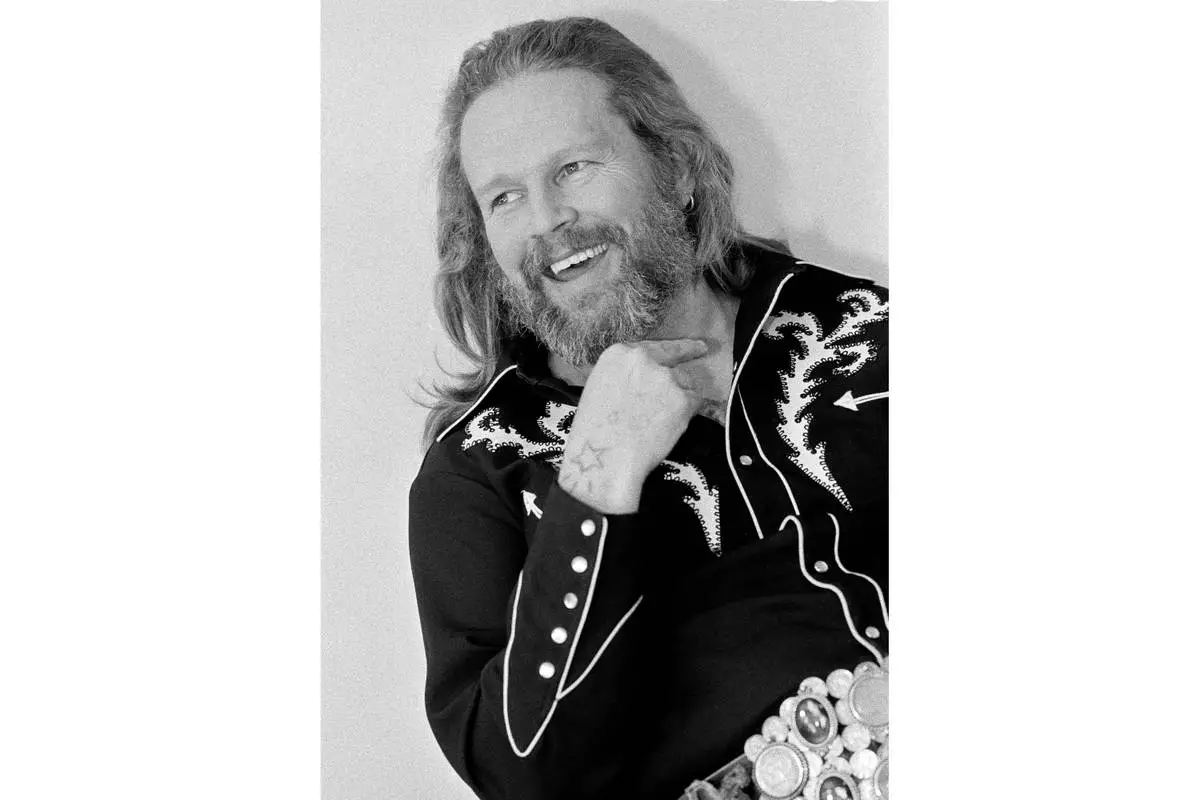
FILE - David Allan Coe is pictured during an interview in Nashville, Tenn., May 9, 1983. (AP Photo/Mark Humphrey, File)
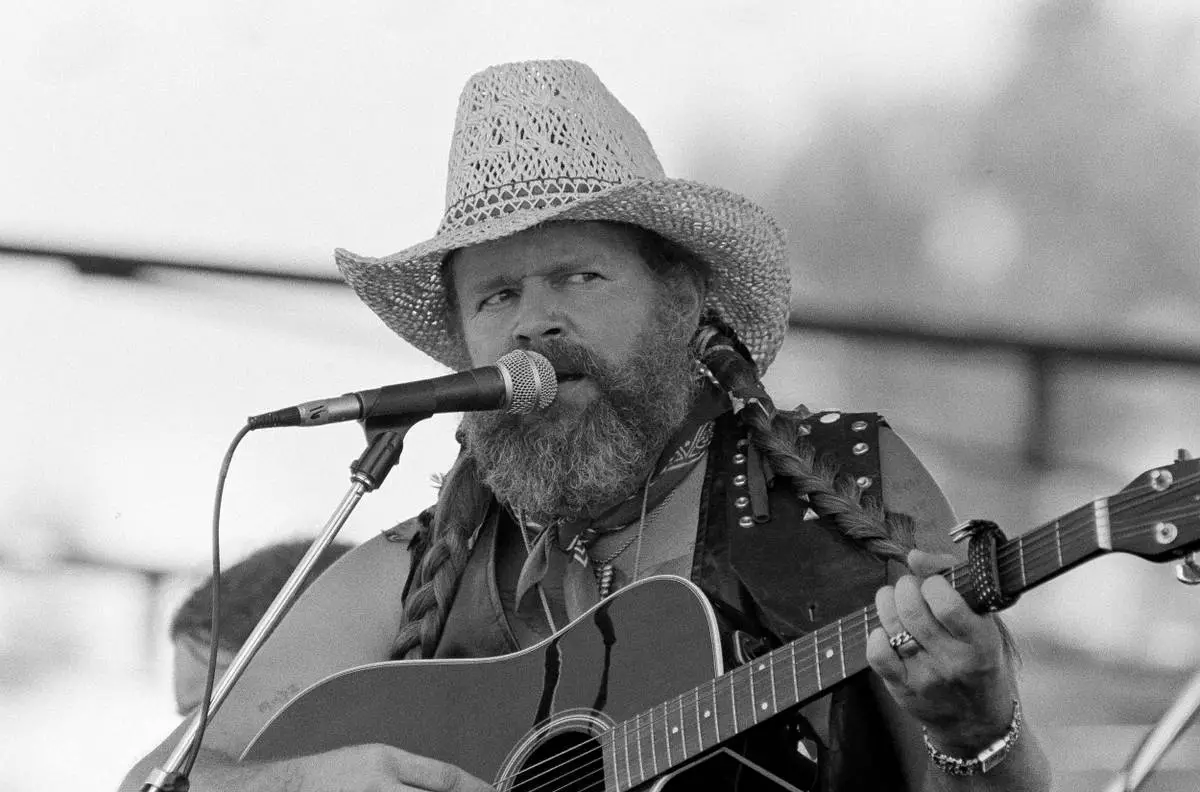
FILE - David Allan Coe, sporting Willie Nelson braids, performs at the Willie Nelson July 4th Picnic, on July 4, 1983 at Atlanta International Raceway in Hampton, Ga. (AP Photo/Rudolph Faircloth, File)