OAKLAND, Calif. (AP) — Elon Musk on Thursday sparred with an attorney for OpenAI during his third day of testimony in the contentious trial over the company's pivot from nonprofit status to a for-profit venture valued at hundreds of billions of dollars.
The trial centers on the 2015 birth of the ChatGPT maker as a nonprofit startup primarily funded by Musk. It pits the world’s richest person against Sam Altman, a fellow OpenAI co-founder he accuses of betraying promises to keep the company as a nonprofit dedicated to humanity’s benefit.
Click to Gallery
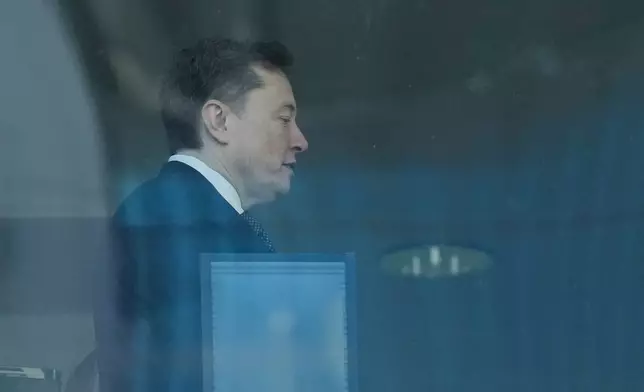
Elon Musk walks through a hallway inside the U.S. District Court in Oakland, Calif., Wednesday, April 29, 2026. (AP Photo/Godofredo A. Vásquez)
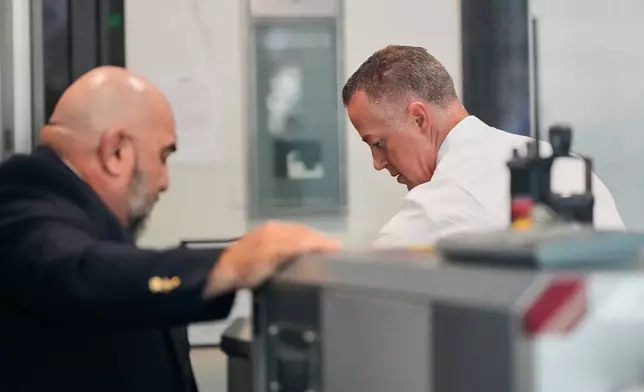
Neuralink CEO Jared Birchall, right, walks through security at the U.S. District Court in Oakland, Calif., Thursday, April 30, 2026. (AP Photo/Godofredo A. Vásquez)
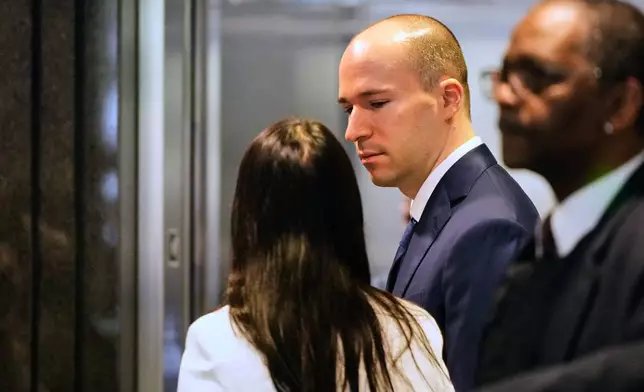
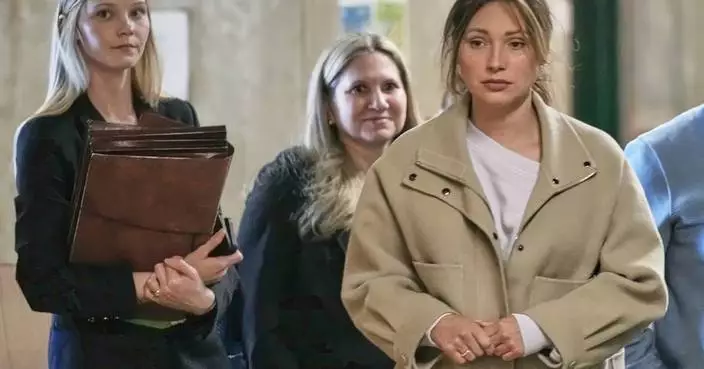
OpenAI president Greg Brockman, center, arrives at the U.S. District Court in Oakland, Calif., Thursday, April 30, 2026. (AP Photo/Godofredo A. Vásquez)
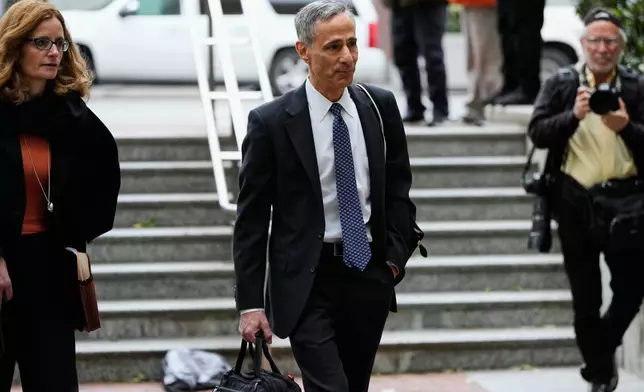
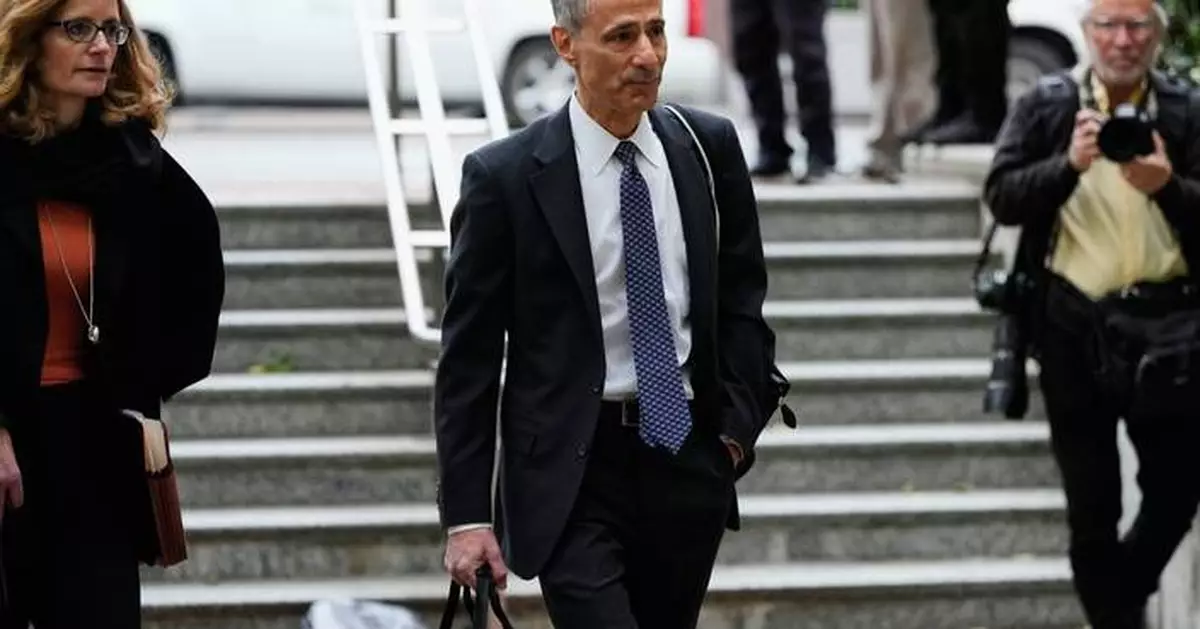
William Savitt, attorney representing OpenAI, right, arrives at the U.S. District Court in Oakland, Calif., Thursday, April 30, 2026. (AP Photo/Godofredo A. Vásquez)
Tempers have flared on both sides of the high-stakes trial, as the morning began with an existential discussion about the future of humanity — complete with references to “The Terminator” movies — and how much witness testimony would focus on AI safety.
“Your client, despite these risks, is creating a company that is in the exact same space,” Judge Yvonne Gonzalez Rogers told Musk's lawyers, referring to the billionaire's xAI, which launched in 2023. People, she said, “don't want to put the future of humanity into Mr. Musk's hands,” and instructed the parties not to discuss the dangers of AI to humanity during the course of the trial.
“This is not a trial on the safety risks of artificial intelligence. This is not a trial on whether or not AI has damaged humanity,” she said. “It could be one day in a federal court in this country that we may have that trial. That is not this trial and we are not going to get sidetracked on that issue in this trial.”
On the stand, Musk has taken issue with the cross-examination by opposing attorney William Savitt, accusing him of asking misleading questions designed to trick him and the jury. At one point Thursday, Savitt asked Musk about earlier testimony where he said that as long as investor profits were capped, OpenAI wasn’t in violation of agreements to keep it a nonprofit.
“It depends on how high the cap is,” Musk replied. Savitt then said that “wasn’t your complete answer yesterday right?” In response, Musk said “few answers are going to be complete, especially if you cut me off all the time.” He added that if the cap is “super high,” then OpenAI is “really a for-profit at that point.”
Lawyers for OpenAI have rejected the allegations brought in Musk’s civil lawsuit and said there were never promises that the company would remain a nonprofit forever. The company has argued Musk’s legal challenge is aimed at undercutting OpenAI’s rapid growth and bolstering Musk’s xAI, which he launched in 2023 as a competitor.
The trial in federal court in Oakland, California, is scheduled to continue through late May. Judge Yvonne Gonzalez Rogers excused Musk from the witness stand Thursday, but he may be called back later.
During the cross-examination, Savitt also asked Musk about his companies — Tesla, SpaceX, Neuralink and X — and whether they were all for-profit. Musk replied yes, and affirmed that he believes all of these companies are “socially beneficial.”
Savitt then asked why Musk hasn't started a nonprofit himself, eight years after he left OpenAI.
“I thought I had started a nonprofit with OpenAI but they stole it,” Musk replied, adding that this is “the entire basis of this lawsuit.”
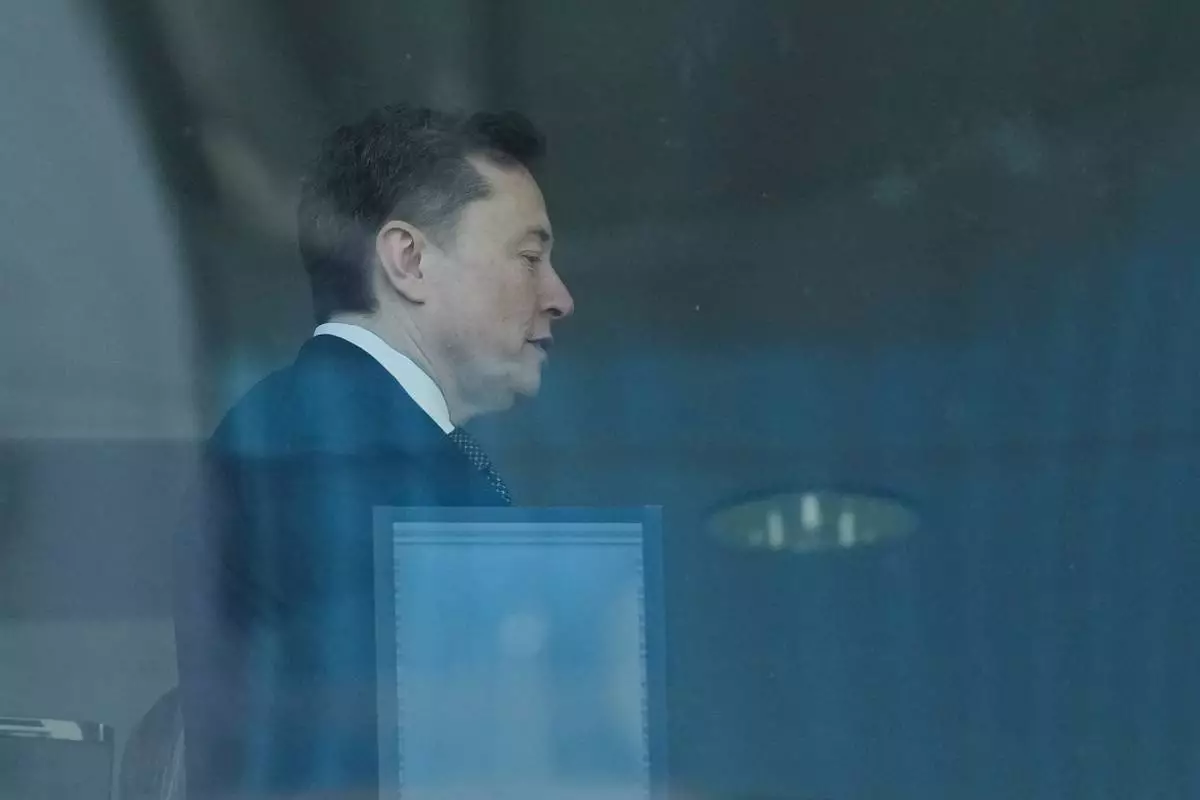
Elon Musk walks through a hallway inside the U.S. District Court in Oakland, Calif., Wednesday, April 29, 2026. (AP Photo/Godofredo A. Vásquez)
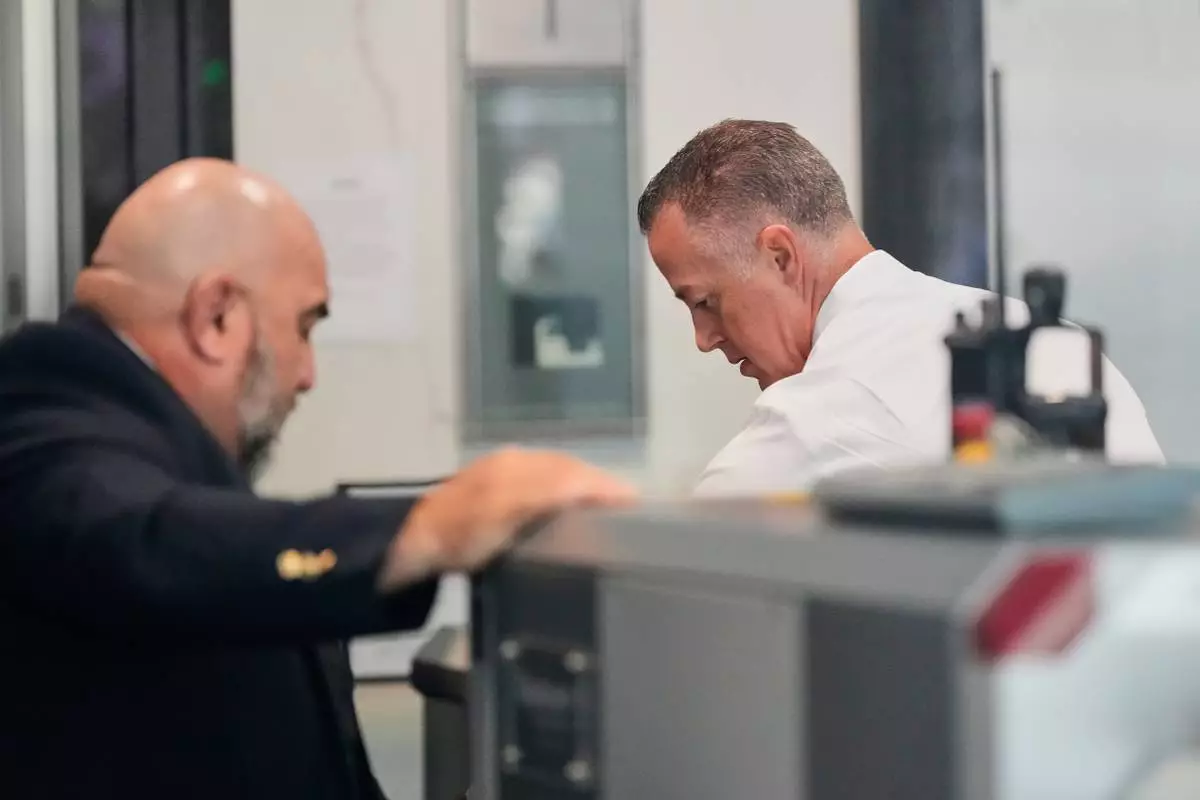
Neuralink CEO Jared Birchall, right, walks through security at the U.S. District Court in Oakland, Calif., Thursday, April 30, 2026. (AP Photo/Godofredo A. Vásquez)
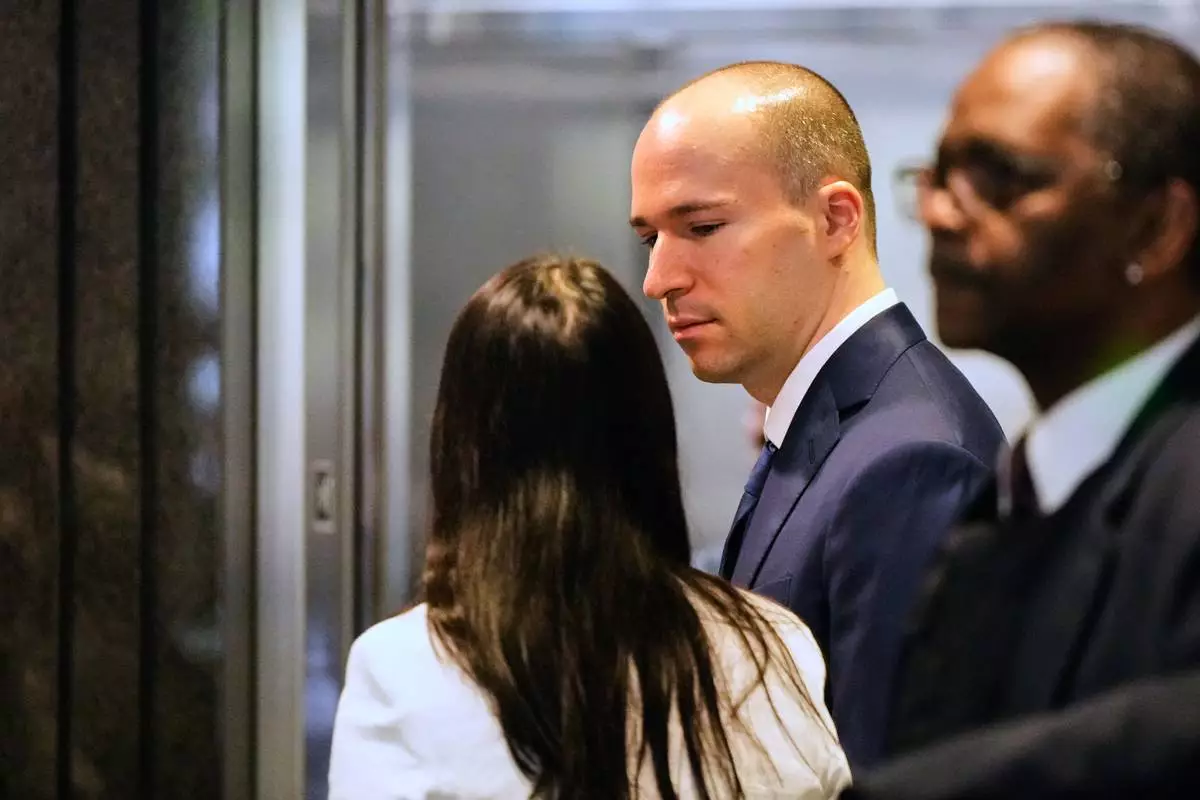
OpenAI president Greg Brockman, center, arrives at the U.S. District Court in Oakland, Calif., Thursday, April 30, 2026. (AP Photo/Godofredo A. Vásquez)
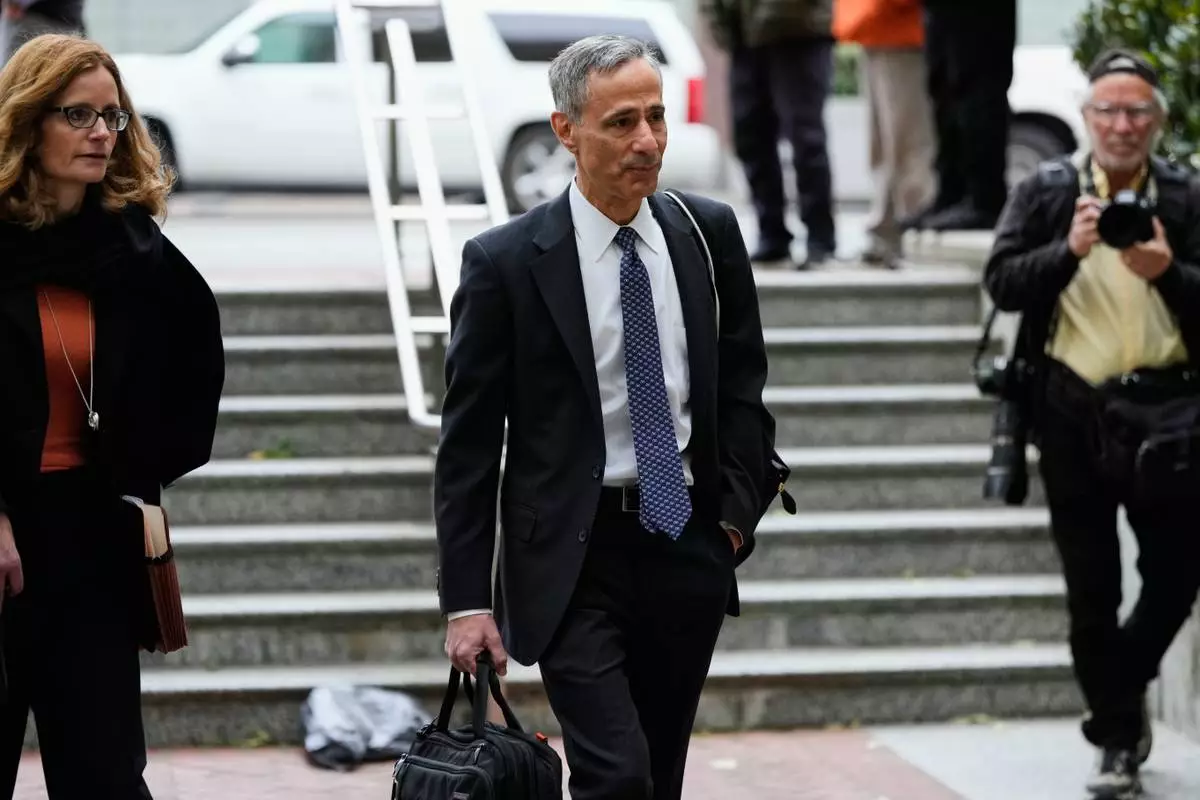
William Savitt, attorney representing OpenAI, right, arrives at the U.S. District Court in Oakland, Calif., Thursday, April 30, 2026. (AP Photo/Godofredo A. Vásquez)