Azerbaijan's parliament voted on Friday to suspend all cooperation with the European Parliament, in what Baku described as a response to "anti-Azerbaijani activities" by the bloc's legislature.
The parliament, known as Milli Majlis, passed a resolution halting cooperation across all tracks with the European Parliament and ending its participation in the EU-Azerbaijan Parliamentary Cooperation Committee.
At the opening of the spring session, Milli Majlis Speaker Sahiba Gafarova announced that the chamber would take responsive measures over what she called anti-Azerbaijani activities by the European Parliament.
The legislature simultaneously initiated withdrawal procedures from the EuroNest Parliamentary Assembly, a regional inter-parliamentary forum with the European Parliament and parliaments of several other countries.
Earlier, Azerbaijan's Foreign Ministry summoned EU Ambassador Marijana Kujundzic and protested over a European Parliament resolution adopted on Thursday, which Baku said contained unsubstantiated and biased provisions against the country.
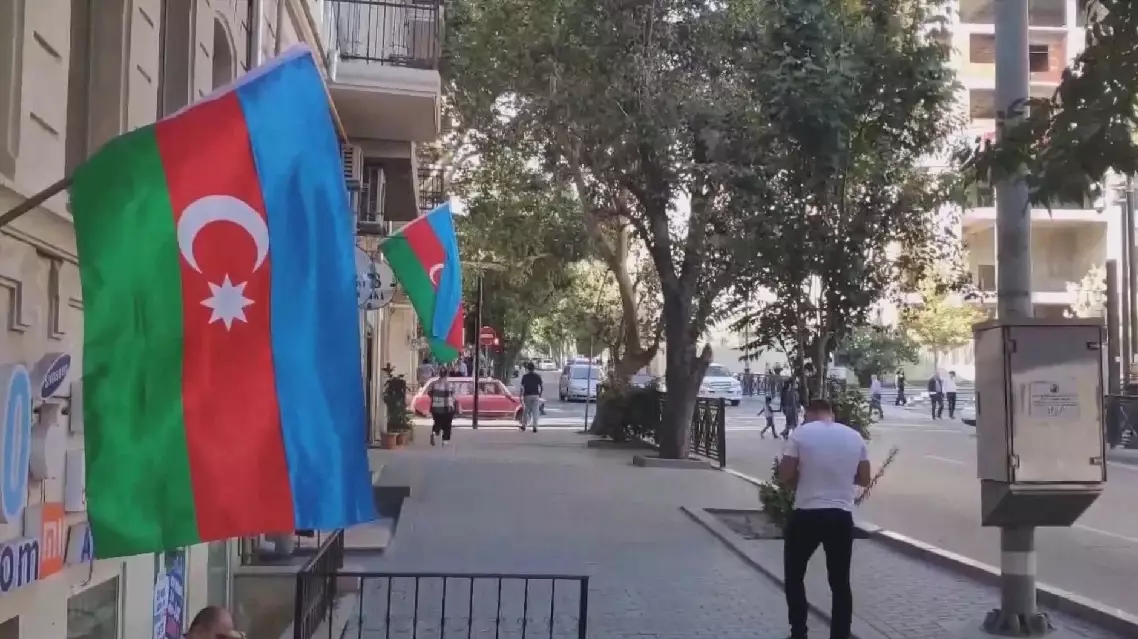
Azerbaijan's parliament suspends ties with European Parliament over "anti-Azerbaijani activities"
The United Arab Emirates' (UAE) decision to withdraw from OPEC reflects a political protest against the organization's influence more than a calculated economic strategy, an Iranian economist said, warning that the move exposes deepening rifts within the group and signals its potential collapse.
Effective Friday, the UAE formally exited of the Organization of Petroleum Exporting Countries (OPEC) and OPEC+, ending nearly six decades of membership and marking a significant blow to the organization.
After leaving the oil cartel, the UAE says it wants to increase oil production without limits.
In an interview with China Global Television Network, Saeed Laylaz, an Iranian economist, shared his insights into the decision.
"OPEC was never a very effective organization to begin with -- it had more political impact than economic. This decision by the UAE shows the same thing: the Emiratis are generally showing their political protest against OPEC," said Laylaz.
Iran's Oil Exploration Operations Company (OEOC) says the UAE's exit is really about competition with Saudi Arabia and growing Israeli influence. Iranian oil officials believe several factors are at play: the UAE wants to ramp up production and exports while challenging Saudi Arabia. The UAE's departure from OPEC+ weakens Saudi influence inside the group -- a shift that OEOC says is best understood as part of broader political competition with Riyadh.
In Laylaz's view, OPEC is an economic group made up of countries with very different and often clashing political leanings. He maintains that the idea of OPEC as a unified organization whose members share the same economic -- let alone political -- interests was never a reflection of reality.
"Now the UAE has major problems with Iran politically and economically, and with also Saudi Arabia -- it's not like only with Iran. And this decision by the UAE shows that OPEC has been an empty shell that is now on the verge of collapse," said Laylaz.
Laylaz believes the era of government-run oil cartels is ending. As global crises reshape energy politics, the old rules no longer apply.
"The reality is that this oil cartel we know as OPEC [is collapsing]. In practice, everyone has done whatever they wanted. You see, countries complied with OPEC guidelines only when it suited their national interests or their own capacities," said Laylaz.
Laylaz also dismisses fears about the Strait of Hormuz, saying that its long-term impact is limited and that alternative routes will emerge.
"I am certain that either the current oil crisis will not continue in the long term, or if it does continue, so many alternative paths will be taken that the importance of the Strait of Hormuz will diminish," said Laylaz.
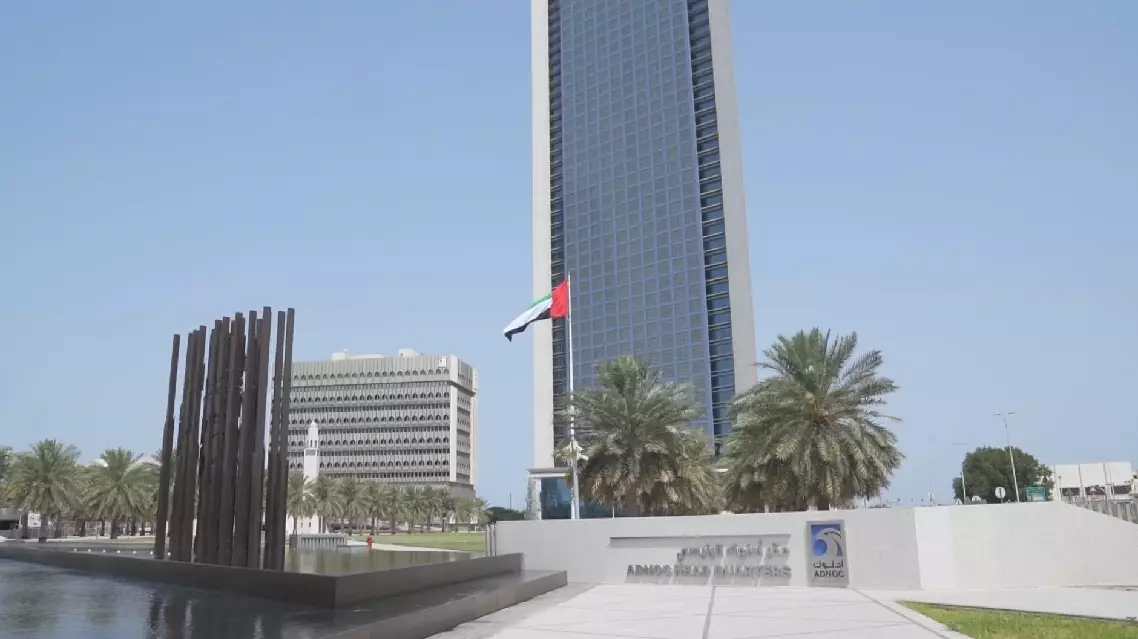
UAE's OPEC exit a political protest, signaling cartel's potential collapse: Iranian economist