From lakeside sunrise concerts to cave music festivals, music-driven tourism is emerging as a new holiday trend across China, drawing crowds and boosting local business.
At four o'clock in the morning, on the shores of the Taihu Lake in Changxing, a county in east China's Zhejiang Province, visitors gathered to listen to live performances while waiting for the sun to rise, a novel vacation experience that has fueled demand for nearby guesthouses, restaurants and outdoor venues during the ongoing May Day holiday.
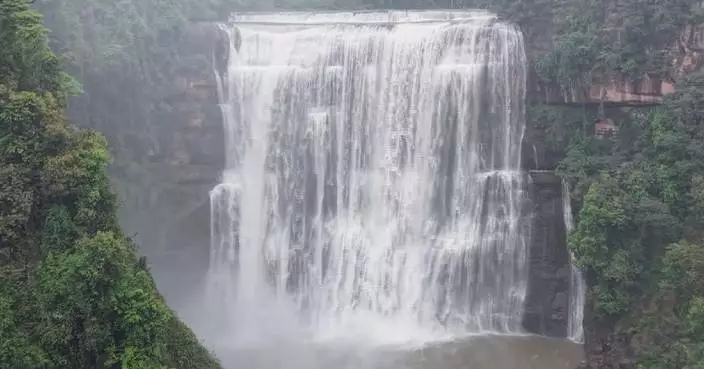
In southwest China's Guizhou Province, Asia's longest underground karst cave hosted a special concert at midday, attracting nearly 30,000 visitors in a single day during the five-day holiday period. Organizers said more than 60 percent of visitors were young tourists who came specifically for the cave music festival.
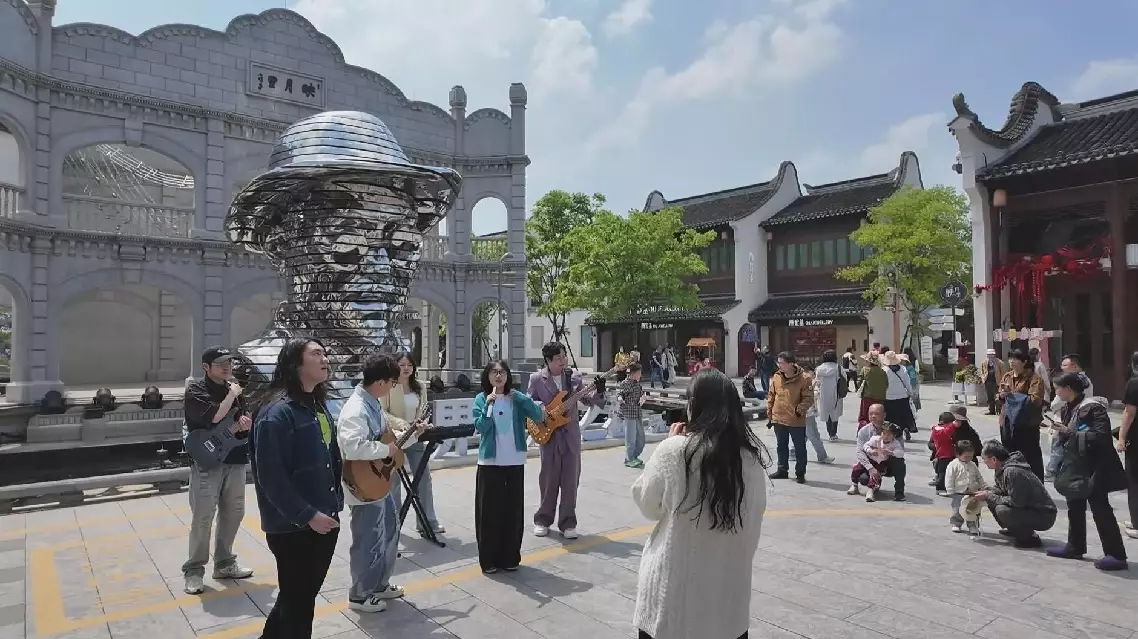
Wuxi, a city in Jiangsu Province has rolled out music related tourism strategy, combining traditional music with contemporary trends, garden landscapes with live shows, and leisure with creative industries.
The city mapped 38 music landmarks, allowing visitors to explore tourist sites while enjoying music.
"It's wonderful. In the past, we might just walk for an hour or two. Now, there are much more things, and there is music to listen to. It's new for me every time I come here, a new feeling," said Xiao Wanjing, a visitor.
In Wuxi, a century-old house has been transformed into a popular venue where performances, dining, and music come together to create a unique cultural experience that draws visitors from across the country.
"This place actually breaks away from traditional consumer settings. We've integrated small-scale performances and sharing sessions with casual dining. And behind us is a section similar to a record store. By creating this fresh space, we've attracted many consumers from all over the country," said Wang Lina, person in charge of this place.
Wuxi has also staged Kunqu opera performance in its parks, inviting visitors to enjoy the gardens' charm as graceful melodies linger. The fusion of traditional Chinese music instrument and electronic beats draws a lot of visitors.
"We are creating a one-plus-N music-culture-tourism strategy. One refers to the Wuxi music map, which serves as the key link, while N refers to multiple music scenarios that integrate traditional music with Guochao (China chic) innovation, gardens with performance, culture spending with leisure industries. Like beads strung together into a chain, they link different places to create new places and experience for consumer spending," said Hua Ying, director of the promotion center for Wuxi music city.
Music drives new tourism boom across China