The U.S. plan to withdraw 5,000 troops from Germany aims to exert greater pressure on Germany and Europe to increase their military spending, said a German politician.
On Friday, the Pentagon announced that it is planning to withdraw about 5,000 U.S. troops from Germany.
The move came after U.S. President Donald Trump criticized German Chancellor Friedrich Merz over the German leader's remarks that Iran was "humiliating" Washington in negotiations to end the war in the Middle East.
The announcement has fueled discussion in Germany, with many viewing the troop reduction not merely as adjustments to military deployments but as a reflection of growing divergences and power plays in transatlantic relations.
Sevim Dagdelen, a foreign policy expert and a member of the Bündnis Sahra Wagenknecht pointed to the controversy surrounding defense spending of the North Atlantic Treaty Organization (NATO).
"I think it is obvious that this is intended to exert greater pressure on Germany and Europe to invest more money in armaments. The armament expansion by European members of NATO, especially by Germany, does not mean they will gain more independence," she said.
"NATO is a tool for the United States to maintain its global dominance and advance its own interests. Therefore, increasing military spending will not bring Europe real autonomy," she added.
In German political circles, reactions to the withdrawal vary among the different parties.
Jurgen Hardt, foreign policy spokesperson of Germany's CDU/CSU Parliamentary Group, warned that the withdrawal carries "considerable weight" and called for limiting the resulting friction and consolidating transatlantic cooperation, while Jan Nolte from the Alternative for Germany viewed it as largely symbolic, saying it concerns only about 14 percent of U.S. forces stationed in Germany.
More than 36,000 U.S. active duty troops were deployed to bases throughout Germany as of the end of last year, along with nearly 1,500 reservists and 11,500 civilians, according to Defense Department data.
Germany also hosts the headquarters of the U.S. European Command and the U.S. Africa Command, and Ramstein Air Base serves as a key hub for U.S. military operations.
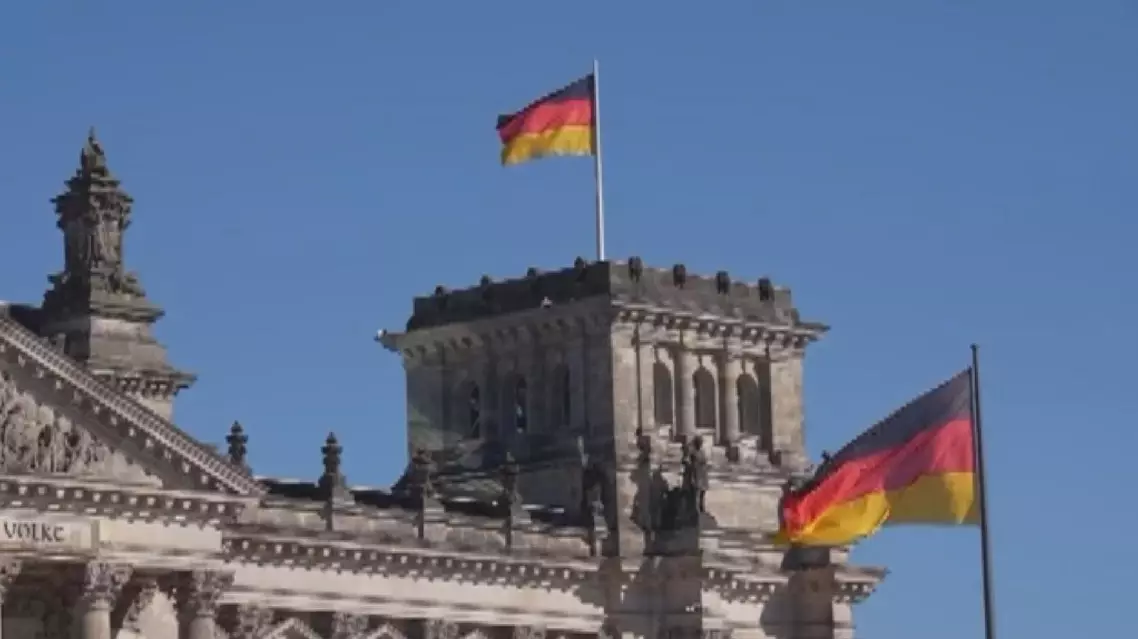
US troop withdrawal from Germany aims to pressure Europe over defense spending: German politician